Small Scale SSP Production Line: Buyers’Guide
- 2026-11-24
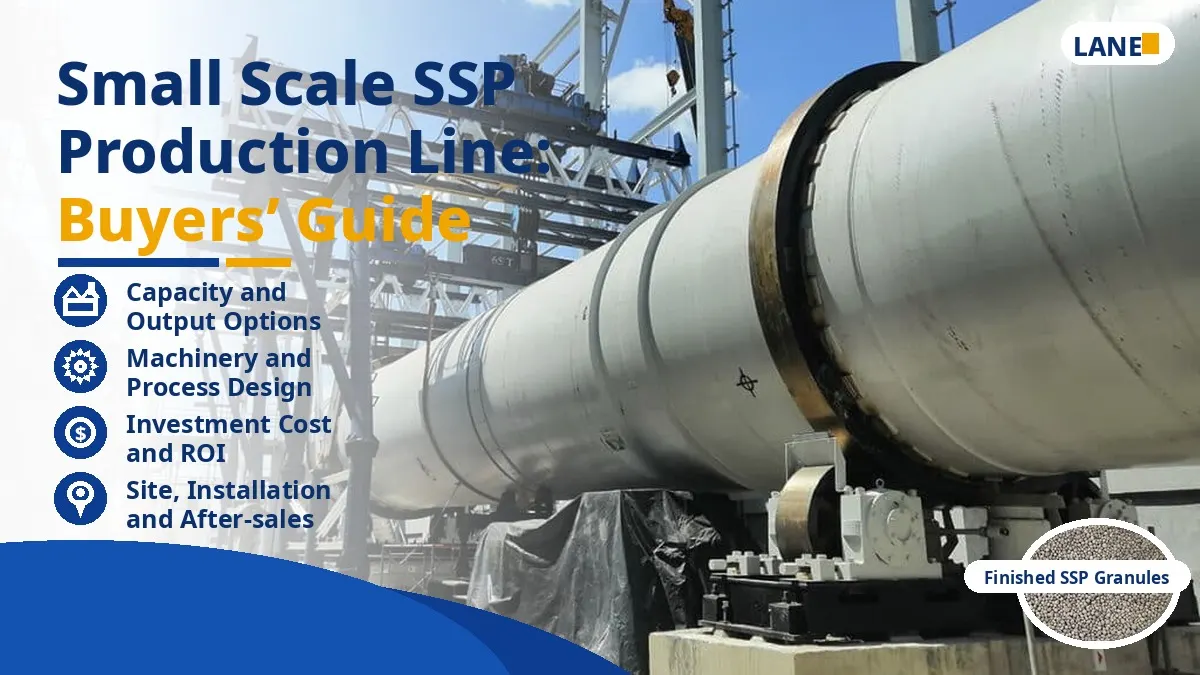
A small scale SSP production line can be a practical way for a regional fertilizer manufacturer to enter phosphate fertilizer production without investing in a large integrated complex. However, a compact plant is not simply a large factory with smaller machines. Its economics depend on raw material availability, sulfuric acid supply, curing capacity, product form, and the amount of automation that can be justified by local demand.
For plant owners, procurement managers, and project engineers, the first question should not be how many machines are included in the quotation. It should be whether the proposed line can produce the required quantity of saleable SSP at a predictable cost, using the phosphate rock and acid available at the project site.
1. What Capacity Should a Small Scale SSP Production Line Be Designed For?
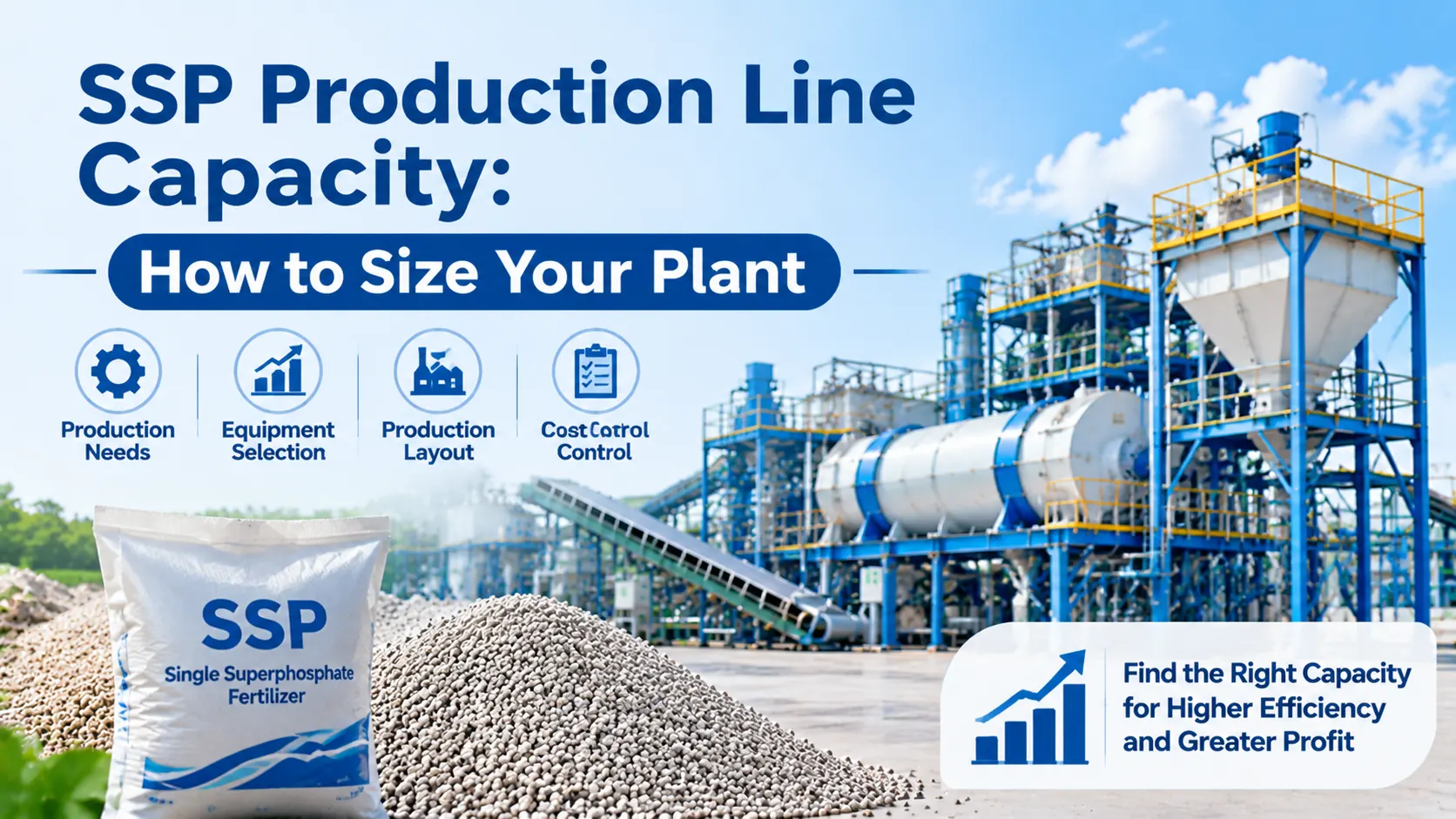
The capacity of a small scale SSP production line should be based on annual sales demand and actual operating hours, not on a supplier’s nameplate figure alone.
LANE’s published SSP production-line information gives a configurable capacity range of 5–50 TPH. Its existing small-scale plant guidance also discusses smaller granular configurations. These figures describe different project scopes; they should not be treated as a guarantee that every machine or every process section can operate at the same rate.
A useful planning calculation is:
Annual saleable output = hourly rated capacity × operating hours per year × availability × saleable yield
For example, consider an illustrative 5 TPH line operating 16 hours per day for 300 days per year. If mechanical availability is 90% and saleable yield is 95%, the estimated annual saleable output is:
5 × 16 × 300 × 0.90 × 0.95 = 20,520 tonnes per year
This is a planning example, not a guaranteed production figure. Actual output depends on rock quality, acidulation performance, curing time, granulation recycle load, maintenance stops, and final product specifications.
Before accepting a capacity proposal, ask the supplier to clarify:
- Whether the quoted TPH refers to fresh feed, material entering the granulator, or finished product.
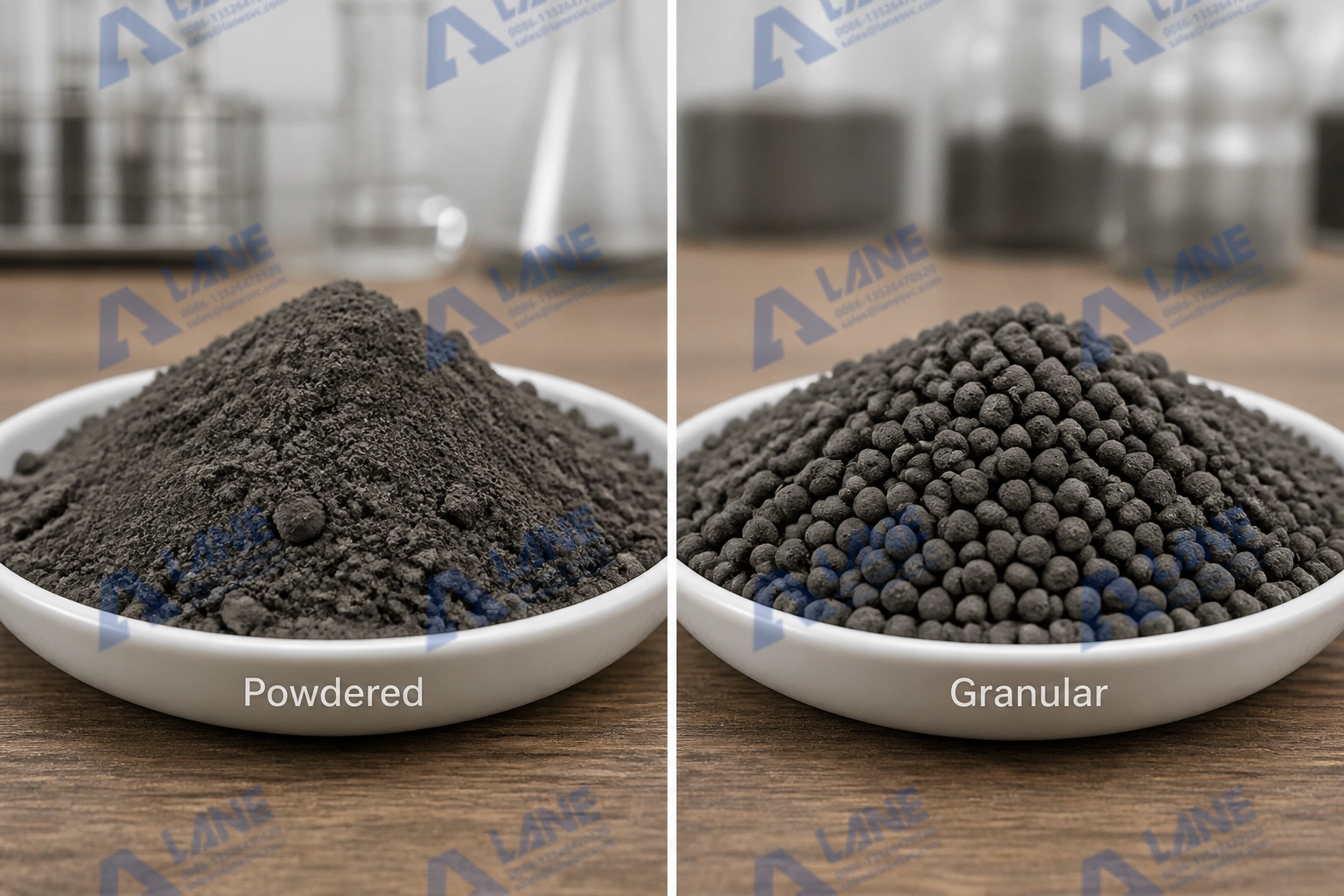
- Whether the capacity is based on powder SSP or granular SSP.
- The assumed phosphate rock grade, hardness, and feed fineness.
- The number of operating hours and planned maintenance stops.
- Whether the quoted output is gross production or saleable product after screening and recycle.
A small scale SSP production line that is oversized for the local market can carry unnecessary capital and operating costs. A line that is undersized may force the plant to run excessive shifts or miss seasonal delivery windows. The right design is the one that matches realistic demand and raw material supply.
2. What Process Configuration Does a Small Scale SSP Production Line Need?
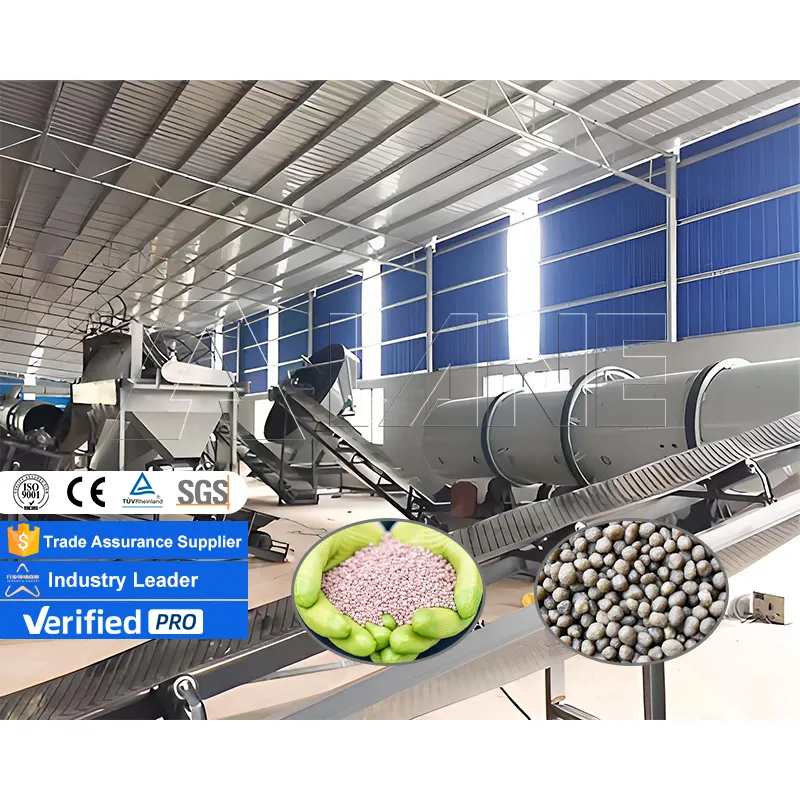
A small scale SSP production line normally starts with phosphate rock preparation and sulfuric acid handling. The rock is crushed and ground, then metered into an acidulation mixer or reactor. The reacted material is transferred to a den or curing area, where the reaction continues and free acidity is reduced.
The downstream configuration depends on the product the factory intends to sell.
Powder SSP route
A powder route generally includes:
- Phosphate rock crushing and grinding.
- Sulfuric acid storage, dilution, and dosing.
- Acidulation and mixing.
- Denning or curing.
- Cured material crushing and conditioning.
- Screening and packaging.
This route has fewer finishing machines and avoids the fuel demand of a granule dryer. It can suit regional bulk customers who accept powder SSP and have suitable handling facilities.
The trade-off is physical handling. Powder can generate dust, compact during storage, and be less convenient for customers who use mechanical spreading or blending equipment.
Granular SSP route
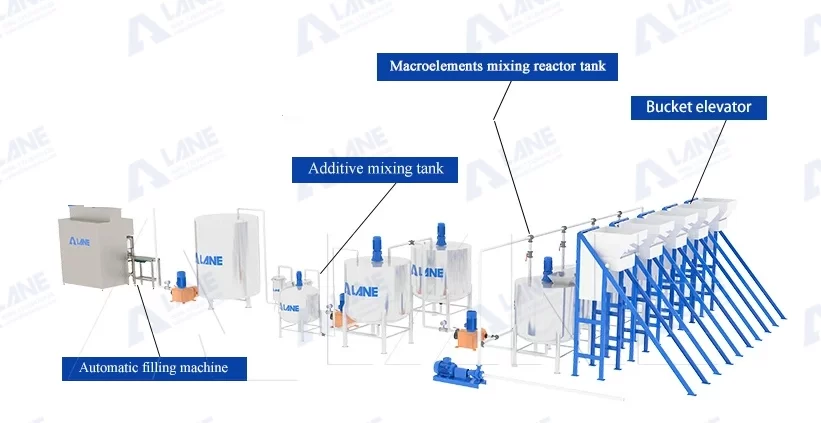
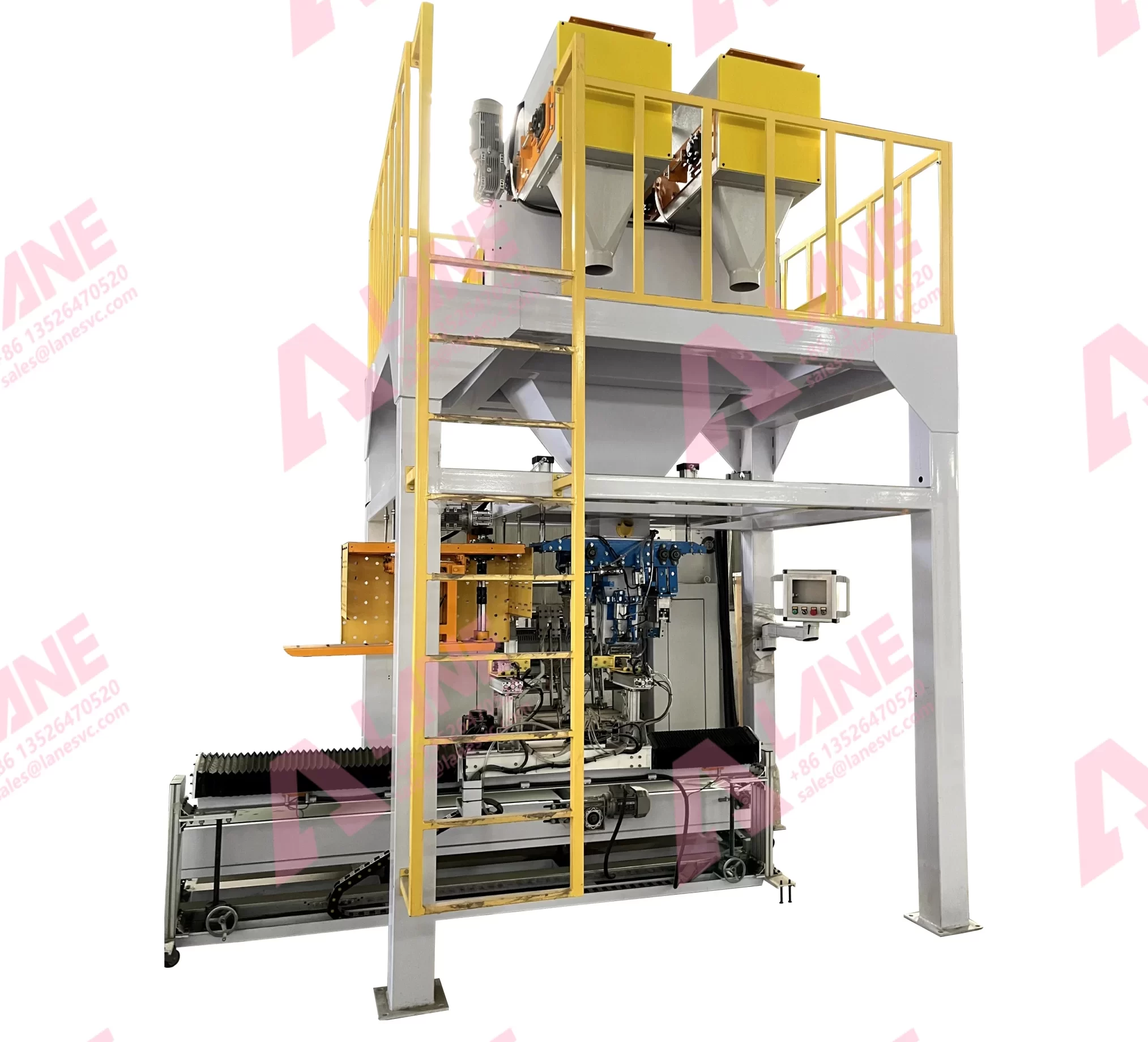
A granular route adds a granulator, dryer, cooler, final screen, and recycle conveyors. Oversized particles are crushed and returned, while undersized material is recycled to the granulation stage.
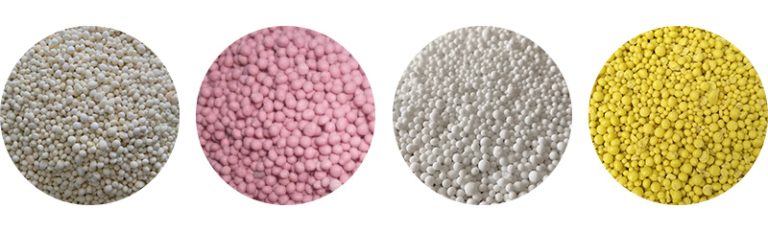
Granular product is generally easier to handle, store, transport, and blend. It may be a better fit for bagged retail fertilizer or export markets. However, the additional equipment increases capital cost, energy demand, maintenance points, and process-control requirements.
The decision should follow the target market’s product specification. Installing a granulation section simply because it appears more advanced is not a sound investment decision.
Planning a fertilizer project? Contact LANE engineering team to get a free 3D plant layout drawing, motor power calculation, and factory-direct quote within 4 hours. [Request 3D Layout & Budget Estimate →]
3. Which Equipment Should Be Included in the Line?
The equipment list for a small scale SSP production line should be prepared by process duty. Each machine must be sized against the material entering it, rather than assigned the same nominal capacity as the whole plant.
| Process section | Main equipment | What buyers should verify |
|---|---|---|
| Rock preparation | Crusher, ball mill or Raymond mill, elevator | Rock hardness, feed size, target fineness, throughput and power |
| Acid handling | Storage tank, dilution tank, dosing pump and pipeline | Acid concentration, flow range, wetted materials, containment and safety devices |
| Acidulation | Mixer or reactor, den conveyor | Mixing uniformity, residence time, lining material and gas collection |
| Curing | Curing floor, building or silo, reclaim equipment | Required holding capacity, curing time, ventilation and material handling |
| Conditioning | Lump breaker, crusher and mixer | Lump size, wear parts, feed consistency and transfer capacity |
| Granulation, if required | Disc or rotary drum granulator | Feed moisture, recycle ratio, target granule size and granulation rate |
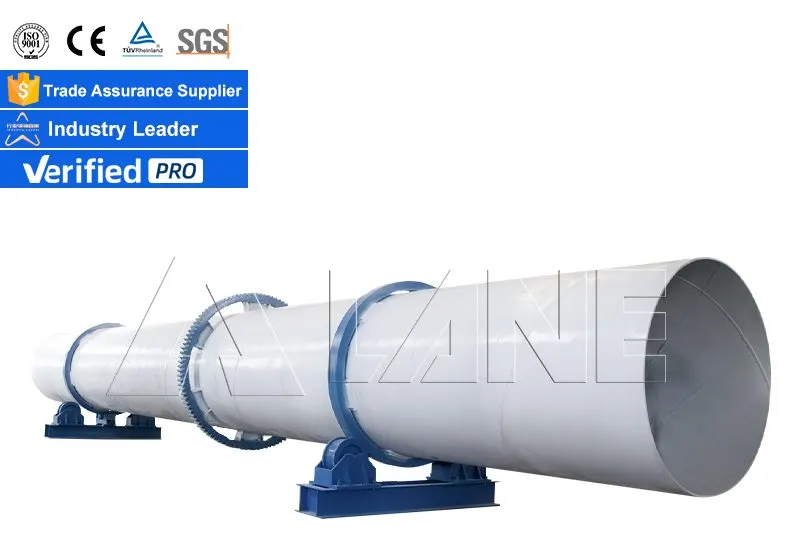
| Drying and cooling | Rotary dryer and rotary cooler | Inlet moisture, outlet moisture, fuel consumption and discharge temperature |
| Screening and recycle | Rotary screen or vibrating screen, oversize crusher and conveyors | Screen area, cut size, recycle load and finished-product rate |
| Packaging | Weighing and bagging machine | Bag size, weighing accuracy, bags per hour and dust extraction |
| Environmental control | Dust collector, wet scrubber, fans and ducts | Gas and dust collection points, design flow, pressure drop and discharge requirements |
The equipment list is a starting point, not a final bill of materials. For example, a powder-only plant may not need a rotary dryer and cooler, while a granular plant needs enough screening and recycle capacity to handle circulating material in addition to fresh feed.
For equipment selection, buyers can review the phosphate rock grinding mill, rotary drum granulator for phosphate fertilizer, and drum cooling dryer pages. The SSP production line equipment list is also useful when preparing the preliminary equipment scope.
4. Why Are Acid Handling and Curing So Important in a Small Plant?
Acid handling and curing are two areas where reducing equipment cost can create much larger operating problems.
Sulfuric acid storage, dilution, transfer, and dosing need to be designed as one package. The supplier should state the design acid concentration, operating temperature, pump flow range, valve and pipeline materials, tank lining, and secondary containment arrangement.
Do not accept a general description such as “corrosion-resistant material.” Ask for a material schedule identifying every component in contact with acid or acidic process gas. The correct material depends on acid concentration, temperature, impurities, and actual operating conditions.
Curing capacity also needs to be calculated from production rate and residence time. If the process requires several weeks of curing, the curing area cannot be sized as though it were only a short transfer buffer. A small scale SSP production line can be mechanically capable of producing the required hourly tonnage and still fail to deliver stable finished product if curing space is inadequate.
The existing LANE guidance describes curing periods that may vary with rock and process conditions, including a planning range of approximately 15–30 days in its published equipment information. Buyers should request a project-specific curing basis rather than treating this range as a universal operating guarantee.
For additional process details, see the SSP curing process.
5. What Environmental and Safety Systems Should Be Budgeted?
An SSP plant handles sulfuric acid and can generate fluoride-bearing process gas, acid mist, and dust. These are design issues, not optional accessories to be added after the main equipment has been purchased.
The environmental package may include:
- Local exhaust collection at the acidulation and curing sections.
- A wet scrubber designed for the actual gas composition and flow.
- Dust extraction at grinding, screening, conveying, and bagging points.
- Acid-resistant floors, bunds, drainage, and spill collection.
- Safe access, ventilation, emergency showers, and operator PPE.
- A defined method for handling scrubber liquor and process wastewater.
The IFC Environmental, Health, and Safety Guidelines for Phosphate Fertilizer Manufacturing specifically cover facilities producing SSP, TSP, phosphoric acid, and compound fertilizers. They provide an industry reference for pollution prevention and worker safety, but they do not replace the permits and emission limits required by the project’s local authority.
A supplier quotation should state the scrubber design basis, collection points, fan duty, pressure drop, and the scope of stack testing. “Dust collector included” is not enough to establish environmental performance.
6. What Determines the Investment and Operating Cost?
The price of a small scale SSP production line is affected by more than the number of machines. The main cost drivers are:
Product form. Powder production has a shorter equipment train. Granular production adds granulation, drying, cooling, screening, recycle conveyors, and often more extensive dust control.
Raw material characteristics. Rock hardness and required fineness affect crusher and mill selection. Rock chemistry and reactivity influence acid consumption, conversion, curing, and product quality.
Acid supply arrangement. Buying sulfuric acid can reduce the need for an upstream acid plant, but the project still needs safe unloading, storage, dilution, dosing, and reliable supply logistics.
Automation level. A small plant may not need the same automation scope as a large continuous facility. However, critical variables such as rock feed, acid flow, reactor temperature, scrubber operation, and motor status should be monitored.
Civil works and utilities. Foundations, acid-resistant flooring, buildings, drainage, power distribution, water supply, fuel systems, and emission-control ductwork can materially change the installed project cost.
When comparing quotations, separate equipment cost from total installed cost. The supplier should identify whether the price includes engineering, steel structures, electrical cabinets, cables, piping, scrubbers, installation supervision, commissioning, training, and initial spare parts.
A lower equipment price is not necessarily a lower-cost project. The more useful comparison is the estimated cost per saleable tonne under the same operating assumptions.
7. How Should Buyers Evaluate a Small SSP Equipment Supplier?
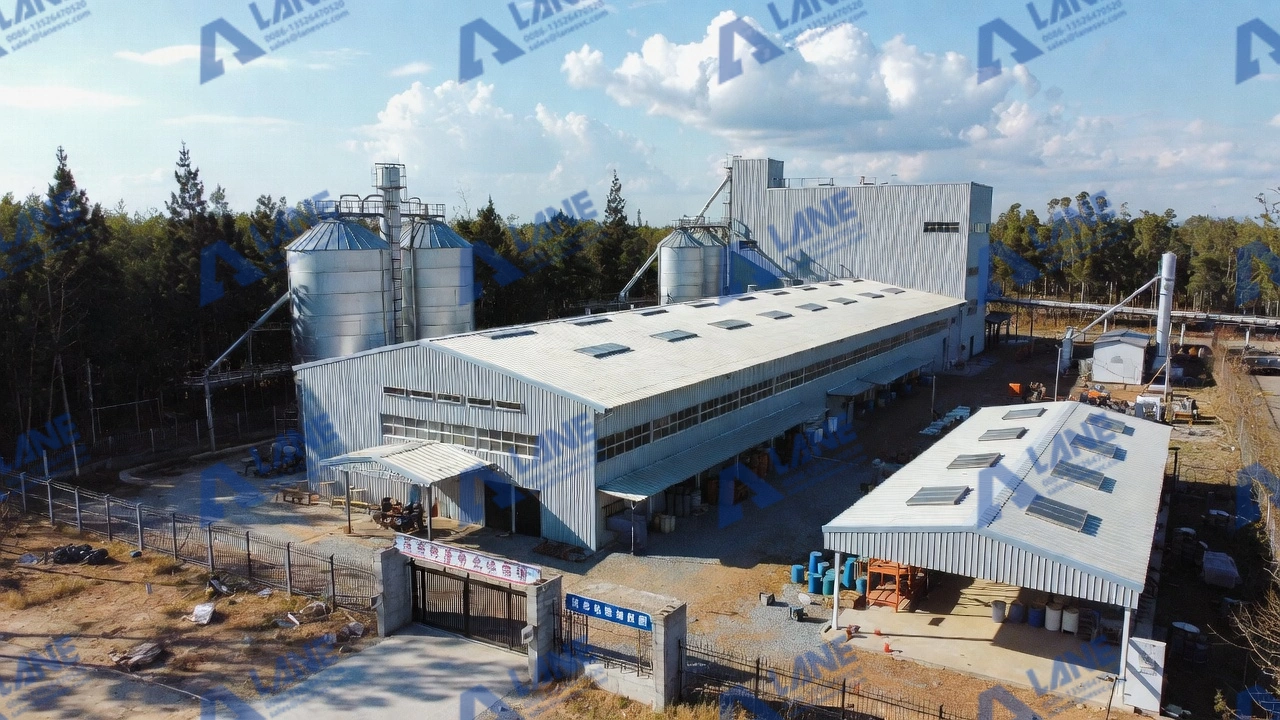
A supplier should be able to explain the process route and defend the capacity of each major section. A machine catalogue alone does not demonstrate that the supplier can integrate an SSP plant.
Before placing an order, request:
- Process flow diagram: It should show the material route, recycle streams, gas collection points, and product discharge.
- Equipment specification sheet: Check dimensions, motor power, materials of construction, design capacity, and operating conditions.
- Layout drawing: Confirm that acid storage, acidulation, curing, finishing, and packaging areas are arranged for safe operation and maintenance access.
- Utility list: Require power, water, compressed air, and fuel consumption estimates.
- Environmental-control scope: Confirm scrubber type, design gas flow, fan selection, and dust collection locations.
- Performance-test conditions: Define raw material, product grade, throughput, moisture, granule size, and acceptable operating stability.
- After-sales scope: Confirm installation supervision, commissioning, operator training, spare parts, and remote technical support.
For a small scale SSP production line, the performance guarantee should be tied to a defined feed material and finished-product specification. A capacity guarantee without a rock analysis or product quality basis is difficult to enforce.
8. What Should Be Checked During Installation and Commissioning?
Commissioning should be divided into mechanical checks, electrical checks, cold runs, and hot process trials.
During mechanical inspection, check the alignment of rotating equipment, conveyor tracking, bearing lubrication, guards, access platforms, and the condition of acid-resistant linings. For the acid system, verify tank integrity, pump direction, valve operation, pipeline supports, leak containment, and emergency arrangements before introducing acid.
During cold commissioning, test motors, interlocks, alarms, feeders, conveyors, fans, scrubber circulation, and bagging equipment without process material. During hot commissioning, introduce the actual rock and acid under controlled conditions and record operating data.
The acceptance test should cover more than whether the line starts. It should verify:
- Sustained throughput under agreed operating conditions.
- Finished SSP analysis and free-acid level.
- Product moisture and granule-size distribution, where applicable.
- Power and fuel consumption.
- Scrubber and dust-collection operation.
- Stable operation of the recycle system.
- Operator training and handover documents.
A small scale SSP production line should not be signed off solely on a short demonstration run. The acceptance period and sampling method need to be agreed before the purchase contract is signed.
9. FAQ: Small Scale SSP Production Line Purchasing Questions
Q1: Can a small scale SSP production line process different phosphate rock sources?
Yes, but the process settings and equipment duty must be checked against each rock source. P₂O₅ content, hardness, carbonate content, impurities, and reactivity can affect grinding, acid demand, reaction rate, and final product quality. Provide representative rock samples for testing before the supplier confirms the design.
Q2: Is a powder SSP line cheaper than a granular SSP line?
Yes, a powder route generally requires fewer downstream machines because it can omit granulation, drying, and cooling. The actual saving depends on the packaging arrangement, dust collection, and handling requirements. Compare the complete equipment scope rather than the granulator price alone.
Q3: How long does it take to install and commission a small SSP plant?
There is no reliable universal delivery period; equipment manufacturing, civil works, shipping, installation, and process stabilization all affect the schedule. Ask the supplier to separate the manufacturing lead time from site installation and hot commissioning, and to provide a project schedule with owner responsibilities.
Q4: What maintenance should operators plan for?
Operators should inspect bearings, gearboxes, belts, seals, pumps, screen panels, and dust-collection equipment on a routine schedule. Acid-contact components require regular inspection for corrosion and leakage. The supplier should provide a lubrication chart, wear-part list, inspection intervals, and recommended critical spares.
Q5: Can the supplier provide installation and commissioning support overseas?
Yes, if overseas technical service is included in the contract. Confirm the number of engineers, on-site working days, travel and accommodation responsibilities, operator training scope, and whether remote support continues after handover.
10. Final Buying Checklist
Before selecting a supplier, a buyer should be able to answer three questions clearly:
- Can the plant meet the market requirement? Confirm product form, target grade, granule size if applicable, annual demand, and saleable output.
- Can the process handle the actual raw materials? Verify rock analysis, grinding fineness, acid concentration, curing capacity, and corrosion-resistant materials.
- Can the project operate safely and economically? Confirm environmental controls, utilities, maintenance access, installed scope, and performance-test conditions.
The best small scale SSP production line is not necessarily the one with the lowest quotation or the largest capacity. It is the configuration that matches local demand, raw material conditions, site limitations, and the buyer’s available operating resources.
For a project-specific proposal, provide your target hourly capacity, phosphate rock analysis, sulfuric acid supply condition, preferred powder or granular product, and destination country. LANE can use these details to prepare an equipment configuration and preliminary plant layout.
For more details, please feel free to contact us.
Henan Lane Heavy Industry Machinery Technology Co., Ltd.
Email: sales@lanesvc.com
Contact number: +86 13526470520
Whatsapp: +86 13526470520