SSP Curing Process: Chemistry, Time and the Cost Buyers Miss
- 2026-10-28
The SSP curing process is where the chemistry actually finishes: green superphosphate rests so residual free acid keeps converting and the available P₂O₅ stabilizes, and cutting that time is the fastest way to lose product quality.
The key judgment for buyers is that curing is a scheduling problem as much as a chemical one—it needs floor space and days that most budgets refuse to fund. This guide is for plant investors deciding how to design or extend an SSP line, and the real risk is not the reactor but the warehouse.
Why the SSP Curing Process Exists
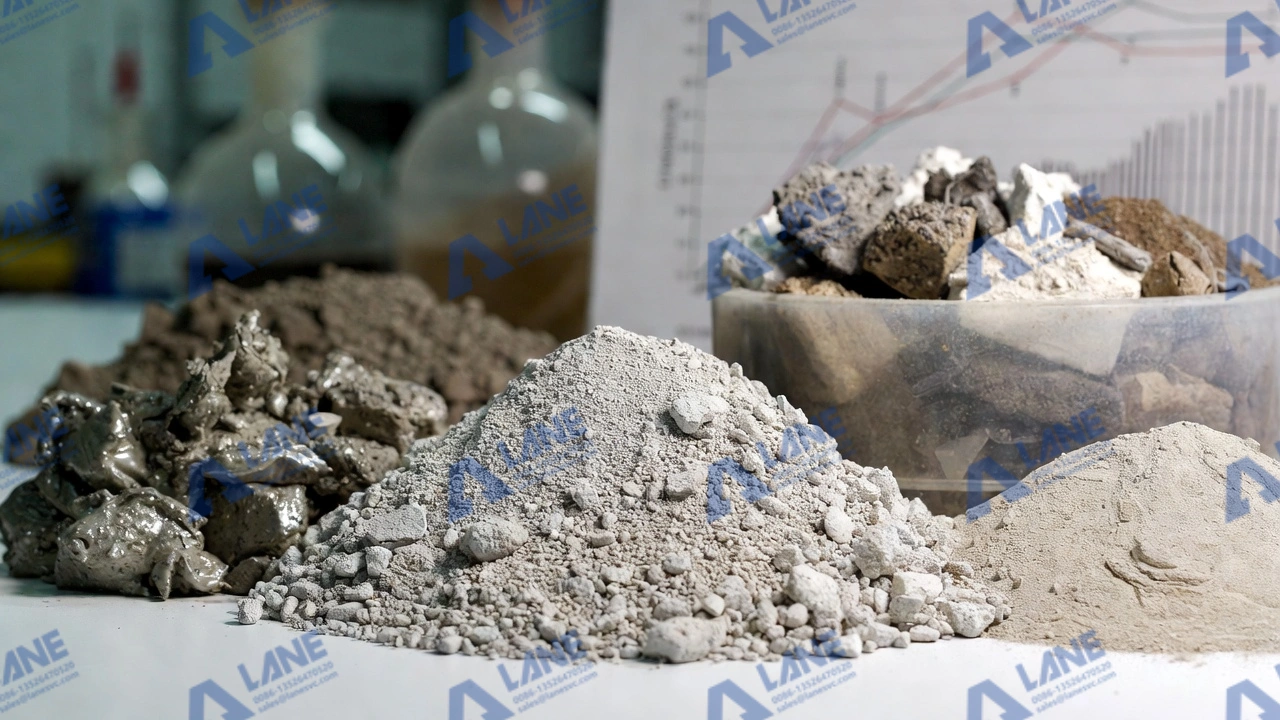
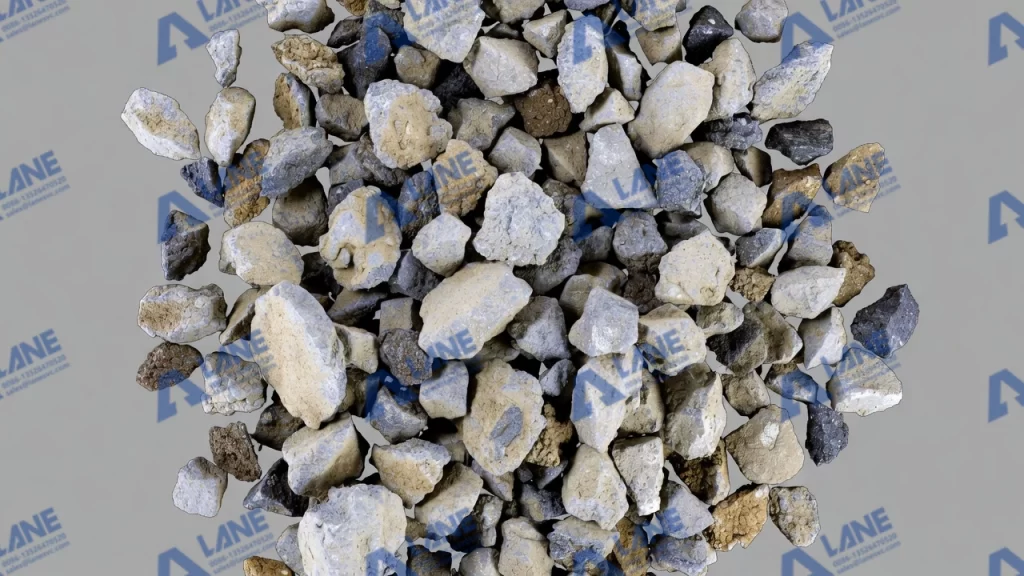
The SSP curing process begins the moment material leaves the den. It is hot, acidic and still reacting—green SSP. During curing, three things happen together: residual free acid neutralizes on unreacted rock, available P₂O₅ rises as conversion continues, and moisture redistributes so the mass firms into a friable, workable product. Sell it too early and the free acid stays high and the P₂O₅ drifts; that is why curing time is a quality parameter, not an idle delay.
How Long Does SSP Need to Cure?
How long the SSP curing process runs varies with the rock, the acid ratio and the weather, and the honest range is wide. A highly reactive rock in a mechanically turned, ventilated shed can cure in two to three weeks, while a less reactive or high-impurity rock under cover can need four to six weeks.
The figures quoted on individual process pages differ—some cite days, some cite weeks—because they describe different rock and methods; treat your own rock’s reactivity as the real number, confirmed by testing rather than assumed at design.
What Drives Curing Time
|
Factor |
Effect on curing | What to control |
| Rock fineness and reactivity | Finer, more reactive rock cures faster |
Mill to spec; test your source |
|
Acid-to-rock ratio |
Imbalance leaves free acid or unreacted rock | Hold ratio in the den |
| Moisture and temperature | Warm, even moisture speeds conversion |
Manage pile height and cover |
|
Turning and airflow |
Mechanical curing cuts weeks |
Use curing conveyor or forced air |
Every factor traces back to conversion efficiency. Over-acidulation leaves free acid to attack bags and equipment; under-acidulation leaves unreacted rock and a low product grade.
Most operators find the sweet spot by testing, and that is exactly what a supplier’s feed variability analysis should establish before you fix the curing design.
SSP Curing Process Equipment: More Than a Floor
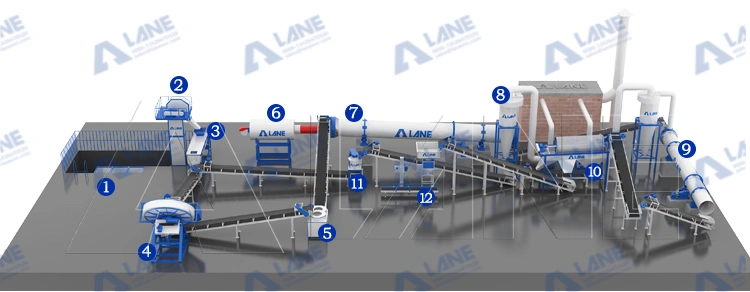
In the SSP curing process, a warehouse, conveyor or pit is not storage—it is process equipment with a job. Open-pile curing under cover runs four to six weeks and needs the least capital. A curing conveyor or a mechanically turned, ventilated system can pull that down to two to three weeks without hurting conversion, at the cost of a more engineered layout. Buyers who treat the curing area as cheap storage almost always rediscover it as the bottleneck.
The Cost Buyers Under-Budget
The SSP curing process costs land, roof, handling and work-in-progress, none of which appear on the equipment quote. The common mistake is sizing the curing floor to the reactor’s peak output for a few days, then watching the line stop because the material is not ready. A line that cures for three weeks must hold about three weeks of green SSP, which changes the building footprint more than any machine in the plant. Budget the WIP, not just the shed.
Common Mistakes with SSP Curing
The first mistake in the SSP curing process is shortening curing to save warehouse space, then facing granulation caking and storage problems that surface weeks later.
The second is over-acidulating to force conversion, which leaves free acid that attacks bags and steelwork.
The third is ignoring turning and airflow on slow rock, so a fast-curing design sits idle at half rate.
Match the curing strategy to your rock’s measured reactivity, and price the floor space from the start.
How to Evaluate a Supplier on Curing
Supplier due diligence on the SSP curing process starts with time. Ask a supplier to state the curing time and layout for your specific rock, not a generic two weeks.
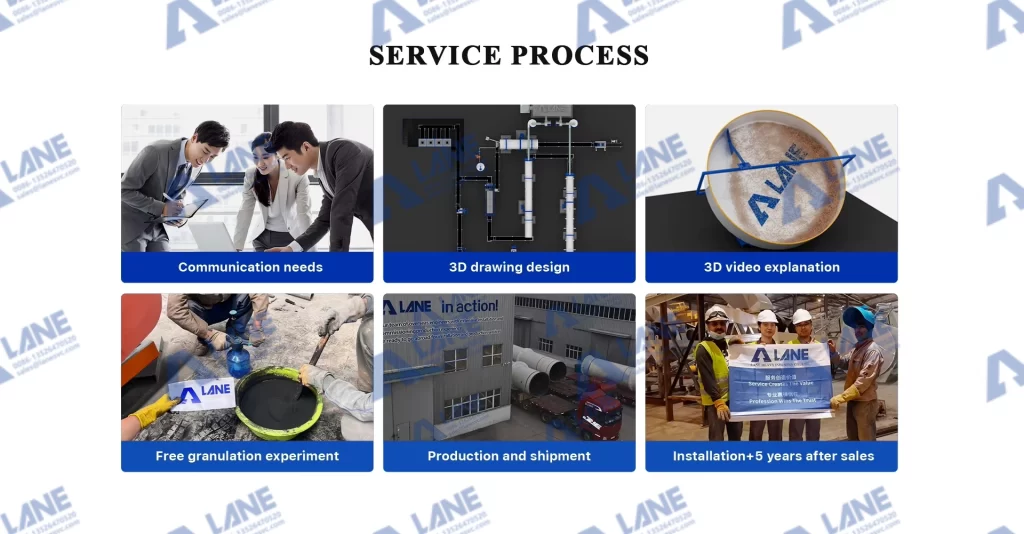
LANE engineers complete turnkey SSP production lines with 3D design, overseas installation and a 5-year warranty, and their configuration includes feed variability analysis so curing is sized to the rock you actually run. A supplier who cannot commit to a curing strategy in writing has not done the chemistry.
FAQ
Can the SSP line cure both powder and granular product?
Yes—curing is upstream of granulation, so the same cured mass can be sold as powder or fed to granulation and drying; only the finishing changes.
How long does SSP actually need to cure before bagging?
Two to four weeks is typical, and less reactive or high-impurity rock can need up to six weeks; confirm with testing rather than assuming.
What curing capacity and delivery do you plan?
Curing is sized to hold about the daily feed times the curing cycle; LANE can quote the shed and conveyor for your tonnage and a delivery timeline.
Does mechanical curing really cut the time?
Yes—a curing conveyor or forced-air, turned system can bring open-pile weeks down to two to three weeks without losing conversion.
Is warranty and customisation covered?
LANE provides a 5-year warranty and overseas installation, and can customise curing layout and capacity to your rock and site.
Before you commit to the SSP curing process, confirm three things with the supplier: the curing time and strategy it sizes for your rock, the floor and WIP capacity it budgets, and the turning or forced-air option you need. IFA tracks global phosphate fertilizer production, and SSP remains a cost-effective phosphorus source where rock is available locally.
LANE supplies CE and ISO 9001 certified SSP equipment, and can lay out the curing stage with your rock analysis. Send your feed details at https://sspfertilizerproductionline.com/ or write to sales@lanesvc.com for a quotation.