SSP vs DAP Fertilizer Which Is Better in Africa & the Middle East: Manufacturers Explain the Real Difference
- 2026-05-11
When buyers across Nigeria, Ethiopia, Saudi Arabia, or Egypt ask me whether SSP vs DAP fertilizer which is better fits their operation, I tell them the same thing every time: the answer depends on what your soil actually needs — not what’s cheapest on paper. That distinction matters more than most people realize and getting it wrong costs producers serious money.
This isn’t a simple ranking. The SSP vs DAP fertilizer which is better question has been debated in agronomy circles for decades, and honestly, both products have earned their place in modern agriculture. What’s changed is who’s asking, and why.
What SSP and DAP Actually Are
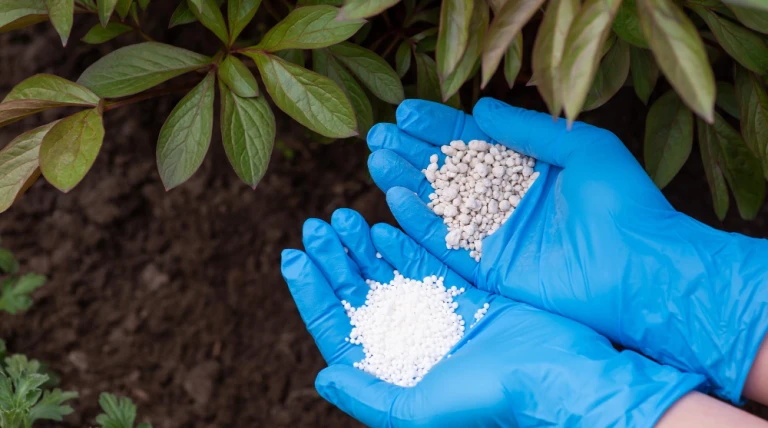
Single superphosphate (SSP) is produced by reacting phosphate rock with sulfuric acid. It contains approximately 16–20% phosphoric acid potassium, as well as calcium and sulfur – nutrients that are often lacking in soils in Africa and the Middle East. DAP, or diammonium phosphate, is a concentrated compound fertilizer that contains around 18% nitrogen and 46% phosphorus. The phosphorus content is indeed higher. But that’s only part of the story.
From what I’ve seen in the field, SSP vs DAP fertilizer performance gaps shift dramatically once you factor in sulfur deficiency — which describes a significant portion of Sub-Saharan Africa and dryland farming zones across the Middle East.
Key Production Equipment: What Goes into Making Each
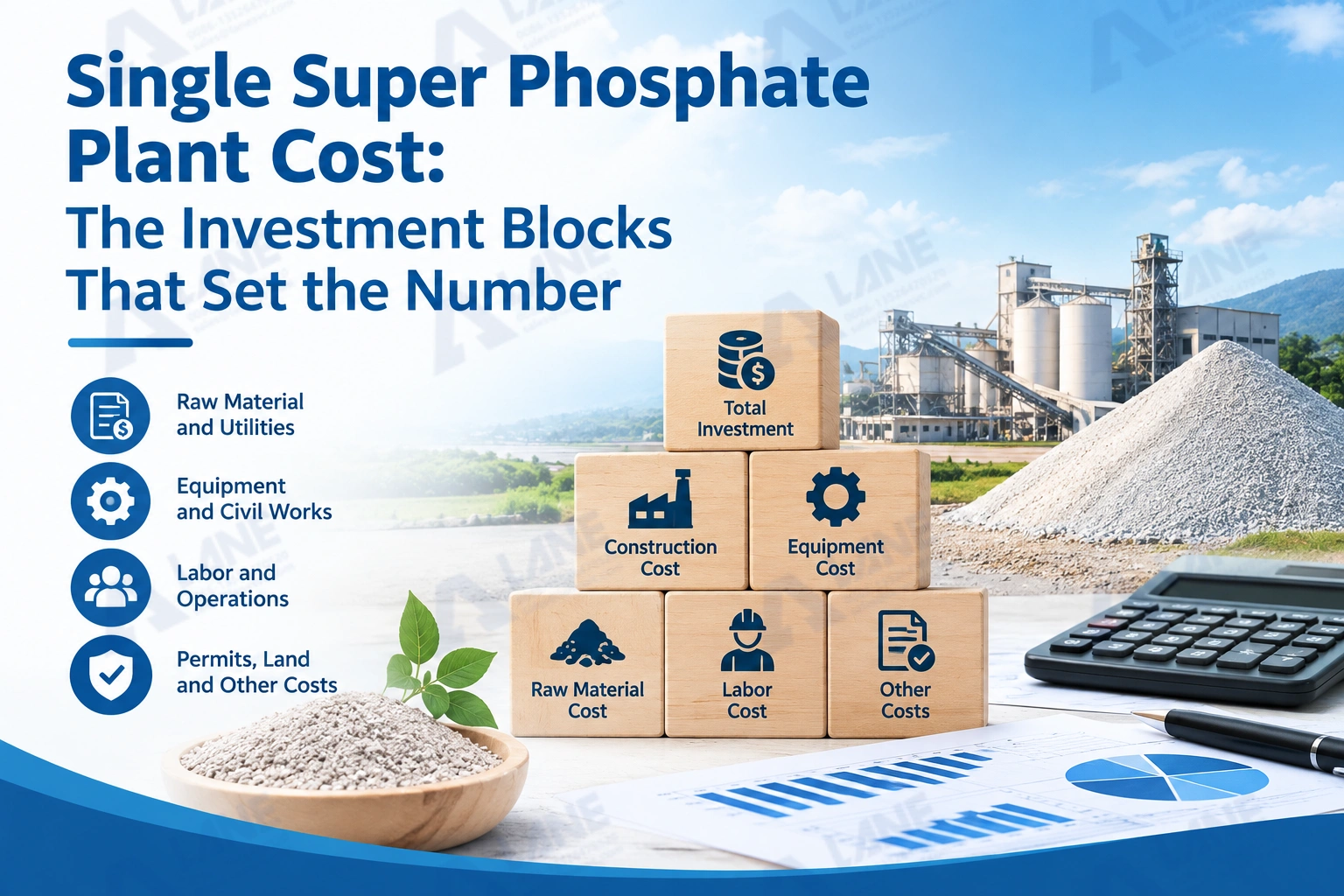
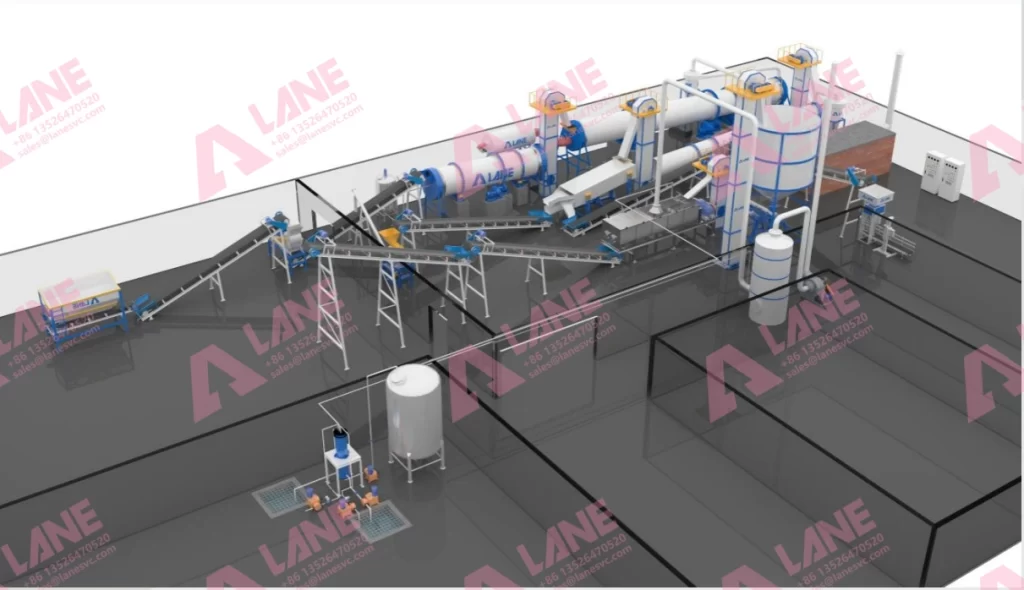
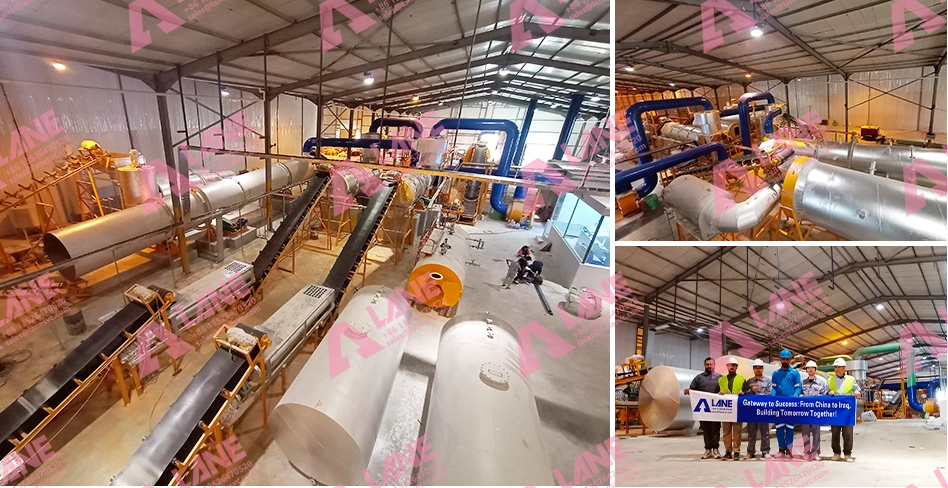
Whether you’re evaluating SSP vs DAP fertilizer from a procurement standpoint or planning your own facility, understanding the equipment involved clarifies cost structure considerably. SSP vs DAP fertilizer production lines differ significantly in complexity and capital requirements.
SSP production line core equipment:
- Acidulation reactor: Where phosphate rock and sulfuric acid react to form single superphosphate — the foundational step
- Raymond mill: Grinds phosphate rock to the required fineness before acidulation
- Double shaft mixer: Blends the cured SSP material uniformly before granulation
- Rotary drum granulator: Shapes the blended material into consistent granules for handling and application
- Rotary drum dryer cooler: Reduces moisture to safe storage levels and lowers product temperature post-drying to prevent caking.
- Vibrating screen: Separates on-spec granules from oversized or undersized particles
- Belt conveyor system: Transfers material between process stages efficiently
- Dust collection system: Controls emissions throughout the production line
- Automatic Packaging Machine: Handles final bagging at the required weight specifications
The production of DAP is more chemically intensive – requiring ammonia sources, phosphoric acid, and sophisticated reaction control. This complexity significantly increases capital expenditures and operational demands.
The Regional Reality: Africa and the Middle East
Let me be direct about something manufacturers don’t always say loudly: for many producers in Africa, SSP is not the budget option. It’s strategically the right product. When we talk about SSP vs DAP fertilizer which is better for regional conditions, soil chemistry has to lead the conversation.
Soil sulfur deficiency is widespread across East Africa, the Sahel, and parts of the Gulf agricultural zones. DAP adds no sulfur whatsoever. Crops grown with SSP on sulfur-deficient soils consistently show yield responses that DAP cannot replicate — because you’re not just feeding phosphorus, you’re correcting a deficiency DAP ignores entirely.
That said, the SSP vs DAP fertilizer which is better answer does shift in high-intensity environments. In areas with well-maintained soils and nitrogen-heavy crop cycles — parts of Saudi Arabia’s oasis agriculture, for example — DAP’s dual N-P delivery genuinely makes agronomic sense.
Cost is the other variable. SSP generally runs lower per ton, but DAP delivers more phosphorus per unit weight. The SSP vs DAP fertilizer cost comparison looks very different once sulfur correction is priced into the equation — something many procurement managers overlook entirely.
What Manufacturers Are Saying
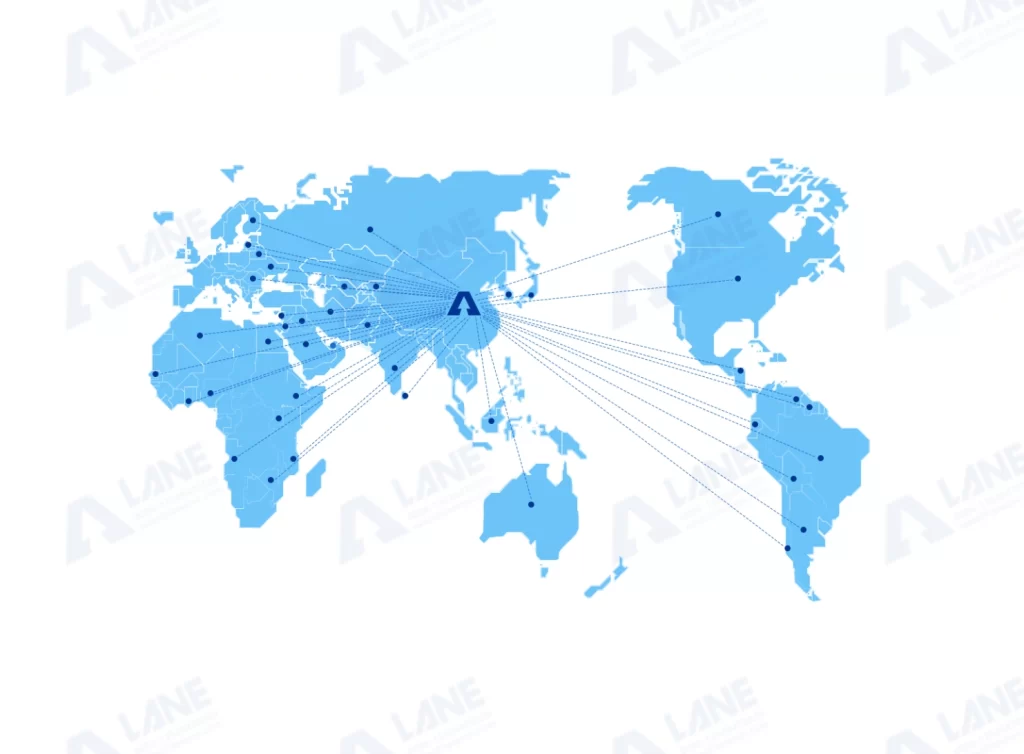
Companies like LANE, which supply large-scale fertilizer production equipment to markets in Africa and the Middle East, report a significant increase in the number of applications for SSP plants over the past few years, particularly from Nigeria, Ethiopia, and Egypt. Local SSP production has become increasingly attractive given the availability of phosphate ore domestically and the fluctuating costs of importing DAP.
The SSP vs DAP fertilizer which is better debate isn’t just agronomic. It’s about supply chain resilience, raw material access, and long-term production economics. Producers who’ve done the full analysis consistently find that SSP vs DAP fertilizer decisions cannot be made on phosphorus content alone.
Summary and Final Recommendation
Neither product wins outright. The real answer depends on your soil chemistry, crop type, available inputs, and regional supply chain reality.
For sulfur-deficient soils across much of Africa — SSP is the agronomically sound choice. For nitrogen-phosphorus dual needs in high-intensity systems — DAP earns its price. And if you’re considering local production, SSP’s simpler process and lower capital requirements make it the more accessible starting point. That’s the SSP vs DAP fertilizer which is better answer manufacturers have been giving for years.
FAQ
Q1: Is SSP or DAP better for African soil conditions?
For most African soils — particularly across East Africa and the Sahel — SSP is the stronger agronomic choice. Its sulfur content addresses a widespread deficiency that DAP does not treat. In this context, SSP vs DAP fertilizer which is better leans clearly toward SSP.
Q2: Why does DAP cost more than SSP per ton?
DAP requires more complex production chemistry, including phosphoric acid processing and ammonia integration. Per unit of phosphorus, however, the SSP vs DAP fertilizer price gap narrows considerably.
Q3: Can SSP and DAP be used together?
Yes. Many agronomists recommend blended programs where SSP supplies sulfur and calcium while DAP contributes the nitrogen-phosphorus ratio required during early crop establishment. This is increasingly common in Middle Eastern commercial farming.
Q4: What is the SSP vs DAP fertilizer which is better choice for a new production facility?
For new facilities in Africa or the Middle East, SSP production is generally more accessible. Lower capital requirements, simpler process equipment, and locally sourced phosphate rock all favor SSP as a first production line investment.
Q5: Is domestic SSP production economically viable in Nigeria or Ethiopia?
Increasingly, yes. Both countries have phosphate rock deposits, and the economics of domestic SSP production have improved as DAP import prices fluctuated. Several manufacturers are actively supplying SSP vs DAP fertilizer production lines to both markets.
Q6: What phosphorus content should buyers expect from SSP vs DAP?
SSP contains roughly 16–20% P₂O₅ alongside sulfur and calcium. DAP contains approximately 46% P₂O₅ and 18% nitrogen. The higher phosphorus concentration in DAP does not automatically make it the better investment — soil nutrient needs and cost-per-hectare must both be factored in.
For more details, please feel free to contact us.
Henan Lane Heavy Industry Machinery Technology Co., Ltd.
Email: sales@lanesvc.com
Contact number: +86 13526470520
Whatsapp: +86 13526470520