SSP for Oil Palm: Uses, Benefits & Buyer Guide
- 2026-11-05
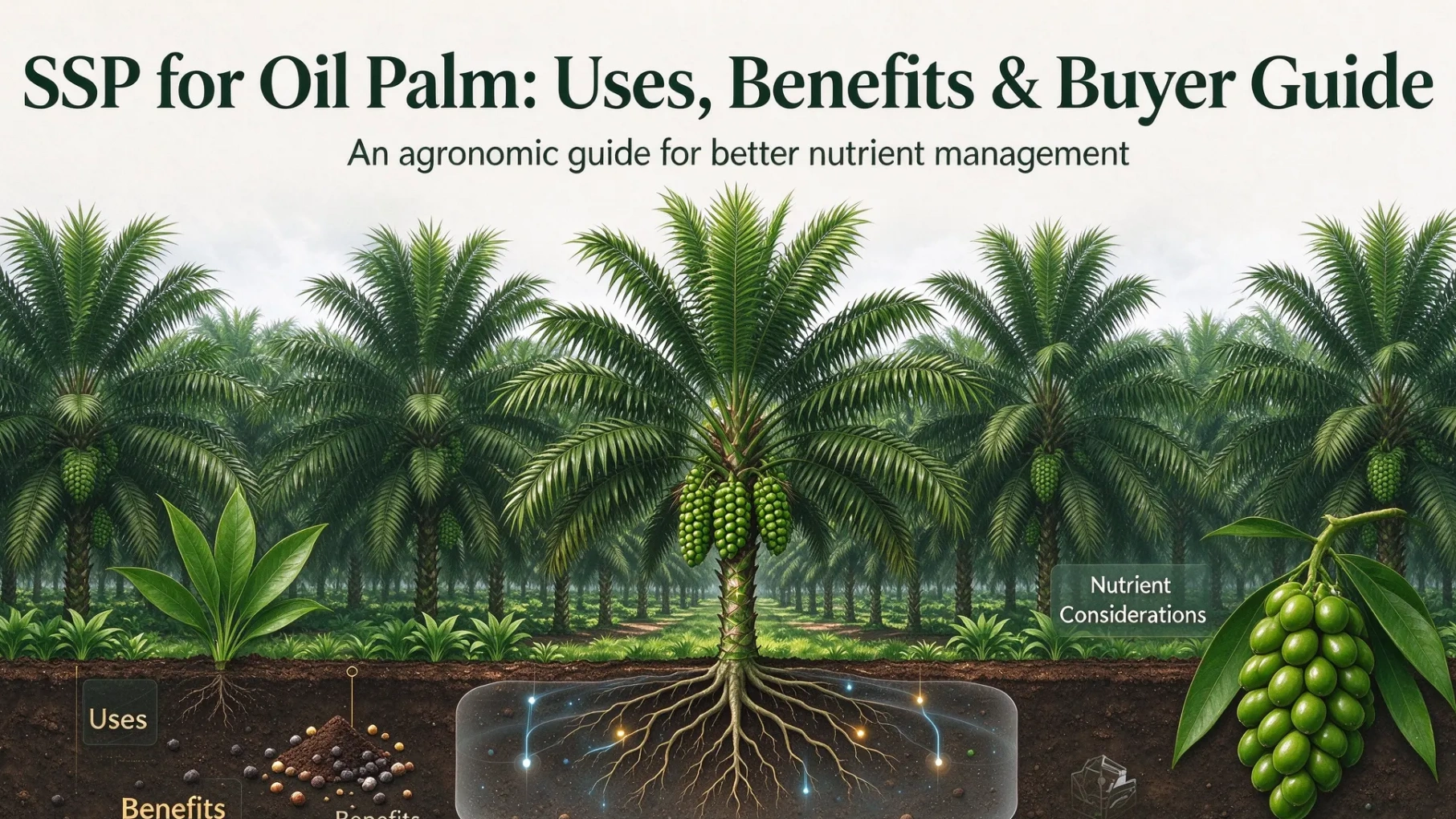
SSP for oil palm is a phosphorus fertilizer option worth evaluating in plantations where soil conditions indicate a need for phosphorus, sulfur, and calcium. Single superphosphate (SSP) supplies water-soluble phosphate together with calcium sulfate, making it different from concentrated phosphate fertilizers that mainly focus on phosphorus. For oil palm growers, fertilizer distributors, and plantation input buyers, its value depends on soil fertility, palm age, nutrient diagnosis, and the cost of alternative phosphorus sources.
However, oil palm does not need the same fertilizer balance as every other crop. Nitrogen and potassium are major nutrient requirements, while phosphorus application is generally more site-specific. SSP for oil palm should therefore be selected based on field evidence, not simply because it contains several nutrients. This guide explains its agronomic role, product specifications, application considerations, and the equipment requirements for manufacturers planning an SSP production project.
1. Why Should Oil Palm Growers Consider SSP?
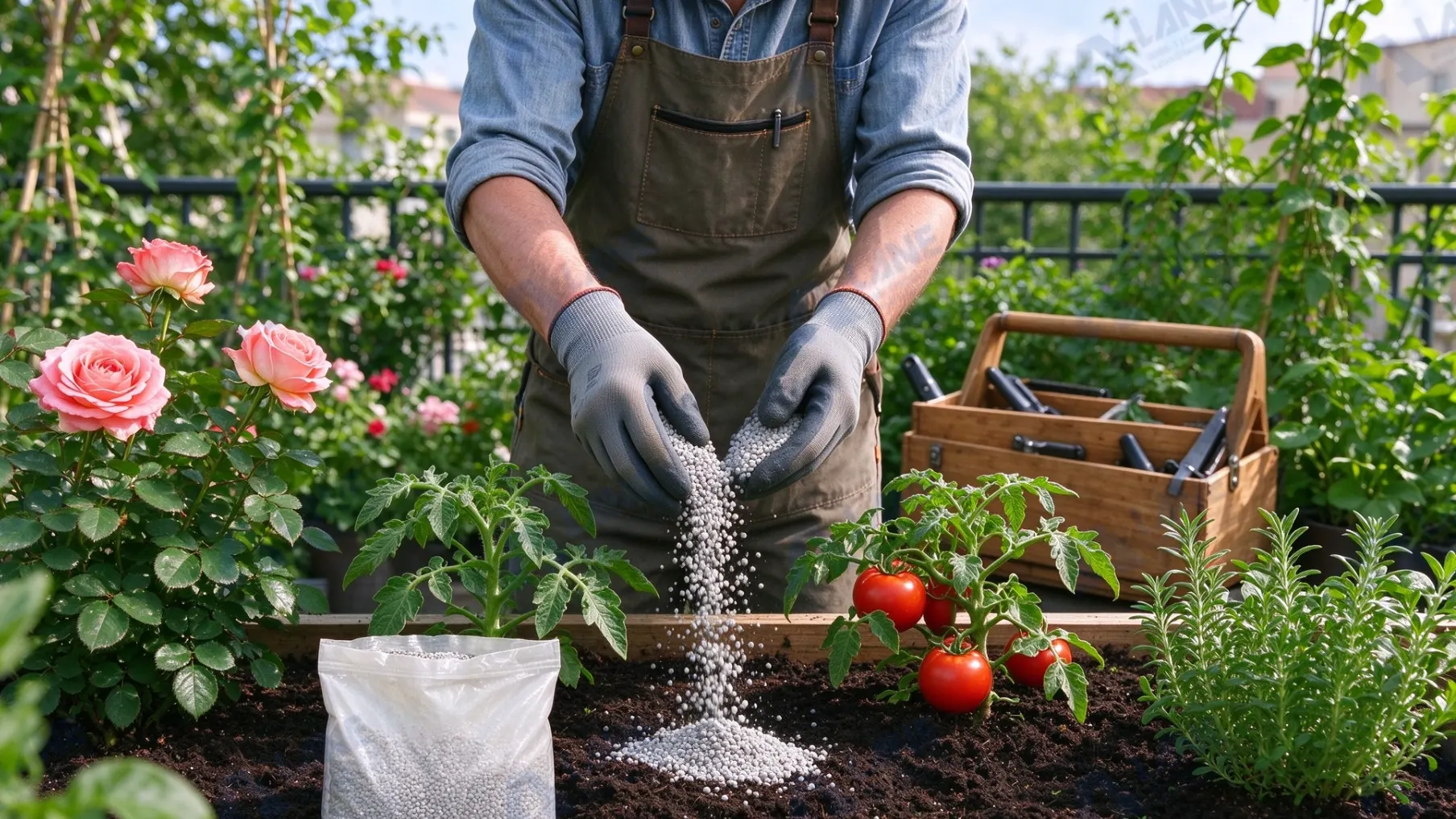
The main reason to consider SSP for oil palm is its combined supply of phosphorus, sulfur, and calcium.
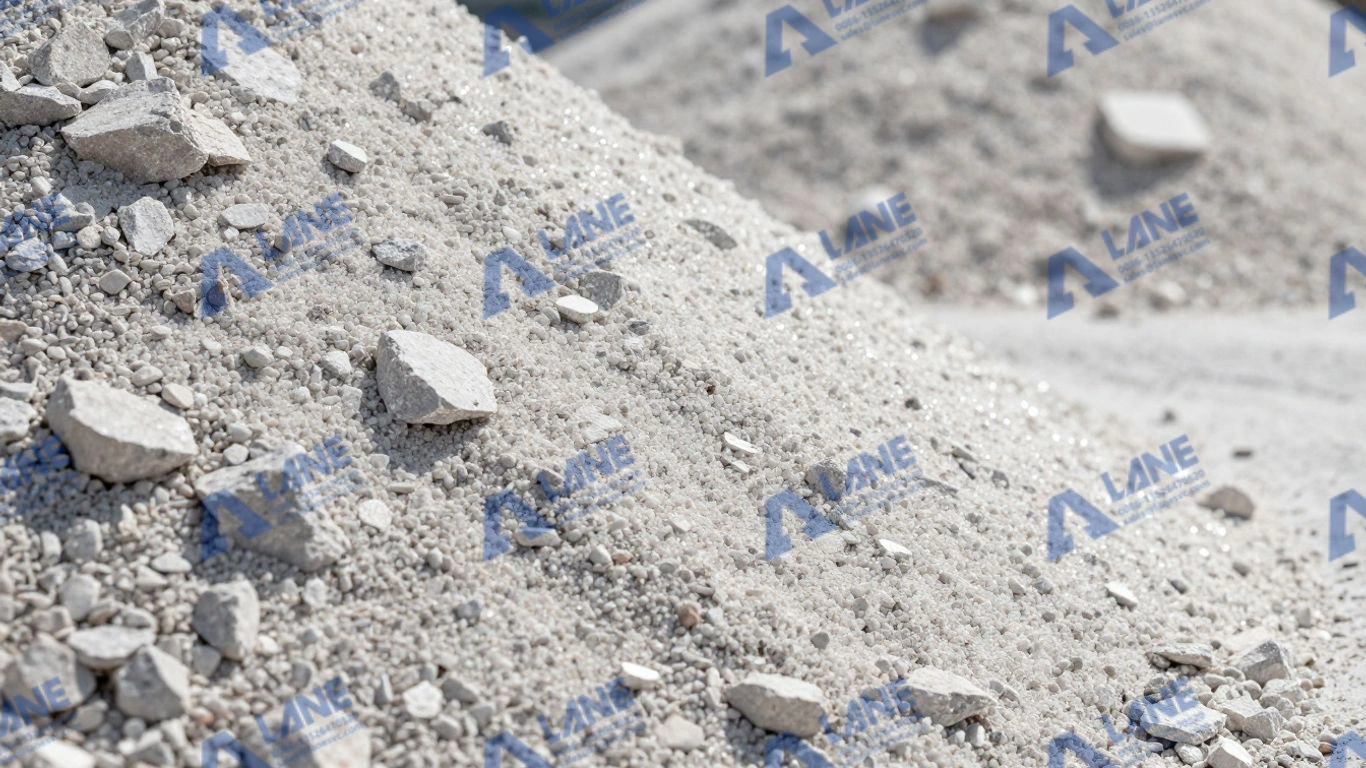
SSP is manufactured by reacting finely ground phosphate rock with sulfuric acid. The reaction produces monocalcium phosphate and calcium sulfate (gypsum). The phosphate fraction supplies plant-available phosphorus, while the gypsum contributes calcium and sulfate sulfur.
These nutrients have different functions:
- Phosphorus (P): Supports energy transfer, root development, and normal plant growth. It is particularly important during establishment and early development.
- Sulfur (S): Participates in protein synthesis and enzyme activity. Sulfur deficiency can restrict plant growth and nutrient-use efficiency.
- Calcium (Ca): Supports cell wall structure, root development, and normal plant tissue formation.
The Malaysian Palm Oil Board (MPOB) notes that phosphorus fertilizer is generally applied in smaller quantities than nitrogen and potassium in oil palm plantations, although P requirements can increase in new planting areas with inherently low soil phosphorus.
This is an important distinction for buyers. SSP for oil palm is not a replacement for a complete NPK program. It is a phosphorus source that also contributes sulfur and calcium. If the plantation already has sufficient phosphorus, applying more SSP may add cost without delivering a meaningful yield response.
2. When Is SSP Suitable for Oil Palm Plantations?
SSP for oil palm is most relevant when soil or leaf analysis indicates that additional phosphorus is required and the product’s sulfur and calcium contribution is also useful.
The suitability of SSP varies across plantation conditions.
Newly planted and immature palms: Young palms need nutrients to establish their root systems and develop vegetative growth. A suitable phosphorus source may be included in the fertilizer program, but the rate should be based on local recommendations and soil conditions.
Mature, bearing palms: Mature palms have different nutrient demands from young palms. Their fertilizer program must account for fruit bunch production, nutrient removal, soil reserves, and leaf analysis. SSP should not be applied automatically every season.
Phosphorus-deficient soils: Where available soil phosphorus is low, a soluble phosphorus source may be considered. The actual choice between SSP, phosphate rock, MAP, or another source depends on soil chemistry and local field results.
Research and technical guidance from MPOB emphasize that fertilizer recommendations should account for soil type and palm conditions rather than relying on one fixed rate for all plantations.
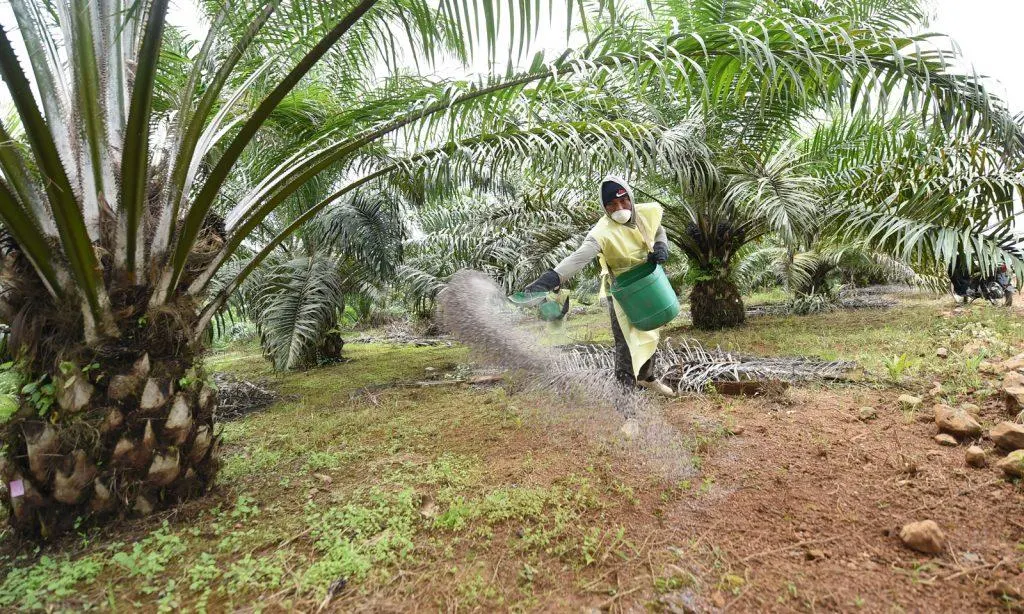
Practical judgment: Do not market SSP for oil palm as a universal solution for poor growth. Yellowing, weak growth, and low fruit production can have several causes, including nitrogen, potassium, magnesium, or water-management problems. Confirm phosphorus deficiency before recommending additional phosphate fertilizer.
3. What Nutrient Specifications Should Buyers Check?
Not all SSP products have identical nutrient guarantees. Buyers should request a technical data sheet and confirm the actual available P₂O₅, sulfur, moisture, and particle-size distribution.
Commercial SSP is commonly sold in grades around 16%–20% P₂O₅, although actual specifications depend on raw material quality and manufacturing conditions. The nutrient guarantee should always be verified rather than assumed.
| Product Parameter | What Buyers Should Check | Why It Matters for Oil Palm Markets |
|---|---|---|
| Total P₂O₅ | Guaranteed nutrient percentage | Shows the overall phosphate content |
| Water-Soluble P₂O₅ | Actual laboratory result | Helps assess the soluble phosphate fraction |
| Sulfur (S) | Guaranteed sulfur content | Relevant where sulfur supply is also required |
| Calcium (Ca) | Declared calcium content | Helps buyers understand the additional nutrient contribution |
| Moisture | Product-specific maximum | Affects storage stability and caking |
| Particle Size | Powder fineness or granular size distribution | Influences handling, blending, and field application |
| Free Acid | Confirm the agreed product specification | Relevant to product quality and handling |
What should buyers avoid? Comparing SSP products only by their total P₂O₅ percentage. Two products with similar total phosphate can differ in water-soluble phosphate, moisture, and physical quality. These differences affect product positioning and customer acceptance.
For a fertilizer manufacturer, consistent product specifications are also essential when supplying distributors who sell SSP for oil palm across different plantation regions.
4. Granular or Powdered SSP: Which Product Form Fits Oil Palm Markets?
The choice between granular and powdered SSP depends mainly on the customer’s handling and application system.
Granular SSP is often easier to handle in bulk distribution and mechanical fertilizer application. More uniform particle size can also help reduce segregation when the product is blended with other granular fertilizers.
Powdered SSP may be suitable for markets that use powder-based fertilizer blending or have established systems for handling fine fertilizers. However, dust control, storage, and material flow require more attention.
| Comparison | Granular SSP | Powdered SSP |
|---|---|---|
| Handling | Generally easier for bulk handling | More dust and handling considerations |
| Application | Suitable for many mechanical spreading systems | Depends on local application equipment |
| Storage | Physical stability depends on moisture and granule quality | Requires careful moisture and dust management |
| Production Route | Requires granulation and usually additional finishing equipment | Can bypass the granulation section |
| Investment | Higher equipment and utility requirements | Generally simpler finishing configuration |
For commercial SSP for oil palm markets, granular material may be attractive where plantations and distributors use mechanical spreading or bulk fertilizer logistics. But manufacturers should confirm local customer preferences before investing in granulation equipment.
5. How Should SSP Be Applied in Oil Palm Plantations?
There is no single application rate that fits every oil palm plantation. The correct SSP application rate depends on soil phosphorus status, palm age, leaf nutrient analysis, yield target, and the nutrient contribution from other fertilizers.
Three factors deserve particular attention:
1. Soil and leaf analysis
Soil testing helps identify available phosphorus and other nutrient limitations. Leaf analysis provides additional information about the nutritional status of the palm. MPOB’s foliar diagnosis system uses leaf nutrient data, including analysis of frond 17, to help adjust fertilizer recommendations for mature oil palms.
2. Palm age and root development
Young and mature palms should not automatically receive the same fertilizer program. Nutrient placement should reflect the developing root system and the plantation’s field-management practices.
3. Rainfall and soil conditions
Heavy rainfall can increase nutrient movement and runoff risk, particularly on sloping land or poorly managed plantation surfaces. Application timing and placement should therefore be adapted to local rainfall patterns and soil properties.
The Tamil Nadu Agricultural University oil palm guidance describes split fertilizer applications and placement around the palm, while also emphasizing that recommendations depend on local growing conditions. These figures should not be transferred directly to plantations in other countries without local agronomic validation.
6. SSP vs. Other Phosphorus Fertilizers: What Should Buyers Compare?
SSP is not the only phosphorus source available to oil palm producers. The alternatives have different nutrient concentrations, chemical properties, and market costs.
| Fertilizer | Main Characteristics | Considerations for Oil Palm |
|---|---|---|
| SSP | Supplies phosphorus, sulfur, and calcium | Useful when these nutrients are jointly required |
| Rock Phosphate | Relatively low-cost phosphate source in some markets | Effectiveness depends strongly on soil acidity and rock reactivity |
| MAP | Concentrated phosphate source that also supplies nitrogen | Useful when both nutrients are required |
| DAP | Concentrated phosphate source with nitrogen | Consider the nitrogen contribution in the overall fertilizer plan |
| TSP | Concentrated phosphate source | Supplies phosphorus but does not provide SSP’s sulfate contribution |
MPOB has published research comparing reactive phosphate fertilizers for young oil palm on inland soils. This reinforces an important buying principle: the agronomic performance of phosphate sources should be evaluated under the actual soil conditions rather than assumed from nutrient concentration alone.
For fertilizer distributors, SSP for oil palm can occupy a useful position in markets where sulfur-containing phosphate products are needed. For plantation managers, however, the final choice should be based on nutrient requirements and cost per unit of useful nutrient.
7. What Equipment Is Needed to Manufacture SSP for Oil Palm Markets?
For manufacturers planning to supply SSP for oil palm, the production line must deliver consistent chemical quality and physical product characteristics. The required configuration depends on whether the target product is powdered SSP or granular SSP.
A typical SSP production process includes the following stages:
- Phosphate rock crushing and grinding: Reduces the raw material to the required particle size for acidulation.
- Sulfuric acid storage and dosing: Controls acid supply and feed consistency.
- Mixing and acidulation: Combines phosphate rock and sulfuric acid in the reaction mixer.
- Denning and curing: Allows the reaction to proceed and the product to mature.
- Crushing and conditioning: Breaks down cured material and prepares it for further processing.
- Granulation (optional): Forms granules when granular SSP is required.
- Drying, cooling, and screening: Controls final moisture, temperature, and particle-size distribution.
- Packaging: Weighs and packs the finished product.
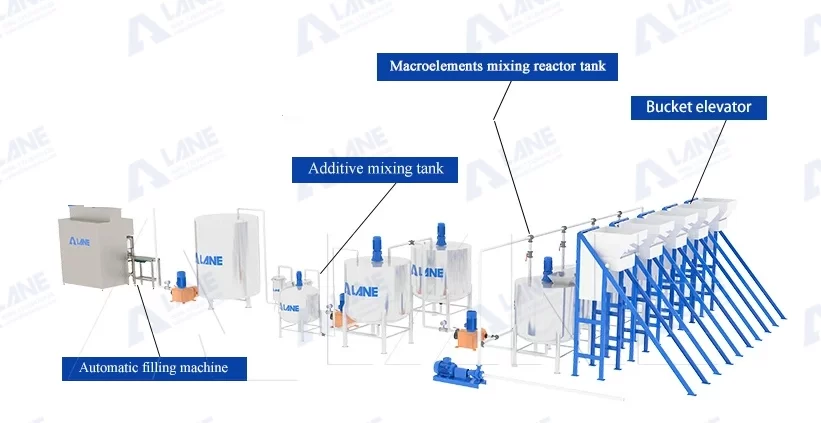
The SSP production process described by LANE includes raw material preparation, acidulation, curing, and optional granulation and finishing stages. Its equipment information also highlights the importance of dust and gas treatment as part of the plant configuration.
You can review the SSP fertilizer production line to understand the available process and equipment options.
8. What Should Investors Check Before Buying an SSP Production Line?
A plant designed for the oil palm fertilizer market should begin with a clear product specification and sales plan, not a machine list.
Before requesting a quotation, buyers should confirm the following:
- Target product grade: What P₂O₅ and sulfur guarantees will the market require?
- Product form: Will customers purchase powdered SSP, granular SSP, or both?
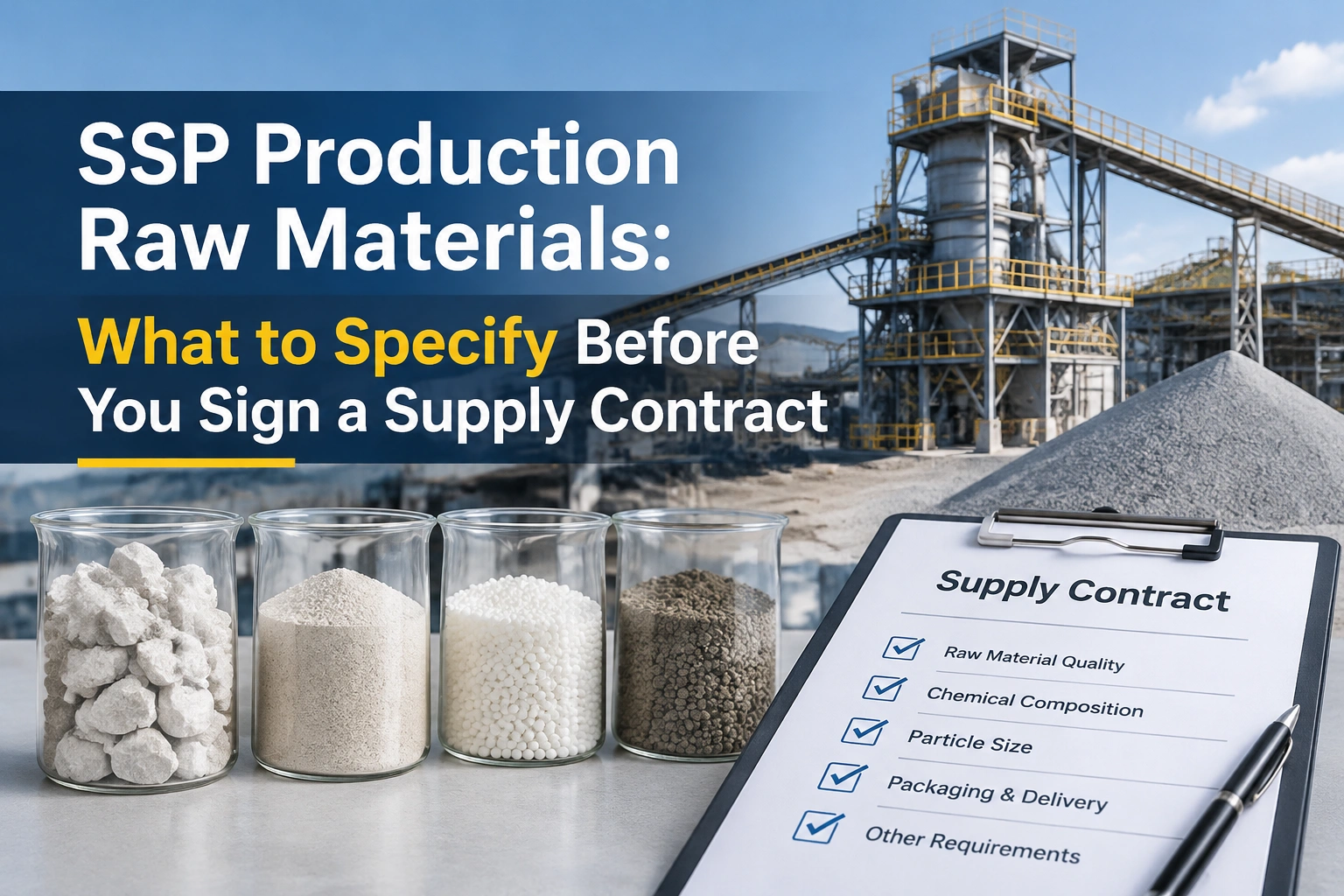
- Raw material quality: What are the phosphate rock grade, impurities, moisture, and grinding characteristics?
- Production capacity: Is the quoted capacity based on raw material feed or finished SSP output?
- Acid consumption: What sulfuric acid concentration and consumption basis are used in the process design?
- Environmental protection: Does the design include suitable dust collection and fluoride-bearing gas scrubbing?
- Corrosion protection: Are the mixer, acid pipelines, tanks, and gas-treatment equipment suitable for their chemical service?
- Performance testing: What product quality, throughput, and operating conditions will be included in the acceptance test?
One frequently underestimated cost is the curing and storage section. The reaction does not end simply because material leaves the mixer. If the curing area is undersized, it can restrict production even when the grinding and mixing equipment has spare capacity.
Another common mistake is buying a granulator before confirming the quality of cured SSP. Granulation cannot compensate for inconsistent upstream acidulation or poorly conditioned material.
For broader equipment and project information, visit Fertilizer Industry Leader or LANE Machinery.
9. FAQ: Common Questions About SSP for Oil Palm
1. Is SSP suitable for oil palm?
Yes, SSP can be suitable where additional phosphorus is required and its sulfur and calcium contribution is also useful. The decision should be supported by soil and leaf analysis.
2. Does SSP improve oil palm yield?
SSP may support growth and yield when phosphorus deficiency is limiting production. It cannot guarantee higher yields when other factors, such as potassium deficiency, water stress, or poor plantation management, are responsible.
3. Can SSP be used for young oil palm trees?
Yes, it can be considered as a phosphorus source during the immature stage. The application rate and placement should follow local recommendations and soil conditions.
4. Is SSP better than rock phosphate for oil palm?
Not universally. Rock phosphate performance depends on its reactivity and soil acidity, while SSP supplies a more readily available phosphate fraction. Local field conditions determine the more suitable option.
5. Does SSP provide enough nutrients for oil palm?
No. SSP does not provide a complete NPK nutrient program. Nitrogen, potassium, magnesium, and other nutrients may need to be supplied separately.
6. What is the difference between granular and powdered SSP?
Granular SSP is generally easier to handle and mechanically spread, while powdered SSP may suit certain blending and local application systems. The preferred form depends on customer requirements.
7. What is the main raw material for SSP production?
The main raw materials are phosphate rock and sulfuric acid. Their quality and characteristics influence acid consumption, reaction performance, and final product specifications.
8. What equipment is required for an SSP production plant?
A typical plant requires crushing and grinding equipment, acid storage and dosing, a reaction mixer, a den conveyor, curing facilities, and finishing equipment. Granular SSP production also requires granulation, drying, cooling, and screening systems.
Conclusion
SSP for oil palm is a market-specific phosphate fertilizer option, not a universal plantation fertilizer. Its commercial value comes from supplying phosphorus alongside sulfur and calcium, particularly where soil conditions and nutrient diagnosis support the need for these elements.
For plantation managers, the priority is to confirm nutrient requirements through soil and leaf analysis before selecting a phosphate source. For fertilizer manufacturers and investors, the priority is to define the target grade, product form, raw material quality, and production capacity before choosing equipment.
If you are planning an SSP production project for oil palm fertilizer markets, share your target output, phosphate rock analysis, required P₂O₅ grade, and preferred product form with LANE. The team can then assess a suitable SSP fertilizer production line configuration and provide a project-specific equipment proposal.
For readers who want to understand the broader agronomic value and limitations of SSP, see our related guide: Is Single Superphosphate Good for Plants?.

For more details, please feel free to contact us.
Henan Lane Heavy Industry Machinery Technology Co., Ltd.
Email: sales@lanesvc.com
Contact number: +86 13526470520
Whatsapp: +86 13526470520