The SSP Fertilizer Manufacturing Process Step by Step — From Phosphate Rock to Finished Granules
- 2026-04-29
There’s a moment in every SSP fertilizer plant commissioning when the first batch of finished granules rolls off the cooling line — and honestly, after years of watching that happen across different operations, it never gets old. But getting to that point requires understanding each stage of production with genuine clarity. The SSP fertilizer manufacturing process step by step isn’t complicated once you break it down, but the details matter enormously. Small missteps in equipment selection or process sequencing can cost producers weeks of downtime and significant capital.
If you’re evaluating a new SSP fertilizer plant or optimizing an existing one, understanding the SSP fertilizer manufacturing process step by step gives you a real operational edge. This article walks through every stage — from raw phosphate rock to market-ready bagged granules.
What Is SSP and Why Does the Sequence Matter?
Single superphosphate (SSP) is one of the oldest commercial phosphate fertilizers — and still one of the most widely used, particularly in price-sensitive emerging markets. It’s produced by reacting ground phosphate rock with sulfuric acid, yielding a product containing approximately 16–20% available P₂O₅ alongside calcium sulfate.
The reason sequence matters is chemistry. Each stage creates conditions for the next. Rush the acidulation and you compromise P₂O₅ availability. Skip proper curing and the product degrades in storage. Every step in the SSP fertilizer manufacturing process step by step depends on the one before it being executed correctly.
Stage 1: Phosphate Rock Preparation
Everything starts with raw material quality and particle size. Phosphate rock — typically BPL grade 65–75% — must be ground fine enough to maximize acid contact surface area. In my experience, most efficient operations target 80–90% passing through a 100-mesh screen.
Core equipment at this stage:
- Phosphate Rock Ball Mill— primary grinding for high-hardness ores; suitable for large-scale continuous output
- Raymond Mill— widely used for medium-scale phosphate grinding; lower energy consumption per ton
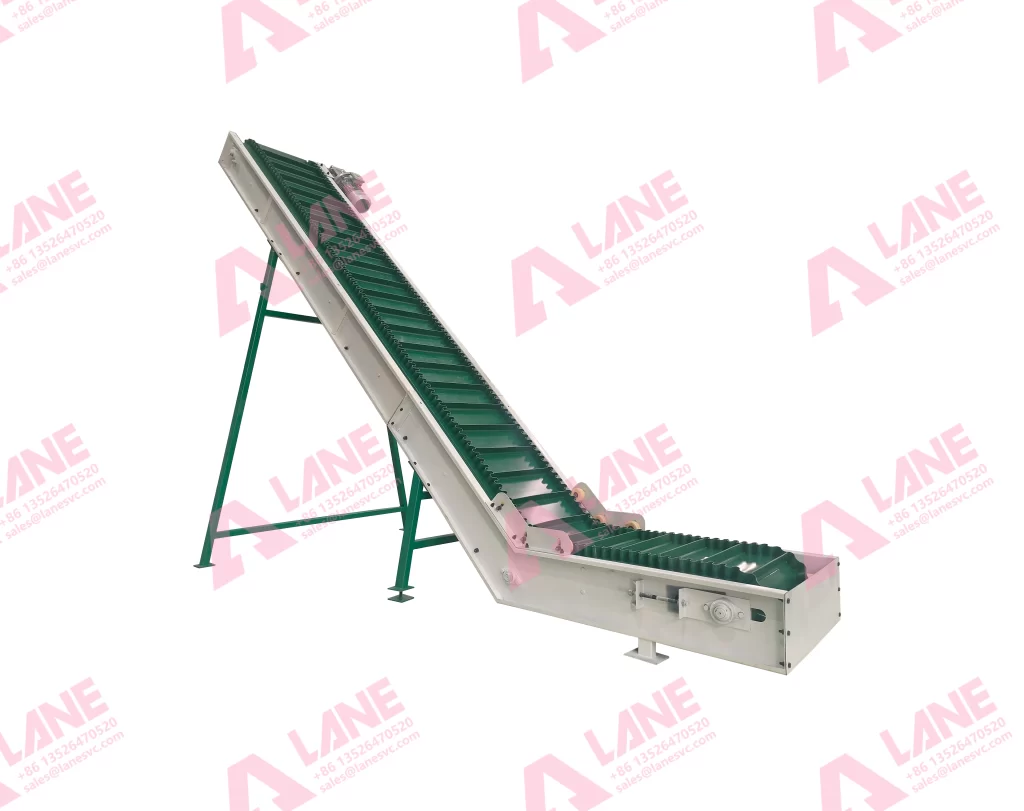
- Belt Conveyor System— transfers ground material between stages with minimal contamination risk
Stage 2: Acidulation — The Heart of SSP Production
This is where the chemistry actually happens. Ground phosphate rock is mixed with dilute sulfuric acid (typically 68–70% concentration) inside a reaction vessel. The exothermic reaction produces a semi-solid slurry called “den mix” — hot, fuming, and chemically active.
To be honest, this is the stage where inexperienced operators run into the most trouble. The acid-to-rock ratio needs tight control. Too much acid and you get free acid in the final product. Too little, and conversion is incomplete.
Core equipment at this stage:
- Acidulation Reactor (Den Reactor)— the primary reaction vessel; designed for continuous or batch acidulation with precise flow control
- Double Shaft Mixer— ensures thorough blending of acid and rock during the early reaction phase
- Bag Filter / Cyclone Separator— captures fluorine-bearing fumes generated during acidulation, critical for environmental compliance
Stage 3: Curing
After the initial reaction, the den mix transfers to a curing building — essentially a large, covered storage area — where it rests for 18 to 24 hours. Available P₂O₅ levels actually increase during curing as unreacted compounds continue converting. Don’t skip this. From what I’ve seen in the field, operations that rush curing almost always report reduced product quality within a few production cycles. This is one of the most common mistakes made by producers who are new to the SSP fertilizer manufacturing process step by step.
Core equipment at this stage:
- SSP Curing Building— temperature-controlled or ambient structure; ensures complete conversion before granulation
Stage 4: Granulation
Cured SSP material is powdery and difficult to handle commercially. Granulation converts it into uniform, dust-free granules that are far easier to bag, transport, and spread. The granulation stage is where a well-designed SSP fertilizer plant truly shows its value — poorly sized equipment here creates bottlenecks that slow the entire line.
Core equipment at this stage:
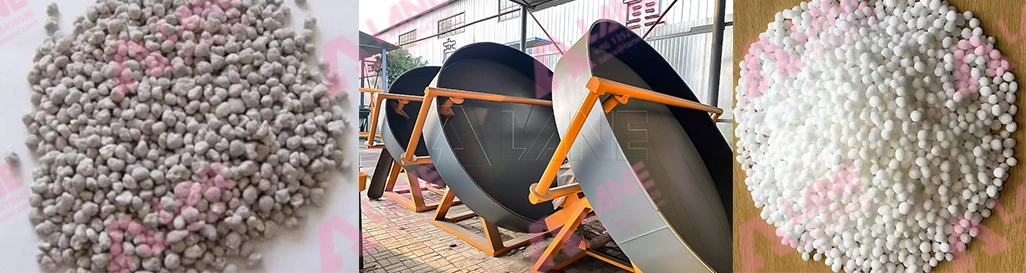
- Rotary Drum Granulator— industry-standard for high-volume SSP granulation; excellent for achieving uniform 2–4mm granule size
- Disc Granulator— preferred for smaller-scale or flexible production lines; easier to adjust granule size quickly
Stage 5: Drying, Cooling, and Screening
Freshly granulated SSP carries 8–12% moisture. That needs to come down to 3–5% before bagging, or the product cakes in storage. Any SSP fertilizer plant that underinvests in drying capacity pays for it in product returns and customer complaints.
Core equipment at this stage:
- Rotary Drum Dryer and Cooler— Reduces moisture and cools granules to ensure product stability and prevent degradation.
- Vibrating Screen— separates on-spec granules from oversized and undersized material; fines recycle to granulation
Stage 6: Bagging and Dispatch
Final product enters the packaging line. Weight accuracy and seal integrity matter for commercial credibility and shipping compliance.
Core equipment at this stage:
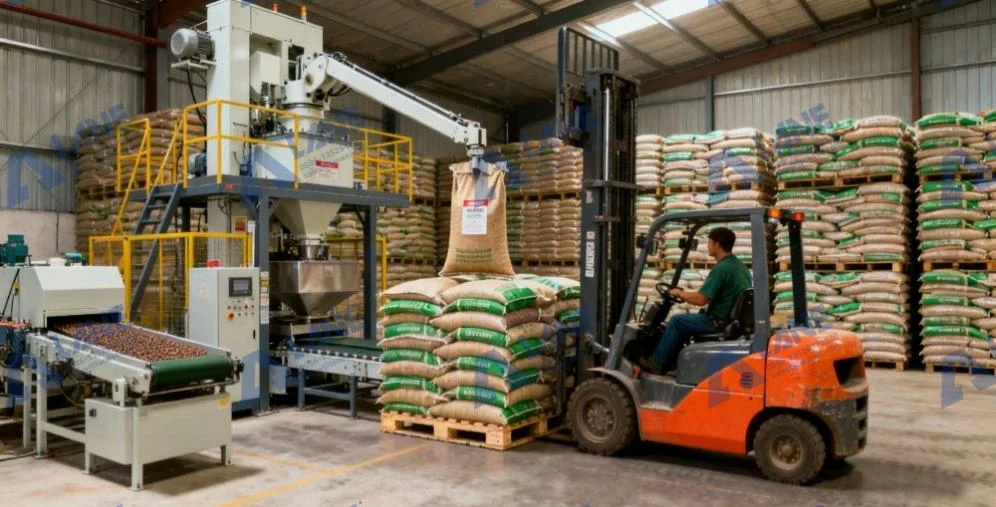
- Automatic Packaging Machine— handles 25kg, 50kg, or bulk bag formats; integrated weighing systems minimize variance
What Experienced Operators Know That Manuals Don’t Say
Let me tell you something most production guides leave out: the SSP fertilizer manufacturing process step by step looks clean on a flowchart, but real-world operations demand constant monitoring at acidulation and curing stages specifically. Humidity, rock grade variability, and acid concentration fluctuations all interact in ways no static diagram captures. Equipment suppliers like LANE — a large-scale fertilizer production equipment manufacturer — often provide process optimization support alongside equipment supply, and that’s worth factoring into your procurement decisions early.
Don’t underspecify your fume treatment system either. Fluorine emissions are a regulatory pressure point globally, and retrofitting a proper Bag Filter post-commissioning is expensive. Build it in from day one.
Summary and CTA
Mastering the SSP fertilizer manufacturing process step by step — from phosphate rock grinding through acidulation, curing, granulation, drying, cooling, screening, and bagging — is what separates consistently profitable producers from ones that struggle with yield and quality. Whether you’re building a greenfield SSP fertilizer plant or scaling an existing line, the process fundamentals don’t change. A clear understanding of each stage, combined with the right equipment choices, is what makes the difference.
If you want expert guidance on equipment configuration for your specific production scale and budget, reach out to LANE’s engineering team for a tailored SSP fertilizer plant consultation. Getting the process design right before construction begins is the highest-value decision you’ll make.
FAQ
Q1: What raw materials does the SSP fertilizer manufacturing process step by step require?
The two primary inputs are phosphate rock (ideally 65–75% BPL grade) and sulfuric acid at approximately 68–70% concentration. Water is also used in controlled amounts during certain stages.
Q2: How long does curing take in SSP production?
Standard curing runs 18 to 24 hours under ambient or temperature-controlled conditions. Some operations extend this to 48 hours when phosphate rock reactivity is lower than optimal.
Q3: What granule size is standard for commercial SSP fertilizer?
Most commercial markets expect 2–4mm diameter granules. This is achievable with either a Rotary Drum Granulator or Disc Granulator, confirmed by Vibrating Screen classification.
Q4: What environmental controls are required in an SSP fertilizer plant?
Fluorine-bearing fumes from acidulation are the primary concern. A properly sized Bag Filter or Cyclone Separator is standard. Many jurisdictions require documented fume treatment before operating permits are issued.
Q5: What moisture content should finish SSP granules reach before bagging?
Final moisture should be at 3–5%. Higher moisture causes caking during storage and transport, directly degrading product marketability.
Q6: Can the SSP fertilizer manufacturing process step by step work at small scale?
Yes. A smaller SSP fertilizer plant can be built around a Disc Granulator and batch acidulation system, reducing capital requirements while maintaining process integrity. It’s a practical entry point before scaling up.
For more details, please feel free to contact us.
Henan Lane Heavy Industry Machinery Technology Co., Ltd.
Email: sales@lanesvc.com
Contact number: +86 13526470520
Whatsapp: +86 13526470520