The Complete Guide to Using Sulfuric Acid for SSP Fertilizer Manufacturing at Industrial Scale
- 2026-04-28
If you’ve spent any time around a working SSP plant, you already know that sulfuric acid isn’t just one ingredient among many — it’s the backbone of the entire process. Get it right, and your production runs clean, efficient, and profitable. Get it wrong, and you’re dealing with incomplete acidulation, off-spec product, corroded equipment, and a whole cascade of expensive problems. Let me walk you through what actually matters when using sulfuric acid for SSP fertilizer manufacturing at scale.
Why Sulfuric Acid Is Non-Negotiable in SSP Production
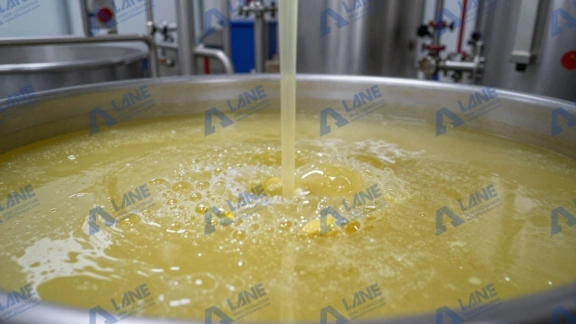
Single superphosphate is produced through a direct chemical reaction between phosphate rock and sulfuric acid. The acid breaks down insoluble calcium phosphate into water-soluble monocalcium phosphate — the form plants can actually absorb. No other industrial acid delivers the same cost-efficiency or reaction consistency at scale. That’s why managing sulfuric acid for SSP fertilizer manufacturing correctly is a foundational decision, not an afterthought.
The chemistry is straightforward in principle. In practice, industrial-scale execution is anything but.
Sulfuric Acid Concentration for SSP Production: What the Numbers Actually Mean
Here’s where a lot of producers cut corners, and it costs them later. Sulfuric acid concentration for SSP production is typically recommended in the 68%–70% range by weight. Some operations push higher — up to 75% — particularly when processing low-grade phosphate rock with elevated carbonate content. Before locking in any procurement spec, every plant manager overseeing sulfuric acid for SSP fertilizer manufacturing should verify rock grade against target acid concentration first.
From what I’ve seen in the field, operators who chase maximum concentration without adjusting reaction chamber parameters end up with over-acidulated product. That looks fine on the surface but performs inconsistently in the field. On the flip side, using diluted acid — below 65% — slows the acidulation reaction significantly, leaving unreacted phosphate in the den and reducing P₂O₅ yield.
The practical sweet spot for most industrial operations using standard-grade phosphate rock sits firmly between 68% and 70% concentration. Producers serious about optimizing sulfuric acid concentration for SSP production monitor this parameter continuously, not just at shift start.
Core Equipment for Industrial-Scale SSP Acid Processing
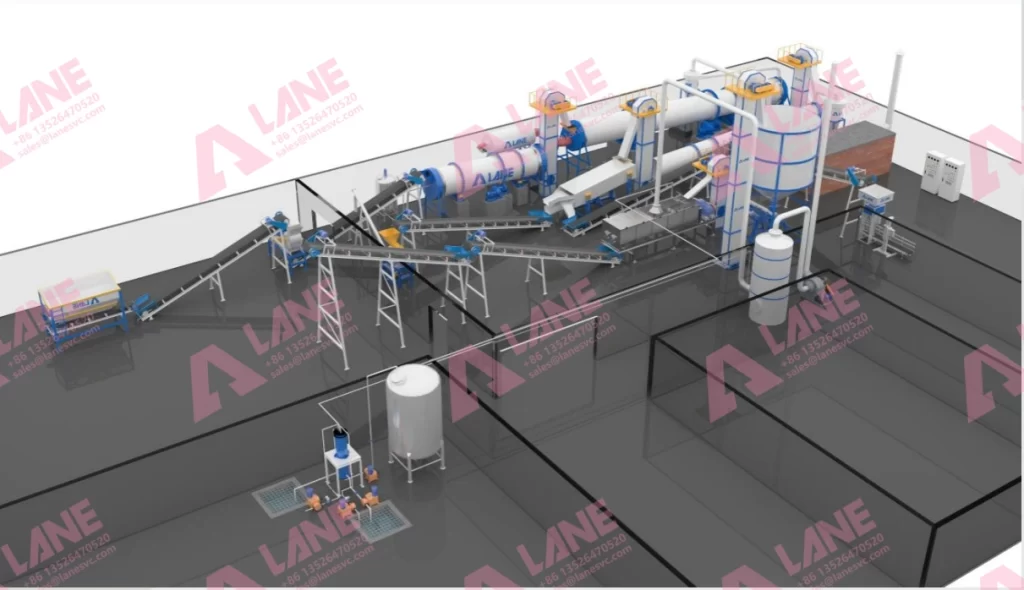
Running sulfuric acid for SSP fertilizer manufacturing at volume requires more than a reaction pit and a conveyor. You need a fully integrated equipment chain. Here’s what a properly built production line typically includes:
- Acidulation Reactor:The primary reaction vessel where phosphate rock and sulfuric acid combine. Residence time, mixing intensity, and temperature control directly determine reaction completeness.
- Phosphate Rock Ball Mill: Pre-grinding to 80-mesh fineness or finer significantly improves acid contact surface area and speeds up acidulation.
- Double Shaft Mixer: Pre-blends return fines with incoming acid-treated material, improving homogeneity before granulation.
- Rotary Drum Granulator: Shapes the acidulated mass into uniform granules. Size consistency affects downstream drying efficiency and market acceptance.
- Rotary Drum Dryer and Cooler: Removes excess moisture to target levels (typically 10%–12%) and cools granules before bagging to prevent caking and heat degradation.
- Vibrating Screen: Separates on-spec granules from oversized and undersized fractions, returning off-spec material to the granulator circuit.
- Automatic Packaging Machine: Completes the line with consistent, tamper-evident packaging.
- Belt Conveyor System: Ties the entire process together with corrosion-resistant conveying throughout.
Manufacturers like LANE offer integrated SSP production line solutions where these components are engineered as a matched system — significantly easier to commission than sourcing equipment from multiple vendors.
Practical Considerations Operators Often Overlook
To be honest, the technical specs are only half the challenge. The other half is operational discipline.
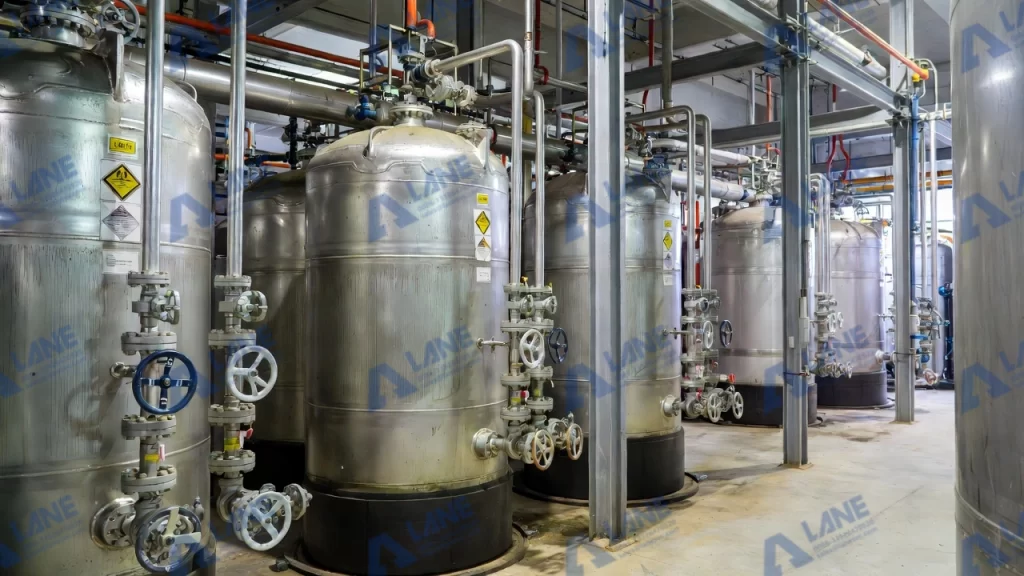
Acid storage tanks need to be lined — fiberglass or rubber-lined steel are industry standard. Using plain carbon steel without proper lining, even temporarily, is the kind of shortcut that ends careers. Every component that contacts sulfuric acid for SSP fertilizer manufacturing operations must be rated for the job before commissioning, full stop.
Reaction temperature management gets underestimated too. The acidulation reaction is exothermic. In warmer climates or peak summer operations, den temperature can creep above optimal ranges, accelerating unwanted side reactions. Poor sulfuric acid concentration for SSP production control and poor temperature management are, in my experience, the two most common root causes of chronic quality problems.
In my 15 years working with producers across South Asia and East Africa, the plants that run cleanest treat acid handling as a process engineering problem — not just a safety compliance checkbox.
Summary and Next Steps
Using sulfuric acid for SSP fertilizer manufacturing correctly — the right concentration, the right equipment, and the right operational protocols — is what separates profitable, consistent producers from those stuck chasing quality issues every other week. Getting your sulfuric acid concentration for SSP production dialed in from day one is worth every hour of engineering time you invest upfront.
If you’re planning a new SSP line or scaling up an existing one, the time to get acid chemistry and equipment selection right is before ground is broken — not after your first run comes out off-spec.
Frequently Asked Questions
Q1: What is the recommended sulfuric acid concentration for SSP production?
The standard recommended range is 68%–70% by weight. Higher carbonate content in the phosphate rock may justify concentrations up to 73%–75%, but this requires process adjustments. Consistently managing sulfuric acid concentration for SSP production within spec is one of the most reliable levers for quality control.
Q2: How much sulfuric acid is required per ton of SSP produced?
A typical SSP production process requires approximately 320–380 kg of concentrated sulfuric acid per metric ton of finished product, depending on phosphate rock grade and target P₂O₅ content.
Q3: What happens if sulfuric acid concentration is too low in SSP manufacturing?
Acid below approximately 65% concentration reduces the rate and completeness of the acidulation reaction, resulting in lower available phosphate content, higher den moisture, and reduced P₂O₅ efficiency — all of which cut directly into profitability.
Q4: Why is off-gas management critical when using sulfuric acid for SSP fertilizer manufacturing?
The acidulation reaction releases hydrofluoric acid (HF) and silicon tetrafluoride (SiF₄) vapors as byproducts. Both are highly toxic and corrosive. Bag filters, cyclone separators, and wet scrubbers are mandatory before any exhaust is released.
Q5: Can dilute recovered sulfuric acid be reused in SSP production?
Recovered or diluted acid can be incorporated in some configurations, but only after verifying concentration and purity meet production specifications. Unverified off-spec acid introduces reaction inconsistency and quality risk.
Q6: What equipment is most vulnerable to acid corrosion in an SSP production line?
The den reactor interior, acid delivery pumps, connecting pipelines, and ventilation ducting are the highest-risk components. All should be fabricated from or lined with acid-resistant materials — rubber lining, fiberglass-reinforced plastic (FRP), or equivalent — from initial specification.

For more details, please feel free to contact us.
Henan Lane Heavy Industry Machinery Technology Co., Ltd.
Email: sales@lanesvc.com
Contact number: +86 13526470520
Whatsapp: +86 13526470520