Large Scale SSP Fertilizer Production Equipment Cost & ROI
- 2026-06-02
If you’re seriously considering building a single superphosphate facility, let me tell you — the numbers people throw around online rarely tell the full story. Large scale SSP fertilizer production equipment isn’t cheap, and the ROI math is more nuanced than most vendors will admit. I’ve spent years working alongside plant engineers and procurement teams across Africa, Southeast Asia, and the Middle East. The same misunderstandings surface every time.
What “Large Scale” Actually Means in SSP Production
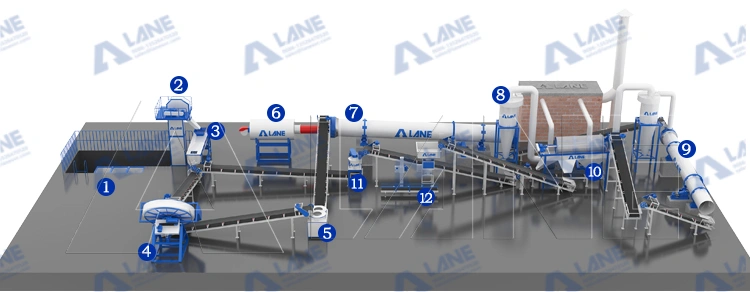
Scale matters enormously here. A facility processing 5–10 tons per hour looks nothing like one running 30–50 TPH. When buyers evaluate large scale SSP fertilizer production equipment, they’re looking at a fully integrated system — not just a granulator, but a complete production line designed for continuous output with minimal downtime.
The core equipment set typically includes:
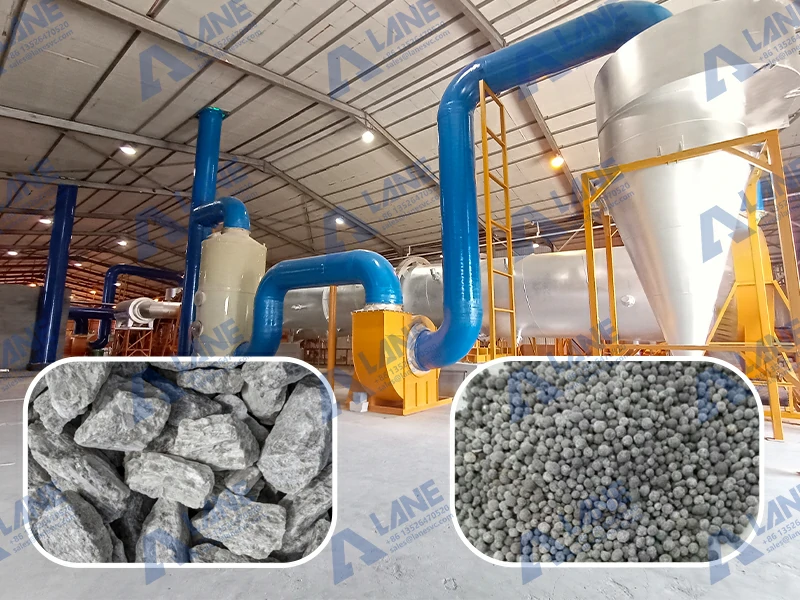
- Acidulation reactor— where phosphate rock and sulfuric acid are mixed and reacted; residence time and acid concentration directly govern P₂O₅ availability
- Belt conveyor system— moves material between processing stages; critical for throughput continuity
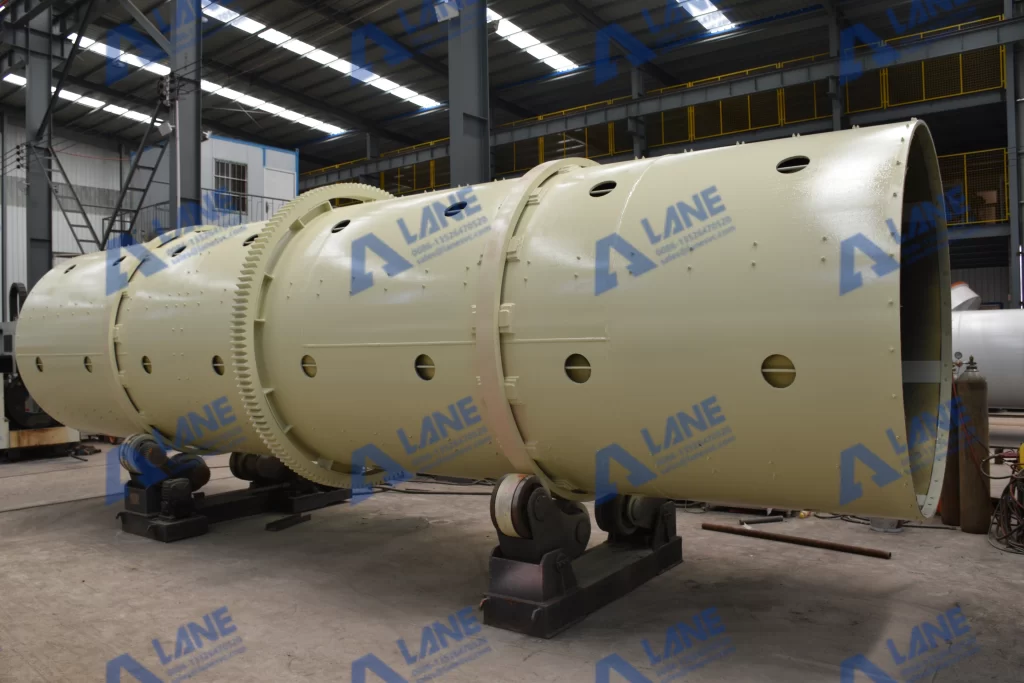
- Rotary drum granulator— shapes the reacted SSP mass into uniform granules; size distribution affects downstream bag-fill performance
- Rotary drum dryer— reduces moisture post-granulation, typically targeting below 5%
- Rotary drum cooler— brings granule temperature down before screening and packaging
- Vibrating screen— separates on-spec product from oversized or fines; oversized material is crushed and recycled
- Raymond mill— grinds phosphate rock before reaction, ensuring consistent acid-rock contact
- Coating machine— applies anti-caking agents or micronutrient coatings depending on market requirements
- Auto Packaging machine— automated bagging for 25 kg or 50 kg sacks, with optional big-bag stations
Each component carries cost implications. With large scale SSP fertilizer production equipment, you’re not buying parts in isolation — you’re buying how they work together.
Breaking Down the Capital Cost
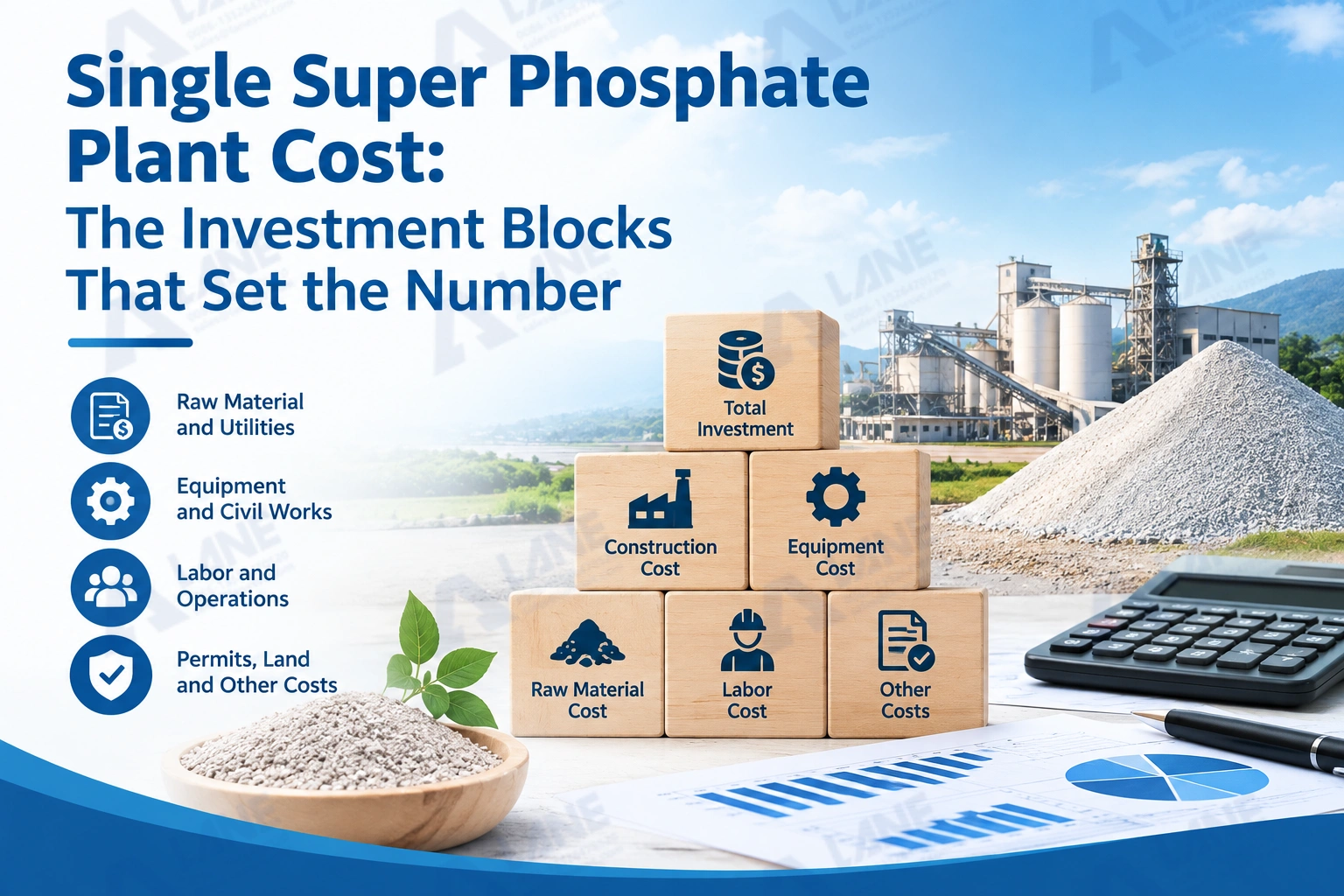
Based on my field project experience, a full large-scale SSP production line with an hourly output of 20 to 50 tons normally costs between $800,000 and $3.5 million in total investment. Final costs shift based on production capacity, automation grade and local construction & installation expenses.
Equipment purchase makes up around 45% to 60% of overall project spending. The remaining funds go toward civil construction, site grading, utility infrastructure as well as late-stage equipment commissioning and startup.
Within that budget, SSP granulation technology choices have a disproportionate effect on both upfront cost and long-term efficiency. Drum granulation — the dominant method in commercial SSP plants globally — is more forgiving on feedstock variability than pan granulation. That matters when your phosphate rock supply isn’t perfectly consistent batch to batch. The right SSP granulation technology decision here can save significant operating cost over a 10-year production run.
The ROI Conversation: Where Most Buyers Go Wrong
Payback periods for large scale SSP fertilizer production equipment commonly range from 3 to 6 years in markets with strong fertilizer demand — Nigeria, Ethiopia, Kenya, Indonesia, the Philippines. That assumes consistent raw material supply, stable sulfuric acid pricing, and reliable equipment uptime. Three assumptions that don’t always hold simultaneously.
Buyers chasing rock-bottom equipment prices incur higher overall costs over a decade. Investing upfront in durable machinery and reliable after-sales service delivers better value. A 70% versus 85% operational availability gap looks minor, yet it separates profit from break-even over a full production year.
Manufacturers like LANE, which specializes in large-scale fertilizer production equipment, often provide full-line integration support — system design, installation supervision, operator training, and spare parts logistics. That kind of structure genuinely moves the ROI needle in ways a price comparison spreadsheet won’t show.
Selecting SSP Granulation Technology: Three Key Factors
SSP granulation technology selection comes down to three main variables: target particle size distribution, available plant footprint, and downstream application requirements.
Drum granulation suits high-volume continuous operations. It handles variability well and is straightforward to maintain. Pan granulation produces more spherical granules with tighter size control — preferred for blending but more sensitive to feedstock moisture. There’s also the option of producing powdered SSP and granulating later in a compound NPK line, which can reduce complexity and capital cost for certain export markets. Choosing the right SSP granulation technology upfront prevents costly retrofitting later.
There is no one-size-fits-all equipment solution; every setup needs to match local market demands. Lines built for Nigerian farmer cooperatives differ entirely from export-focused plants in Indonesia.
Real Operating Costs to Budget For
Beyond capital, running large scale SSP fertilizer production equipment carries significant recurring costs. Phosphate rock and sulfuric acid account for 65–75% of production cost per ton. Energy — primarily for drying and grinding — adds another 10–15%. Labor requirements depend on automation level; a 30 TPH automated line needs roughly 8–12 operators per shift. Annual maintenance typically runs 2–4% of equipment replacement value.
Final Thoughts
There is no universal answer to what large scale SSP fertilizer production equipment should cost or what ROI timeline to expect. It depends on your feedstock, your market, your automation targets, and the quality of support behind the line.
Producers who consistently hit their payback targets did the due diligence upfront — assessed SSP granulation technology options carefully, built realistic operating cost models, and chose partners with credible long-term support structures. If you’re in the evaluation phase, request full-system quotes, not piecemeal prices. The clarity you gain is worth the effort.
Frequently Asked Questions
Q: What is the minimum viable capacity for large scale SSP fertilizer production equipment?
A: Most practitioners consider 10 TPH the lower boundary. Below that, fixed overhead costs per ton become difficult to recover. Commercially viable large-scale operations typically start at 15–20 TPH.
Q: How much phosphate rock is needed per ton of SSP output?
A: The reaction requires roughly 0.6–0.7 tons of phosphate rock (28–32% P₂O₅ grade) and approximately 0.35–0.40 tons of 98% sulfuric acid to produce one metric ton of SSP at 18% P₂O₅. Actual consumption varies with rock quality.
Q: What is the typical payback period for large scale SSP fertilizer production equipment?
A: Under favorable conditions — strong local demand, stable raw material costs, consistent production — payback periods of 3–5 years are achievable. In more challenging environments, 6–8 years is realistic. Site-specific cost data is essential for accurate modeling.
Q: How does SSP granulation technology choice affect product quality?
A: Granulation method affects particle size distribution, hardness, and dustiness — all critical for storage, transport, and field application. Drum granulation produces a robust granule for most bulk handling systems. Pan granulation offers tighter size control for precision blending applications.
Q: What environmental compliance costs should be included in SSP plant budgets?
A: Fluoride emission control is the primary requirement. A properly designed bag filter and scrubbing system typically adds $50,000–$200,000 to equipment budget depending on capacity and local regulations. Operating costs for these systems must be included in annual budgets.
Q: Can existing fertilizer facilities be upgraded to include SSP production?
A: In some cases, yes — where existing infrastructure includes acid storage, material handling, and utility connections. The key constraint is usually the acidulation and curing stage. A site assessment by an experienced process engineer is essential before committing capital.
For more details, please feel free to contact us.
Henan Lane Heavy Industry Machinery Technology Co., Ltd.
Email: sales@lanesvc.com
Contact number: +86 13526470520
Whatsapp: +86 13526470520