What Is Single Super Phosphate: Production Process, Cost Breakdown & Plant Setup Guide
- 2026-04-21
Single super phosphate — SSP, as anyone in the fertilizer trade tends to call it — holds a peculiar distinction: it’s one of the oldest phosphate fertilizers still being produced at commercial scale, and it shows no signs of being phased out. That staying power isn’t accidental. First manufactured in the 1840s, SSP remains a foundational input across farms in Africa, South Asia, and South America — and as more developing-market producers move toward building domestic fertilizer supply chains, understanding what is single super phosphate has become genuinely more urgent than it was even a decade ago.
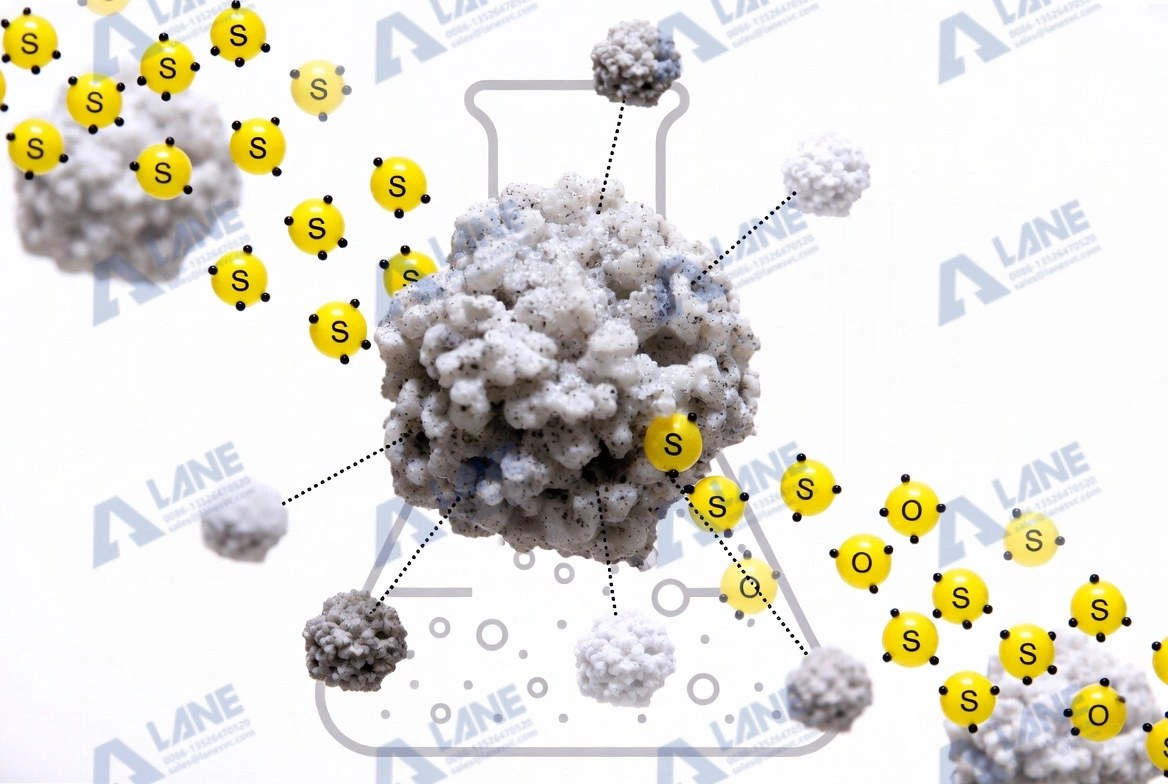
At its core, SSP is a granular or powdered fertilizer made by reacting ground phosphate rock with sulfuric acid. Simple enough on paper. But the definition of what is single super phosphate carries real weight for producers, because it shapes sourcing decisions, equipment specifications, and the markets they can realistically serve. The finished product delivers 16–20% water-soluble phosphorus pentoxide (P₂O₅), alongside calcium sulfate — a sulfur source that most competing fertilizers simply don’t offer.
And that sulfur piece matters more than it gets credit for. The calcium sulfate content — typically sitting around 50% — acts as a secondary nutrient source in its own right. In sulfur-deficient soils, which are becoming increasingly common across sub-Saharan Africa and parts of Southeast Asia, that dual-nutrient profile changes the economics of the product entirely. Buyers who come in focused only on phosphorus often leave with a different perspective — and a clearer sense of why single super phosphate uses in sulfur-deficient markets are growing faster than the broader phosphate segment.
Single Super Phosphate Uses: Where It Actually Gets Applied
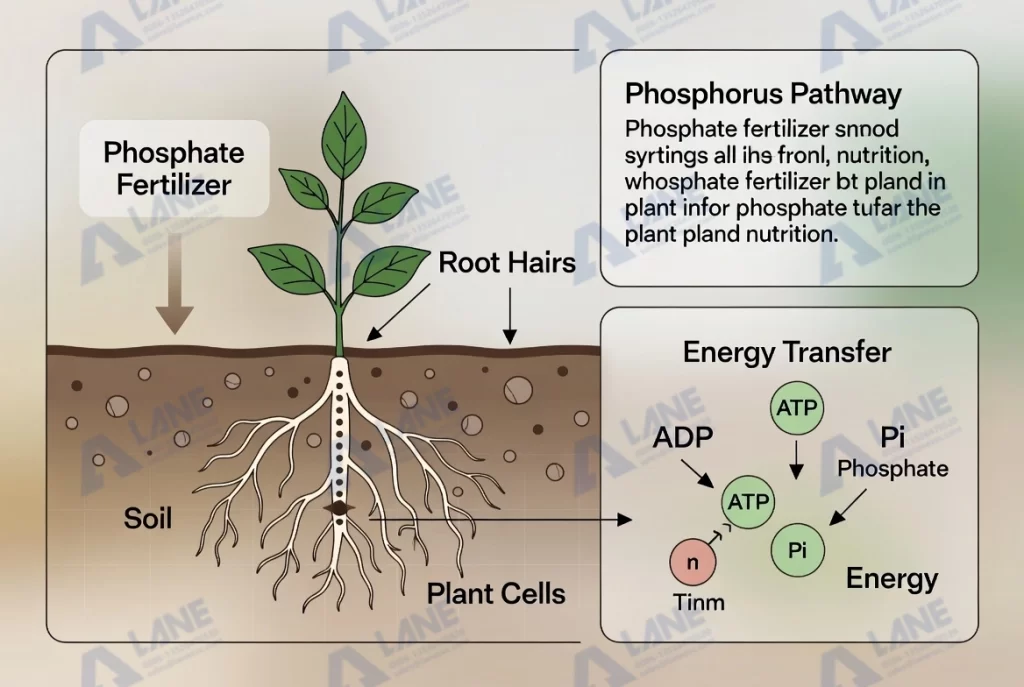
The range of single super phosphate uses is broader than many people initially expect. Cereal crops — wheat, maize, sorghum — respond well to SSP, especially where soils run slightly alkaline. Oilseeds like sunflower, canola, and groundnut tend to respond particularly well to the sulfur component. Pasture grasses and legumes represent another consistent application segment, and SSP has been a standard base dressing choice in sugarcane cultivation across tropical regions for decades.
Beyond field crops, single super phosphate uses extend into NPK blending — and for many producers, this is where things get commercially interesting. For fertilizer blenders operating in East Africa and South Asia, blending compatibility is among the most commercially significant single super phosphate uses they work with day to day. SSP mixes cleanly with urea and potassium chloride without the hygroscopicity headaches you get with some other inputs, which makes it a reliable base component in compound fertilizer formulations. I’ve had conversations with plant operators who came in fixated on phosphorus percentage and walked away realizing the blending flexibility was the actual deciding factor for their market. That shift in thinking happens more often than you’d expect.
The Production Process: Step by Step
Part of truly understanding what is single super phosphate is understanding how it gets made. The underlying chemistry isn’t complicated — but the equipment needs to be right, and each stage has consequences for the next. New entrants who look up what is single super phosphate and move straight to procurement without studying the process often underestimate where costs accumulate.
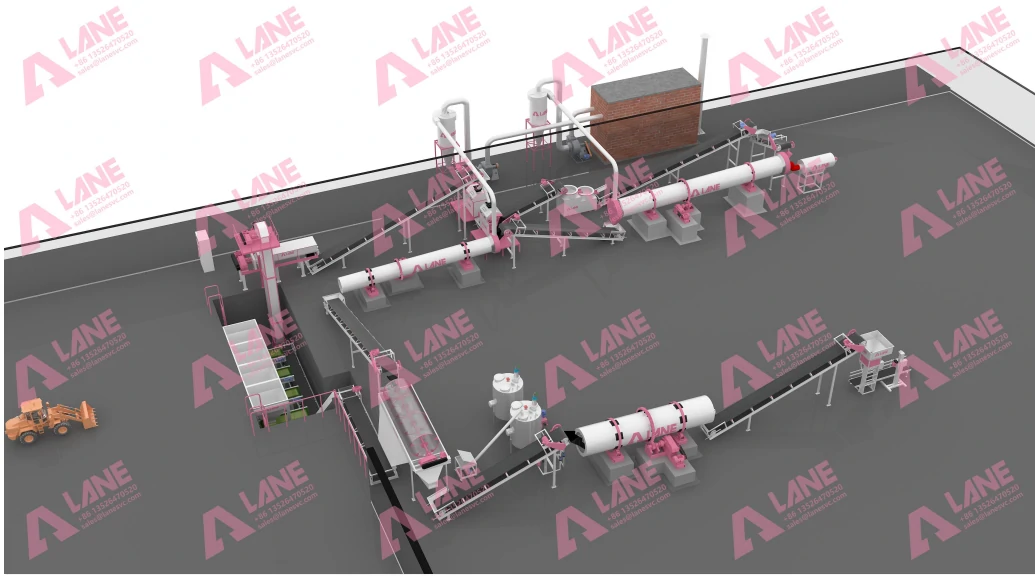
It starts with grinding. Raw phosphate rock goes into a Raymond Mill, which brings the material down to 80–100 mesh powder. Particle size isn’t just a technical detail here; it directly determines how efficiently the acid reaction performs downstream. Cut corners at this stage and you’ll feel it later.
From there, the ground rock moves into an Acidulation Reactor, where it meets sulfuric acid under controlled temperature and concentration. The reaction is exothermic — it produces heat — and the output is a semi-solid mass of SSP, calcium sulfate, and some residual unreacted material. Getting the acid concentration and dwell time right is where operator experience starts to matter.
Next comes curing. The reacted mass transfers into a Rotary Drum Curing Unit to allow the chemical conversion to finish. On continuous production lines this is faster, but traditional den curing typically runs 20–30 days. After that, a Double Shaft Mixer handles blending the cured material into a homogenous product before it heads to granulation or bagging.
Material handling throughout the line is managed by a Belt Conveyor System connecting each process stage. And the Exhaust Gas Scrubbing System — this one isn’t optional — captures the fluorine-bearing gases that acidulation produces. Environmental compliance in any modern SSP operation depends on it.
Cost Breakdown: What Producers Actually Need to Budget
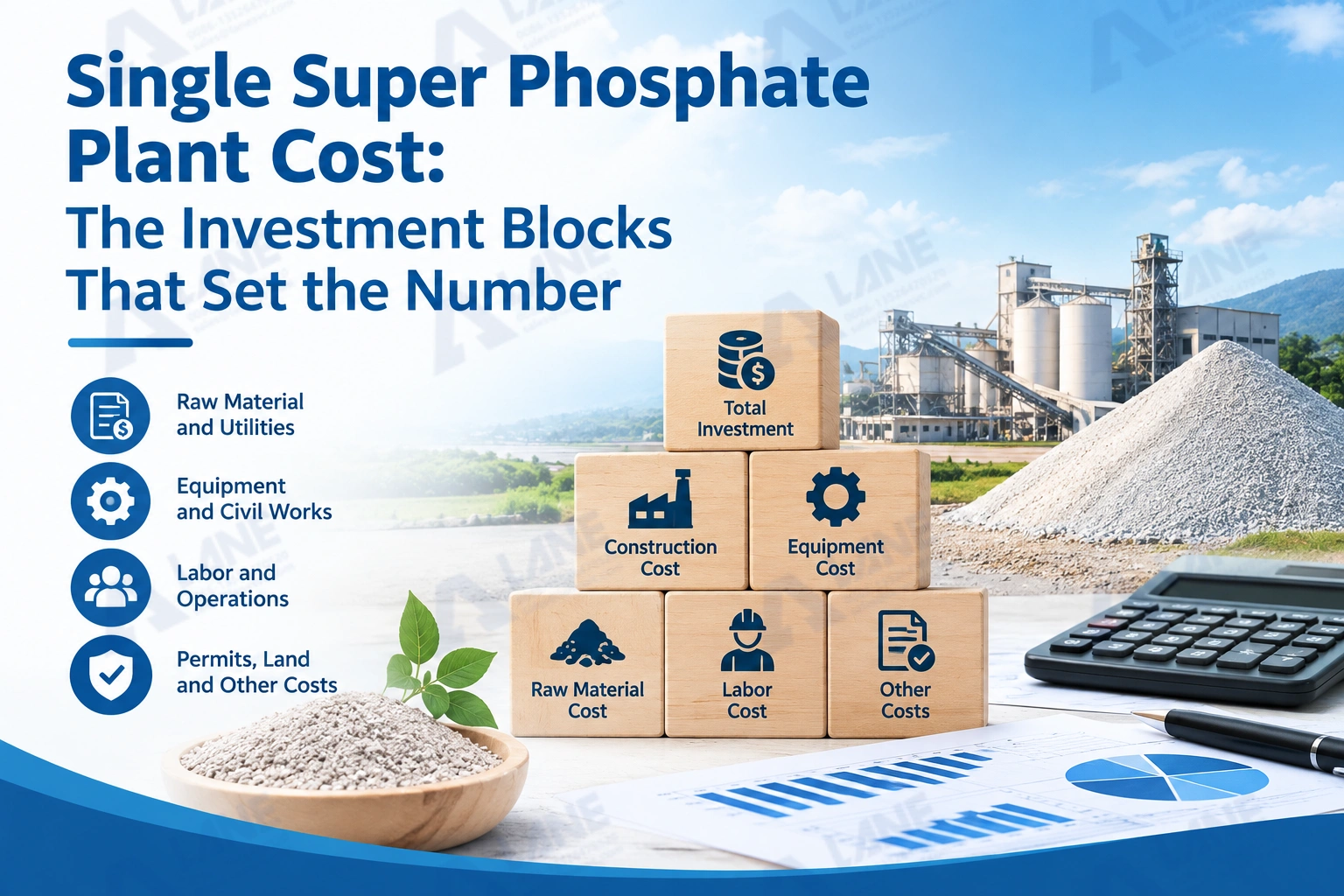
SSP production costs break down across three main areas: raw materials, energy, and capital equipment. This is also where the full picture of single super phosphate uses — including blending and direct application — starts to influence how producers size their lines.
Phosphate rock is the largest raw material input, and pricing varies considerably by origin. Moroccan, Egyptian, and Chinese rock all carry different landed costs depending on where the plant sits. Sulfuric acid is often the more volatile piece — it typically represents 25–35% of direct variable cost, and sourcing it is a genuine logistical challenge for smaller producers. Most either invest in their own acid plant or negotiate long-term supply agreements before the SSP plant is even commissioned.
On the capital side, a plant in the 50,000–100,000 tone-per-year range generally needs somewhere between $800,000 and $2.5 million USD in equipment. At LANE, we’ve put together complete process lines across this capacity range — grinding through scrubbing — and where the numbers land depends heavily on whether the client is building a powder line or going for full granulation. Operating costs — labor, utilities, maintenance — typically run $20–40 per tone in markets with reasonable energy pricing. Push that into high-electricity-cost territory, or factor in long-haul acid transport, and the number moves up meaningfully.
Plant Setup: Key Considerations Before You Build
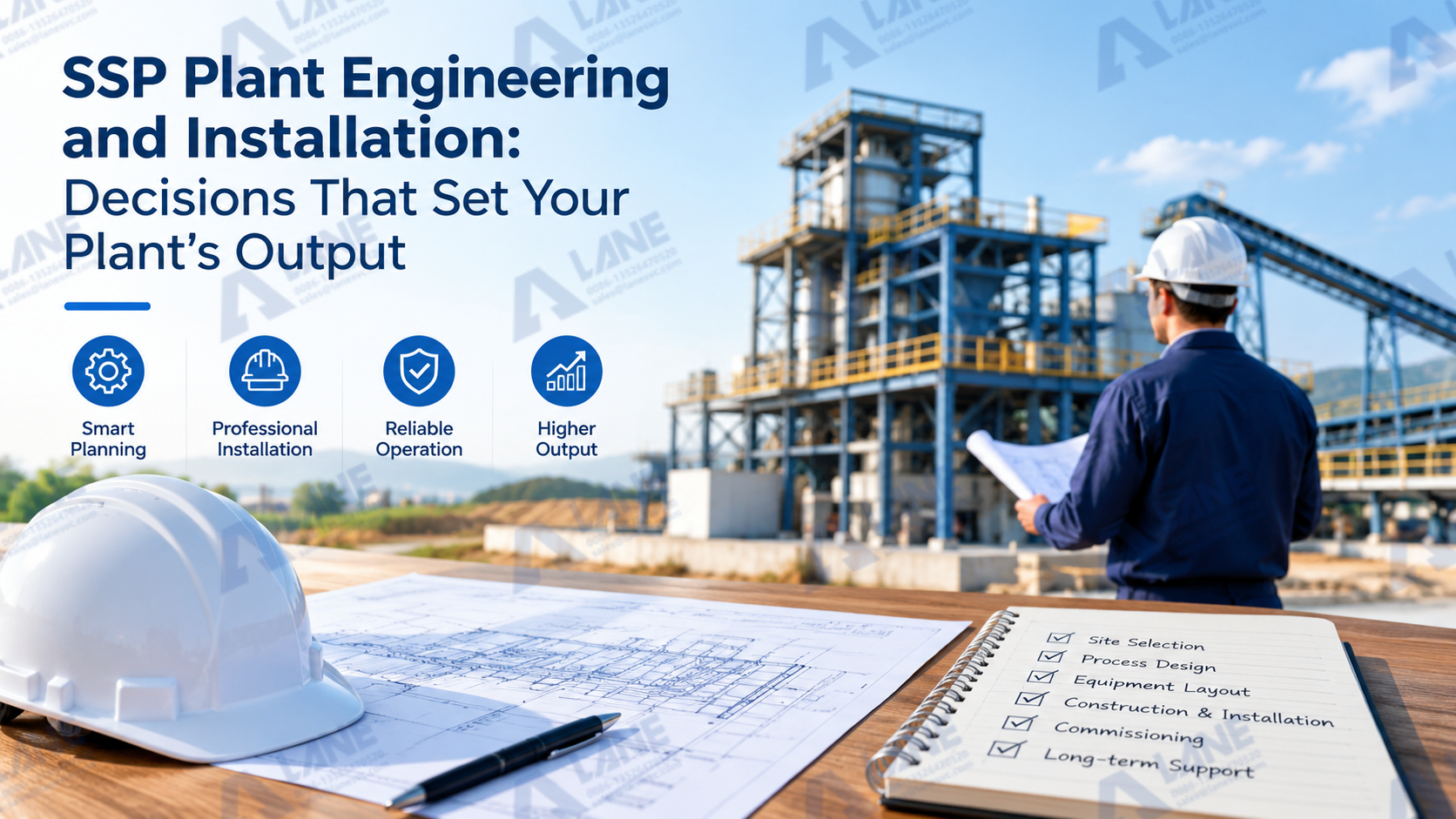
Site selection has a way of catching first-time investors off guard. Proximity to phosphate rock supply is the obvious factor. Reliable access to sulfuric acid — either locally sourced or via a secured supply agreement — isn’t negotiable. And the fluorine gas management requirement, handled through the scrubbing system, feeds directly into permitting timelines and shapes equipment specs from the beginning. Get that wrong early and it causes problems throughout the project.
Floor space requirements for a mid-scale line sit in the 3,000–6,000 square meter range when your account for curing storage. Water is another thing that tends to get underestimated. SSP production draws water for scrubbing and cooling circuits — in water-scarce regions, that’s not a minor infrastructure consideration. Anyone still asking what is single super phosphate at the plant setup stage should take time to walk through a working facility first; the operational realities become much clearer in person.
FAQ
What is single super phosphate’s main nutrient content?
To answer what is single super phosphate in nutrient terms: SSP delivers 16–20% P₂O₅ in water-soluble form, along with roughly 11–12% sulfur as calcium sulfate. There is no nitrogen component.
How does SSP differ from triple super phosphate?
Triple super phosphate runs 44–46% P₂O₅ — about three times the phosphorus concentration of SSP. The tradeoff is that TSP contains no sulfur, and the production process requires phosphoric acid rather than sulfuric acid, which makes it significantly more capital-intensive to manufacture.
What are the primary single super phosphate uses in developing markets?
Across Africa and South Asia, the dominant single super phosphate uses are base dressing for cereal and legume crops, compound fertilizer blending, and soil amendment in sulfur-deficient regions. The combination of phosphorus and sulfur in a single product is what keeps SSP relevant in markets where soil sulfur depletion is an active and growing problem.
Is SSP suitable for all soil types?
It performs best in neutral to slightly acidic soils. In highly alkaline conditions, phosphorus fixation can reduce how much of that P₂O₅ actually becomes available to plants. Soil testing before application is the standard recommendation — and a reasonable one.
What is the typical SSP plant payback period?
With solid raw material sourcing and reliable local demand, payback periods of 3–5 years are the figures most commonly cited in the industry. That range moves depending on local fertilizer pricing, feedstock costs, and whether the plant is feeding a blending operation or direct retail distribution channels.

For more details, please feel free to contact us.
Henan Lane Heavy Industry Machinery Technology Co., Ltd.
Email: sales@lanesvc.com
Contact number: +86 13526470520
Whatsapp: +86 13526470520