SSP Fertilizer Production Plant Setup: A Complete Guide for Manufacturers
- 2026-04-15
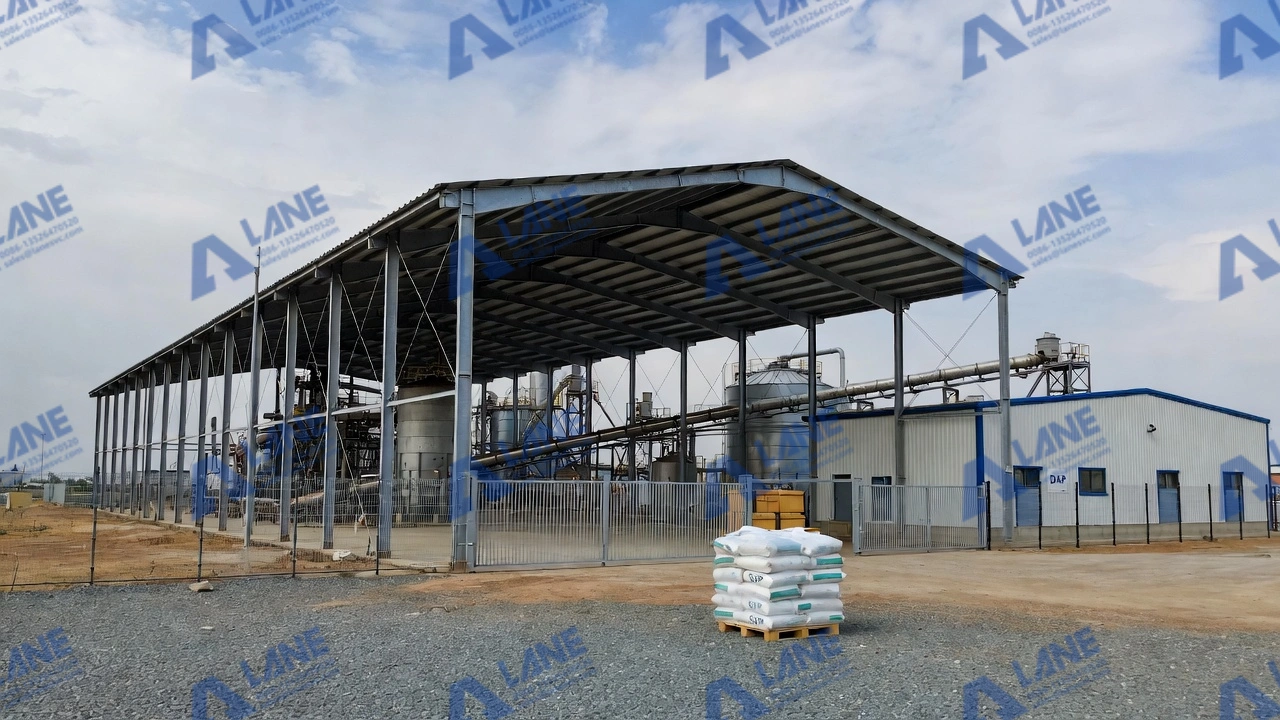
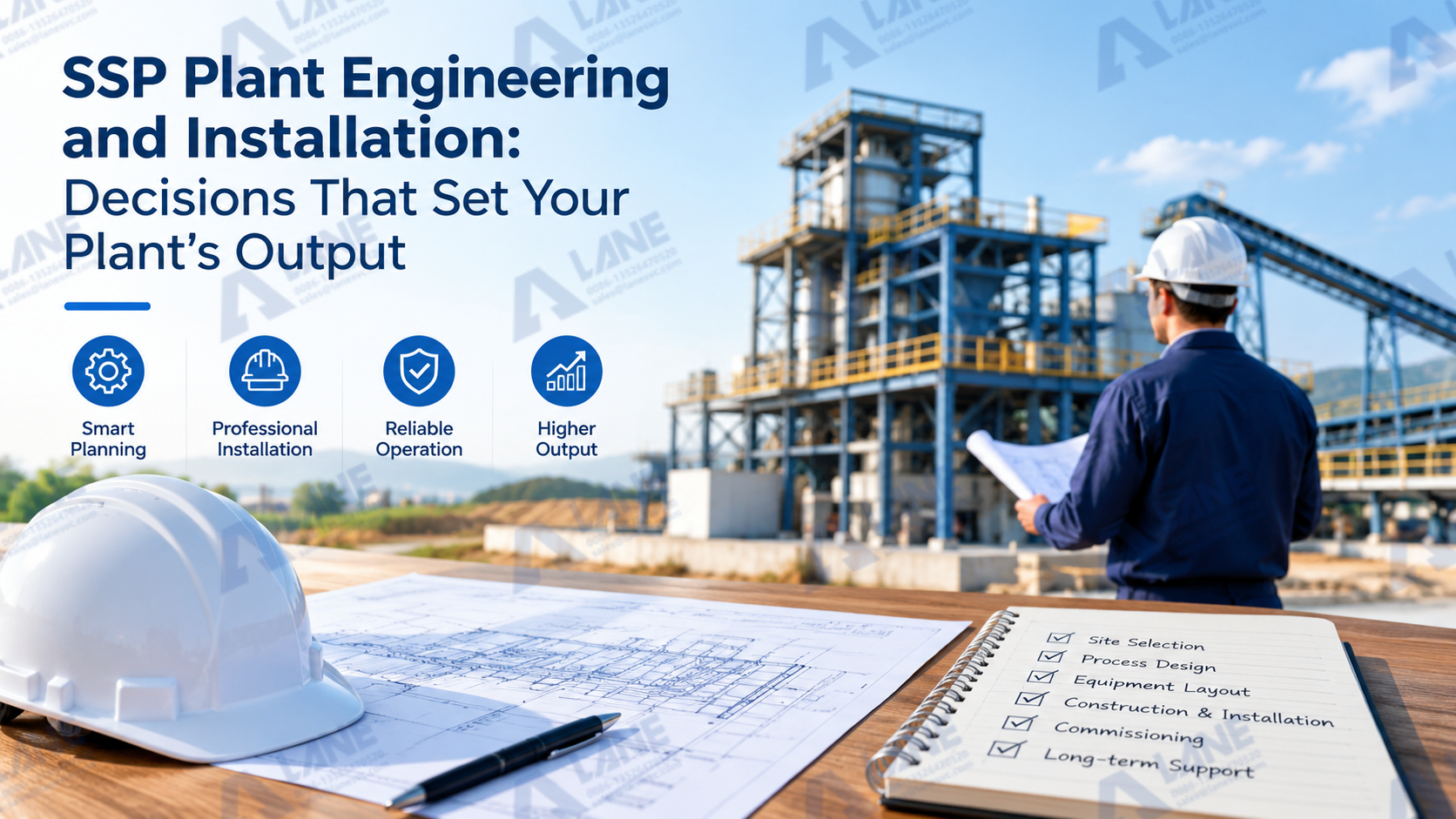
Getting an SSP fertilizer production plant setup right from day one matters more than most people realize — and not just for product quality. Long-term operational costs, regulatory compliance, and workforce safety all hinge on decisions made before a single piece of equipment is installed. Whether you’re starting fresh on a greenfield site or scaling up an existing facility, the early choices tend to be the ones you live with longest. This guide covers what experienced manufacturers actually need to think through before breaking ground on any serious SSP fertilizer production plant setup project.
Why Plant Setup Decisions Matter More Than Most Expect
Most operational headaches in SSP fertilizer manufacturing don’t start on the production floor. They start at the design table. Poor layout decisions, equipment that’s undersized for actual throughput, ventilation that was treated as an afterthought — by the time these issues surface, fixing them is expensive. A well-planned SSP fertilizer production plant setup pulls together raw material flow, equipment sequencing, safety engineering, and scalability into a single coherent design. That takes deliberate planning. It doesn’t happen by default.
I’ve personally watched facilities that looked solid on paper develop stubborn bottleneck problems before they hit their first full year of production. In almost every case, the root cause was traced back to layout decisions that seemed reasonable in isolation but conflicted in practice. Getting those calls right upfront is what separates a plant that runs smoothly from one that’s constantly fighting itself.
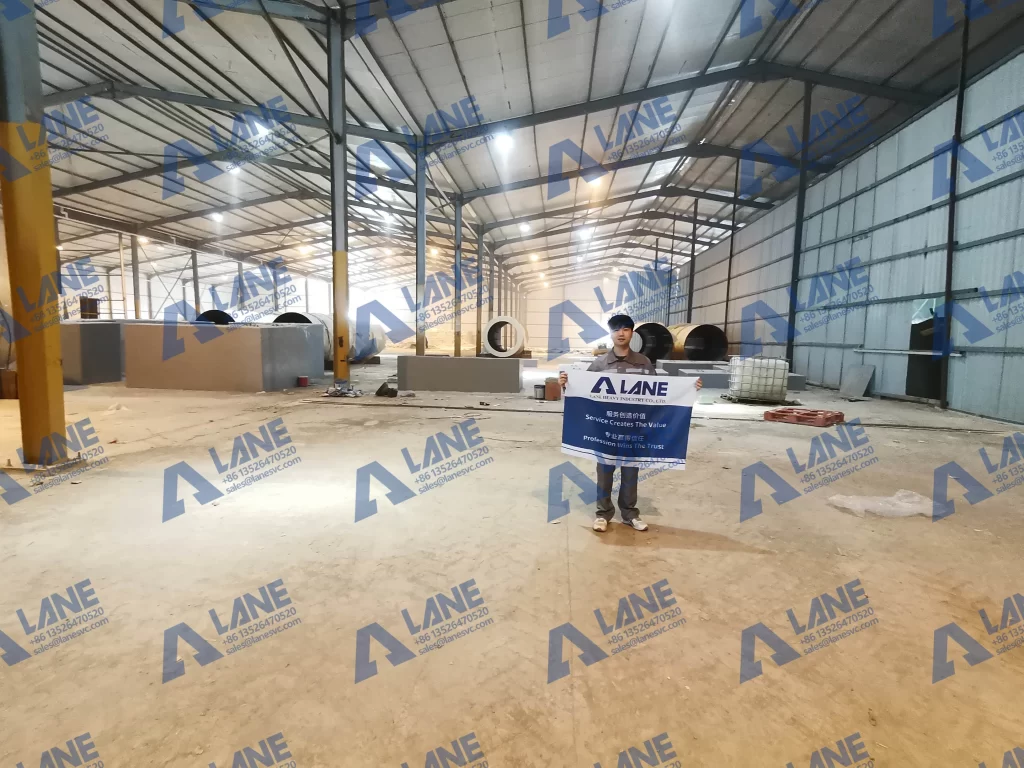
Core Equipment Involved in SSP Production
A complete SSP fertilizer production plant setup brings together a series of interconnected process units. Each one has a defined role, and understanding how they interact is just as important as knowing what each does individually — particularly when it comes to procurement sequencing and layout planning.
- Single Superphosphate Reaction Mixer— The heart of the process. Phosphate rock powder and sulfuric acid are combined and continuously agitated here. Reactor design has a direct bearing on reaction completeness and, ultimately, P₂O₅ content in the finished product.
- Belt Conveyor System— The connective tissue of the entire line. Conveyors move raw materials and semi-processed products between every major station. How they’re routed affects both throughput efficiency and maintenance accessibility.
- Double Shaft Mixer— Before granulation or direct bagging, the cured material needs to be blended to a uniform consistency. This unit handles that, and it makes a real difference to nutrient distribution in the final product.
- Rotary Drum Granulator— Converts the blended SSP powder into granules. Size consistency here affects how the product behaves during application and how well it stores.
- Rotary Cooler and Dryer —Dries granules to reduce moisture and cools them before packaging, preventing caking and ensuring product quality.
- Vibrating Screen— Size separation before packaging. On-spec granules move forward; oversized and undersized fractions get recycled back into the process.
- Dust Collection System— Not optional. SSP production generates dust and fluoride gas throughout the line. A properly specified dust collection system is a regulatory requirement and a basic obligation to the people working in the facility.
- Packaging Scale and Bagging Machine— The last stage before the product ships. Accurate weighing and reliable bag sealing are what they sound like — straightforward in principle, critical in practice.
Every one of these units needs to be correctly sized, properly sequenced, and positioned to support efficient material flow. Which brings us to the layout question.
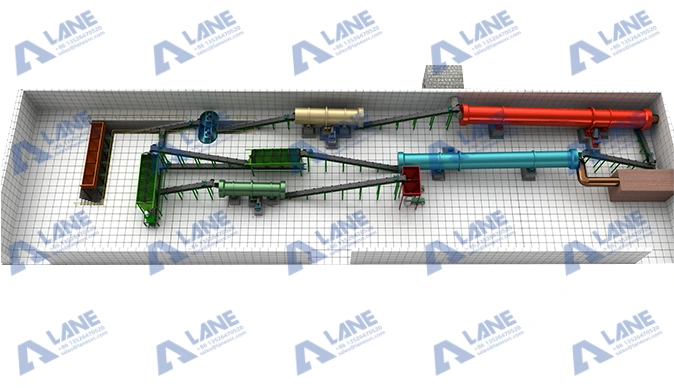
SSP Fertilizer Plant Layout: What to Get Right
The SSP fertilizer plant layout conversation is bigger than it might first appear. It’s not a matter of fitting equipment into whatever space is available. It’s about designing a process flow — intake through reaction, curing, granulation, drying, screening, packaging — that actually works under real production conditions. A poorly thought-out SSP fertilizer plant layout will have product moving inefficiently between stations, driving up handling costs and introducing contamination risk that shouldn’t exist.
A few layout principles come up consistently in well-designed facilities. The reaction zone — mixer and den together — needs to be physically isolated with dedicated ventilation. Fluoride gas and acid mist are generated there, and that’s not something you want migrating through the rest of the plant. The drying and cooling section typically performs best in linear alignment, minimizing conveyor transitions and the complexity that comes with them. And the packaging area should sit close to the warehouse or loading dock. It sounds like an obvious point, but it gets overlooked with surprising regularity in early-stage designs.
For higher-volume operations — anything processing over 50,000 metric tons annually — it’s worth integrating a dedicated quality control station into the SSP fertilizer plant layout, positioned between the screening machine and the packaging line. Catching off-spec material before it gets bagged is always cheaper than dealing with it after.
Key Factors in a Successful Setup
Equipment selection and SSP fertilizer plant layout are central, but they’re not the whole picture. A few broader factors consistently separate plants that perform well over time from those that don’t.
Site selection carries more weight than it often gets. Access to phosphate rock supply, proximity to sulfuric acid sources, logistics to export or distribution points — all of these affect per-ton production costs in ways that aren’t always apparent until the plant is running. It’s worth modeling the full logistics picture before committing to a site.
Utility planning deserves the same attention. The drying stage is the primary energy draw in SSP production, and it’s a significant one. Power supply capacity needs to be confirmed against actual equipment requirements — not estimated — and backup provisions should be designed in from the start, not added later.
Regulatory compliance is another area where upfront investment pays off. Emissions limits, wastewater management, chemical storage regulations — these vary across jurisdictions, and they’re easier to design around than retrofit for. Engaging with local requirements during the plant design phase is standard practice for experienced operators.
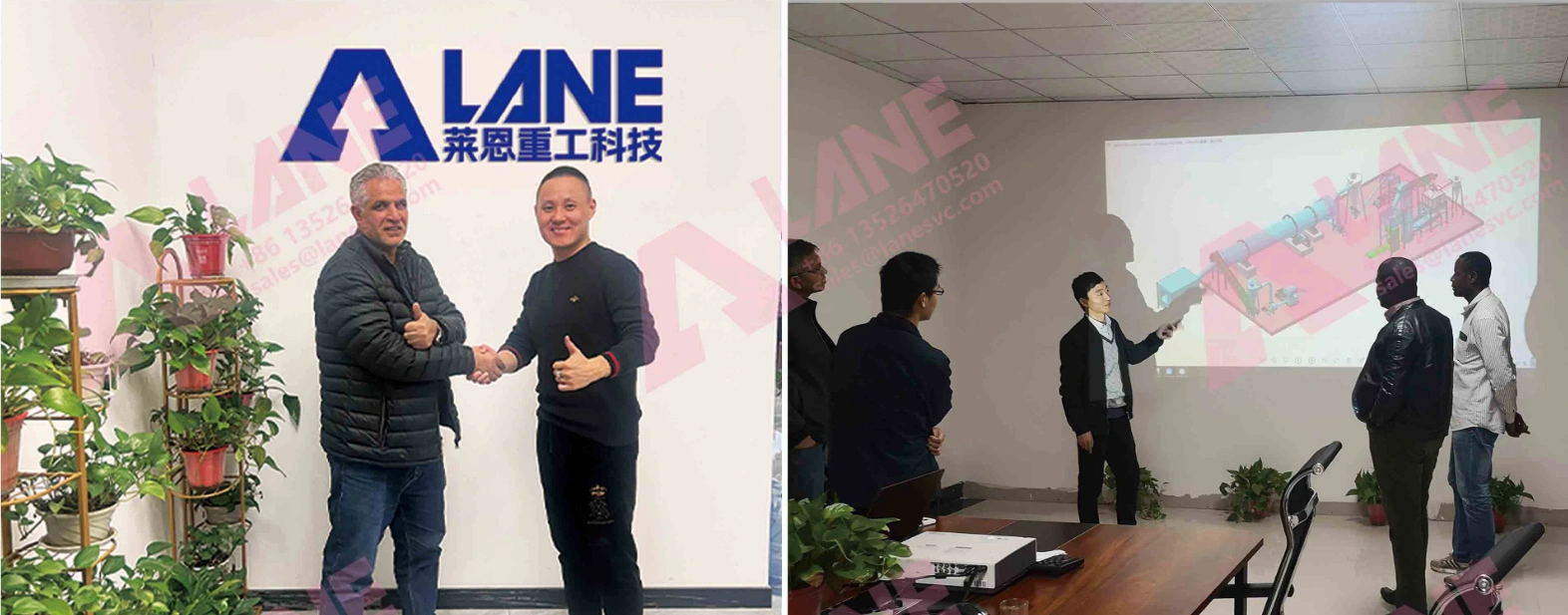
Supplier selection matters at every stage. Companies like LANE bring specific expertise in large-scale fertilizer production equipment and can support not just equipment supply but engineering input on plant layout as well. Working with a manufacturer who understands how the full line operates together substantially reduces the risk of specification errors that don’t show up until commissioning — when they’re hardest and most expensive to fix.
FAQ
Q: What is the typical production capacity range for an SSP fertilizer production plant setup?
A: Small-scale plants generally start at 5–10 tons per hour. Medium to large facilities typically operate in the 20–50 tons per hour range, though actual output depends on equipment sizing, raw material quality, and annual operating hours.
Q: How long does it take to complete an SSP fertilizer production plant setup?
A: Equipment procurement through commissioning typically runs 6 to 12 months. Greenfield projects that include civil construction often take longer, and that timeline should be factored into project planning from the outset.
Q: What is the most important piece of equipment in an SSP plant?
A: The reaction mixer tends to be the most critical process unit, given its direct influence on reaction efficiency and P₂O₅ content within an optimized SSP fertilizer plant layout. That said, the dust collection system is non-negotiable from both a compliance and a workplace safety standpoint — it’s not secondary equipment.
Q: Can SSP plants be designed for future capacity expansion?
A: Yes, and they should be. A well-designed SSP fertilizer plant layout builds in reserved space and structural allowances for parallel production lines. The time to think through expansion scenarios is during initial design — not after the first phase is already built.
Q: What are the main raw materials required?
A: The two primary inputs are phosphate rock, typically in the 28–32% P₂O₅ grade range, and sulfuric acid at 93–98% concentration. Water is also used in smaller volumes during the reaction and curing stages.
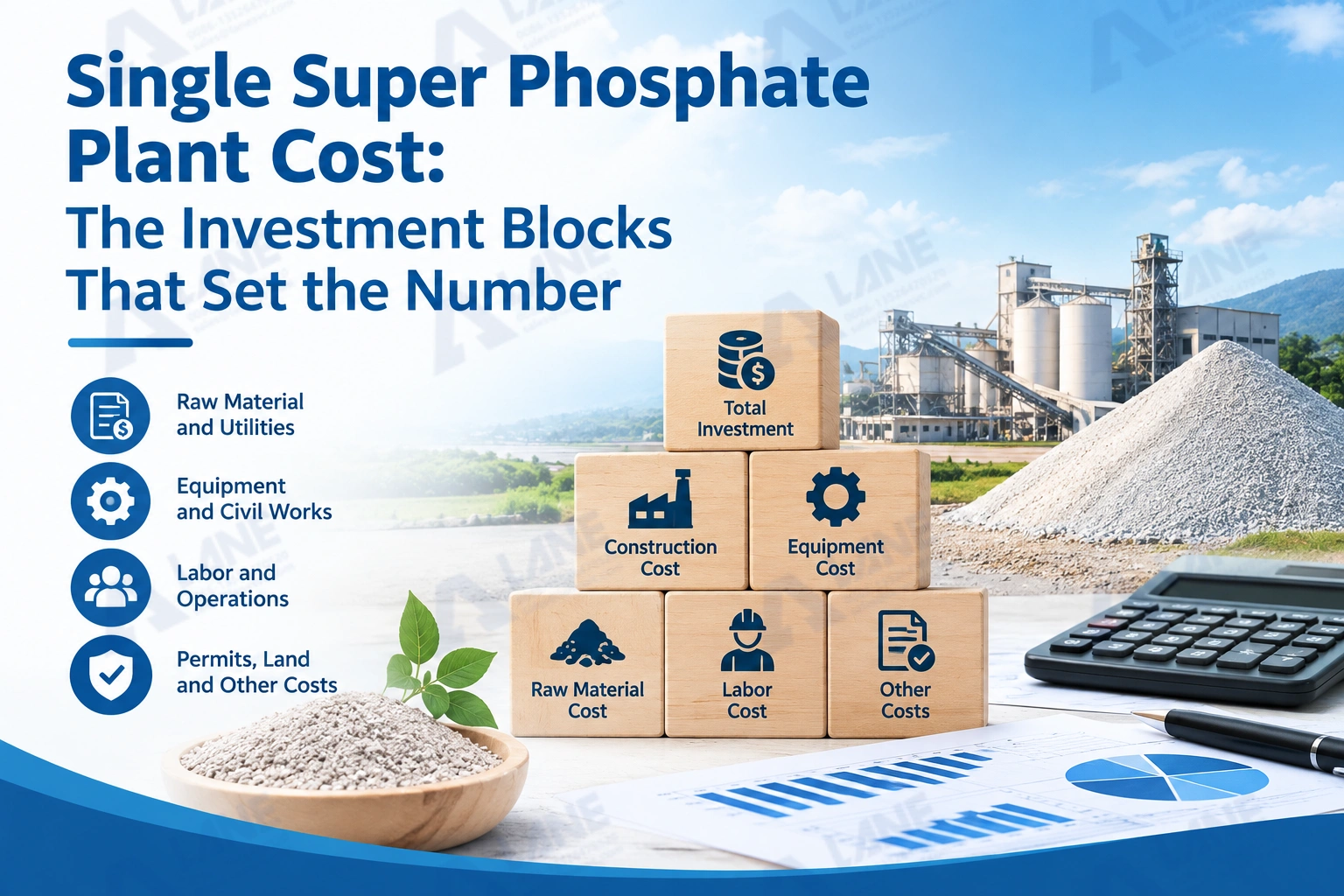
Setting up an SSP fertilizer production facility is a substantial capital commitment. The manufacturers who tend to get it right share one consistent trait: they treat planning as seriously as procurement. Spend the time to get the SSP fertilizer production plant setup right, and the operational and financial performance follow naturally.
For more details, please feel free to contact us.
Henan Lane Heavy Industry Machinery Technology Co., Ltd.
Email: sales@lanesvc.com
Contact number: +86 13526470520
Whatsapp: +86 13526470520