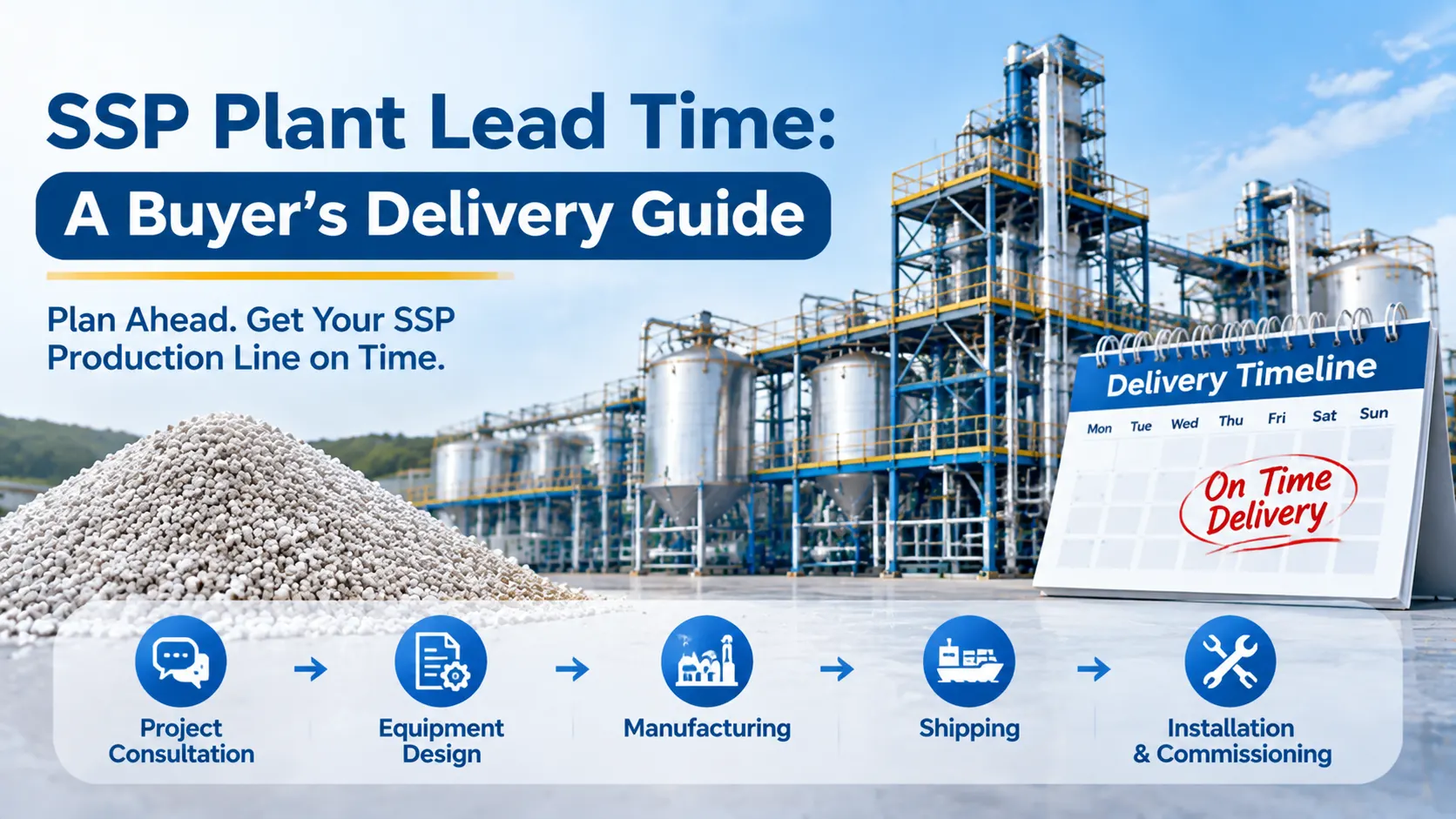
SSP Plant Lead Time: A Buyer’s Delivery Guide
- 2026-11-27
SSP plant lead time is not simply the number of days between placing an order and loading machines onto a vessel. For a single superphosphate project, buyers need to account for process confirmation, engineering, fabrication, factory inspection, export packing, international transport, site preparation, installation and commissioning. A supplier may quote a short equipment manufacturing period while leaving engineering approvals, civil works or overseas installation outside that figure.
For plant owners, procurement managers and project engineers, the useful question is not “How fast can the supplier ship?” It is “What must be completed at each milestone before the plant can produce saleable SSP?”A realistic SSP plant lead time estimate should connect the equipment delivery date with the actual site start-up plan. This guide explains how to build a schedule that can be checked against documents and site readiness, rather than relying on an unsupported delivery promise.
What Does SSP Plant Lead Time Actually Cover?
SSP plant lead time should be divided into separate contractual stages. At minimum, distinguish the period from order confirmation to mechanical completion at the supplier’s factory from the period required to deliver, install and commission the equipment at the buyer’s site.
The distinction matters because the two periods depend on different parties. The equipment manufacturer controls drawing preparation, procurement of bought-out components, fabrication, assembly and factory testing. The buyer usually controls site access, foundations, utilities, local permits, unloading equipment and the readiness of raw materials. Freight forwarders, ports and customs authorities affect the transport leg.
LANE’s SSP website describes a process that includes phosphate rock treatment with sulfuric acid, chemical formation and maturation. The selected route and equipment scope therefore need to be confirmed before a reliable production schedule can be issued. See the SSP production process before freezing the project scope.
Planning a fertilizer project? Contact LANE engineering team to get a free 3D plant layout drawing, motor power calculation, and factory-direct quote within 4 hours. Request 3D Layout & Budget Estimate →
Which Project Stages Determine the Delivery Schedule?
A useful SSP plant lead time schedule identifies the work package, the party responsible, the approval needed to move forward and the evidence that closes each stage. The quoted SSP plant lead time should show these stages separately instead of presenting one unexplained delivery figure.
The table below is a procurement checklist, not a claim that every project takes the same number of days. LANE’s published SSP pages do not state one universal manufacturing or delivery duration, so buyers should request a project-specific schedule.
| Project stage | Main activities | Buyer should confirm | Evidence / milestone |
|---|---|---|---|
| Process and scope confirmation | Raw material data, process route, capacity, product form and battery limits | Rock analysis, acid supply, powder or granule target, operating hours | Approved process basis and equipment list |
| Engineering | Flow diagram, general arrangement, foundation loads, utility requirements and motor list | Site dimensions, local codes, utility availability and civil schedule | Approved drawings and interface list |
| Procurement and fabrication | Steel, motors, reducers, liners, drives, vessels, conveyors and equipment fabrication | Critical bought-out parts, material grades and approved substitutions | Procurement status and fabrication records |
| Assembly and factory inspection | Mechanical assembly, dimensional checks, no-load tests and documentation | Inspection points, witness arrangements and acceptance criteria | FAT report, photos and punch list |
| Packing and dispatch | Corrosion protection, marking, packing list and container loading | Incoterms, shipping marks, insurance and destination port | Packing list, dispatch notice and shipping documents |
| Site installation and commissioning | Unloading, erection, alignment, wiring, dry run, wet commissioning and operator training | Foundations, cranes, power, water, acid handling and raw materials | Installation checklist and commissioning report |
Which SSP Equipment Can Become a Schedule Bottleneck?
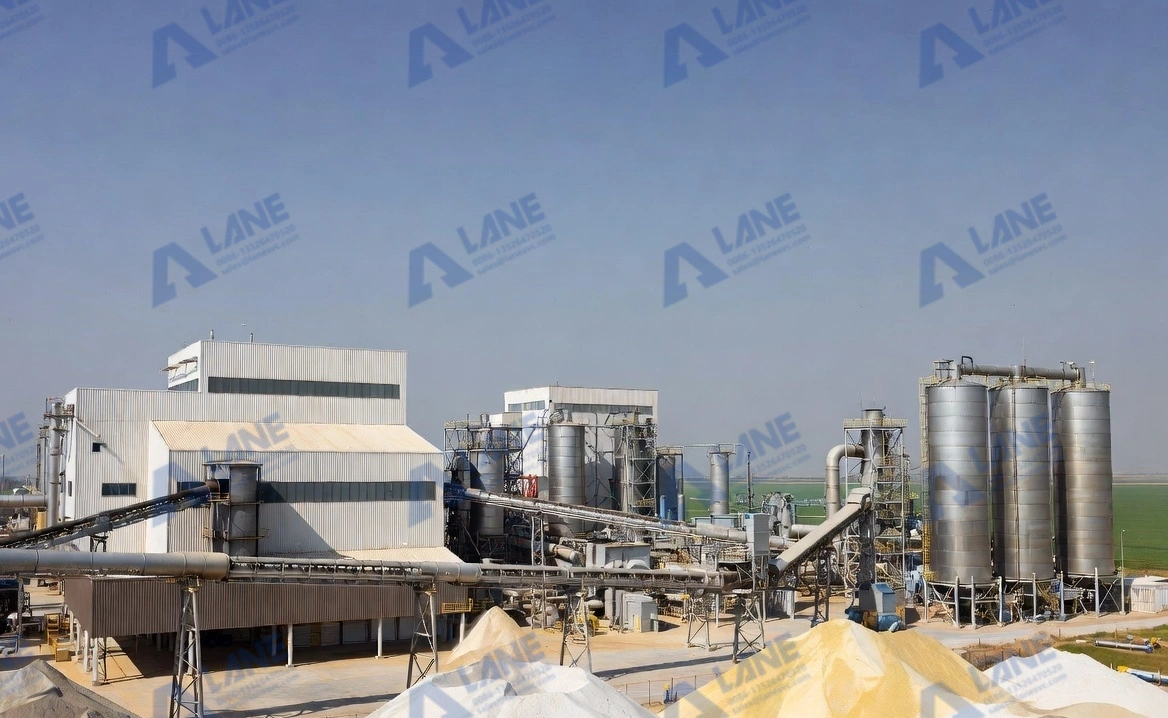
The equipment list must follow the selected process route. A wet SSP granulation line may include a mixer, granulator, dryer, cooler, screener, conveyors, dust collection and packing equipment. A dry compaction route has a different critical path and may require a roller press system and downstream screening. Buyers should review the SSP production line equipment list rather than assume that a quotation covers every auxiliary item.
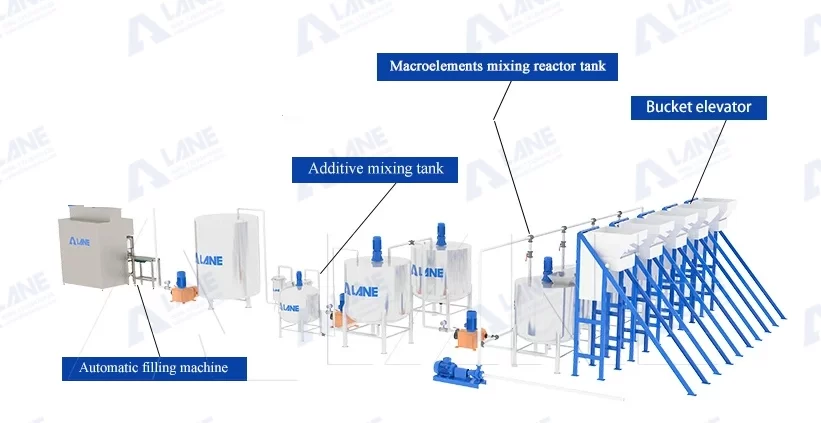
The SSP plant lead time can be extended by a component that is small in physical size but critical to final assembly. A motor, reducer, special lining, electrical control panel or imported instrument can delay completion if its specification is approved late. Ask the supplier to identify critical purchased components, their planned order dates and the latest date for approving substitutions.
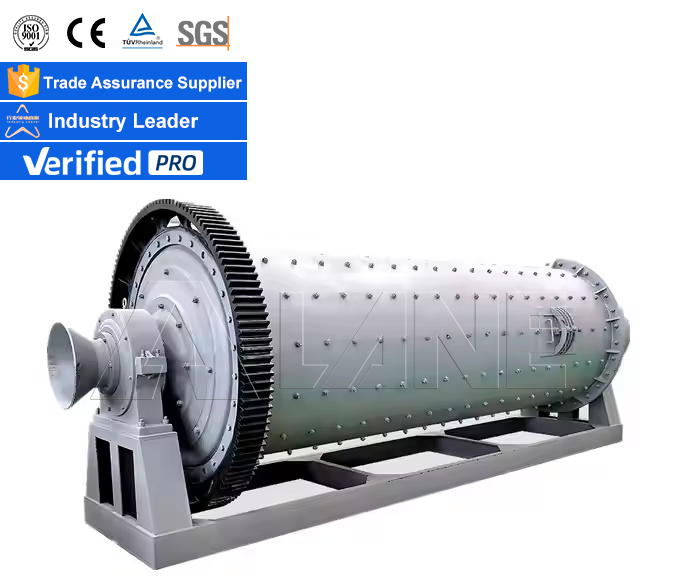
Raw material preparation also affects engineering freeze. If phosphate rock fineness or feed characteristics are still changing, the grinding and conveying duty may need revision. LANE lists a ball mill for fertilizer and mineral grinding; confirm the required feed size, target fineness, throughput and drive arrangement before fabrication drawings are released.
Granulation route selection should also be settled early. The double roller granulator uses mechanical pressure to compact powder, while wet granulation requires a different downstream moisture-management arrangement. If a dryer and cooler are included, confirm the drum cooling dryer scope, access platforms, drive components and duct connections. Late changes to these interfaces can push back both fabrication and site installation.
For this reason, the SSP plant lead time should be reviewed against the final equipment list, not just the main machine names. Conveyors, elevators, dust collection, electrical cabinets, platforms and interconnecting parts can affect when the complete line is ready for dispatch.
How Can Buyers Shorten SSP Plant Lead Time Without Increasing Risk?
The safest way to shorten SSP plant lead time is to remove approval delays and scope changes, not to skip inspection or reduce engineering detail. Buyers can make a measurable difference before the purchase order is released.
- Submit representative phosphate rock analysis, moisture data and required product specifications with the inquiry.
- Confirm whether the project produces powder SSP, granular SSP or both, and identify the selected process route.
- Provide a dimensioned site plan, building height, foundation information and utility data.
- Approve the process flow diagram, general arrangement, motor list and equipment data sheets within agreed review periods.
- Freeze the battery limits: clarify which party supplies tanks, acid pumps, pipelines, cables, foundations, steel platforms, dust collection and packing systems.
- Agree on inspection and document requirements before fabrication starts, including whether the buyer will witness the factory acceptance test.
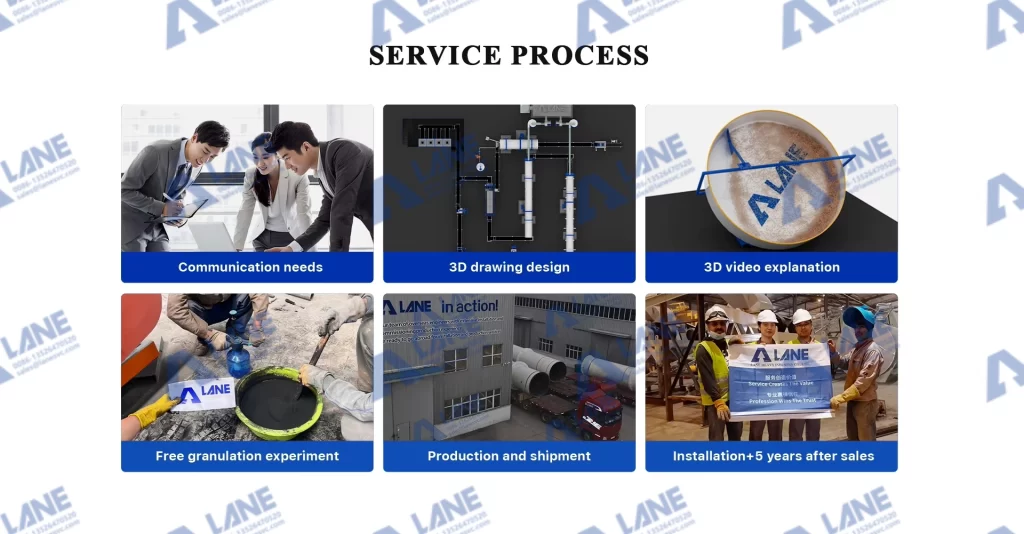
Do not ask the supplier to compress the schedule by promising dispatch before the equipment has passed the agreed checks. LANE’s SSP equipment guide states that factory tests are carried out on each machine before delivery and that overseas installation and operator training can be arranged. Those activities should be written into the project schedule, with the required scope and dates confirmed in the quotation.
A practical SSP plant lead time plan also assigns a person to each approval. If the buyer’s engineering team, local contractor and equipment supplier all assume that another party is responsible for foundation loads or cable interfaces, the issue often appears only when installation is due to start.
What Should the Purchase Contract Say About Lead Time?
A dependable SSP plant lead time commitment needs a clear starting point. “Delivery within X days after order” is incomplete if the contract does not define what counts as an effective order. Is it the date of deposit receipt, technical specification approval, drawing approval or receipt of all buyer-supplied data?
The contract should state:
- The schedule commencement event and the documents required to trigger it.
- Separate target dates for drawing submission, drawing approval, factory completion, FAT, dispatch and site support.
- Buyer review periods and the effect of late approvals or changes.
- The agreed inspection scope, acceptance criteria and treatment of punch-list items.
- Delivery terms, named port or destination, packing responsibility and shipping-document requirements.
- Whether installation supervision, commissioning, travel, accommodation and operator training are included or separately priced.
For quality assurance, ask what inspection records and traceability documents will be supplied. The ISO 9001 quality management standard provides a framework for a manufacturer’s quality management system; it does not prescribe a delivery duration or guarantee that a specific machine will meet your process requirements. Buyers should still review the actual inspection plan, test records and contract acceptance criteria.
How Do Shipping and Site Readiness Affect the Actual Start-Up Date?
A machine can leave the factory on schedule and still arrive too late for the planned production start. Ocean freight depends on the origin and destination ports, sailing frequency, transshipment, seasonal congestion, customs clearance and inland transport. These variables change, so the supplier’s factory completion date should never be presented as the plant arrival date.
For an accurate SSP plant lead time estimate, ask the supplier or freight forwarder to quote the route, shipping mode, estimated transit window, port handling assumptions and document cut-off dates. Confirm whether the shipment is containerized or requires special handling for oversized equipment. Request the packing dimensions and gross weights early so your logistics team can check container availability, lifting points and import requirements.
Site readiness is equally important. Before dispatch, the buyer should have foundations released, anchor bolts checked, access roads prepared, unloading equipment booked and electrical and utility interfaces available. For an SSP facility, acid storage and transfer arrangements, corrosion-resistant piping, ventilation and dust collection interfaces also need to be coordinated with the plant layout. A late civil-work handover can leave delivered equipment waiting in storage and may create demurrage or rehandling costs.
Do not treat the SSP plant lead time as complete when the bill of lading is issued. The project schedule should continue through customs clearance, inland transport, mechanical installation, electrical connection, dry running, process commissioning and operator handover.
FAQ: What Do Buyers Need to Confirm Before Ordering?
Can a supplier give a fixed SSP plant lead time before reviewing my project?
No, not responsibly. A meaningful commitment requires the capacity, process route, equipment scope, raw material data, customization level and delivery destination. Ask for a preliminary schedule first, then a contract schedule after technical clarification.
Does equipment manufacturing lead time include ocean shipping?
No, unless the quotation explicitly says so. Manufacturing completion, dispatch, port handling, ocean transit, customs clearance and inland delivery are separate milestones. Check the Incoterms and named delivery point.
Can installation and commissioning be included in the project schedule?
Yes. LANE states that it can provide remote technical guidance and on-site installation guidance. Confirm engineer availability, the number of site days, travel costs, customer-provided labor and commissioning responsibilities in writing.
What information should I send to obtain a reliable quotation and schedule?
At least six items are needed: target capacity, phosphate rock analysis, required SSP product form and specification, selected process route if known, site location and layout, and available utilities. Also state whether you need a complete line or selected equipment only.
What can delay an SSP project after the equipment is manufactured?
The most common project risks are incomplete foundations, unavailable utilities, delayed customs clearance, missing installation materials, late raw material delivery and unresolved punch-list items. Keep these activities on the same integrated schedule as equipment fabrication.
Final Buyer Checklist: Is the Quoted Schedule Verifiable?
Before accepting the proposed SSP plant lead time, check three things: first, the schedule has a defined start event and separate engineering, fabrication, FAT and dispatch milestones; second, the equipment scope and buyer-supplier interfaces are frozen; third, shipping, site preparation and commissioning are shown as separate activities with named responsibilities.
A short factory lead time is not useful if the project arrives without approved drawings, complete auxiliary equipment or a realistic installation plan. Compare suppliers on schedule transparency, technical completeness and the evidence provided at each milestone—not on the smallest number of days in a sales quotation.
For a project-specific SSP plant lead time estimate, equipment list, 3D layout and delivery schedule, contact LANE with your raw material information and target output.
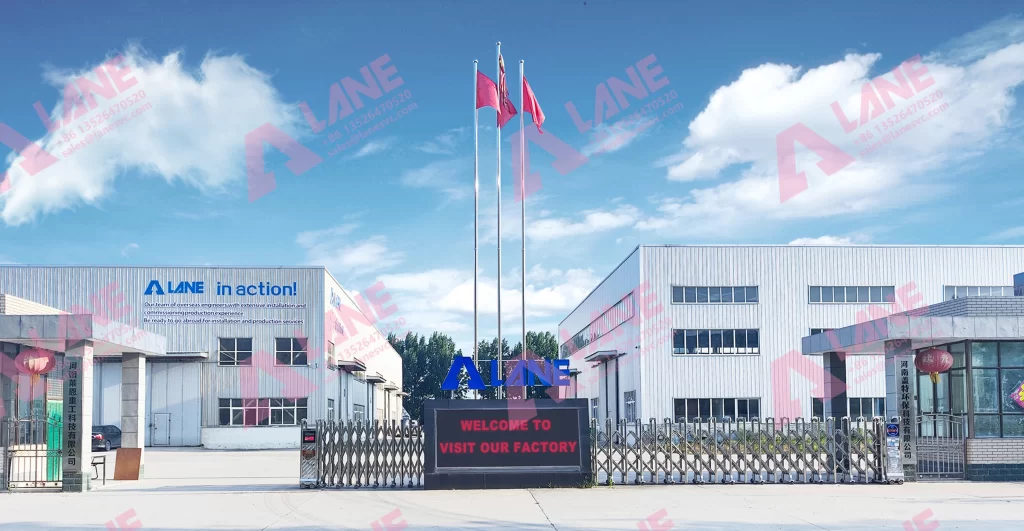
For more details, please feel free to contact us.
Henan Lane Heavy Industry Machinery Technology Co., Ltd.
Email: sales@lanesvc.com
Contact number: +86 13526470520
Whatsapp: +86 13526470520