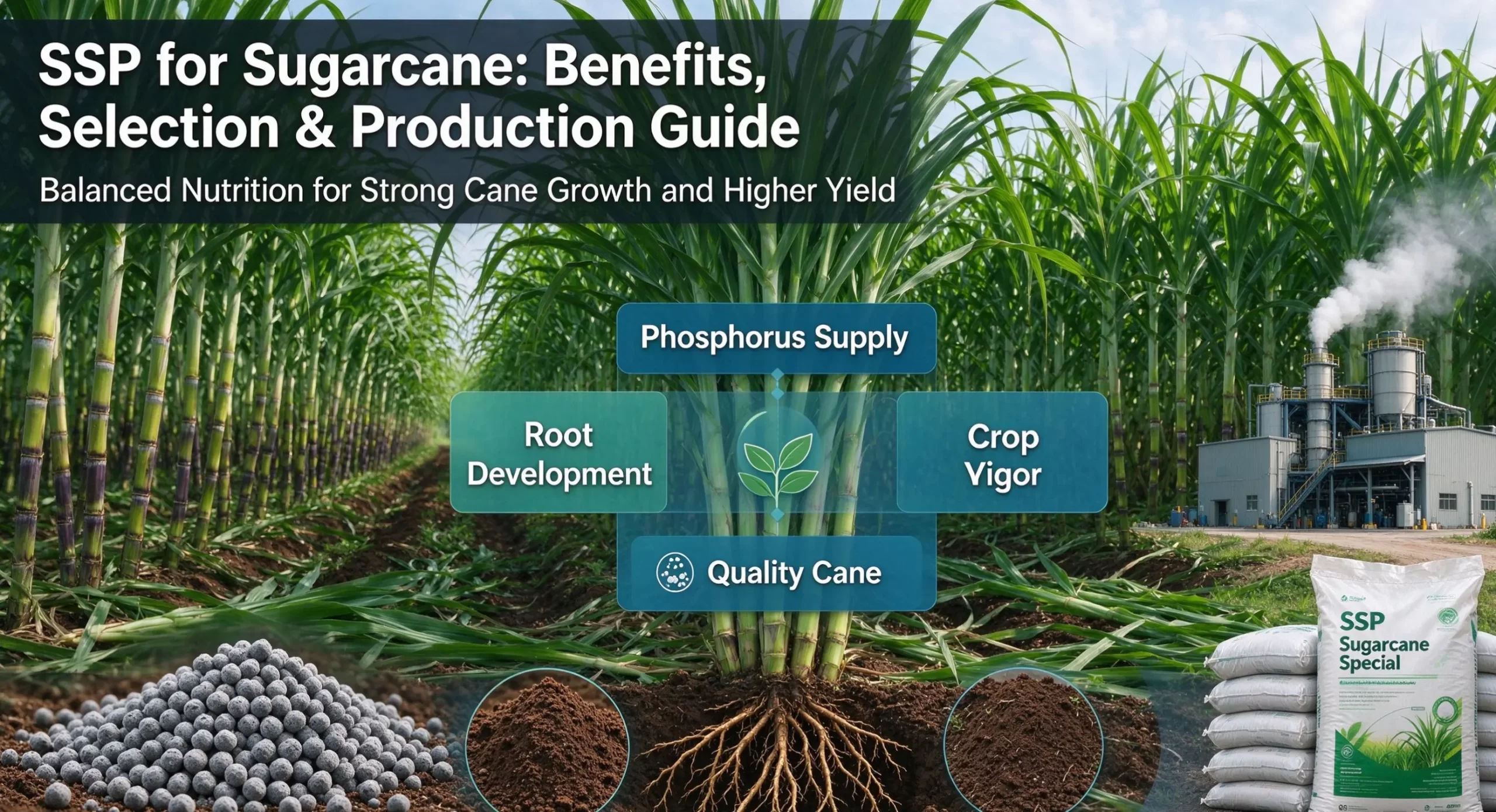
SSP for Sugarcane: Benefits, Selection & Production Guide
- 2026-11-07
Sugarcane is a nutrient-demanding crop with a long growing period, repeated harvest cycles and substantial nutrient removal. Choosing the right phosphate fertilizer is therefore not simply a matter of comparing the P₂O₅ percentage on a bag. SSP for sugarcane can be a practical option where fields need phosphorus and can also benefit from sulfur and calcium. However, its value depends on soil-test results, crop stage, application method and the cost of delivering available nutrients to the field.
For fertilizer manufacturers and plant investors, there is a second question: what type of SSP should the market receive? Powdered and granular products have different handling characteristics, production requirements and commercial costs. A profitable project must connect local sugarcane fertilizer demand with a realistic product specification and an appropriately designed production line.
This guide examines the agronomic considerations first, then moves to SSP quality, product form, manufacturing equipment and supplier evaluation.
1. Why Do Sugarcane Growers Consider SSP?
Phosphorus is important during early sugarcane development. It supports root growth, energy transfer and the establishment of a productive crop stand. When available soil phosphorus is insufficient, restricted phosphorus nutrition can limit root development and the plant’s ability to use water and other nutrients.
SSP, or single superphosphate, supplies phosphorus in a relatively accessible form. It also contains calcium sulfate, which provides sulfur and calcium. This combination makes SSP for sugarcane worth considering in fields where these nutrients are required together.
The product is manufactured by reacting finely ground phosphate rock with sulfuric acid. The resulting material contains monocalcium phosphate and calcium sulfate. Commercial SSP grades commonly fall around 16–18% P₂O₅ in standard fertilizer references, although actual guarantees vary by market and product. Buyers should confirm the guaranteed analysis rather than assume every supplier offers the same grade.
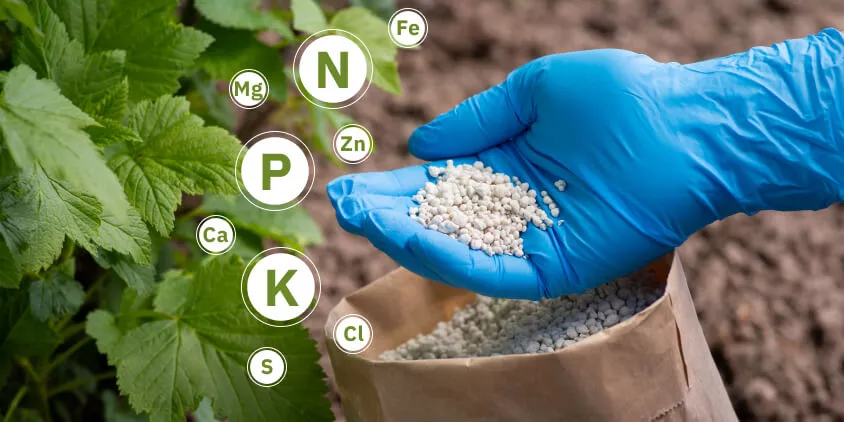
There is one important limitation: SSP is not a complete fertilizer. It does not provide the nitrogen and potassium that sugarcane needs in substantial quantities. A grower should assess it as one component of a balanced nutrient program, not as a replacement for compound fertilizer or a full NPK plan.
For manufacturers, this distinction matters commercially. The strongest market for SSP is not necessarily the region with the highest sugarcane acreage. It is the region where soil conditions, nutrient recommendations, fertilizer distribution and customer economics support a sulfur-containing phosphate product.
2. How Much Phosphorus Does Sugarcane Need?
There is no single phosphorus rate that applies to every sugarcane farm. Soil type, extractable phosphorus, crop history, yield potential and local nutrient-management rules all influence the recommendation.
The Australian Sugarcane Nutrition Manual recommends soil sampling before each five-year crop cycle. It also explains that phosphorus is relatively immobile in soil and that plant cane may require a different rate from ratoon cane because cultivation and soil mixing differ.
This is why SSP for sugarcane should be evaluated using local soil-test interpretation rather than a universal application figure.
Plant cane and ratoon cane are not the same purchasing case
Plant cane is established from setts and normally involves more soil preparation. Ratoon cane regrows from the remaining stubble after harvest. Its root environment, fertilizer placement options and nutrient removal history differ.
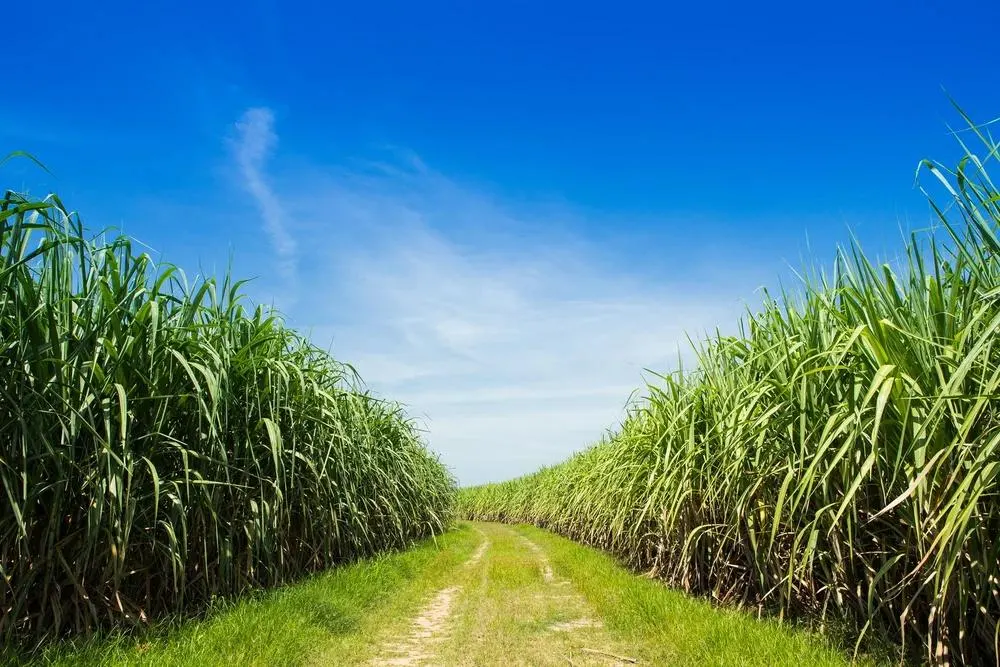
In some regions, phosphorus is applied before or at planting. In ratoon systems, fertilizer may be placed along the cane row during early cultivation. The appropriate method depends on local machinery, soil moisture, trash management and field conditions.
| Crop Situation | Phosphorus Decision | Application Consideration |
|---|---|---|
| New Plant Cane | Use pre-plant soil tests to establish P requirement | Broadcast and incorporate where recommended, or place in a suitable band |
| Replant Cane | Account for previous crop removal and soil P status | Avoid assuming the previous crop’s rate remains appropriate |
| First Ratoon | Reassess P availability and expected yield | Row-side or subsurface placement may improve access |
| Later Ratoon Crops | Consider soil-test trends and nutrient removal | Avoid repeating a fixed rate without checking soil P |
| High-P Soil | Confirm whether additional P is needed | More fertilizer may add cost without improving yield |
Phosphorus application should be based on soil-test results rather than a fixed rate repeated across every crop cycle. Research-based recommendations from the University of Florida IFAS Extension show that phosphorus requirements can differ between plant cane and ratoon crops, depending on soil phosphorus levels. Band placement is also an established management practice in Florida sugarcane production, helping growers target fertilizer applications according to local soil conditions.
For a manufacturer selling SSP for sugarcane, this creates a useful commercial opportunity: provide consistent product specifications and application information that help distributors serve different crop systems, rather than selling on nutrient percentage alone.
3. What Makes SSP Different from Other Sugarcane Phosphate Fertilizers?
SSP competes with products such as DAP, MAP and TSP. These fertilizers are not interchangeable in every nutrient program.
SSP’s main distinction is the combination of phosphorus, sulfur and calcium. DAP and MAP also supply nitrogen, while TSP is a more concentrated phosphorus source without the same sulfur contribution.
A buyer should compare the cost of delivering the required nutrients, not simply the price per tonne. A lower-analysis product may be commercially attractive when sulfur is also needed and local transport costs are manageable. Conversely, where freight is expensive and sulfur is already sufficient, a more concentrated phosphate source may be preferable.
| Fertilizer | Main Nutrient Contribution | Consideration for Sugarcane |
|---|---|---|
| SSP | Phosphorus, sulfur and calcium | Useful where P is needed together with S and/or Ca |
| TSP | Concentrated phosphorus | Consider when phosphorus is the main requirement |
| DAP | Nitrogen and phosphorus | Include its nitrogen contribution in the fertilizer plan |
| MAP | Nitrogen and phosphorus | Useful where both nutrients are required |
| Rock Phosphate | Phosphorus with relatively low solubility | Suitability depends strongly on soil pH and rock reactivity |
This comparison is a product-selection guide, not a crop-specific recommendation. Soil tests and regional agronomic guidance should determine the actual fertilizer choice.
For additional background on the product’s plant-nutrition role, see our related guide: Is Single Superphosphate Good for Plants?.
4. What SSP Specifications Should Sugarcane Fertilizer Buyers Check?
A fertilizer plant can produce a large volume of SSP and still struggle commercially if its product does not match the buyer’s specification. Nutrient content, moisture, particle size and free acidity all affect whether the material can be stored, transported and applied consistently.
For SSP for sugarcane, buyers should request a certificate of analysis and check the following items before accepting a shipment:
- Total P₂O₅: The guaranteed phosphorus content.
- Water-soluble P₂O₅: A separate measure that helps assess the soluble phosphorus fraction.
- Sulfur: Confirm whether the result is reported as elemental S or SO₃.
- Calcium: Check the guaranteed value and reporting basis.
- Moisture: Excess moisture can contribute to caking and handling problems.
- Particle size: The size distribution should match the intended application equipment.
- Free acid: Confirm the agreed limit and test method.
- Impurities: Check relevant contaminants against destination-market requirements.
The distinction between total and water-soluble P₂O₅ is particularly important. Two products carrying similar headline phosphorus percentages may not have the same nutrient profile or commercial acceptance.
Do not accept a quotation that simply states “standard SSP quality.” Ask for the guaranteed values, testing methods, sampling procedure and tolerance limits. A supplier should be able to explain how its process controls these properties.
5. Should Manufacturers Produce Powdered or Granular SSP?
The answer depends on the customers’ handling systems and the economics of the target market.
Powdered SSP has a shorter finishing route. After acidulation, denning, cutting and curing, the material can be conditioned, screened where necessary and packaged. This can reduce the number of finishing machines and avoid the additional drying demand associated with wet granulation.
Its weakness is physical handling. Fine material can generate dust, cake during storage and create difficulties in bulk blending. Distributors must have suitable storage and transfer arrangements.
Granular SSP is generally easier to handle mechanically and can be more convenient for bulk blending and spreading. However, the plant needs a granulator, dryer, cooler, screens and a recycle system. Those additions increase capital requirements, energy consumption and process-control demands.
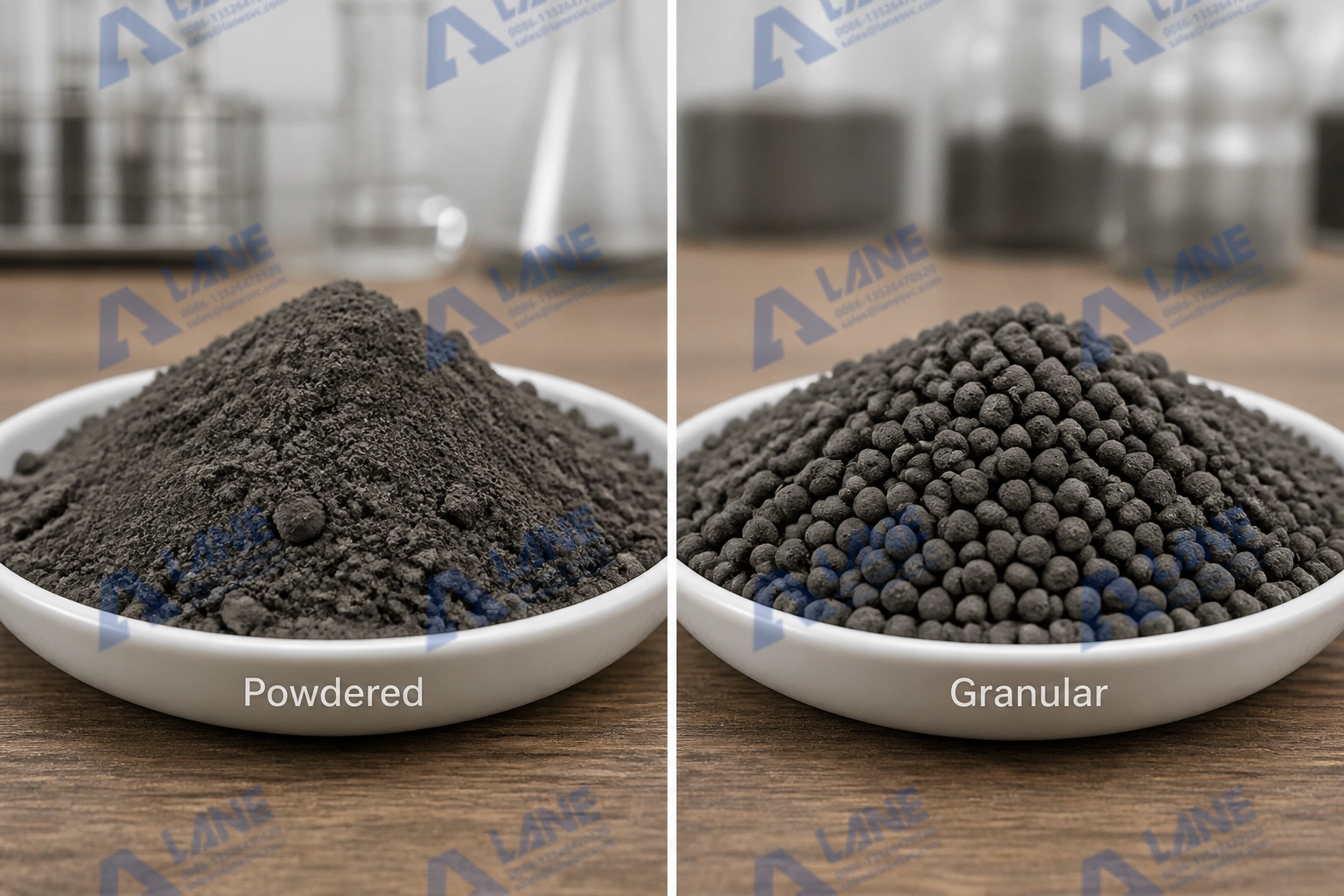
For SSP for sugarcane, manufacturers should first interview fertilizer distributors, plantation operators and local blending companies. Ask about preferred particle size, bag size, bulk delivery, storage duration and application machinery. The answers should determine the product route.
A granulation line should not be added simply because granular fertilizer looks more advanced. If the market buys powder and has the equipment to handle it, extra finishing machinery may not generate a sufficient return.
6. How Is SSP Manufactured for Commercial Fertilizer Supply?
The basic SSP manufacturing process begins with phosphate rock and sulfuric acid. The rock is crushed and ground, then metered into a mixer where it reacts with acid. The reaction mass moves through a den or setting conveyor before being cut and transferred to a curing area.
After curing, the product can be finished as powder or sent to a granulation section.
A typical process includes:
- Raw material preparation: Receive, sample, crush and grind phosphate rock.
- Acid storage and metering: Store sulfuric acid safely and control the feed rate.
- Acidulation: Mix ground rock with sulfuric acid under controlled conditions.
- Denning and cutting: Allow the reaction mass to set before cutting or disintegration.
- Curing: Provide sufficient residence time for the reaction to progress.
- Optional granulation: Add a granulator and recycle system when granular SSP is required.
- Drying and cooling: Adjust moisture and product temperature.
- Screening and packaging: Separate on-size material, recycle off-size fractions and prepare the finished product.
The reaction behavior depends on phosphate-rock mineralogy, particle size, carbonate content, acid concentration, moisture and mixing conditions. Two phosphate rocks with similar P₂O₅ content can behave differently during acidulation.
That is why a supplier should review a representative raw-material analysis before finalizing equipment duties. A design based on an assumed rock grade can lead to unexpected acid consumption, poor conversion or unstable product quality.
7. Which Equipment Should Be Included in an SSP Production Line?
An SSP project should be evaluated as an integrated process, not as a collection of machines with individual capacity labels.
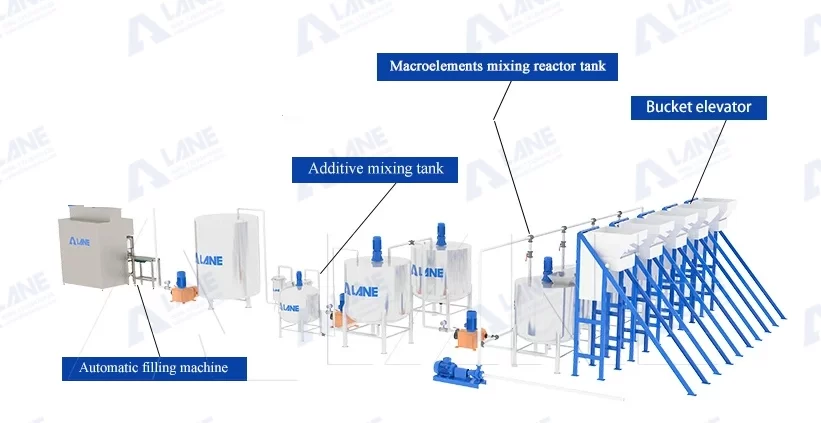
A typical SSP for sugarcane product project may require the following equipment packages:
- Rock receiving hopper, crusher and grinding mill.
- Raw-material storage bins and weighing feeders.
- Sulfuric acid storage tank, pumps and metering equipment.
- Acidulation mixer and den conveyor.
- Cutting, conveying and curing-area equipment.
- Optional granulator, rotary dryer and cooler.
- Vibrating screens, crushers and recycle conveyors.
- Dust collection and wet gas-scrubbing equipment.
- Finished-product storage, weighing and packaging systems.
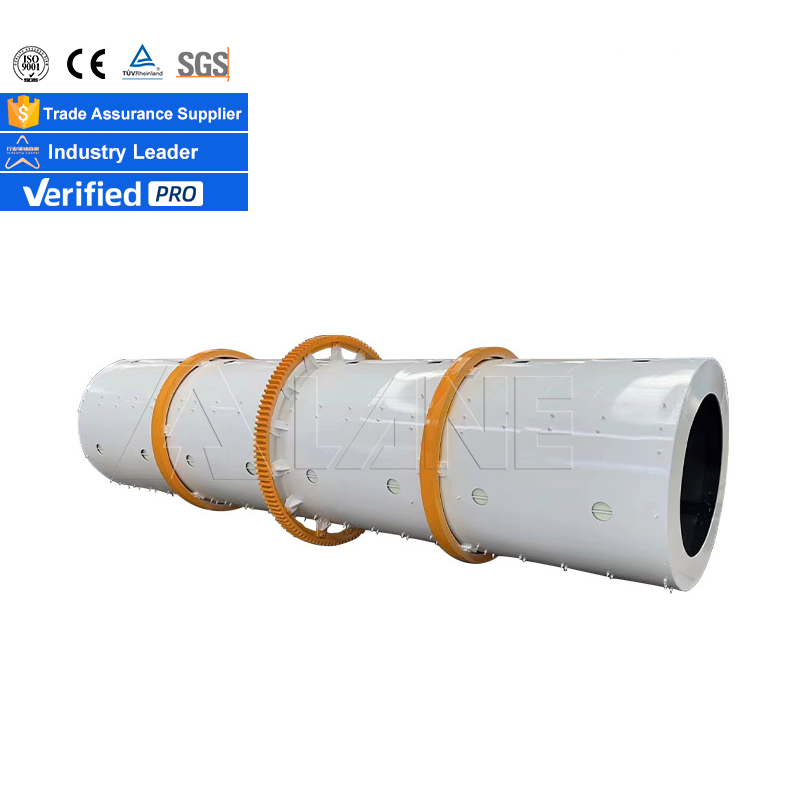
The exact configuration depends on whether the customer wants powder, granules or both.
LANE’s SSP Fertilizer Production Line website focuses on single superphosphate manufacturing equipment. For broader fertilizer equipment information, buyers can also review Fertilizer Industry Leader and LANE Machinery.
One area deserves special attention: environmental control. SSP acidulation can release fluoride-bearing gases and acidic mist. The project should include an appropriate gas collection and scrubbing system, with final design based on the process gas load and local environmental permit requirements. Dust collection is also important around rock grinding, cutting, screening and packaging.
8. What Determines SSP Plant Investment and Operating Cost?
A reliable equipment budget cannot be calculated from the target tonnes per hour alone.
The total investment depends on the raw-material preparation system, acid storage and handling, reaction equipment, curing capacity, product finishing route, environmental controls, civil works, utilities and installation scope.
Operating cost is influenced by:
- Phosphate-rock quality and grinding energy.
- Sulfuric acid consumption and delivered price.
- Product conversion and material losses.
- Curing inventory and storage requirements.
- Dryer fuel and electricity, if granulation is included.
- Recycle load and screening efficiency.
- Maintenance of corrosion- and abrasion-exposed components.
- Packaging, labor and environmental management.
A frequently underestimated cost is curing capacity. The mixer and den may produce material continuously, but the plant cannot sell it as finished product until it has completed the required curing and quality checks. If the curing area is undersized, finished-product output may fall below the nominal process capacity.
Another hidden cost is the interface between equipment packages. A granulator may be correctly sized on paper but still operate poorly if upstream feed moisture varies or the recycle conveyor cannot handle the actual load.
For an investor targeting SSP for sugarcane markets, the right comparison is therefore the cost per tonne of saleable, specification-compliant product—not the equipment price alone.
9. What Should Buyers Ask Before Ordering an SSP Plant?
Before comparing quotations, define the raw materials, target product and project boundaries. Otherwise, two suppliers may quote different scopes while presenting similar nominal capacities.
Ask each supplier to provide:
- A process flow diagram and general arrangement drawing.
- The design basis for phosphate rock and sulfuric acid.
- The guaranteed finished-product capacity and quality.
- The expected curing time and required curing inventory.
- Utility consumption and recycle-load assumptions.
- Equipment material specifications for acid and abrasive service.
- Dust collection and gas-scrubbing scope.
- Installation, commissioning and operator-training responsibilities.
- Performance-test conditions and sampling methods.
- Spare-parts lists and after-sales support arrangements.
The contract should define whether capacity means raw-material feed, intermediate SSP or finished saleable product. It should also identify which party supplies acid storage, scrubber liquor handling, civil foundations, electrical connections and packaging equipment.
For a plant producing SSP for sugarcane, the product specification should be agreed before equipment selection. Otherwise, a low-cost line may be unable to achieve the particle size, moisture or nutrient guarantees expected by local distributors.
10. FAQ: SSP for Sugarcane and Production Equipment
1. Is SSP a good fertilizer for sugarcane?
SSP can be a suitable phosphorus source where soil tests show a phosphorus requirement and sulfur or calcium is also needed. It should be included in a balanced fertilizer program rather than used as a complete fertilizer.
2. Does sugarcane need phosphorus in every ratoon crop?
Not necessarily at the same rate. Soil phosphorus, crop history, expected yield and local recommendations should determine whether additional phosphorus is required for each ratoon.
3. Can SSP supply both phosphorus and sulfur?
Yes. SSP contains monocalcium phosphate and calcium sulfate, so it supplies phosphorus as well as sulfur and calcium. The guaranteed nutrient analysis should be checked for each product.
4. Is granular SSP better than powdered SSP for sugarcane?
Granular SSP is generally easier to handle mechanically, while powdered SSP may be suitable for markets with established powder-handling systems. The choice depends on customer equipment and local distribution costs.
5. What is the normal P₂O₅ content of SSP?
Common standard references describe SSP grades around 16–18% P₂O₅, but actual commercial specifications vary. Buyers should confirm total and water-soluble P₂O₅ separately.
6. What raw materials are needed for an SSP production line?
The main raw materials are phosphate rock and sulfuric acid. Water, fuel, packaging materials and process-specific recycle streams may also be required.
7. What determines the capacity of an SSP plant?
Capacity depends on raw-material quality, grinding and reaction performance, curing inventory, finishing equipment, operating hours and the required saleable product specification.
8. Can one SSP plant produce both powder and granular fertilizer?
Yes, if the layout includes the necessary storage, material transfer and optional granulation section. The process route should be planned before construction to avoid costly modifications.
Conclusion: Match the SSP Product to the Sugarcane Market
The commercial case for SSP is strongest when its phosphorus, sulfur and calcium contribution matches the nutrient needs of the target region. Sugarcane growers should use soil tests and crop-specific guidance to determine phosphorus requirements, while fertilizer manufacturers should build their product specifications around actual distributor and plantation demand.
For investors, the most important decisions are the phosphate-rock quality, acidulation design, curing capacity, powder or granular product route, environmental-control scope and finished-product guarantees. A production line should be selected according to saleable output and verified product quality, not just its nominal capacity.
If you are planning an SSP for sugarcane project, Henan Lane Heavy Industry Machinery Technology Co., Ltd. can help assess the process route, equipment configuration and production requirements according to your raw materials and target market.
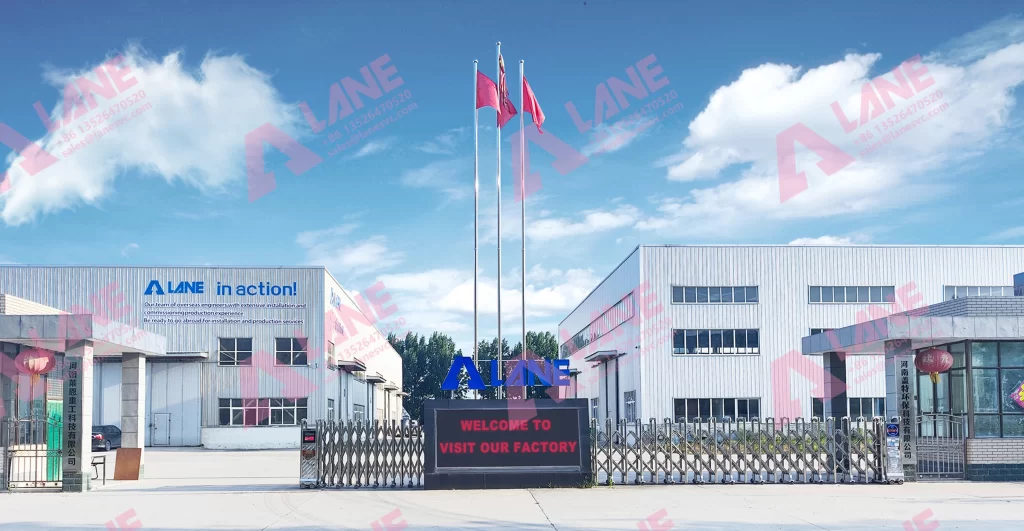
For more details, please feel free to contact us.
Henan Lane Heavy Industry Machinery Technology Co., Ltd.
Email: sales@lanesvc.com
Contact number: +86 13526470520
WhatsApp: +86 13526470520