SSP for Rice: Fertilizer Guide & Plant Selection
- 2026-11-10
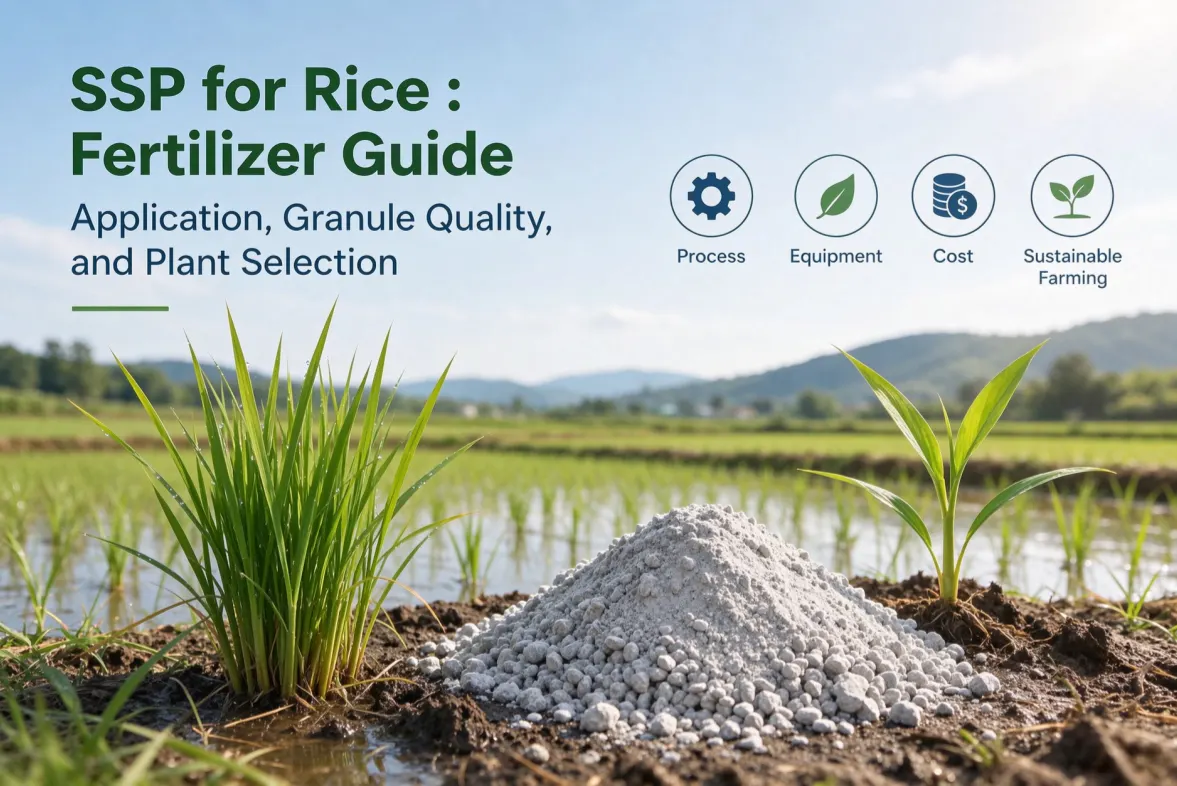
Rice growers need a phosphorus program that matches soil conditions, water management and the crop’s growth cycle. SSP for rice is worth considering because single superphosphate supplies phosphorus together with sulfur and calcium. However, it is not a complete rice fertilizer, and its value depends on whether the field actually needs these nutrients.
For fertilizer manufacturers, distributors and project investors, the commercial question is slightly different: can SSP be produced at a competitive cost, with a stable nutrient grade and physical quality that local rice markets will accept? A low-cost production line is not necessarily a profitable one if the finished product has inconsistent water-soluble phosphate, excessive moisture or poor granule strength.
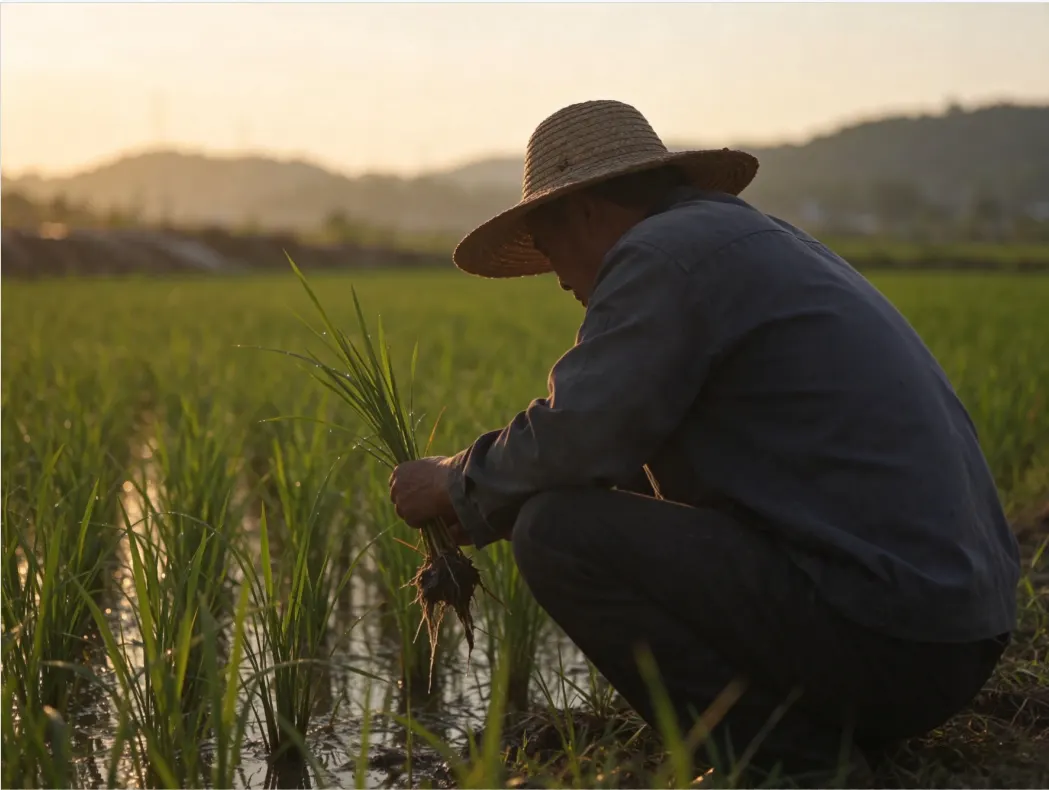
This guide examines the agronomic role of SSP in rice production and the equipment decisions behind a reliable SSP manufacturing project. It is intended for fertilizer buyers, plant owners, technical managers and procurement teams evaluating product specifications or production capacity.
1. Why Is SSP Worth Considering for Rice Fertilization?
Single superphosphate is a straight phosphate fertilizer manufactured by reacting finely ground phosphate rock with sulfuric acid. Its main useful components are monocalcium phosphate and calcium sulfate, commonly known as gypsum.
The main commercial advantage of SSP for rice is that it supplies three nutrients in one product:
- Phosphorus (P): supports early root development, energy transfer, tillering and crop development.
- Sulfur (S): contributes to protein formation and several essential plant processes.
- Calcium (Ca): supports cell-wall structure and normal plant growth.
This combination can be useful in rice-growing areas where soil tests indicate a need for phosphorus and sulfur, or where calcium supply is also relevant.
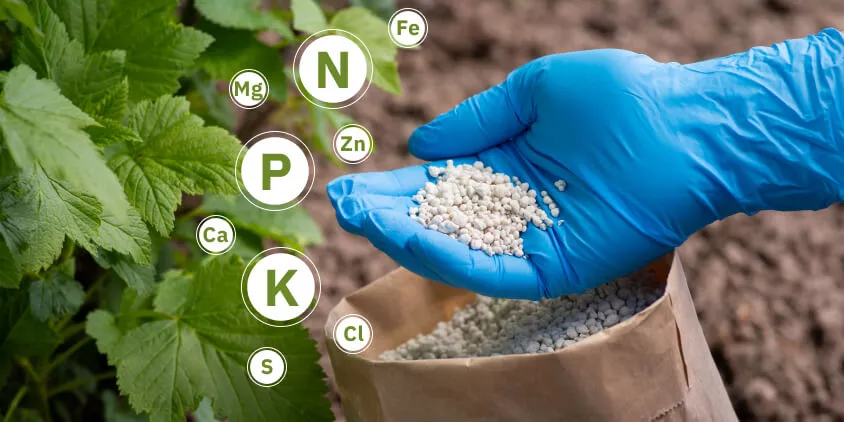
But buyers should not confuse a three-nutrient product with a complete fertilizer. SSP does not provide meaningful nitrogen or potassium. Rice production still requires a nutrient program that accounts for N, P and K, with other nutrients such as zinc considered where local soil conditions indicate a deficiency.
The practical judgment is straightforward: SSP for rice makes the most sense when its combined nutrient contribution matches the field’s requirements. If a farm needs mainly nitrogen and potassium, purchasing SSP simply because it contains several nutrients may increase fertilizer handling and total input costs without solving the main problem.
2. How Does Flooded Soil Change the Value of SSP for Rice?
Rice is often grown under flooded conditions, and flooding changes soil chemistry. This is one reason why phosphorus recommendations for rice cannot simply be copied from recommendations for upland crops.
When soil becomes flooded and oxygen is depleted, chemical reactions involving iron and phosphorus change. In some soils, phosphorus availability increases after flooding. As a result, a field that responds to phosphorus under aerobic conditions may show a smaller response under continuous flooding.
The California Department of Food and Agriculture’s rice fertilization guidelines explain that phosphorus availability is generally higher in flooded soils. They also recommend interpreting soil-test results alongside other evidence, rather than relying on a single measurement. See the CDFA Water-Seeded Rice Fertilization Guidelines.
This has several implications for fertilizer buyers and distributors:
- Flooded lowland rice: existing soil phosphorus may become more available after flooding, so additional P should be based on local recommendations.
- Upland or aerobic rice: phosphorus behavior may differ from that in flooded fields. Do not assume the same fertilizer response.
- Rice–soybean rotations: nutrient removal and soil-test requirements may differ between the two crops.
- Fields with a history of phosphorus application: accumulated soil P may reduce the need for additional phosphate fertilizer.
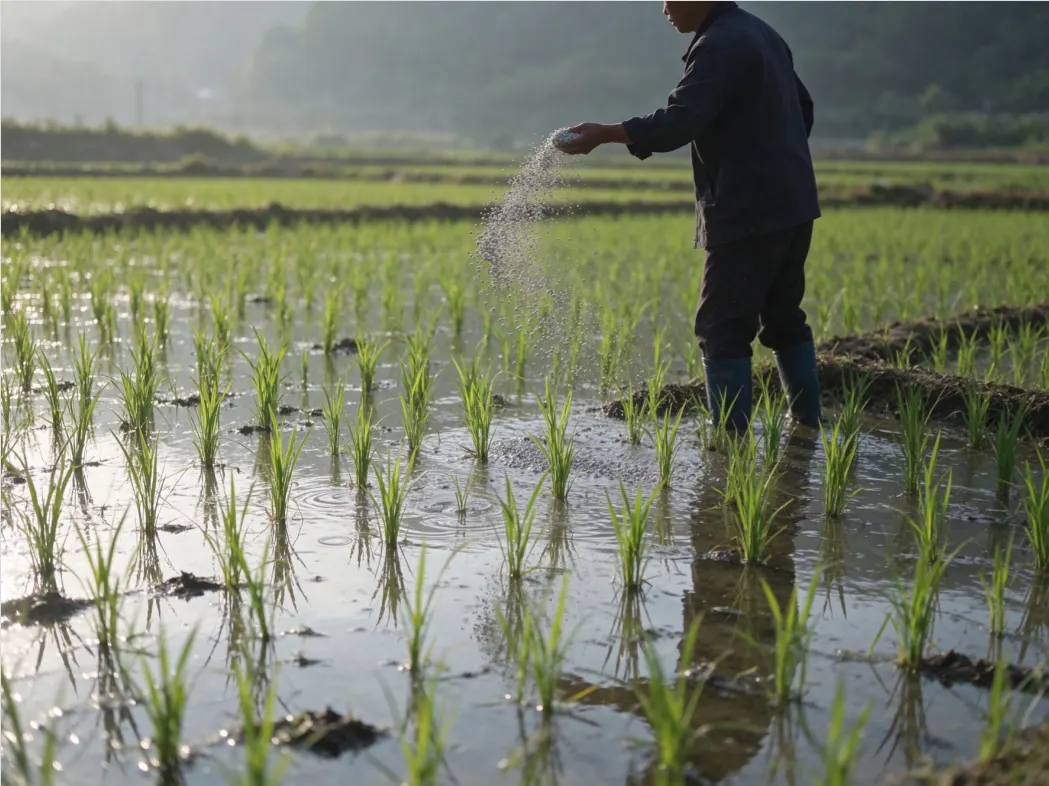
For manufacturers marketing SSP for rice, this distinction matters. Avoid presenting SSP as a universal yield booster. A more credible product proposition is that it provides a soluble phosphate source together with sulfur and calcium, making it suitable for fields where those nutrients are required.
3. Which Rice-Growing Conditions May Benefit from SSP?
The suitability of SSP for rice depends more on soil nutrient status than on the crop name alone.
| Rice-growing situation | Potential role of SSP | What buyers should check |
|---|---|---|
| Flooded lowland rice | Can supply P, S and Ca where deficiencies or local recommendations justify application | Soil-test P, flooding history and local fertilizer guidance |
| Direct-seeded rice | May be considered as part of a pre-plant nutrient program | Seed placement, fertilizer contact and local application practice |
| Transplanted rice | Can contribute phosphorus during field preparation or other locally recommended timing | Soil P status, transplanting schedule and fertilizer placement |
| Upland or aerobic rice | May supply phosphorus where soil tests show a requirement | Soil pH, phosphorus fixation and moisture conditions |
| Rice in rotation with soybean | May contribute P and S to the rotation nutrient program | Nutrient removal by both crops and rotation-specific soil tests |
The table is a decision framework, not a universal fertilizer prescription. Local extension recommendations should determine application rates and timing.
One point deserves special attention: SSP for rice should not be promoted as a substitute for zinc fertilizer. Zinc deficiency can occur in certain rice soils, especially under particular soil and water conditions. SSP contains calcium and sulfur, but it does not automatically correct a zinc shortage.
For buyers supplying multiple rice-growing regions, it is often more useful to offer different product grades and application guidance than to market one fixed formulation for every customer.
To better understand the role of SSP in plant nutrition, read our guide on Is Single Superphosphate Good for Plants?.
4. What SSP Specifications Should Rice Fertilizer Buyers Check?
A fertilizer’s name does not tell the whole story. Procurement teams should compare the guaranteed nutrient analysis, moisture, particle size and physical condition before approving a supplier.
For SSP for rice, the most important specification is available phosphate, usually expressed as P₂O₅ on the product label. Buyers should distinguish between total P₂O₅ and water-soluble P₂O₅. These values are not interchangeable.
Sulfur content is another important item because one of SSP’s commercial advantages is its combined phosphorus and sulfur supply.
The FAO fertilizer specification reference lists powdered SSP with a minimum water-soluble phosphate content of 15.8% P₂O₅ and minimum sulfur content of 11% S in its cited specification. Its granular SSP specification also includes a particle-size requirement. These are reference specifications, not a guarantee that every market uses identical legal requirements. Check the applicable national standard and purchase contract.
| Comparison item | Powdered SSP | Granular SSP |
|---|---|---|
| Main market | Powder fertilizer users and blending operations | Bagged fertilizer distributors and mechanized application markets |
| Process route | Acidulation, denning, curing, crushing and screening | Acidulation, denning, curing or pre-curing granulation, drying and screening |
| Main equipment | Mixer, den, cutter, curing area, crusher, screen and packing system | Powder-route equipment plus granulator, dryer, cooler and additional screening/recycle equipment as required |
| Particle characteristics | Fine particles; dust control is important | More uniform granules; size distribution must be controlled |
| Handling concern | Dust, moisture and caking | Granule breakage, fines and caking |
| Investment consideration | Usually fewer downstream process units | Higher equipment and utility requirements |
| Buyer priority | Chemical quality, fineness and storage stability | Chemical quality, granule size, strength and low fines |
A common procurement mistake is to compare products only by the percentage of P₂O₅ printed on the bag. For SSP for rice, buyers should also evaluate the sulfur contribution, moisture, particle consistency and delivered cost per unit of available phosphate.
5. Granular SSP or Powdered SSP: Which Product Should You Manufacture?
The choice between powdered and granular SSP should be made before the production line is designed. It affects equipment configuration, power consumption, drying requirements, storage and the type of customer the finished product can serve.
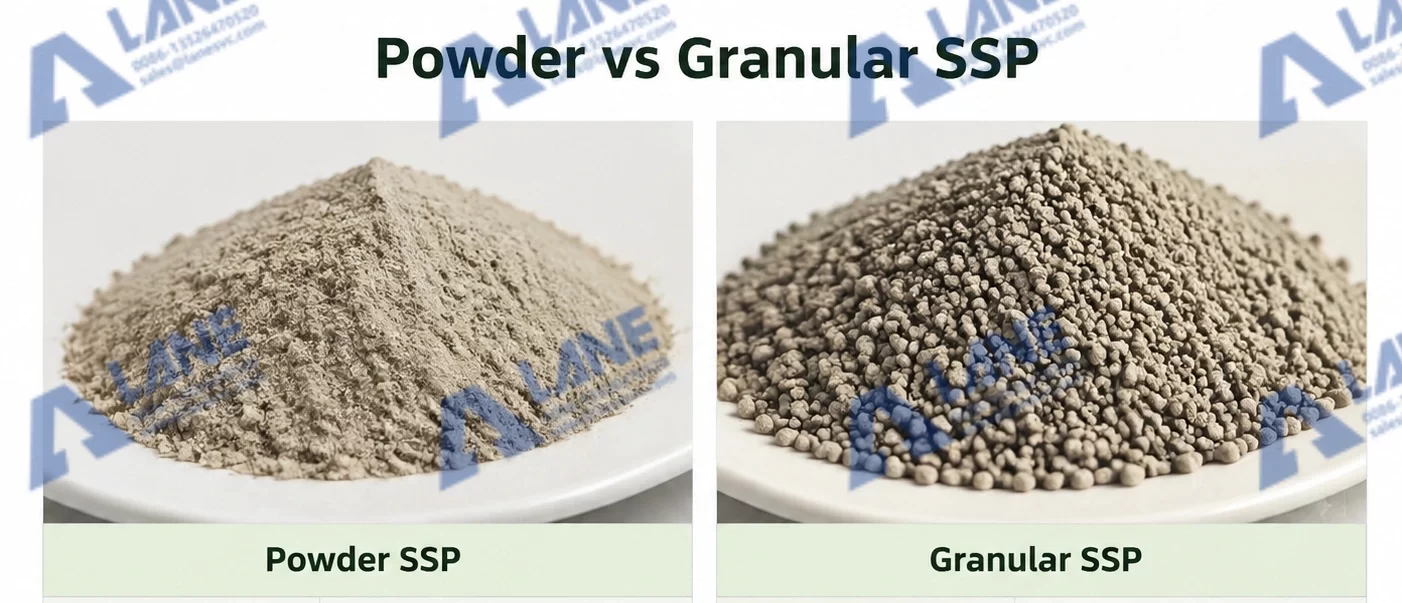
Powdered SSP has a relatively direct process route after acidulation and curing. It may suit markets where powder is accepted for bulk handling, blending or local application. However, dust, moisture absorption and caking need to be controlled.
Granular SSP is often easier to handle in mechanized fertilizer distribution systems. More uniform granules can improve blending and reduce dust during transport, but granulation adds equipment and operating requirements.
| Quality Parameter | What Buyers Should Request | Why It Matters |
|---|---|---|
| Available P₂O₅ | Guaranteed percentage and test method | Determines the product’s phosphate value |
| Water-soluble P₂O₅ | Separate guaranteed value | Helps assess the soluble phosphate fraction |
| Sulfur (S) | Guaranteed percentage | Confirms the additional sulfur contribution |
| Calcium (Ca) | Declared value where commercially relevant | Helps characterize the product’s nutrient profile |
| Moisture | Maximum percentage by weight | Affects storage, handling and product stability |
| Free phosphoric acid | Maximum percentage, where specified | Relevant to product quality and packaging |
| Particle size | Sieve analysis and target distribution | Influences spreading, blending and granule uniformity |
| Granule strength | Test method and minimum requirement | Reduces breakage and fines during transport |
| Caking tendency | Storage or handling test where needed | Affects warehouse handling and customer satisfaction |
For a new SSP for rice product project, the right choice is the one supported by actual customer demand. If local distributors already sell granular phosphate fertilizers and use mechanical spreaders, granular SSP may have a stronger market fit. If the market purchases powder for blending or direct use, adding a full granulation and drying section may not be justified.
Do not select granulation equipment simply because a competitor uses it. First confirm the target particle size, finished-product moisture, granule strength and acceptable fines percentage with potential buyers.
6. What Equipment Is Required for an SSP Production Line?
An SSP plant is not just a mixer and a granulator. The process begins with raw-material preparation and acid handling, and it must include curing, product finishing and environmental control.
A typical production route includes:
- Phosphate rock receiving and preparation: unloading, storage, crushing and grinding to the required fineness.
- Sulfuric acid storage and metering: acid tanks, pumps, pipelines, flow measurement and safe transfer arrangements.
- Acidulation: controlled mixing of ground phosphate rock with sulfuric acid to initiate the reaction.
- Denning and solidification: the reacting material is discharged into a den, where it continues reacting and solidifies.
- Curing: the product is stored to allow the reaction to progress and product properties to stabilize.
- Crushing and screening: cured material is broken down and screened to achieve the required size.
- Optional granulation: material is granulated if the project targets granular SSP.
- Drying, cooling and final screening: moisture and particle size are brought within the agreed product specification.
- Packaging and storage: finished product is weighed, packed or loaded in bulk.
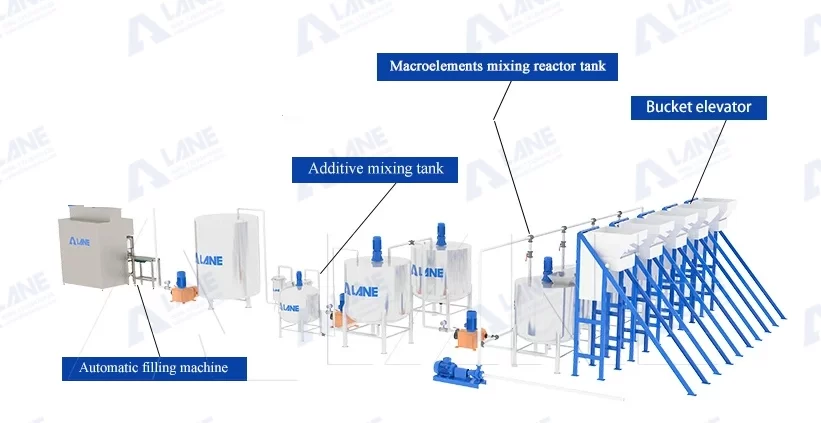
The UNIDO Fertilizer Manual describes the SSP manufacturing stages, including acidulation, denning, curing and optional granulation. It also explains that curing time and process conditions depend on the raw materials and manufacturing conditions.
For a buyer evaluating SSP for rice production, the equipment list should be linked to a process guarantee. A supplier should explain not only what machines are included, but also the operating conditions each machine is designed to handle.
For example, a grinding system should be selected against the phosphate rock’s hardness and required fineness. Acid storage and metering should match the acid concentration, consumption rate and plant capacity. A dryer should be sized according to actual inlet moisture, target outlet moisture and required throughput.
You can review the SSP production line and process information for a reference to the equipment scope.
7. What Production Capacity and Process Details Should Buyers Confirm?
There is no sensible way to choose an SSP production line based on a capacity number alone. A quotation stating 10 tonnes per hour is incomplete unless the supplier defines what those tonnes represent.
Ask whether the stated capacity refers to phosphate rock feed, wet material after acidulation, powder before screening or finished saleable SSP. These figures can differ significantly.
The following information should be included in the technical proposal:
- Raw phosphate rock analysis, including P₂O₅ content and relevant impurities.
- Rock grinding fineness and the expected feed particle-size distribution.
- Sulfuric acid concentration, consumption basis and metering accuracy.
- Expected reaction and curing arrangements.
- Finished-product P₂O₅, sulfur, moisture and particle-size guarantees.
- Granulation rate, recycle ratio and finished-product yield where granular SSP is required.
- Electricity, water and fuel consumption under stated operating conditions.
- Dust collection and acidic fume treatment scope.
- Packaging capacity and finished-product storage requirements.
A particularly underestimated cost is the curing area. Buyers sometimes focus on the mixer, granulator and dryer because these machines are easy to identify in a quotation. But curing requires space, material movement, inventory planning and working capital.
For SSP for rice, the final product must be consistent enough for fertilizer distributors to trust the declared nutrient grade. If a plant produces variable material because the raw rock changes or the acidulation process is poorly controlled, the problem will eventually reach the customer.
8. What Hidden Costs Can Affect an SSP Plant Investment?
The purchase price of the main machines is only one part of the investment. A realistic project budget should include the entire production system.
The main cost drivers are:
- Raw-material quality: lower-grade or variable phosphate rock may increase grinding, acid consumption or process-control requirements.
- Sulfuric acid supply: local price, transport, storage and safe unloading arrangements influence operating cost.
- Curing and storage: land, conveyors, loaders, covered storage and inventory time can add substantial project costs.
- Granulation and drying: granular products require additional machinery, energy and recycle handling.
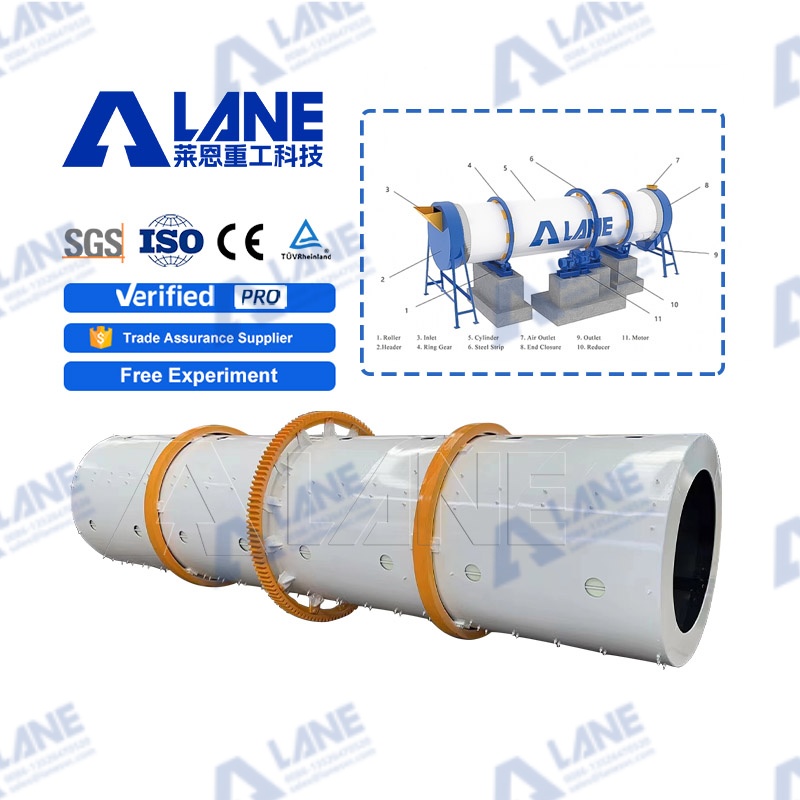
- Environmental protection: dust collection, fume scrubbing, fans, ducts and wastewater or scrubber-liquor management must be included in the project scope.
- Packaging and logistics: bagging, palletizing, warehouse conditions and transport affect the delivered cost.
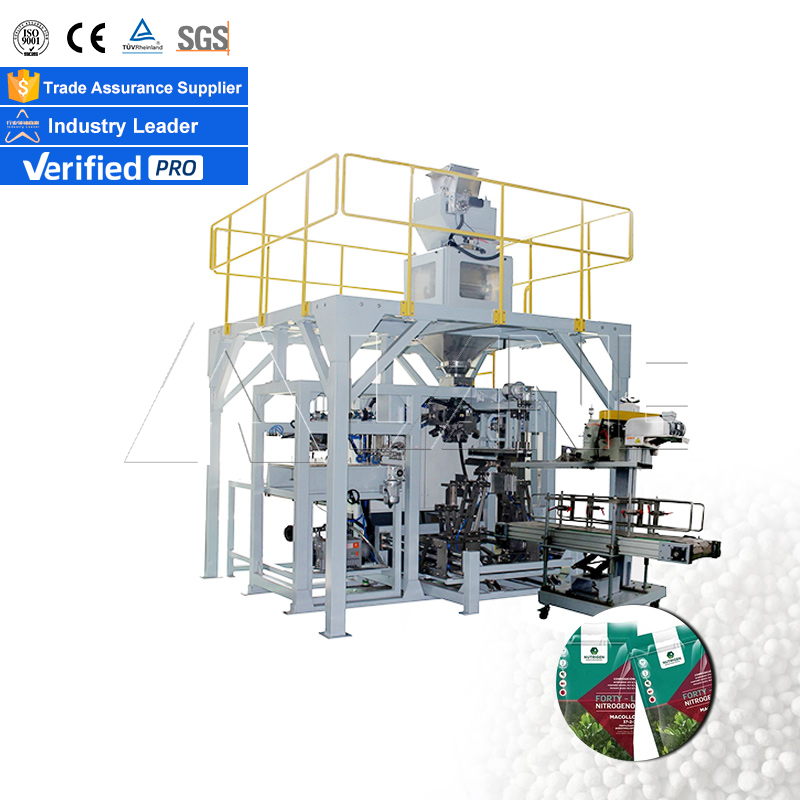
One mistake is to compare two suppliers by their equipment prices without checking their battery limits. A low quotation may exclude acid tanks, scrubbers, electrical systems, civil works, installation or commissioning.
A better approach is to compare complete process scopes and ask each supplier to state what is included, excluded and guaranteed.
9. How Should Buyers Evaluate an SSP Equipment Supplier?
A reliable supplier should be able to connect raw-material conditions, process design and finished-product requirements. A machine list without this connection is not enough.
Before placing an order, procurement teams should ask for:
- A process flow diagram and equipment layout.
- Equipment specifications, motor power and material of construction.
- Raw-material and acid-consumption assumptions.
- A defined finished-product specification.
- Environmental-control equipment and its design basis.
- Installation, commissioning and operator-training arrangements.
- A performance test covering capacity, product quality and operating conditions.
For a granular SSP for rice project, the acceptance test should include particle-size distribution, moisture, fines content and granule strength, in addition to chemical analysis.
The contract should also define how samples will be taken, which laboratory methods will be used and how many continuous operating hours are required for the capacity test. Without these details, disagreements can arise after installation even when the machines appear to be running.
LANE provides fertilizer machinery and production-line solutions through its fertilizer equipment website and LANE Machinery website. For an SSP project, buyers should submit their raw-material analysis, target product grade, desired capacity and local environmental requirements so that the proposed configuration can be assessed against the actual project conditions.
10. FAQ: Common Questions About SSP for Rice and Production Equipment
1. Is SSP suitable for rice cultivation?
Yes, SSP can be suitable where soil tests or local recommendations indicate a need for phosphorus, sulfur or calcium. Its suitability should be evaluated under the local rice-growing system, particularly because flooded soil can change phosphorus availability.
2. Does SSP provide enough nutrients for the entire rice crop?
No. SSP is a phosphate fertilizer that also supplies sulfur and calcium, but it does not replace nitrogen and potassium fertilizers. A complete rice nutrient program must account for all major crop requirements.
3. Is granular SSP better than powdered SSP for rice?
Not in every market. Granular SSP is often easier to handle in mechanized distribution and application systems, while powdered SSP may suit blending or markets that already use fine fertilizer materials. Customer handling requirements should decide the product form.
4. What is the typical P₂O₅ content of SSP?
Commercial SSP grades commonly fall around 16–20% P₂O₅, but the actual guaranteed value depends on the raw material, process and applicable product standard. Buyers should verify available and water-soluble P₂O₅ separately.
5. Can SSP be mixed with NPK fertilizer?
Yes, SSP can be used as a component in certain fertilizer blending or compound-fertilizer formulations. However, compatibility, moisture, particle size and storage stability should be checked before commercial production. A blending trial is preferable to assuming that all materials will remain free-flowing.
6. What raw materials are needed to manufacture SSP?
The main raw materials are finely ground phosphate rock and sulfuric acid, with water used as required by the process. Their chemical composition and physical properties influence acid consumption, reaction performance and finished-product quality.
7. Does an SSP production line need a granulator and dryer?
Only if the project is designed to produce granular SSP or requires additional moisture and particle-size conditioning. A powdered SSP line may use a simpler finishing route, although crushing, screening and dust control are still important.
8. What information is needed to request an SSP plant quotation?
Prepare the target finished-product capacity, phosphate rock analysis, sulfuric acid concentration, product grade, powder or granule preference, packaging format and installation location. These details allow the supplier to define the equipment scope and estimate utilities, environmental systems and project cost more accurately.
Conclusion: Choose SSP Product Quality and Plant Design Together
The commercial opportunity for SSP for rice is strongest when the product meets a real nutrient requirement in the target market. Rice fields differ in water management, soil phosphorus status and crop rotation, so a single application recommendation should never be treated as universal.
For fertilizer manufacturers, the bigger decision is whether to produce powder or granules, what nutrient specifications local buyers require and whether the proposed equipment can maintain those specifications at the intended capacity.
Before investing, request a process flow diagram, raw-material assessment, equipment list, utility estimates and written performance guarantees. Pay particular attention to acid handling, curing space, fume treatment and finished-product testing. These details have a direct effect on operating cost and product consistency.
For more details, please feel free to contact us.
Henan Lane Heavy Industry Machinery Technology Co., Ltd.
Email: sales@lanesvc.com
Contact number: +86 13526470520
WhatsApp: +86 13526470520