SSP Plant Storage and Handling System: The Scope That Decides Uptime
- 2026-11-09
Most of the argument in an SSP project happens around the reactor. The fertilizer storage and handling system gets approved as one line item, usually called auxiliary, and then spends the first year generating complaints nobody budgeted for.
That line item, the SSP plant storage and handling system, is where rock arrives wet, where acid waits for a delivery, where cured product waits for a truck, and where a plant loses more tonnage to spillage, caking, and rehandling than it loses to a bad acidulation batch.
This guide is for the people who sign off on that scope: the investor comparing a feasibility study with reality, the EPC contractor drawing battery limits, and the procurement manager comparing three quotations that describe the same plant differently.
What a fertilizer storage and handling system includes
An SSP plant storage and handling system starts at the gate and ends at the bag. In between sit the receiving hopper, rock shed, feed bin, acid tank farm, den and curing bay, finished product store, and every feeder, conveyor, elevator, and dust collector that connects them.
The machines are ordinary. The interfaces are not. A mill rated at 10 tons per hour is useless behind a hopper that bridges at 6. A bagging line that fills 600 bags an hour idles if cured product arrives in lumps the size of a fist.
Draw the battery limits for the fertilizer storage and handling system on one sheet before anyone prices anything. Most disputes later are about who supplies the steel between two machines.
Size storage from the mass balance, not the site plan
Three numbers set capacity in a fertilizer storage and handling system: daily throughput, days of cover the project can finance, and bulk density.
Phosphate rock commonly carries two to four weeks of cover where the mine is distant. Sulfuric acid runs three to seven days, limited by delivery logistics and tank farm permits more than price. Finished product needs enough live capacity to load a truck without stopping the line.
Live capacity matters more than total capacity. A shed holding 5,000 tonnes that discharges 800 tonnes by gravity is an 800 tonne buffer under a large roof. Ask for the live figure and the angle of repose behind it.
Sized this way, the SSP plant storage and handling system also carries a working capital line. Every extra week of rock is cash on the ground. Every extra week of finished goods is product exposed to humidity.
Phosphate rock receiving and storage
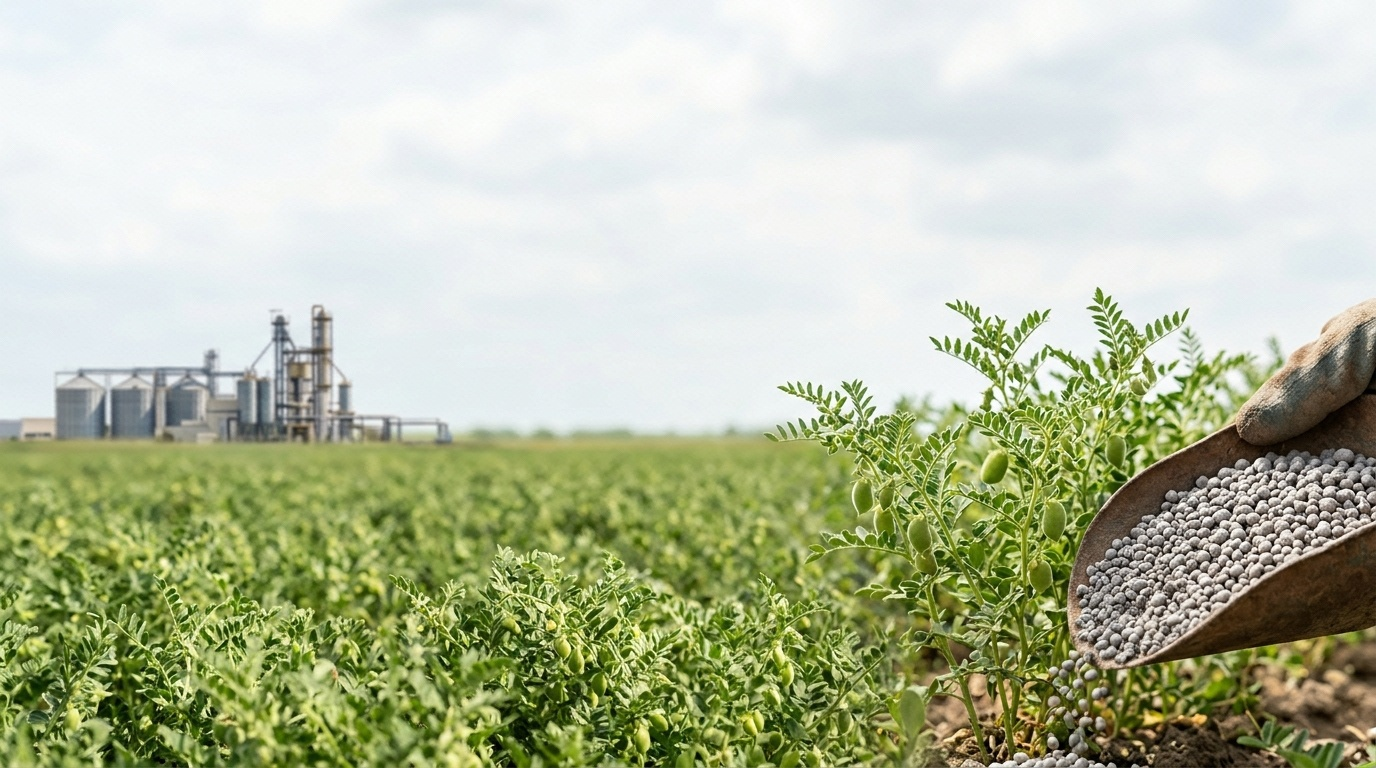
Rock arrives at 28 to 32 percent P2O5, often with surface moisture. Size the receiving hopper for the largest truck in the fleet, not the average, and fit a grizzly that stops tramp metal before the crusher. Dust suppression at the tip point costs less than cleanup.
Inside the shed, segregation does the damage. A loader dropping rock from height separates fines from lumps, so mill feed grade drifts through the pile. Draw from several faces, or use a hopper with a vibrating feeder that pulls across the full outlet.
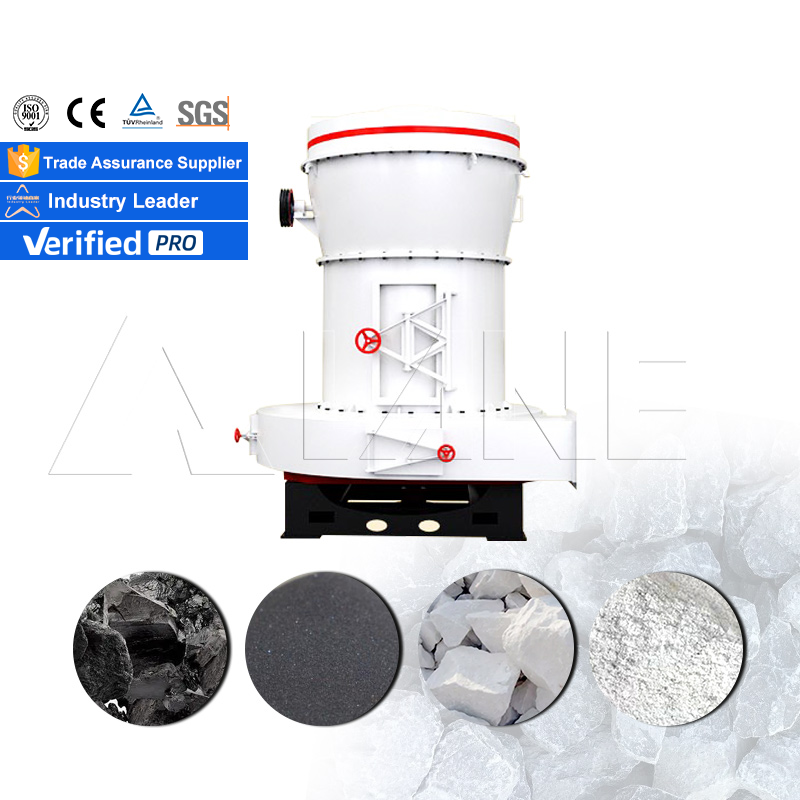
From the hopper, a weigh feeder sets the feed rate into the cage crusher or the Raymond mill. It is one of the cheapest items in the bulk fertilizer handling equipment scope and the most consequential, because acid dosing follows rock feed.
Sulfuric acid storage and dosing
Acid storage is a licensed chemical facility in most jurisdictions. The tank, bund, unloading bay, and vent scrubber form a package.
Concentrated acid at 93 to 98 percent is stored, then diluted to roughly 68 to 72 percent before acidulation. Dilution is exothermic: the skid needs cooling, a controlled water rate, and a temperature interlock. A sulfuric acid storage tank is normally carbon steel for concentrated acid, with lined or alloyed wetted parts where dilute acid sits.
Dosing sets product quality. A metering pump with a magnetic flow meter and a ratio controller tied to the rock weigh feeder holds the acid to rock ratio within a couple of percent. Gravity feed through a manual valve does not, and the gap shows up as free acid complaints later.
Choosing bulk fertilizer handling equipment
Four families cover almost every duty in an SSP plant, and each has a range where it is the right answer.
| Duty | Usual choice | Reason |
|---|---|---|
| Long horizontal run to the store | Troughed belt conveyor | Low power per tonne, gentle on granules |
| Vertical lift to a bin or screen | Bucket elevator | Small footprint, high capacity |
| Short sealed transfer | Screw conveyor | Enclosed, simple, poor with sticky powder |
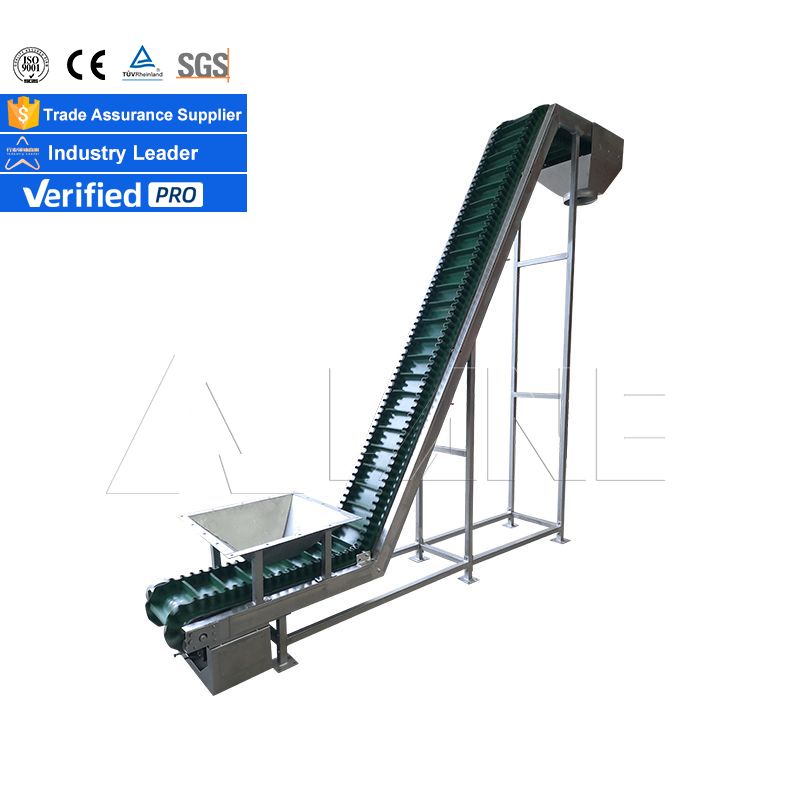
| Steep incline in tight space | Steep angle belt | Replaces two conventional conveyors |
Belt conveyors win on distance, and they are gentle on granules. A supported belt moves SSP with little breakage, but transfer points need dust seals and the belt needs a scraper, because damp product sticks. Above roughly 18 to 20 degrees a standard belt will not hold the load, and a large inclination belt conveyor becomes the practical answer.
Bucket elevators handle the lift into storage, screening, or bagging. Specify chain or belt type, bucket material, and casing thickness for abrasive duty. A bucket elevator sized at 1 tonne per cubic metre and a sane bucket fill usually comes out smaller than one sized on catalog tonnage.
Screw conveyors suit short sealed transfers and filler dosing. They do not suit wet, sticky SSP powder, where flights smear the product and the trough plugs.
Curing and finished product storage
Curing is a process step, not inventory. Den cake is cut and stacked for two to six weeks while the reaction finishes and free acid drops. A store designed as a warehouse rather than a curing bay loses control of both residence time and analysis.
A curing bay needs a hard, acid resistant floor, drainage, and aisle space for a loader to turn. Stack height is limited by the product, not the roof. Tall stacks compact the lower layers into lumps that have to be broken before bagging.
Finished product storage follows the same logic at lower stakes. Dry, cool granular SSP can go to a silo; powder is better in a flat store. Either way, keep it first in, first out. A pile that sits through a humid season cakes at the surface and loses flowability.
In any fertilizer storage and handling system, the curing bay is also the buffer that hides upstream problems until they reach the bag.
Dust, moisture, and housekeeping
Dust leaves at every transfer: tipping, crushing, grinding, screening, bagging. Bag filters at each point, sized on real airflow and fitted with a differential pressure gauge, cost less than the fines they recover.
Dust collection belongs to the bulk fertilizer handling equipment scope, not to the civil package.
In a fertilizer storage and handling system, moisture is the quieter problem. SSP is hygroscopic enough that a humid climate moves water into the product through the pile surface. Enclosed conveyors, sealed bins, and a dry store do more for quality than a coating agent at the bagging line.
In the United States, ground phosphate rock handling and storage falls under 40 CFR Part 60 Subpart NN, which sets emission limits for the system itself. Permit language differs by country; the engineering answer does not: capture at the source, filter, and monitor.
Controls and inventory accuracy
A bulk fertilizer handling equipment package without instrumentation is a set of machines nobody can reconcile. Three measurements carry most of the value: rock feed from the weigh feeder, acid flow from the meter, and product weight from a belt or bagging scale.
Bin and silo level displays are less reliable than buyers expect. Radar and plumb bob systems both struggle with dust and an uneven surface. A belt scale plus a daily physical check usually beats a level readout.
Add a rotary screen and an automatic packing machine to the instrument list, because both generate weight and reject data that tell you whether the upstream system is working.
What the scope costs, and where quotes diverge
As a planning figure, storage and handling lands between 15 and 25 percent of equipment value on a 3 to 5 ton per hour SSP line. The range is wide because the scope is undefined: days of cover, whether the shed and steel are included, whether the tank farm sits inside battery limits, and how much automation the owner wants.
Four items are routinely missing from the low quote for bulk fertilizer handling equipment: the steel that carries conveyors and bins, dust collection, the acid bund and unloading bay, and the spare parts package. Add them back before comparing totals.
How to compare suppliers
Every SSP plant storage and handling system bid should include four documents: a mass balance, a general arrangement drawing, a storage table with live and total volumes, and an equipment list with materials of construction.
Then walk the interface list for the fertilizer storage and handling system. Who supplies the steel between the elevator and the silo? Who wires the belt scale into the plant PLC? Who commissions the dust collectors? A quote that leaves those blank is not cheaper. It is incomplete.
Last, ask for a throughput guarantee at the battery limits, in tonnes per hour at a defined bulk density and product form. A supplier who will only guarantee individual machines has not designed a system.
FAQ
How much phosphate rock storage does an SSP plant need?
Two to four weeks of cover is a common starting point. The right number depends on distance to the mine, delivery reliability, and how much working capital the project can tie up in a pile.
Can SSP be stored in a silo?
Dry, cool granular SSP can. Powder is better in a flat store. A silo needs mass flow design and a moisture tight shell, or the product cakes against the wall and discharge becomes manual work.
Why does SSP cake in storage?
Moisture migration, stack pressure, temperature cycling, and residual free acid. The fix is usually drier product, a drier store, and lower stacks, not a bigger hammer.
What is the difference between curing and storage?
Curing completes the reaction and takes two to six weeks. Storage holds finished product. Treating the curing bay as a warehouse shortens residence time and moves the analysis after the certificate is issued.
How should sulfuric acid be stored at an SSP plant?
In a dedicated tank farm with a bund, vent scrubber, unloading bay, and dilution skid. Confirm the material of construction against concentration and temperature, and check local rules for a licensed chemical facility.
Which conveyor is best for SSP?
Belt for long horizontal runs, bucket elevator for vertical lift, screw for short sealed transfers. Most bulk fertilizer handling equipment choices come down to distance, incline, product form, and breakage tolerance.