SSP Fertilizer for Organic Farming: Phosphorus Supply Guide
- 2026-10-20
For growers weighing SSP fertilizer for organic farming, the first question is what single superphosphate can and cannot do.
SSP fertilizer delivers water-soluble phosphorus that roots take up quickly, plus sulfur and calcium, which makes it one of the most economical phosphate choices for conventional field crops.
LANE, a fertilizer machinery manufacturer behind many SSP production lines, explains the properties, applications and the honest limits of SSP in organic systems, so you can decide with facts instead of marketing.
Understanding the label matters.
Organic farming usually allows fertilizers that are natural and minimally processed, while SSP fertilizer for organic farming fails most certification lists because the product is a chemically processed phosphate.
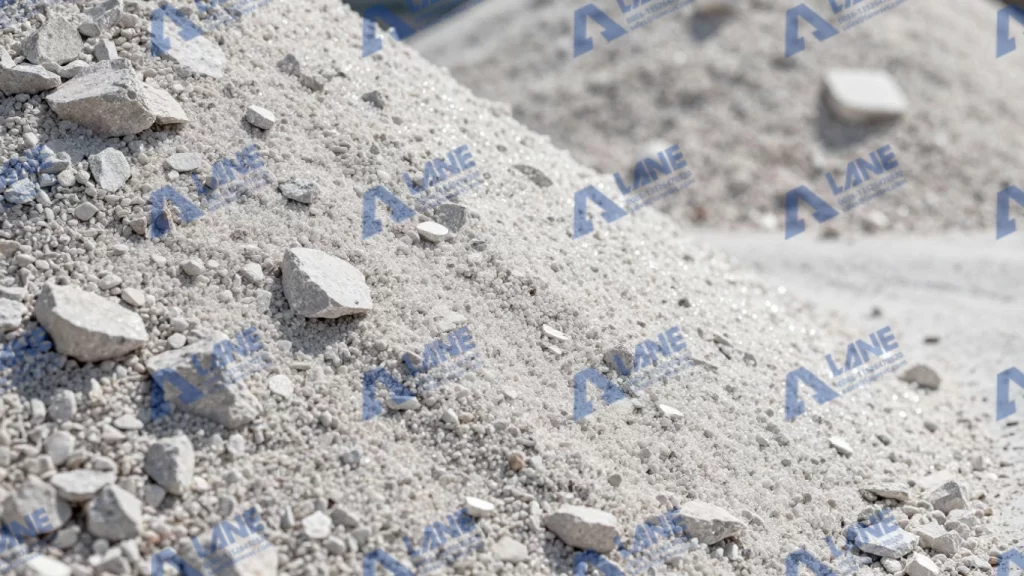
Key Advantages of SSP Fertilizer
Fast, water-soluble phosphorus.
Most of the phosphate in SSP fertilizer is water-soluble, so crops access it within the growing season instead of waiting for slow breakdown in the soil.
Built-in sulfur and calcium.
Single superphosphate also carries sulfate sulfur and calcium, which support protein formation, root growth and soil structure in one application.
Cost-effective and proven.
This phosphate remains one of the lowest-cost phosphorus sources per unit of P2O5, and its granule form spreads evenly with standard farm equipment.
Backed by LANE machinery.
Every granule is produced on a controlled SSP production line that LANE engineers, from dosing and mixing to granulation, drying and cooling, so quality stays consistent batch after batch.
The savings matter at scale.
Because single superphosphate needs less energy to produce than many concentrated phosphates, its price per ton stays friendly, and that matters when you are feeding hundreds of hectares.
Phosphorus is often the most limiting nutrient in many soils, and timing is half the battle. A quick, plant-available source at sowing, followed by soil tests later in the season, gives you control without over-applying.
Key Parameters of SSP Fertilizer
Typical single superphosphate carries 16-20% P2O5, most of it water-soluble, together with roughly 11-12% sulfur and 18-20% calcium oxide.
Moisture stays under 5% so the granules remain free-flowing, and the material is mildly acid-forming, which helps in alkaline soils.
|
Parameter |
Typical Value |
| P2O5 content |
16-20%, mostly water-soluble phosphate |
|
Sulfur (S) |
11-12%, sulfate form |
| Calcium (CaO) |
18-20% |
|
Moisture |
Below 5%, free-flowing granules |
|
pH behavior |
Acid-forming, beneficial in alkaline soils |
| Form |
Granular, easy to spread |
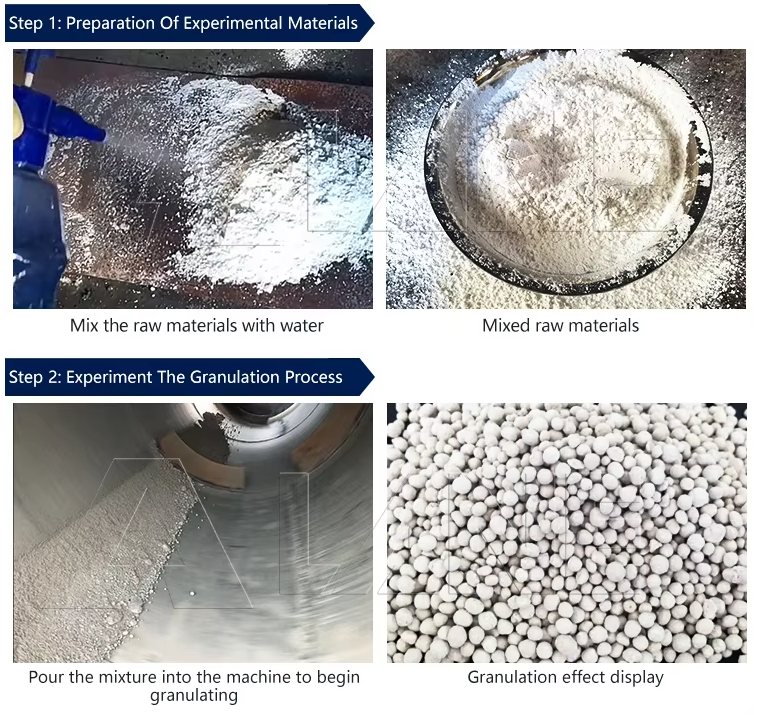
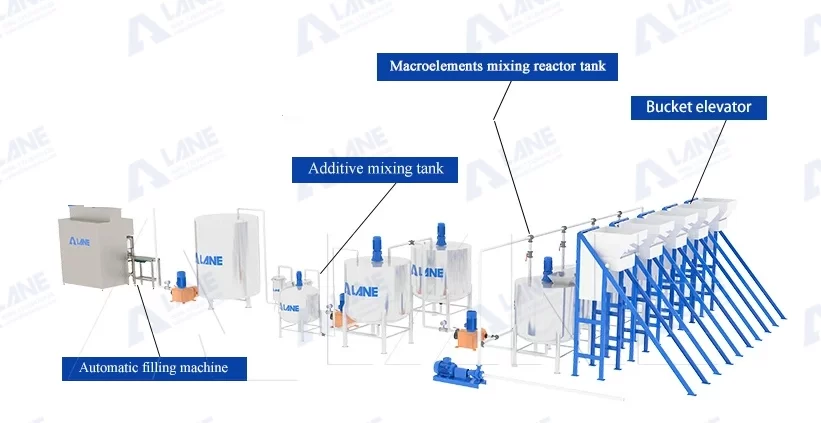
On the production side, a complete SSP fertilizer plant runs through rock crushing, acid mixing, reaction, granulation, drying, cooling, screening and bagging.
LANE can supply each machine separately or a turnkey SSP production line with overseas installation.
A stable line also controls particle size, so spreading is even and there is less dust. LANE adds automatic dosing and moisture control to keep the final granule within spec, and the same engineering helps those planning an SSP fertilizer for organic farming operation size their plant correctly.
Where SSP Fertilizer Fits in Farming
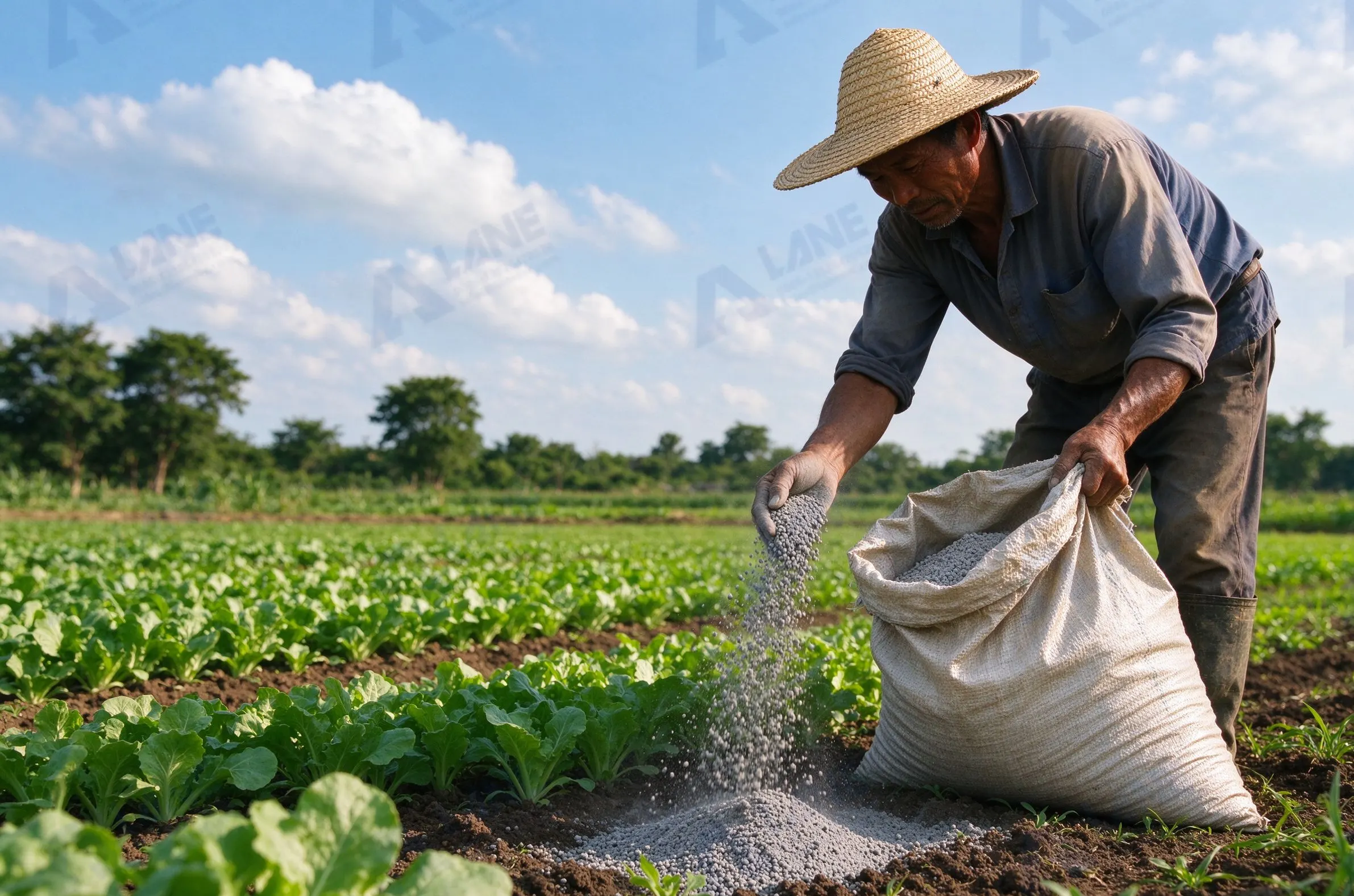
Conventional field crops such as cereals, maize, canola and legumes respond quickly to available phosphorus, so SSP is a reliable fit for large acreage.
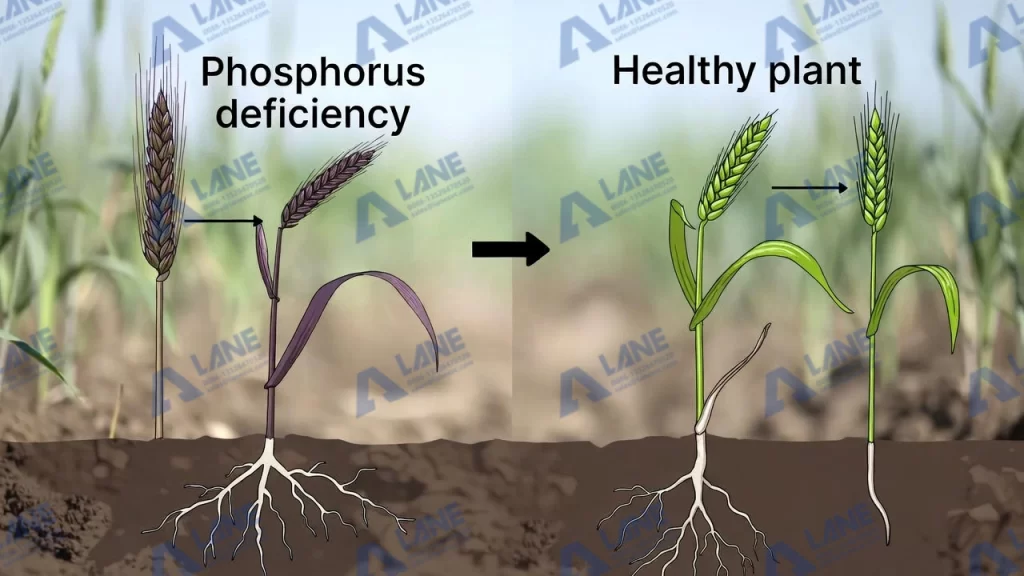
Fruit, vegetable and forage systems that need a fast phosphorus boost plus sulfur also benefit from a granular SSP application at planting.
Alkaline and calcareous soils are another target, because the acid-forming nature of single superphosphate helps make phosphorus more available to plant roots.
A straight note for certified organic farming: most organic standards prohibit synthetic phosphates, so SSP fertilizer for organic farming is generally not an option for certified growers, who should turn to natural phosphorus sources like rock phosphate, bone meal or composted manure.
For mixed farms, many growers keep SSP for the arable side and certified compost for the organic block, so one supplier can cover both cropping systems.
LANE also helps with planning. Tell the team your feedstock, expected output and power supply, and they can recommend the right plant size, from a pilot unit to a large continuous SSP line.
Frequently Asked Questions
Can SSP fertilizer for organic farming be used under certified standards?
Usually no, because the product is chemically processed. Certified organic growers should use approved natural phosphorus sources instead.
What is the difference between SSP and rock phosphate?
SSP is processed and water-soluble, giving quick phosphorus; rock phosphate is mined, releases slowly, and is more acceptable to organic programs.
How is single superphosphate made?
Phosphate rock is reacted with sulfuric acid to form water-soluble monocalcium phosphate plus gypsum, then the material is granulated, dried and screened.
Does LANE sell just the reactor or a full line?
Both. LANE supplies single machines and complete SSP production lines, with overseas installation and a 5-year warranty.
Choosing the right phosphate starts with knowing your soil, your crop and your certification.
For conventional production, SSP fertilizer for organic farming is rarely the answer, but on arable acres SSP remains a cost-effective, field-proven choice, and LANE can build the line that makes it.