Single Superphosphate for Soil Improvement: Buyer Guide
- 2026-11-11
Soil problems are not always caused by a lack of fertilizer volume. In many fields, the real issue is an imbalance of available nutrients, particularly phosphorus and sulfur. Single superphosphate for soil improvement offers a practical way to supply phosphorus together with sulfur and calcium in one fertilizer product. For fertilizer manufacturers, distributors, and project investors, however, its commercial value depends on more than nutrient content. Product grade, raw material quality, physical form, and production-line design all affect whether the final product meets local market requirements.
One point deserves attention before choosing this product: SSP improves soil nutrient status; it is not a universal soil conditioner. It does not replace organic matter, correct every pH problem, or supply the complete NPK package. Buyers should understand this distinction before planning production capacity or making product claims.
1. How Does Single Superphosphate Improve Soil Nutrient Conditions?
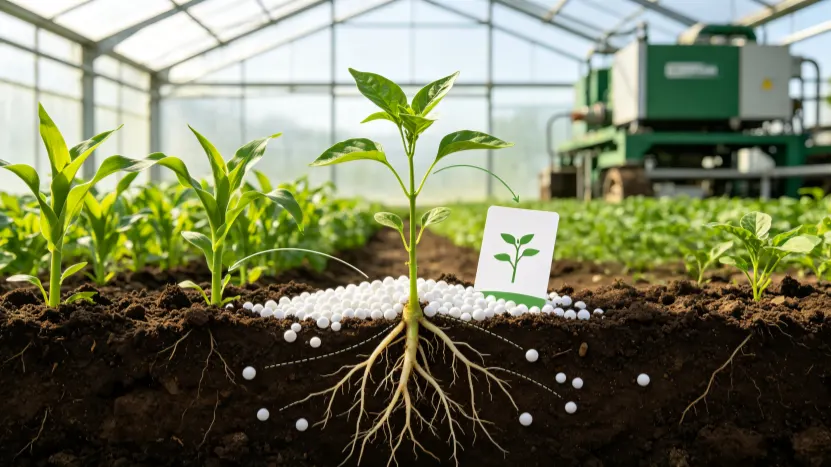
Single superphosphate is a phosphate fertilizer manufactured by reacting finely ground phosphate rock with sulfuric acid. The reaction produces monocalcium phosphate and calcium sulfate, commonly known as gypsum.
This composition explains why single superphosphate for soil improvement is useful in fields where phosphorus and sulfur are both needed.
- Phosphorus (P): Supports root development, energy transfer, early plant establishment, and reproductive growth.
- Sulfur (S): Participates in protein formation and enzyme-related plant processes. It is particularly relevant where soil sulfur levels are insufficient.
- Calcium (Ca): Contributes to plant cell-wall development and can help address calcium deficiency when the soil and crop require it.
SSP is therefore more than a phosphorus-only product in practical nutrient management. Its combination of nutrients can be useful where soil tests indicate simultaneous P and S requirements. The Mosaic Crop Nutrition overview also describes SSP as a source of phosphorus, sulfur, and calcium.
But the product should not be oversold. SSP does not contain meaningful nitrogen or potassium as a standard nutrient package. If a field needs N, K, magnesium, or micronutrients, these must be supplied through other fertilizers or a suitable blend.
2. When Is Single Superphosphate for Soil Improvement a Suitable Choice?
The right application depends on soil conditions, crop requirements, and the existing nutrient balance. Single superphosphate for soil improvement is most relevant when soil analysis or local agronomic recommendations identify a need for phosphorus, sulfur, or calcium.
| Soil or Production Condition | Potential Value of SSP | What Buyers Should Verify |
|---|---|---|
| Low available phosphorus | Supplies soluble phosphate to support crop nutrition. | Soil-test P level and local phosphorus recommendation. |
| Sulfur-deficient soil | Provides sulfur in sulfate form. | Soil sulfur status and crop sulfur demand. |
| Soil requiring additional calcium | Supplies calcium as part of the SSP composition. | Whether calcium is actually deficient or required. |
| Basal fertilizer programs | Can be incorporated into a basal nutrient plan. | Crop-specific application timing and placement. |
| Mixed crop markets | Offers phosphorus and sulfur in one fertilizer product. | Local crop demand and distributor specifications. |
A common mistake is to assume that every low-yield field needs more SSP. If soil phosphorus is already sufficient, additional phosphorus may offer little economic return. Excess application can also increase nutrient losses and environmental pressure.
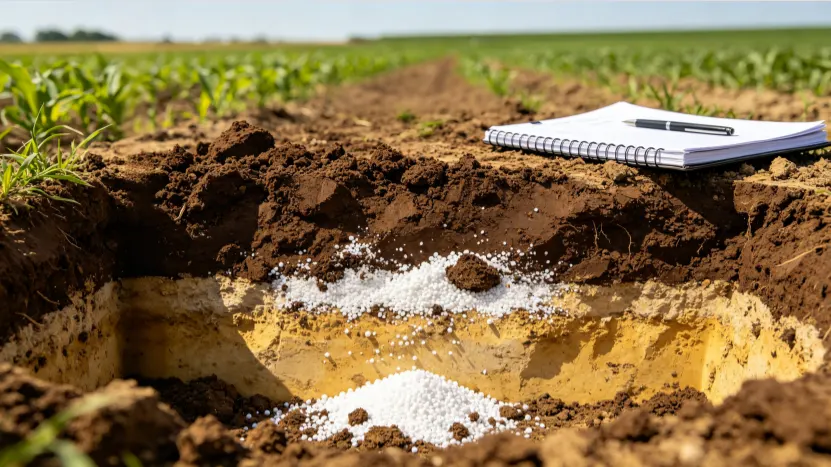
For this reason, single superphosphate for soil improvement should be positioned as a soil-test-based nutrient product, not as a general solution for compacted soil, poor drainage, low organic matter, or unsuitable soil pH. Fertilizer recommendations should be calibrated to the crop and local soil conditions, rather than copied from another region. The University of Florida IFAS guide explains why soil-test interpretation and crop-specific recommendations matter.
3. What SSP Specifications Should Fertilizer Buyers Check?
Nutrient guarantees are the first screening point, but they are not the whole purchasing decision. A product may show an acceptable total P₂O₅ value while performing poorly in storage or distribution because of excess moisture, inconsistent particle size, or caking.
When evaluating single superphosphate for soil improvement, buyers should request a current product specification sheet and, where possible, a representative laboratory analysis.
| Specification | What to Check | Why It Matters |
|---|---|---|
| Available P2O5 | Guaranteed available phosphate content. | Indicates the product’s phosphorus value. |
| Water-soluble P2O5 | Declared water-soluble phosphate content. | Helps assess soluble phosphorus content. |
| Sulfur (S) | Guaranteed sulfur percentage. | Confirms the secondary nutrient contribution. |
| Moisture | Maximum moisture content. | Affects storage, caking, and handling. |
| Free acid | Residual free acid content. | Relevant to product quality and handling. |
| Particle size | Particle-size distribution. | Affects flowability and application consistency. |
| Granule strength | Crushing or abrasion resistance for granular SSP. | Reduces fines during transport and handling. |
FAO publishes separate specifications for powdered and granular SSP. Its listed reference requirements include minimum water-soluble phosphate and sulfur values, as well as different moisture limits for the two product forms. These are useful reference points, but buyers must confirm the applicable national standard and purchase specification before setting a production target.
4. Powdered or Granular SSP: Which Product Should a Manufacturer Produce?
The decision should begin with the target market, not with the machine catalogue. Single superphosphate for soil improvement can be sold in powdered or granular form, but the two products require different handling and finishing arrangements.
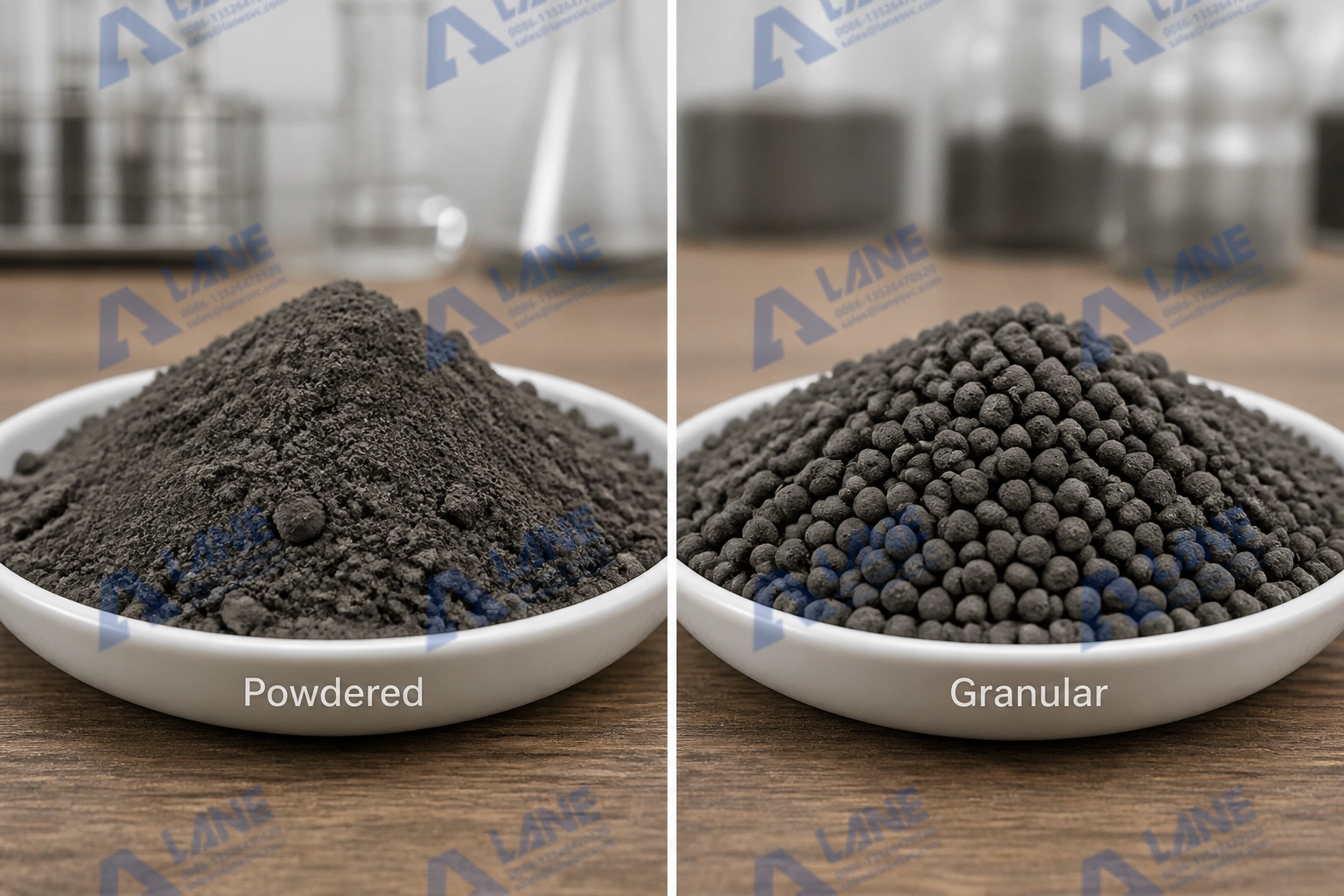
Powdered SSP generally involves fewer downstream processing stages. It may suit buyers whose customers accept fine fertilizer and have suitable storage and application systems. However, dust control, moisture protection, and caking management need attention.
Granular SSP is often easier to handle in bulk and through mechanical spreading equipment. Its production route requires additional granulation, drying, cooling, screening, and recycle systems. This adds investment and operating requirements, so the market must justify the extra processing.
| Comparison Item | Powdered SSP | Granular SSP |
|---|---|---|
| Product form | Fine powder. | Formed granules. |
| Main advantage | Simpler finishing route. | Better flow and mechanical handling. |
| Additional equipment | Crushing, screening, and packing. | Granulator, dryer, cooler, screens, and recycle system. |
| Key quality concern | Moisture, dust, and caking. | Granule size, strength, and moisture. |
| Market consideration | Markets accepting powder products. | Bulk distributors and mechanical application markets. |
There is no universal winner. A manufacturer selling to small distributors may find powdered SSP commercially suitable, while a supplier serving large agricultural wholesalers may need granular material. The product specification should determine the production route.
5. What Equipment Is Needed to Manufacture SSP?
For investors considering single superphosphate for soil improvement as a commercial product, the production line must be designed around the required output and final product form.
A typical SSP manufacturing process includes:
- Phosphate rock preparation: Crushing and grinding reduce the raw material to a suitable fineness for acidulation.
- Sulfuric acid storage and dosing: Storage tanks, pumps, flow meters, and dosing controls provide a stable acid supply.
- Acidulation and mixing: Ground phosphate rock reacts with sulfuric acid in a mixer or reactor.
- Denning and curing: The reacting material sets and continues to mature. Curing capacity must match the process and production schedule.
- Crushing and conditioning: Lumps are broken down and the material is prepared for the selected product route.
- Optional granulation: A granulator forms particles when the target product is granular SSP.
- Drying, cooling, and screening: These stages control final moisture, temperature, and particle-size distribution.
- Packing and storage: Finished fertilizer is weighed, bagged, and transferred to storage.
A complete line may therefore include a crusher, grinding mill, acid dosing system, mixer or reactor, den, curing area, lump breaker, granulator, rotary dryer, cooler, vibrating screen, conveyors, and packing machine.
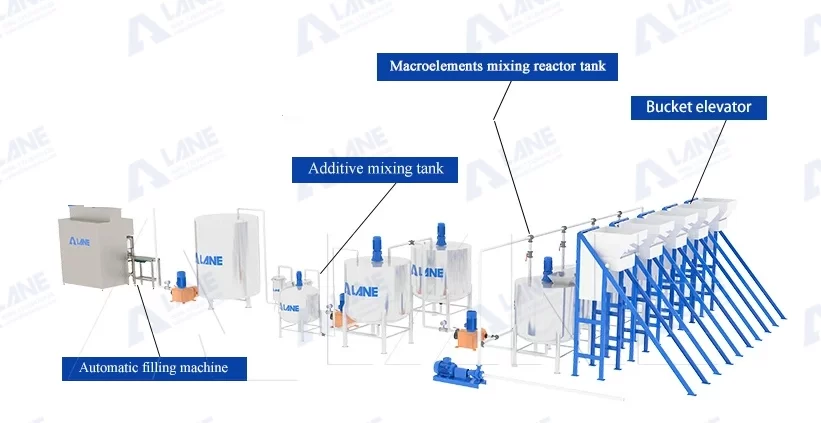
Environmental equipment should be included in the initial engineering scope. Dust collection and gas scrubbing are not optional decorative additions: the acidulation stage can generate fluoride-containing process gases and dust. Their treatment must be designed according to the actual process conditions and local permit requirements.
For a closer look at the process stages and equipment packages, You can also explore the SSP fertilizer production line for project-related equipment information.
6. What Should Buyers Confirm Before Ordering an SSP Production Line?
A production line should be purchased against a defined product specification, not simply a quoted tonnes-per-hour figure. When evaluating equipment for single superphosphate for soil improvement, buyers should ask suppliers to clarify the following points.
First, define the capacity basis. Is the quoted capacity based on phosphate rock input, freshly reacted material, or finished fertilizer? These figures are not interchangeable. Ask for the guaranteed finished-product output under stated raw material and operating conditions.
Second, provide the raw material analysis. Phosphate rock composition, reactivity, moisture, and grinding characteristics influence acid consumption and reaction performance. Sulfuric acid concentration and supply conditions should also be specified.
Third, define the final product. Powdered SSP and granular SSP require different equipment packages. For granular products, specify particle-size range, moisture, granule strength, and the expected proportion of fines and oversize material.
Fourth, check the curing and storage plan. Curing is part of the production process, not merely a warehouse issue. Insufficient curing space can restrict throughput or lead to inconsistent product quality.
Finally, define the environmental and acceptance scope. Ask which dust collectors, scrubbers, fans, ducts, pumps, and wastewater or scrubber-liquor systems are included. The contract should also state performance-test conditions, product sampling methods, training, spare parts, and commissioning responsibilities.
For broader equipment capabilities, buyers can visit LANE Machinery and the Fertilizer Industry Leader website.
7. Frequently Asked Questions
1. Does SSP improve soil structure?
No. SSP mainly improves soil nutrient supply by adding phosphorus, sulfur, and calcium. It does not replace organic matter or physical soil-management practices.
2. Is SSP suitable for acidic soil?
It may be used where phosphorus or sulfur is required, but it is not a substitute for lime. Soil pH should be tested and corrected using an appropriate amendment when necessary.
3. Does SSP contain nitrogen and potassium?
No. Standard SSP is primarily a phosphorus fertilizer that also supplies sulfur and calcium. Nitrogen and potassium should be supplied separately if required.
4. What is the difference between SSP and TSP?
SSP supplies phosphorus together with sulfur and calcium, while TSP is a more concentrated phosphate fertilizer and generally supplies much less sulfur. The best choice depends on nutrient demand and product economics.
5. Is powdered SSP cheaper to manufacture than granular SSP?
It often requires fewer finishing machines, so its equipment investment may be lower. Actual production cost still depends on raw materials, energy, curing arrangements, dust control, and packaging.
6. How long does SSP production take?
The reaction and curing schedule depends on raw material properties, acid conditions, process design, and product specifications. Buyers should ask the supplier to state the required curing time and design the curing area around it.
7. Can one SSP production line make both powder and granules?
A line may be designed with shared upstream equipment and an optional granulation section. Whether switching between products is practical depends on layout, material handling, process controls, and the required output.
8. What information is needed for an SSP plant quotation?
Prepare the target capacity, phosphate rock analysis, sulfuric acid conditions, required product form, guaranteed nutrient specifications, local power and fuel conditions, and project location. These details allow the supplier to prepare a more meaningful technical proposal.
Conclusion: Match the SSP Product to the Soil Market and the Production Line
Single superphosphate for soil improvement is commercially relevant where farmers need phosphorus alongside sulfur and calcium. Its value should be assessed through soil-test requirements, nutrient guarantees, product handling characteristics, and local fertilizer demand—not through broad claims that it can solve every soil problem.
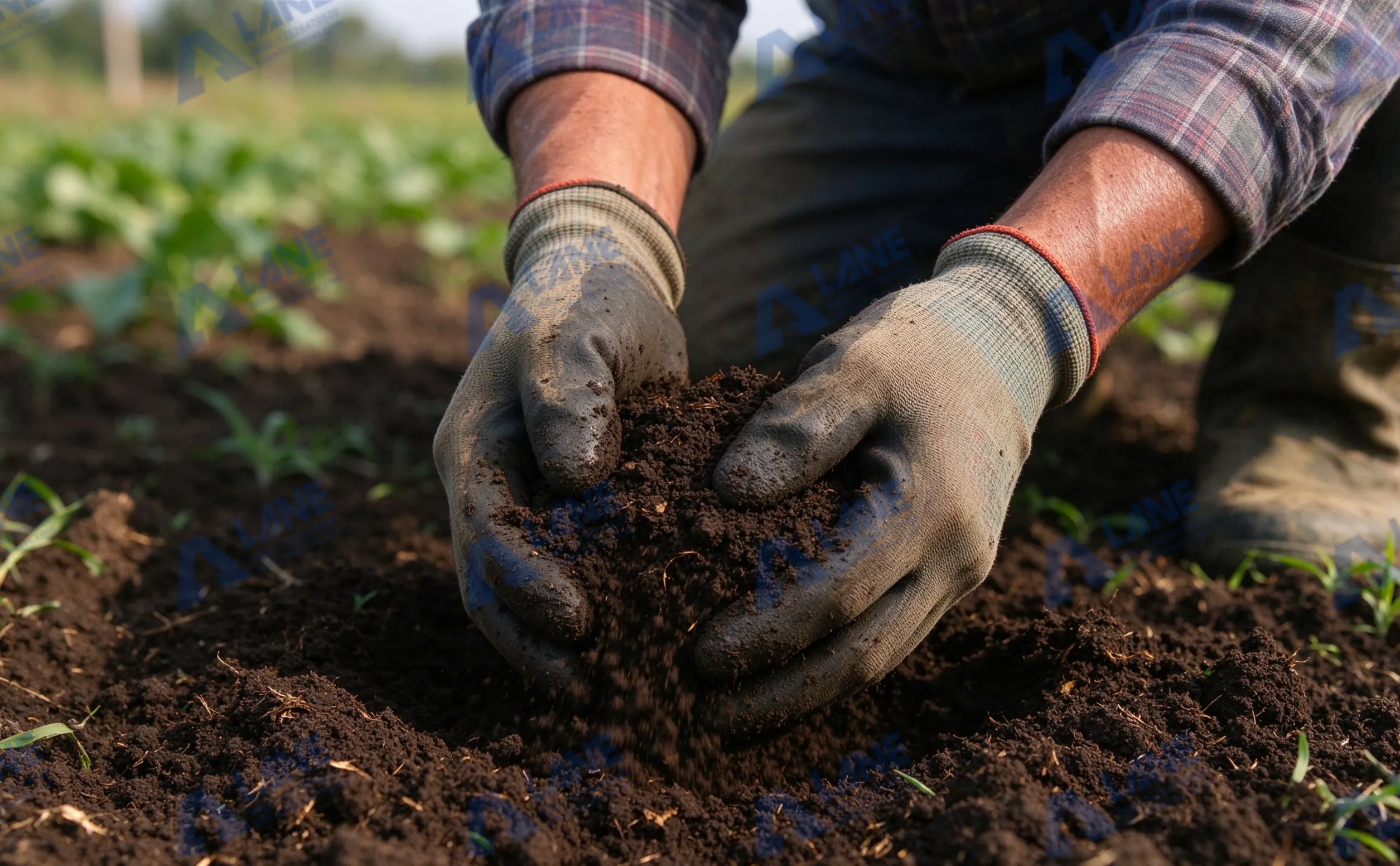
For manufacturers, the most important purchasing decision is to define the final product before selecting equipment. Powdered and granular SSP have different finishing requirements, while curing capacity, acidulation control, and environmental treatment affect the reliability of the whole plant.
If you are planning a new SSP project or upgrading an existing facility, share your target capacity, raw material information, and product specifications with our engineering team. We can help evaluate the process route and equipment configuration.
For more details, please feel free to contact us.
Henan Lane Heavy Industry Machinery Technology Co., Ltd.
Email: sales@lanesvc.com
Contact number: +86 13526470520
WhatsApp: +86 13526470520