Which Phosphate Fertilizer Is Best for Crops: SSP vs DAP
- 2026-06-11
Walk into any agricultural input store across sub-Saharan Africa or Southeast Asia, and you’ll find both SSP and DAP on the shelves. Farmers want to know which phosphate fertilizer is best for crops — and the honest answer is that it depends on soil type, crop variety, budget, and local supply infrastructure. Understanding the difference between these two options isn’t just academic. It directly affects yield, input cost, and long-term soil health.
What Is Phosphate Fertilizer and Why Crops Depend on It
Phosphorus drives root development, energy transfer, and flowering. Without it, even well-irrigated, nitrogen-rich crops underperform. A quality phosphate fertilizer replenishes what plants extract season after season, particularly in tropical soils where phosphorus fixation is a persistent challenge.
Two products dominate globally: Single Superphosphate (SSP) and Diammonium Phosphate (DAP). Both supply available phosphorus to crops, but their secondary nutrient profiles, soil interactions, and production economics differ significantly.
From what I’ve seen working with producers across multiple growing regions, the question of which phosphate fertilizer is best for crops comes up constantly — and the answer shifts depending on context.
SSP: A Proven Phosphate Fertilizer with Added Soil Benefits
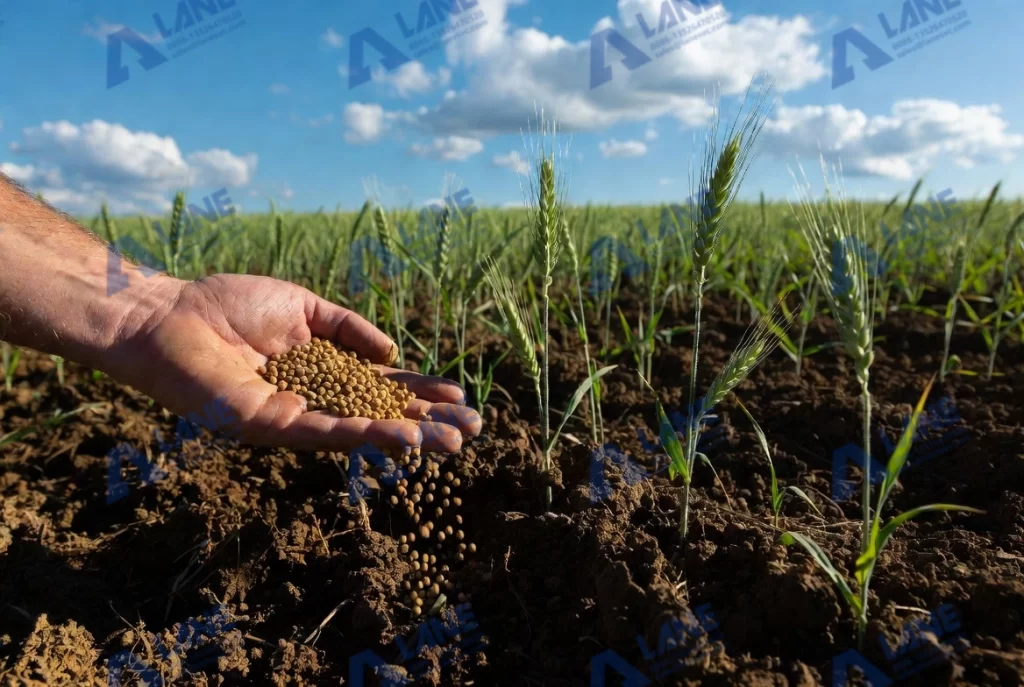
Single Superphosphate typically contains 16–20% P₂O₅, along with roughly 20% calcium and 12% sulfur. Those secondary nutrients matter more than growers often assume. Sulfur-deficient soils — increasingly common in intensively farmed regions — respond strongly to SSP application. Calcium supports root structure. Together, they make SSP more than just a phosphate fertilizer: it’s a multi-nutrient input in a single bag.
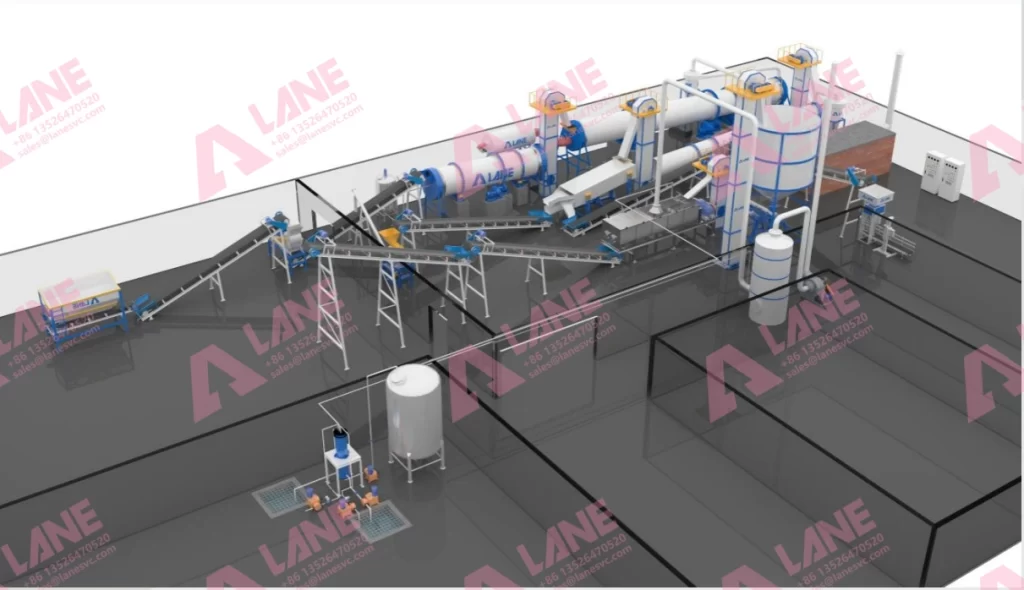
SSP is produced through an acidulation reaction between phosphate rock and sulfuric acid, then granulated, dried, and screened for consistent particle size.
Core equipment used in an SSP production line:
- Acidulation reactor— initiates the chemical reaction between phosphate rock and sulfuric acid
- Double shaft mixer— blends the acidulated material uniformly before granulation
- Rotary drum granulator— forms the mixed material into stable, market-ready granules
- Rotary drum dryer— removes excess moisture to extend product shelf life
- Rotary drum cooler— brings granule temperature down before screening
- Vibrating screen— sorts granules by size, returning off-spec material for reprocessing
- Belt conveyor system— transfers material between process stages continuously
- Automatic packaging machine— fills and seals finished product at consistent weights
Equipment selection shapes product quality significantly. In my experience, producers who invest in a properly engineered rotary drum granulator and dryer system see far fewer storage and caking complaints downstream.
DAP: High-Concentration Phosphate Fertilizer for Efficient Application
Diammonium Phosphate carries 18% nitrogen and 46% P₂O₅ — the highest concentration of any mainstream phosphate fertilizer. That density is its primary commercial advantage. Less product achieves the same phosphorus delivery per hectare, which cuts transport and application costs in high-freight environments.
DAP dissolves rapidly and delivers phosphorus and nitrogen simultaneously, making it a strong fit for cereals with high early-season nitrogen demand. Wheat, maize, and soybean growers favor it for pre-planting broadcast for exactly this reason.
That said, DAP’s alkaline soil reaction can raise local pH temporarily — a real problem in already-alkaline soils across North Africa and parts of the Middle East. In those conditions, phosphorus availability can actually drop after application, which defeats the entire purpose of using a phosphate fertilizer.
Which Phosphate Fertilizer Is Best for Crops: A Direct Comparison
Let me break this down the way I’d explain it to a producer evaluating both options for the first time.
Soil pH is the first filter. Neutral to mildly acidic soils handle both SSP and DAP well. Alkaline soils above pH 7.5 are better served by SSP — the sulfur component provides gentle long-term acidification that gradually improves phosphorus uptake.
Sulfur status changes the decision fast. If soil tests show sulfur deficiency, SSP covers both gaps in one application. DAP provides zero sulfur, meaning a separate amendment is required — adding cost and complexity.
Logistics and cost per nutrient unit. SSP costs less per ton, but lower P₂O₅ concentration means higher volumes per hectare. DAP’s higher per-ton price often works out cheaper when freight distances are long.
Crop type. Oil palm, sugarcane, and root crops respond well to SSP’s calcium and sulfur profile. Cereal crops tend to perform comparably with either product, soil conditions being equal.
When the question is which phosphate fertilizer is best for crops in a specific region, the answer consistently comes back to local soil data and logistics — not just nutrient percentages.
Production Infrastructure and the Case for Local SSP Manufacturing
For many developing-country markets, the question of which phosphate fertilizer is best for crops is inseparable from which product can be produced domestically.
SSP has an advantage here. Making it doesn’t cost much upfront, and the two things you need (phosphate rock and sulfuric acid) are available across much of Africa, South Asia, and Southeast Asia. Produce it locally and you cut import dependence. When global prices spike, your supply doesn’t.
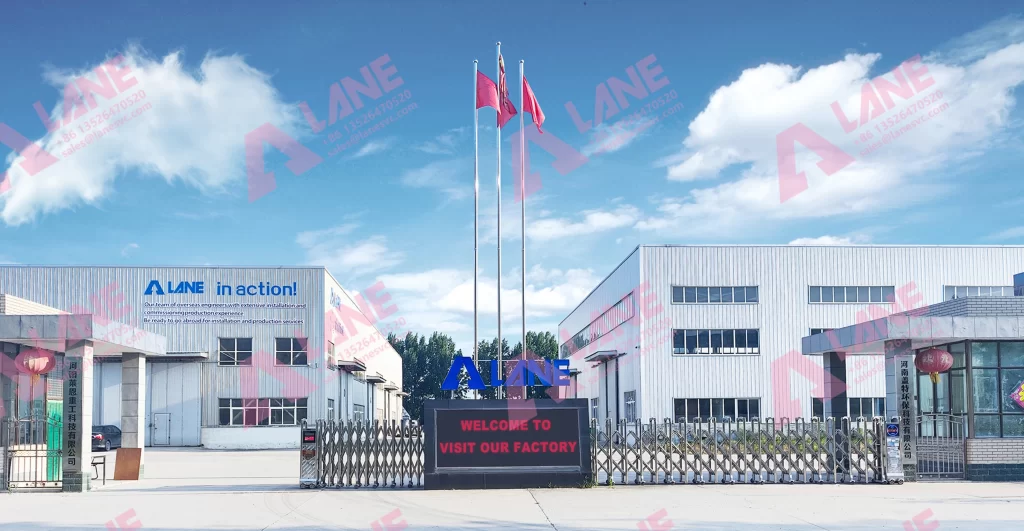
LANE, a fertilizer equipment manufacturer based in China, has supplied complete SSP lines to plants across Africa and Southeast Asia, from acidulation through to packaging. The operators at those plants say the supply chain benefit alone was worth the cost. Once the line is running, they’re not at the mercy of import prices anymore.
Conclusion: Match the Phosphate Fertilizer to the Conditions
Neither SSP nor DAP wins outright. Determining which phosphate fertilizer is best for crops requires honest assessment of local soil chemistry, crop portfolio, freight costs, and production infrastructure. SSP delivers more value in sulfur-deficient, alkaline conditions and markets pursuing domestic production. DAP makes more sense in high-logistics-cost environments where nutrient concentration reduces total input volume.
Both are proven. Both work. The right answer is the one matched to your specific conditions. Contact our team to explore how a locally produced phosphate fertilizer solution fits your market’s long-term input strategy.
FAQ
- Which phosphate fertilizer is best for crops grown in tropical soils?
Tropical soils often show phosphorus fixation and sulfur deficiency simultaneously. In these conditions, SSP tends to outperform DAP because its sulfur and calcium content address multiple soil limitations at once, while its phosphorus availability suits weathered tropical profiles well.
- Can SSP and DAP be used in the same fertilizer program?
Yes, but they should not be physically blended without formulation testing. Chemical interactions between SSP and DAP can reduce nutrient availability. Split applications — SSP at planting and DAP as a top-dress — are a more reliable approach when both products are part of the program.
- Is DAP always more cost-effective than SSP due to higher P₂O₅ content?
Not necessarily. The landed cost per unit of P₂O₅ depends on freight distance and local supply availability. In markets with domestic SSP production capacity or nearby phosphate rock sources, SSP frequently delivers lower cost per nutrient unit than imported DAP.
- How does sulfur deficiency affect which phosphate fertilizer is best for crops?
Sulfur deficiency tips the scale firmly toward SSP. It delivers approximately 12% sulfur alongside phosphorus in a single application, addressing two deficits at once. DAP contains no sulfur, meaning an additional input is required — increasing both cost and logistical complexity.
- What equipment is needed to produce SSP locally?
A standard SSP production line includes an acidulation reactor, double shaft mixer, rotary drum granulator, rotary drum dryer, rotary drum cooler, vibrating screen, coating machine, belt conveyor system, bag filter, and automatic packaging machine. Capacity can be scaled from small regional plants to large commercial operations.
- Why do some agronomists prefer SSP over DAP for long-term soil health?
SSP’s calcium and sulfur inputs support soil structure and microbial activity across multiple seasons. DAP provides no secondary nutrients, and its alkaline soil reaction can reduce phosphorus availability in sensitive soil types. For producers focused on sustained productivity, SSP often presents a more balanced agronomic profile.
For more details, please feel free to contact us.
Henan Lane Heavy Industry Machinery Technology Co., Ltd.
Email: sales@lanesvc.com
Contact number: +86 13526470520
Whatsapp: +86 13526470520