SSP Fertilizer vs Triple Superphosphate (TSP) Cost Guide
- 2026-06-15
When you’re sourcing phosphate fertilizer for large-scale crop production, the procurement decision often comes down to two familiar names: SSP and TSP. To be honest, I’ve seen producers agonize over this choice for months — sometimes spending more time comparing spec sheets than actually running trials. Let me cut through the noise.
Both products deliver phosphorus to the soil. That’s where the obvious similarity ends.
What SSP and TSP Actually Are
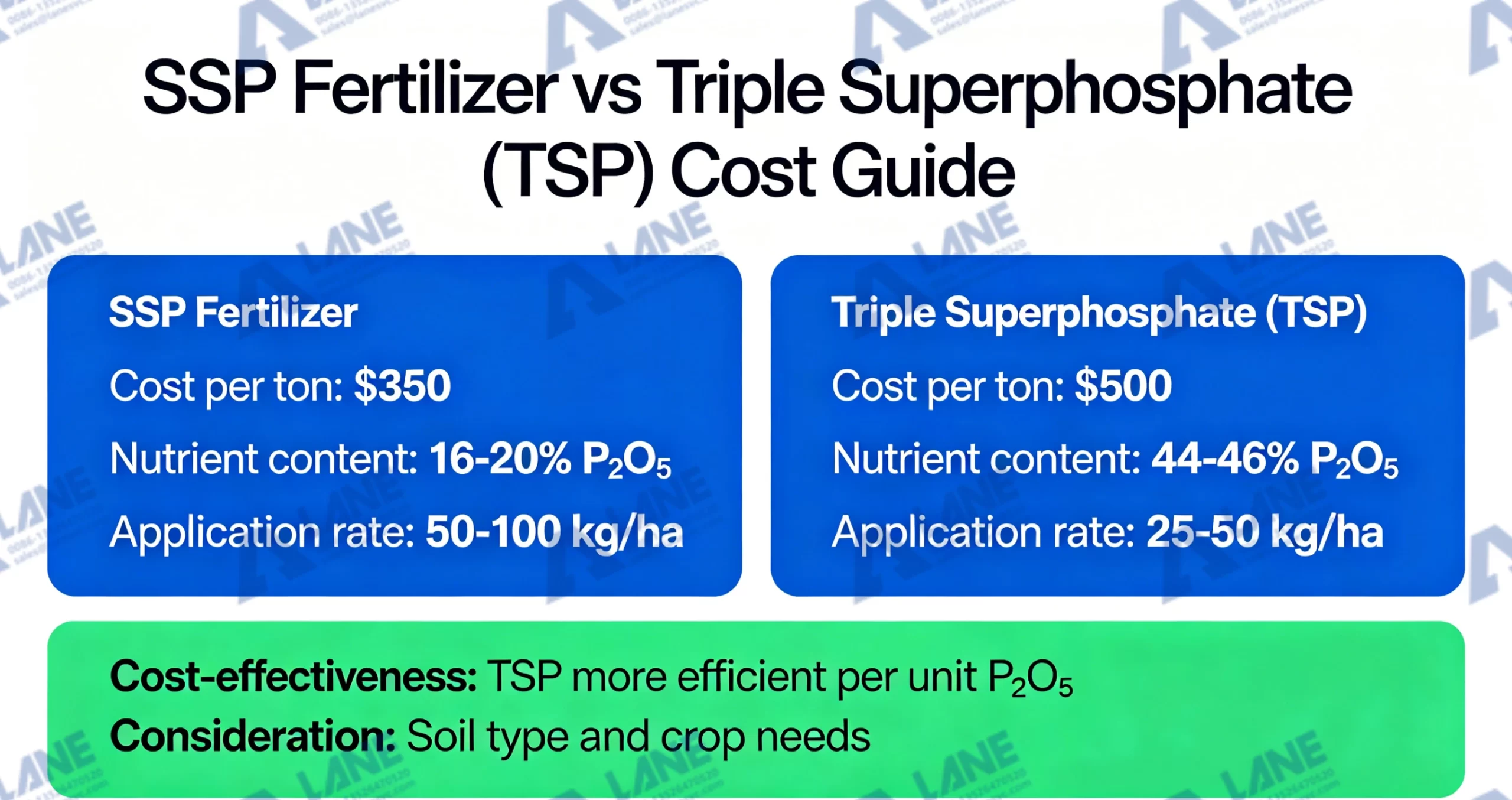
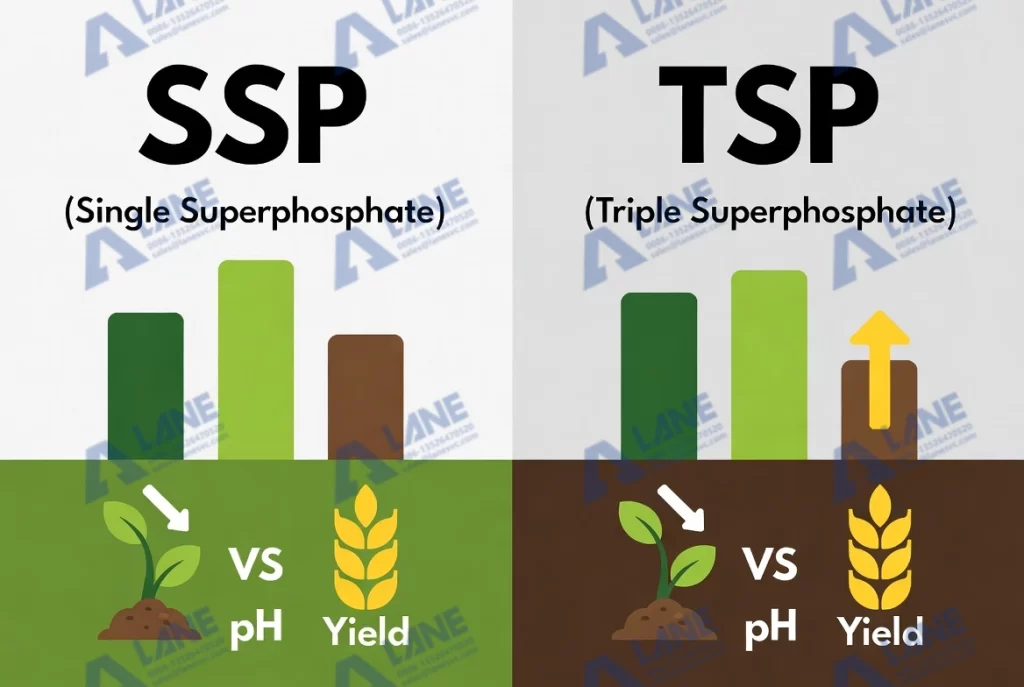
Single superphosphate (SSP) is produced by reacting ground phosphate rock with sulfuric acid. It typically contains 16–20% P₂O₅, plus calcium sulfate as a byproduct. That sulfur content, you know, often gets overlooked — but for sulfur-deficient soils across sub-Saharan Africa and South Asia, it’s genuinely valuable. Triple superphosphate (TSP), on the other hand, is manufactured using phosphoric acid instead of sulfuric acid. The result is a much more concentrated phosphate fertilizer: 44–48% P₂O₅, no sulfur, higher nutrient density per kilogram.
In the debate around SSP fertilizer vs triple superphosphate (TSP), the core trade-off is concentration versus cost per unit of nutrient. Both are widely used phosphate fertilizer products, yet their cost structures and agronomic profiles diverge sharply.
Breaking Down the Cost Structure
Most buyers get this wrong.
SSP typically costs $180 to $260 per metric ton (FOB, depending on phosphate rock origin and regional sulfuric acid prices). TSP runs $340 to $480 under comparable conditions. TSP looks a lot more expensive at first glance. But run the nutrient math: to deliver 100 kg of P₂O₅, you need roughly 550 to 600 kg of SSP versus just 210 to 225 kg of TSP. Add freight, bagging, and application labor, especially across large farm footprints in Africa or Southeast Asia, and the per-nutrient cost gap narrows fast.
From what I’ve seen in the field, the real cost advantage of SSP emerges most strongly in domestic markets where phosphate rock and sulfuric acid are both locally available. When those inputs are imported, the economics shift fast. This is a point every phosphate fertilizer procurement manager should model before signing supply contracts.
Core Equipment in SSP and TSP Production Lines
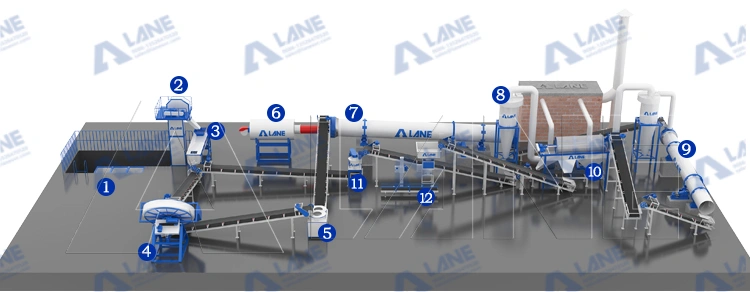
Whether you’re producing SSP or TSP at scale, the manufacturing process involves a defined sequence of industrial equipment. Here’s what a standard phosphate fertilizer production line typically includes:
- Acidulation reactor: The primary reaction vessel where phosphate rock meets sulfuric acid (SSP) or phosphoric acid (TSP). Reaction efficiency here directly impacts product quality.
- Double shaft mixer: Blends reacted material thoroughly, ensuring uniform moisture distribution before granulation.
- Rotary drum granulator: Converts the blended material into consistent granules. Granule size uniformity is critical for even field application.
- Rotary drum dryer: Removes excess moisture from granules post-formation. Proper drying prevents caking during storage and transport.
- Rotary drum cooler: Brings granule temperature down before packaging — skipping this step causes condensation and product degradation.
- Vibrating screen: Separates on-spec granules from oversized or undersized particles; fines are recycled back to the granulator.
- Coating machine: Applies anti-caking agents or micronutrient coatings, improving shelf life and handling characteristics.
- Belt conveyor system: Connects all process units, enabling continuous material flow across the production line.
Equipment suppliers like LANE, a large-scale fertilizer production equipment manufacturer based in Henan, China, offer integrated phosphate fertilizer production lines for both SSP and TSP configurations — worth evaluating if you’re planning a greenfield facility or capacity expansion.
Agronomic Fit: Which Performs Better in the Field?
Agronomic performance in the SSP fertilizer vs triple superphosphate (TSP) comparison depends heavily on crop type and soil chemistry.
TSP usually wins in intensive systems where the priority is cramming as much nutrient into each application as possible. Rice paddies in Vietnam, maize belts in East Africa — places where logistics are a headache. SSP makes more sense on sulfur-deficient soils. Oilseeds, legumes, certain vegetables all do better with phosphorus and sulfur together. Every time I’ve dealt with this in Ethiopia and Nigeria, the same thing happens: buyers stare at the P₂O₅ number, and SSP’s sulfur benefit might as well be invisible.
One more thing: SSP’s lower concentration means higher application volumes, which actually improves phosphorus distribution uniformity on fields where spreader calibration is imprecise. As a phosphate fertilizer input, SSP delivers agronomic value well beyond what the nutrient percentage alone suggests.
Logistics and Storage Considerations
TSP wins on logistics density: fewer bags, less freight volume per unit of P₂O₅. In landlocked regions with expensive last-mile transport, that really adds up. SSP picks up moisture more easily, so storage matters more with it (nobody wants a pallet of caked SSP). In either case, a dry, ventilated warehouse is the rule and keep both well away from direct moisture.
Making the Right Procurement Decision
The SSP fertilizer vs triple superphosphate (TSP) decision isn’t a universal one. It’s highly context dependent.
Choose SSP when: sulfur deficiency is documented in target soils, local production infrastructure reduces delivered cost, or your crop mix includes oilseeds and legumes.
Choose TSP when: logistics costs are the dominant procurement variable, phosphorus concentration per application point is critical, or you’re operating in markets where TSP supply chains are well-established.
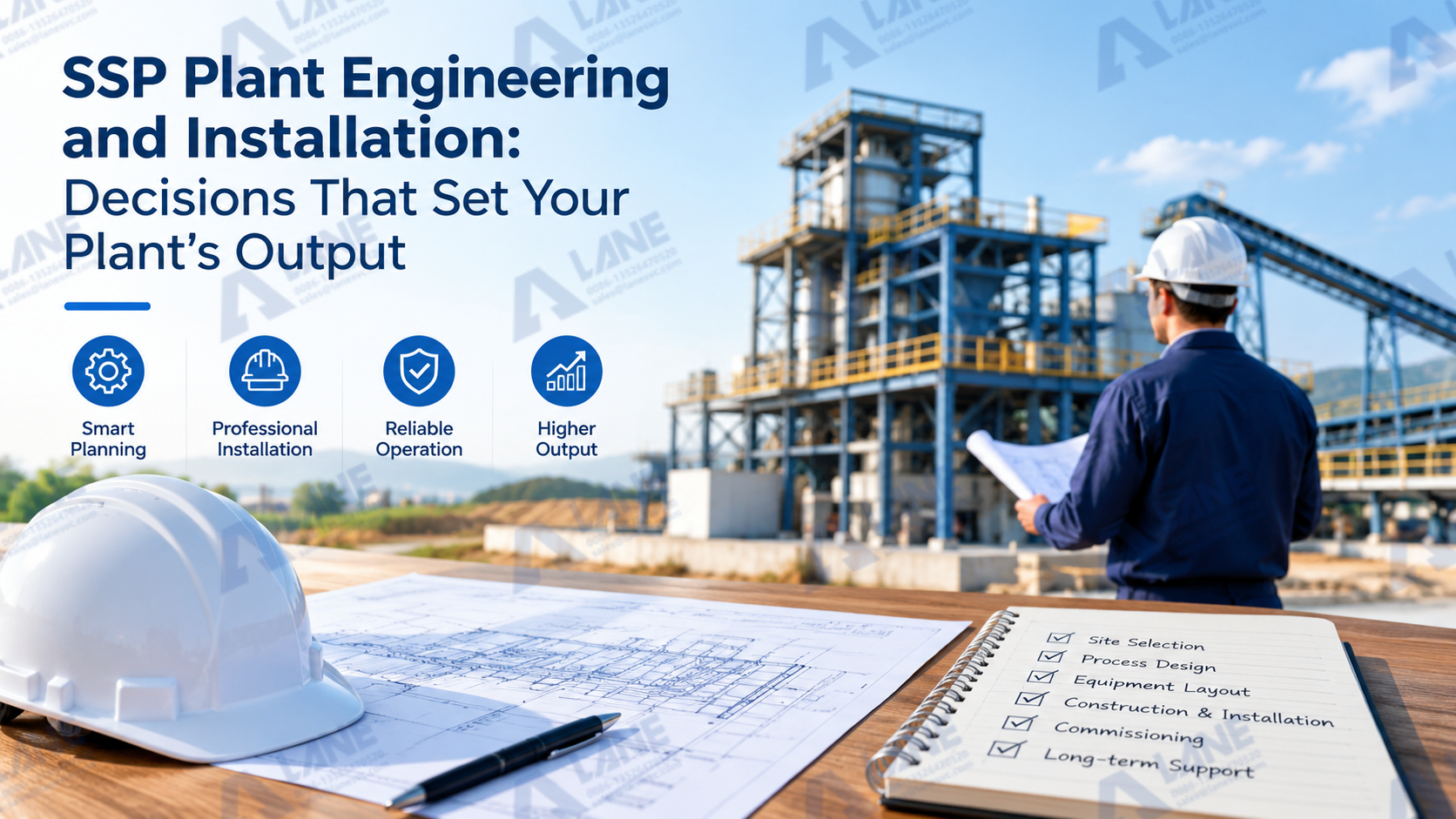
For producers evaluating plant-level investment in phosphate fertilizer manufacturing, the equipment configuration differs meaningfully between SSP and TSP lines — particularly around the acidulation system and drying capacity requirements. LANE’s engineering team provides customized line layouts based on target output and product specification, which simplifies early-stage feasibility planning considerably.
Conclusion
Neither SSP nor TSP is universally superior. The right phosphate fertilizer for your operation depends on your soil profile, crop requirements, logistics reality, and — critically — your true cost per unit of P₂O₅ delivered to the field. Run the numbers carefully. And if you’re building or expanding a production facility, get your equipment configuration right from the start — it’s the decision that drives every cost downstream.
Frequently Asked Questions
Q1: What is the main difference between SSP fertilizer and triple superphosphate (TSP)?
SSP contains 16–20% P₂O₅ plus calcium sulfate (providing sulfur), while TSP contains 44–48% P₂O₅ with no sulfur content. TSP is more concentrated; SSP offers dual phosphorus-sulfur nutrition. This fundamental difference defines the SSP fertilizer vs triple superphosphate (TSP) debate for most procurement teams.
Q2: Is SSP or TSP more cost-effective per unit of phosphorus delivered?
It depends on logistics and local input costs. TSP costs more per ton but less per unit of P₂O₅ when freight and application costs are factored in. SSP can be more economical when produced locally with available raw materials.
Q3: Which phosphate fertilizer is better for sulfur-deficient soils?
SSP is the clear choice. Its calcium sulfate content delivers meaningful sulfur alongside phosphorus — particularly beneficial for oilseeds, legumes, and crops on sulfur-deficient soils common in parts of Africa and South Asia.
Q4: What equipment is needed to produce SSP or TSP at industrial scale?
A complete phosphate fertilizer production line includes an acidulation reactor, double shaft mixer, rotary drum granulator, rotary drum dryer, rotary drum cooler, vibrating screen, coating machine, bag filter, and belt conveyor system.
Q5: Can the same production equipment be used for both SSP and TSP manufacturing?
Some equipment overlaps (granulators, dryers, screens), but the acidulation system differs significantly — SSP uses sulfuric acid reactors while TSP requires phosphoric acid handling systems. Most facilities are configured specifically for one product.
Q6: What markets show the strongest demand for SSP fertilizer vs triple superphosphate (TSP)?
SSP demand is strongest in South Asia, Sub-Saharan Africa, and Latin America where sulfur deficiency is prevalent and local production is viable. TSP sees stronger uptake in markets prioritizing logistics efficiency, including parts of Southeast Asia and the Middle East.
For more details, please feel free to contact us.
Henan Lane Heavy Industry Machinery Technology Co., Ltd.
Email: sales@lanesvc.com
Contact number: +86 13526470520
Whatsapp: +86 13526470520