SSP Fertilizer Plant Setup Cost: Complete Buyer’s Guide
- 2026-07-10
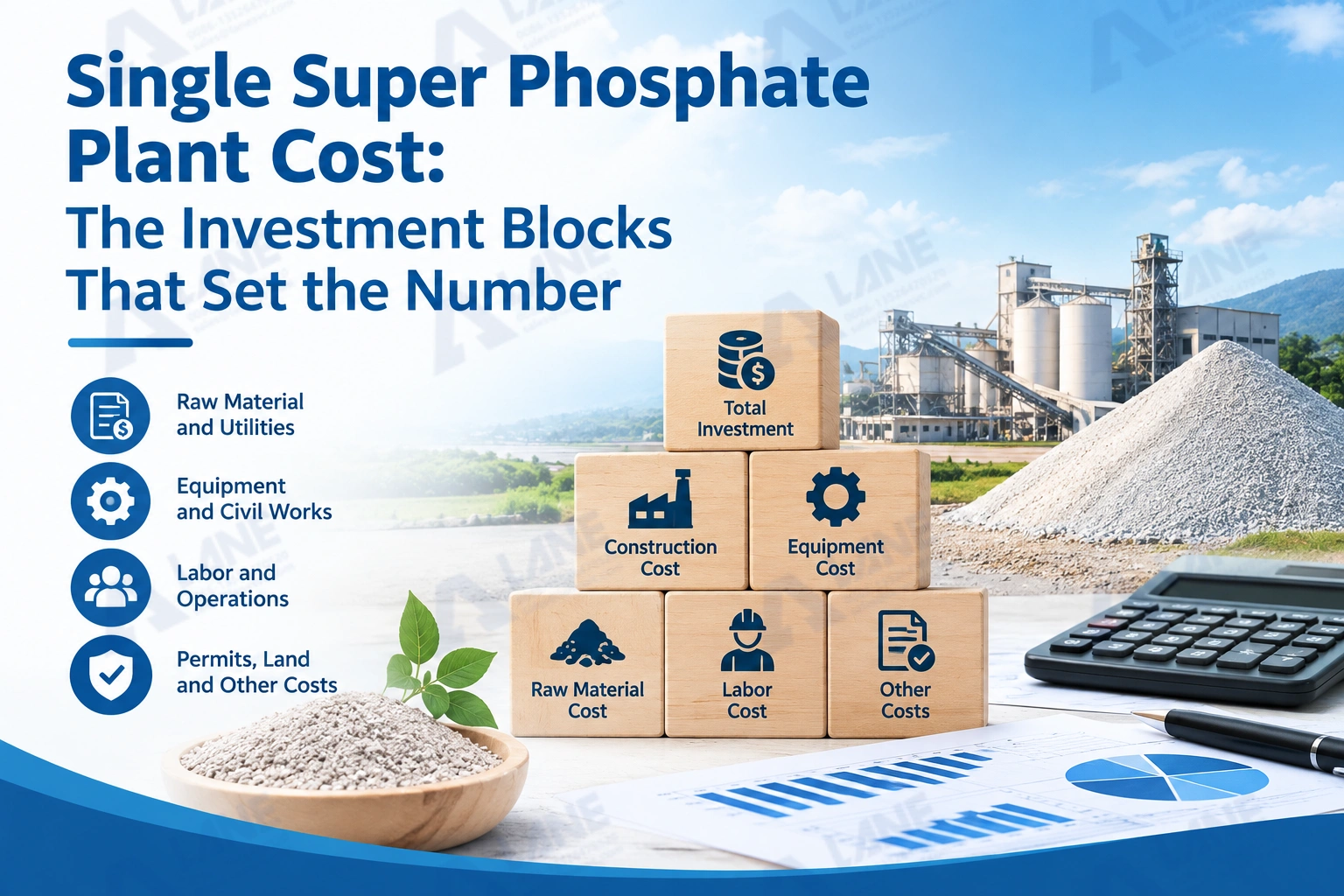
The global demand for localized phosphorus fertilizers isn’t slowing down; if anything, it’s surging in emerging markets. For industrial investors, entering this space means asking one crucial question: what is the actual financial bottom line? When calculating your projected SSP fertilizer plant setup cost, you have to look far beyond the sticker price of standard machinery. You are budgeting for an aggressive chemical environment.
Let’s be completely realistic here. I’ve spent over twelve years auditing dusty production floors and fixing broken integration strategies. From what I’ve seen in the field, most budget overruns happen because investors fail to plan for the brutal realities of handling highly corrosive acids and abrasive rock powders. Establishing a modern single superphosphate plant requires deep engineering integration. If your machinery isn’t perfectly synchronized, your upfront savings will disappear into an operational black hole within six months.
Key Factors Influencing Your Expenses
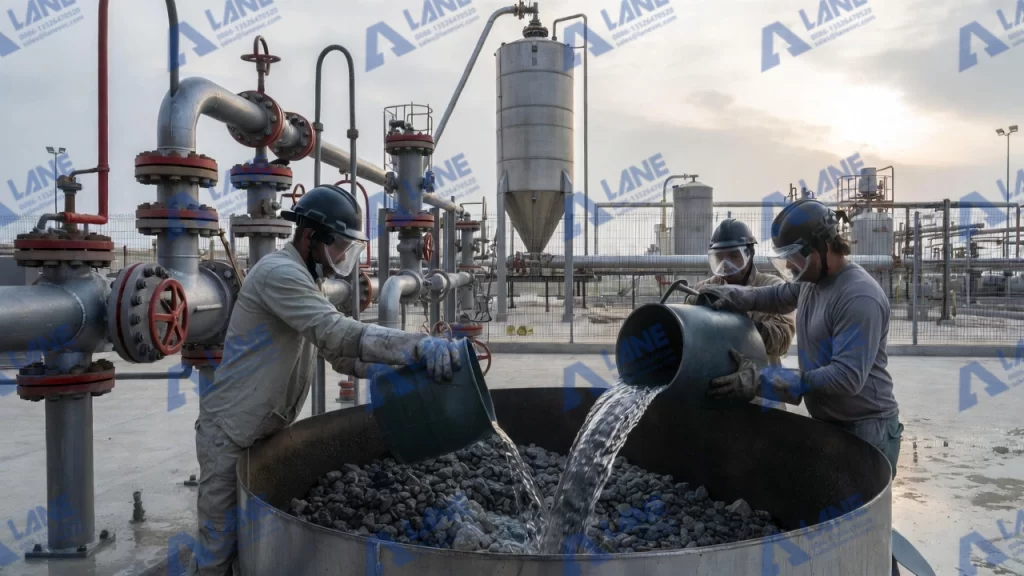
You cannot just pull a universal estimate out of a hat. Heavy manufacturing doesn’t work that way. Your total SSP fertilizer plant setup cost will fluctuate wildly based on your target capacity, the quality of your raw phosphate rock, and your choice of metallurgy.
To be honest, the biggest line item affecting your SSP fertilizer plant setup cost is always the chemical reaction zone. This is where the damage happens. If you choose cheap carbon steel for your reactors to save a quick buck, hot sulfuric acid will literally dissolve your investment. I always tell clients that skimping on metallurgy is a fatal mistake. You must invest in high-grade stainless steel or specialized acid-resistant linings. Yes, it drives up your initial price tag. But it saves you from catastrophic, unplanned maintenance shutdowns down the road. Why risk it?
Core Machinery Requirements for High-Yield Operations
An efficient factory is a finely tuned mechanical ecosystem, not a disjointed collection of individual machines. Let’s look objectively at the critical individual units required to run an efficient single superphosphate plant.
Crusher: Raw phosphate rock usually arrives as massive, unyielding boulders. You need a rugged jaw crusher to violently pulverize these rocks, maximizing the surface area available for the upcoming chemical acidulation phase.
Acidulation Reactor: This is the absolute core of the facility. It is where raw rock powder meets concentrated sulfuric acid in a violent reaction. The design must feature high-torque mixing paddles and superior corrosion resistance to withstand the punishing chemical environment.
Continuous Curing Den: Initial mixing is only half the battle. The fresh chemical slurry requires dedicated time to stabilize. A continuous den slowly moves the hot material, allowing the chemical reaction to run to full completion while turning the slurry into a manageable, solid mass.
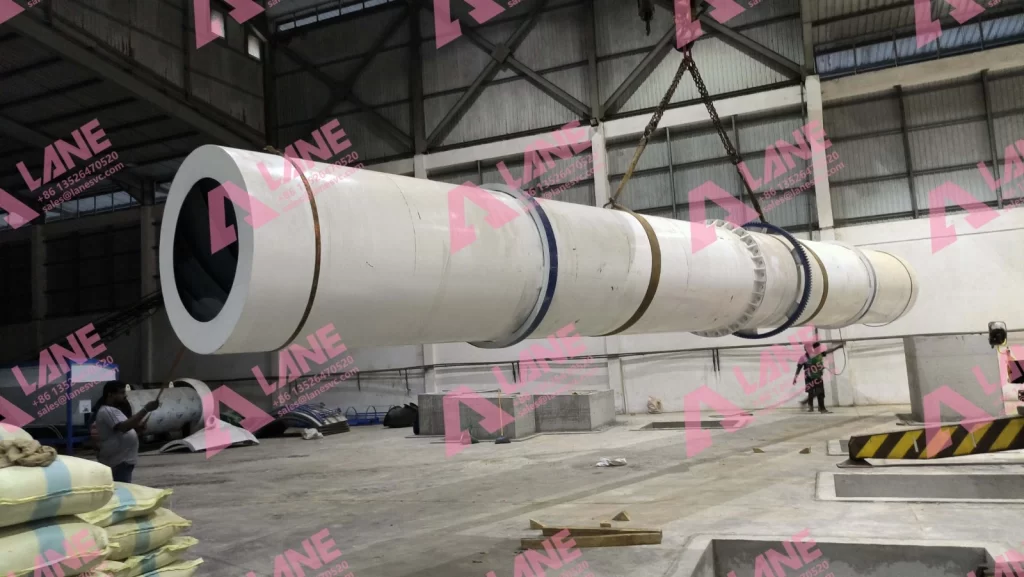
Rotary Drum Granulator: Powdered fertilizer is difficult to transport and apply evenly in the field. Modern commercial markets demand uniform pellets. A high-capacity rotary drum granulator—like the heavy-duty units engineered by LANE—uses moisture and rotational physics to roll the cured material into hard, clean, spherical granules.
Rotary Dryer and Cooler: Freshly rolled granules contain too much internal moisture to be safely bagged. An industrial rotary dryer calibrated for a single superphosphate plant uses heated air currents to drive out moisture, followed immediately by a rotary cooler that stabilizes the core temperature of the product to prevent clumping during warehouse storage.
Vibrating Screen & Automated Packing Line: The final gatekeeper. The screen separates irregular shapes, sending undersized particles back to the granulator. The perfect granules proceed straight to the automated bagging scales for rapid dispatch.
Real-World Insights: Where Investors Bleed Cash
Many clients ask me how to minimize their initial SSP fertilizer plant setup cost without sacrificing long-term performance. Let me tell you a quick story about a project I visited a few years ago. An ambitious processing firm tried to build a plant by piecing together mismatched, cheap machinery from four different local vendors. They bought a cheap mixer here, a random dryer there, and a low-grade granulator from somewhere else.
It was a complete disaster. The feed rate of the crusher completely overwhelmed the reactor, while the dryer couldn’t handle the output volume of the granulator. The entire factory was plagued by constant bottlenecks. They were losing thousands of dollars a day in lost labor and wasted utilities.
We ended up stepping in and replacing their failing core units. By partnering with a top-tier manufacturer like LANE, you ensure your single superphosphate plant is structurally sound from day one. LANE specializes in building over-engineered, heavy-duty single units that don’t quit when the environment gets harsh. We dropped their advanced reactor into the client’s layout. The bottlenecks vanished almost instantly. Why? Because the machines were engineered to handle the actual mass balance of heavy fertilizer production.
I remember troubleshooting a newly built single superphosphate plant in Africa where a similar issue occurred due to terrible environmental scrubbing systems. You cannot ignore emissions. A modern setup must integrate efficient fluorine gas scrubbers directly into the core design. If you ignore this to cut down your upfront expenses, local environmental authorities will shut you down before you even bag your first ton.
Long-Term ROI and Operating Costs
Let’s talk about the relationship between CAPEX and OPEX. While the initial SSP fertilizer plant setup cost might seem high when you invest in premium steel and robust single machines, your operational costs will be significantly lower.
Think about it logically. Cheap machines require constant spare parts, frequent welding, and endless downtime. Premium machinery keeps running day and night. High-capacity single units consume less total electricity per ton of finished product than a series of struggling, underpowered machines. In the heavy fertilizer game, efficiency is measured over years, not days.
Conclusion
Succeeding in the industrial fertilizer market requires a fine balance of chemical knowledge and mechanical grit. Your upfront capital choices will directly determine your factory’s survival. Don’t compromise on the quality of your core machinery just to chase a lower initial quote; investing in a premium single superphosphate plant ensures you remain competitive for decades.
Are you ready to stop guessing and start engineering a highly profitable production facility? Get in touch with our veteran engineering team today to receive a highly detailed, transparent breakdown customized precisely for your target capacity. Let’s build something built to last.
Frequently Asked Questions (FAQ)
Q1: What is the average SSP fertilizer plant setup cost for a mid-sized operation?
A: A mid-sized commercial facility processing around 10 to 20 tons per hour will require a capital investment ranging from $500,000 to over $2 million. The final price tag depends heavily on your choice of automated packaging systems, metallurgy grades, and emissions control infrastructure. Therefore, budgeting accurately for your SSP fertilizer plant setup cost requires clear material specifications.
Q2: How much land is required to build a single superphosphate plant?
A: A standard industrial layout requires between 3,000 to 6,000 square meters. You need ample space for long rotary dryers, massive curing dens, and safe warehouse storage of raw phosphate rock and finished bags.
Q3: Can I use low-grade phosphate rock in this production process?
A: Actually, you can, but it complicates your chemistry. Lower-grade rock requires higher concentrations of sulfuric acid and longer retention times inside the curing den. Your core reactor must be specifically calibrated by your equipment supplier to handle your specific raw material profile.
Q4: Is a rotary drum granulator better than a pan granulator for SSP?
A: Absolutely. While disc granulators are cheaper upfront, they have very limited capacities and create ambient dust. For large-scale industrial operations, a heavy-duty rotary drum granulator is the undisputed industry standard for creating hard, uniform pellets efficiently.
Q5: How long does the chemical curing process typically take?
A: To be honest, while the initial acidulation reaction happens in minutes inside the mixer, full chemical stabilization takes anywhere from 3 to 7 days inside the curing den or storage warehouse, depending on your ambient temperature and rock composition.
Q6: Why should I buy specialized machinery for a single superphosphate plant instead of standard compound lines?
A: Because standard compound fertilizer lines are not built to handle the extreme corrosion of free phosphoric and sulfuric acids. Specialized setups feature heavy-duty, acid-resistant alloys and robust seals designed specifically to withstand the brutal chemical reactions of superphosphate production without rotting out.
For more details, please feel free to contact us.
Henan Lane Heavy Industry Machinery Technology Co., Ltd.
Email: sales@lanesvc.com
Contact number: +86 13526470520
Whatsapp: +86 13526470520