Turnkey Single Superphosphate Plant: Complete Cost & Process Guide
- 2026-07-08
If you are watching the global fertilizer market, you know the demand for localized phosphorus production is surging. Establishing a turnkey single superphosphate plant isn’t just about pouring concrete and buying massive steel vessels. It’s about building a living industrial system that reliably turns raw rock phosphate and highly corrosive sulfuric acid into profit.
Let me be entirely blunt here. I’ve spent over a dozen years walking the dusty floors of heavy industrial sites, and I’ve seen too many investors burn millions trying to piece together equipment from five different global suppliers. That is exactly why opting for a fully integrated SSP plant makes sense. You get one unified system, one point of accountability, and a considerably faster route to bagging marketable fertilizer.
The Harsh Realities of Production
Producing Single Superphosphate seems straightforward on paper. You mix rock phosphate with acid, let it cure, and then granulate it. To be honest, while the chemistry is basic, the mechanical execution is incredibly unforgiving. Corrosion is your biggest enemy. If material flow isn’t balanced perfectly, your whole production line will inevitably grind to a halt.
When you wisely invest in a turnkey single superphosphate plant, you are paying for the engineering foresight that prevents these disastrous bottlenecks. Let me break down the heavy machinery that makes this happen.
Core Equipment in a Modern Setup
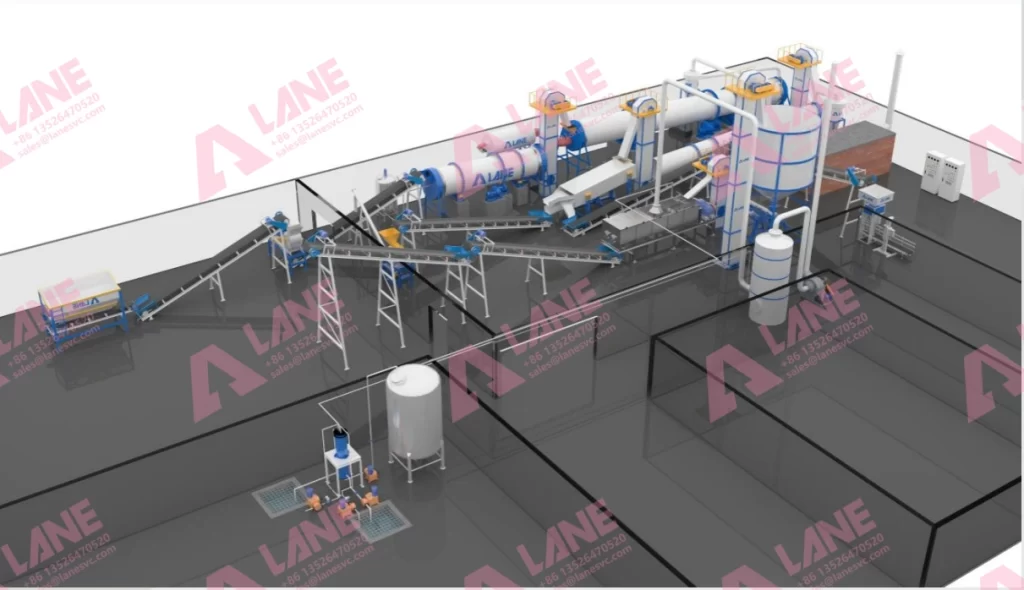
Every reliable, heavy-duty SSP plant relies on a sequential line of highly specialized machines. Here are the core components you absolutely must get right:
-
Jaw Crusher & Hammer Mill: You cannot react massive rocks efficiently. These crushers violently reduce raw phosphate into a fine powder, maximizing the surface area available for the crucial acidulation phase.
-
Acidulation Reactor: Make no mistake, this is the beating heart of the operation. Here, the powdered rock violently mixes with sulfuric acid. It requires intense mechanical mixing and extreme corrosion resistance, typically utilizing high-grade stainless steel or specialized linings.
-
Curing Den: After the initial reaction, the resulting hot slurry needs dedicated time to set properly. Continuous dens allow the internal chemical reaction to run to completion, slowly turning the liquid slurry into a solid mass.
-
Rotary Drum Granulator: Nobody wants dusty powder fertilizer anymore. A highly optimized rotary drum granulator smoothly agglomerates the cured, crushed material into hard, spherical granules that are incredibly easy to handle, transport, and apply in the open field.
-
Rotary Dryer: Freshly formed granules contain far too much internal moisture. The heavy-duty rotary dryer forcefully removes this excess water using heated air, preventing the final product from caking during warehouse storage.
-
Rotary Cooler: Hot granules directly out of the dryer will sweat and physically degrade. The rotary cooler drops the core temperature rapidly before the product hits the final screening phase.
-
Screening and Packaging System: It’s the final gatekeeper. Oversized granules go back to the crusher; the perfectly sized ones head straight into the automated bagging line, ready for dispatch.
Let’s Talk Costs: Setting Up Your Operations
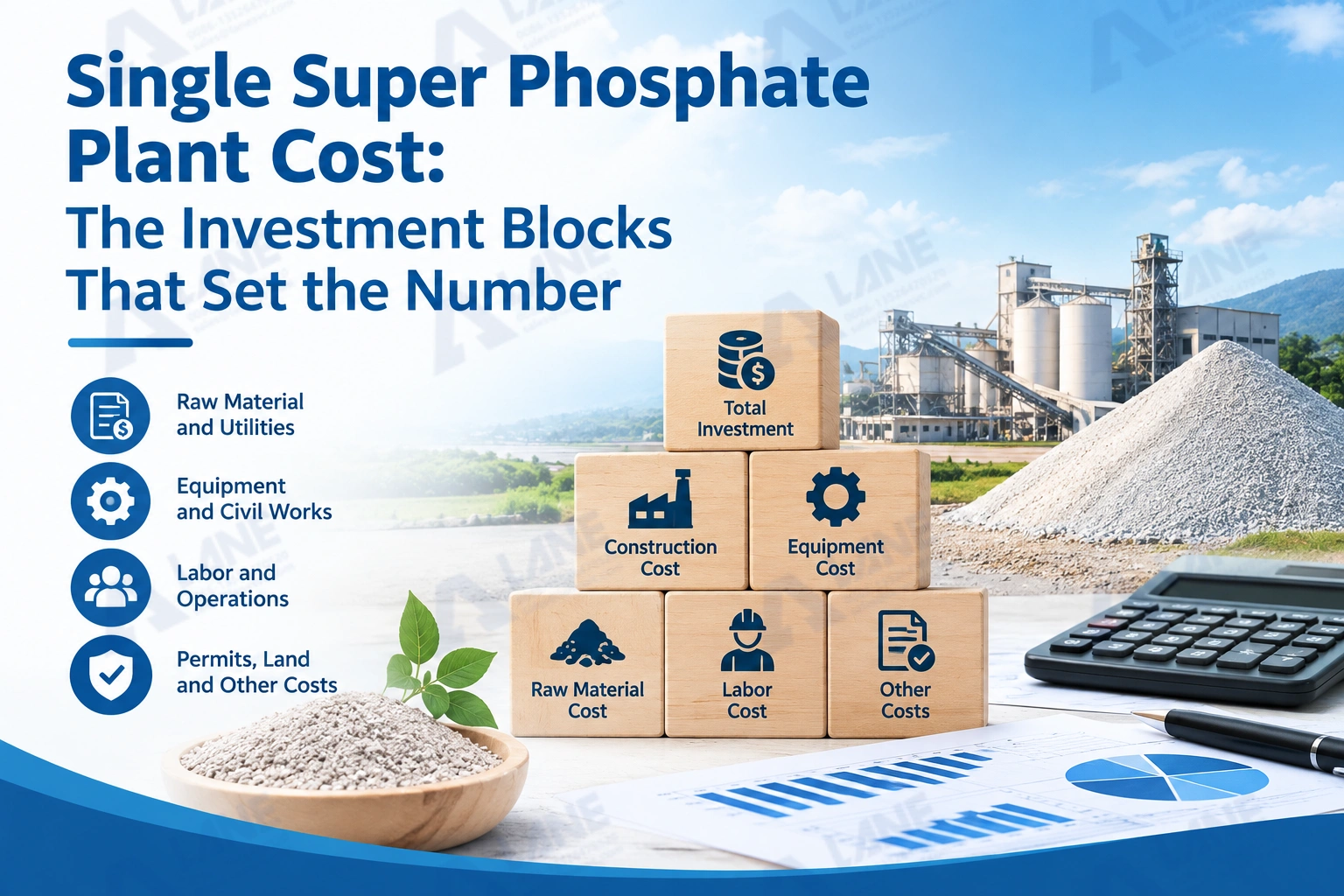
I get this exact question almost every single day. “What is the actual bottom-line price tag?” Giving a flat, universal number is impossible without knowing your specific target capacity and geographical location. However, from what I’ve seen in the field, establishing a mid-sized turnkey single superphosphate plant usually demands an initial capital expenditure ranging from $600,000 to well over $2.5 million.
Why such an intimidating range? It comes down to metallurgy and engineering quality. If you cut corners purchasing a cheap acidulation reactor, I guarantee you will pay triple that saving in emergency maintenance within two years. Hot sulfuric acid eats cheap metal for breakfast.
Working closely with a dedicated heavy machinery manufacturer like LANE can drastically optimize these capital costs. They don’t just sell you a standalone rotary drum granulator and walk away; they engineer the layout. An expertly designed SSP plant meticulously minimizes conveyor lengths, reduces power consumption, and ensures dust extraction systems actually capture the harmful waste.

Field Experience: The Hidden Advantage
In my 15 years working side-by-side with fertilizer producers, the most common, devastating failure point I witness isn’t the underlying chemistry. It’s system integration.
I vividly remember a project where a client tried to run a high-capacity European reactor paired with an underpowered, local rotary dryer. The resulting bottleneck was catastrophic. Their maximum daily output was slashed by over 40% simply because the dryer couldn’t handle the intense feed rate.
When you intentionally source a true integrated system, these painful mismatch disasters completely vanish. The lead engineering team meticulously calculates the precise mass balance. The throughput of your crusher matches your reactor, which flawlessly feeds your granulator. A truly cohesive SSP plant operates with a steady, profitable rhythm that disjointed setups can never achieve.
Moreover, strict environmental compliance is no longer optional. A modern SSP plant absolutely must include advanced scrubbing systems to safely handle the toxic fluorine gases released during the rock-acid reaction. Turnkey providers bake these scrubber systems directly into the initial blueprint.
Conclusion
Building a high-yield fertilizer facility is a massive undertaking, but the global demand for localized phosphorus isn’t slowing down. Investing capital into a properly engineered turnkey single superphosphate plant is the smartest way to mitigate risk, accelerate your timeline to market, and ensure operational stability.
Are you ready to stop piecing together mechanical puzzles and start producing premium fertilizer? Reach out to our expert engineering team today to discuss a custom-tailored, high-efficiency layout.
Frequently Asked Questions (FAQ)
Q1: What exactly does “turnkey” mean in the context of commercial fertilizer production?
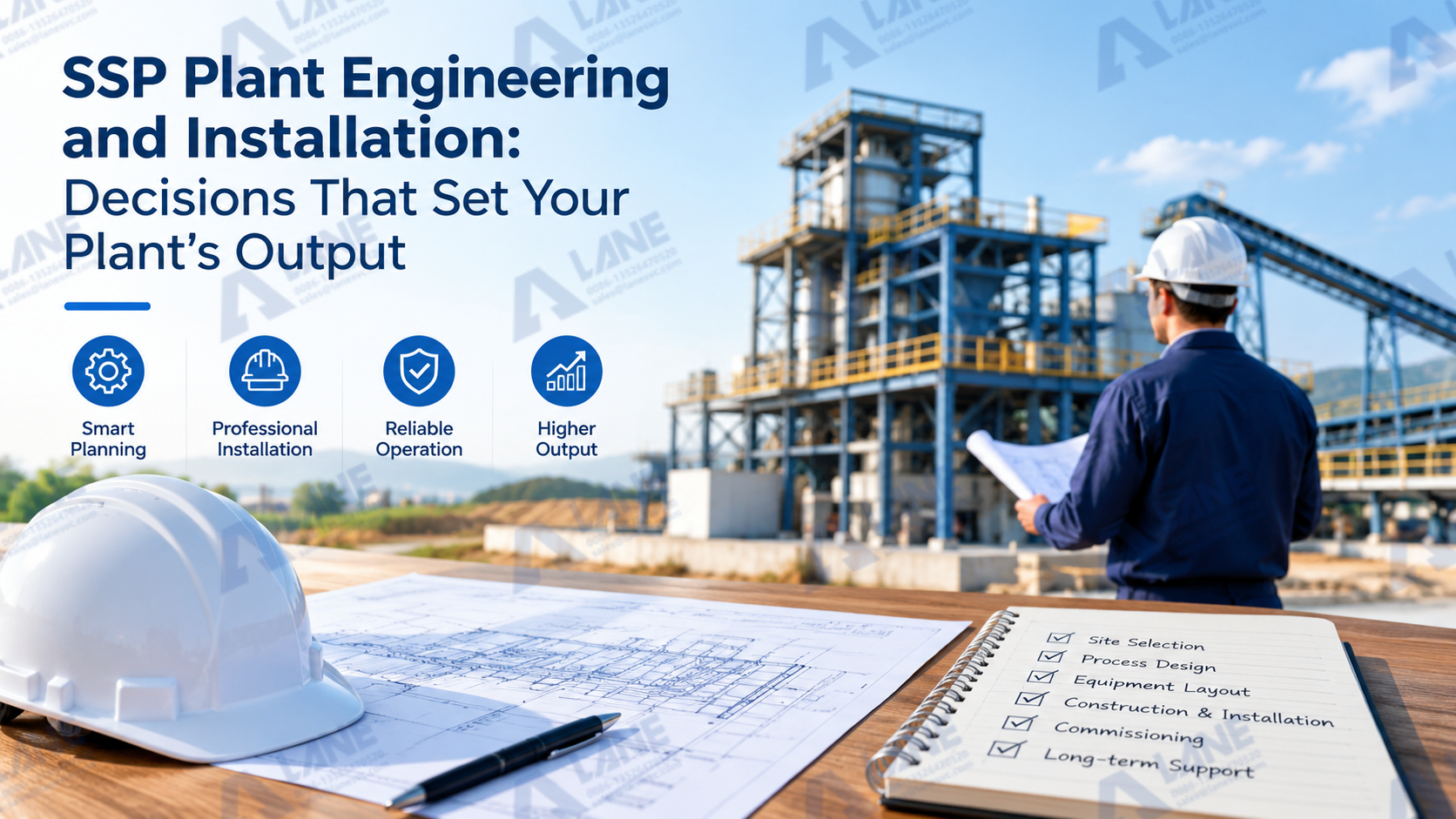
A: A turnkey single superphosphate plant essentially means the chosen supplier handles absolutely everything—from the initial process design and equipment manufacturing to final site installation and rigorous commissioning. You essentially “turn the key” to start running a fully operational facility without managing a dozen different contractors.
Q2: How long does it generally take to construct and commission a standard SSP plant?
A: While project timelines vary based on international shipping logistics and local civil works, a well-managed facility usually takes anywhere between 6 to 10 months from the final signing of the contract to the very first successful commercial test run.
Q3: Can an integrated facility easily handle different varying grades of raw rock phosphate?
A: Yes, actually, they can. However, the exact mechanical configuration of your acidulation reactor and the specific concentration of the sulfuric acid used must be adjusted. A truly well-engineered setup will be heavily customized based on the detailed mineralogy of your raw materials.
Q4: Is a rotary drum granulator strictly necessary for a profitable operation?
A: Technically speaking, you can sell powdered superphosphate, but the market heavily favors uniformly granulated fertilizers for ease of mechanical spreading. Integrating a high-quality rotary drum granulator makes your final bagged product significantly more valuable and instantly marketable.
Q5: What are the primary, ongoing operating costs to expect?
A: Beyond the bulk raw materials, the primary operating expenses in an active SSP plant are heavy electricity consumption, skilled operator labor, and vital routine maintenance—especially replacing heavy wear parts in crushers and managing severe corrosion.
Q6: Why should I firmly choose a turnkey provider over buying individual machines?
A: Purchasing a comprehensive SSP plant actively ensures perfectly matched equipment capacities, provides unified warranties, and gives you a single point of contact for troubleshooting. It drastically reduces engineering risks. This fully integrated approach ultimately guarantees that your new facility reaches its maximum return on investment faster.
For more details, please feel free to contact us.
Henan Lane Heavy Industry Machinery Technology Co., Ltd.
Email: sales@lanesvc.com
Contact number: +86 13526470520
Whatsapp: +86 13526470520