SSP Fertilizer Plant Cost and Design: Complete 2026 Guide
- 2026-07-06
Anyone researching SSP fertilizer plant cost and design quickly discovers there’s no single number that fits every project. I’ve spent years talking with producers who assumed a plant quote from a competitor’s brochure would match their own budget, only to find their raw material specs, capacity targets, and local infrastructure changed everything. Let’s cut through the noise and talk about what actually drives these numbers.
What Determines SSP Fertilizer Plant Cost
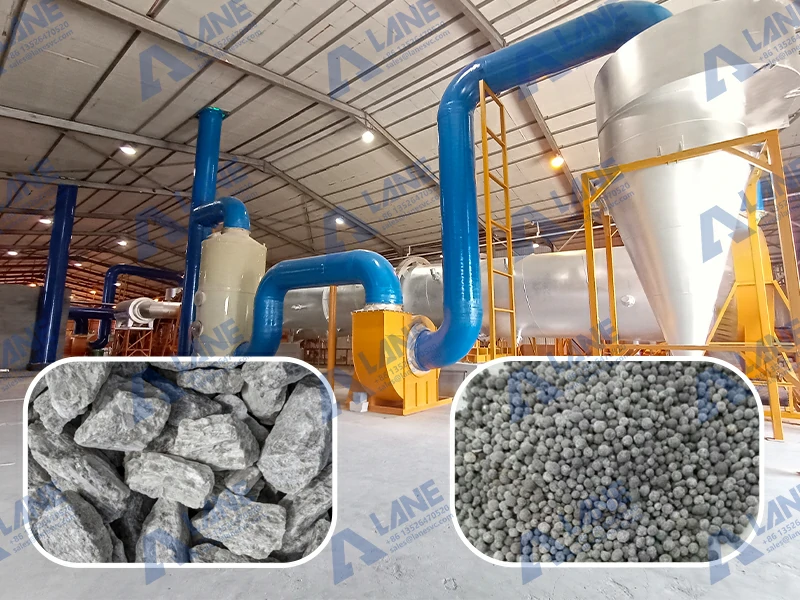
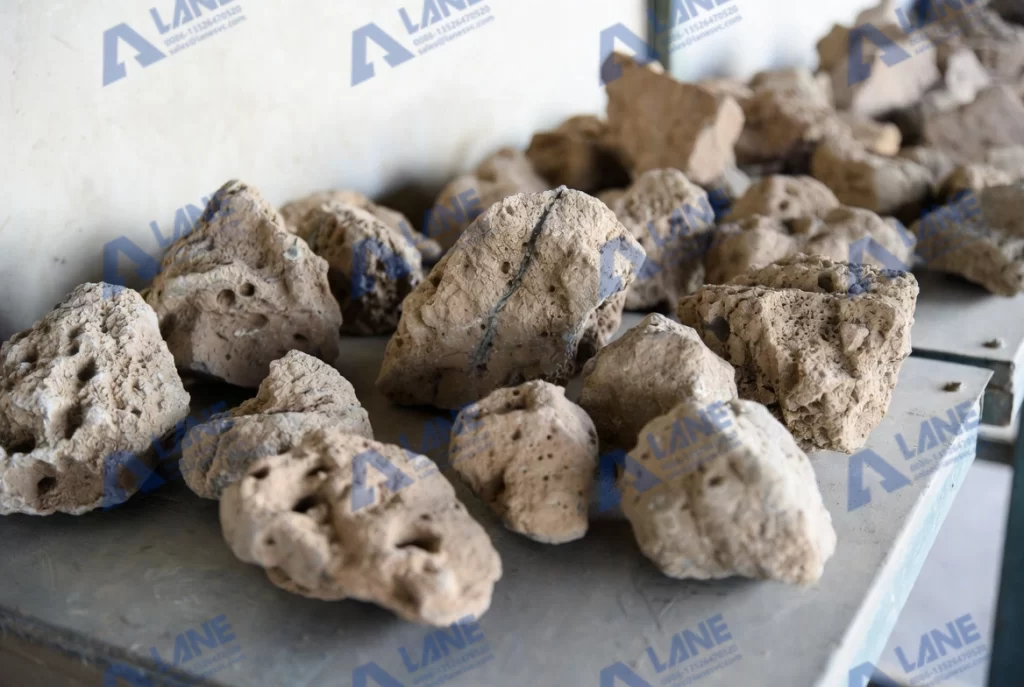
Single superphosphate production isn’t complicated chemistry, but the plant design behind it involves real engineering decisions. Rock phosphate reacts with sulfuric acid to produce SSP, and the equipment handling that reaction—along with curing, granulation, and drying—makes up the bulk of your capital investment.
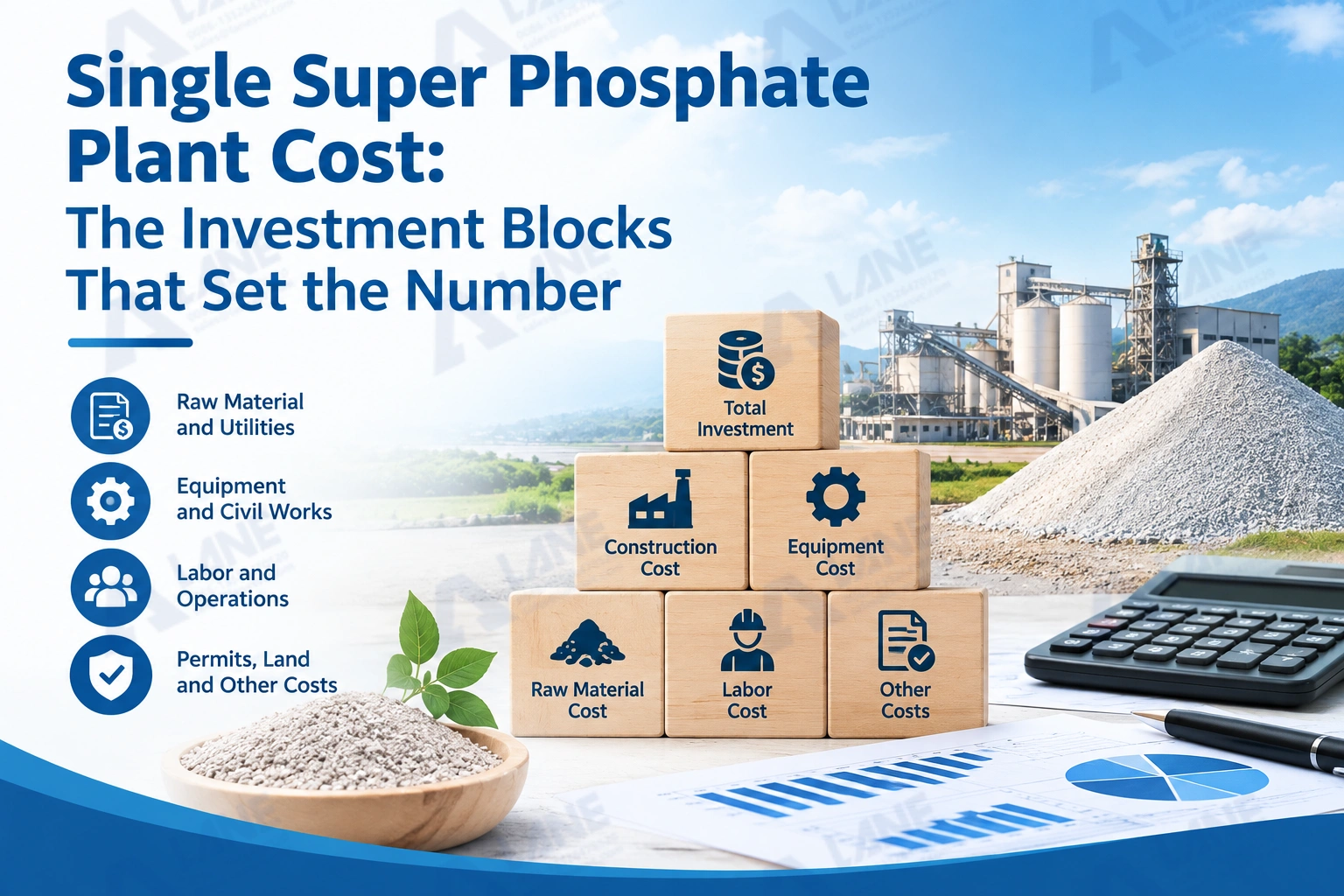
Capacity is the first variable. A 100 TPD plant costs dramatically less than a 500 TPD facility, obviously, but the relationship isn’t linear. Larger plants benefit from economies of scale in automation and material handling, so cost per ton actually drops as you scale up. To be honest, this surprises a lot of first-time investors.
Location matters too. Freight costs for rock phosphate and sulfuric acid can swing your operating budget significantly depending on proximity to ports or mines. I’ve seen projects in coastal regions cut logistics costs by nearly 20% simply through smart site selection.
Core Equipment in SSP Fertilizer Plant Design
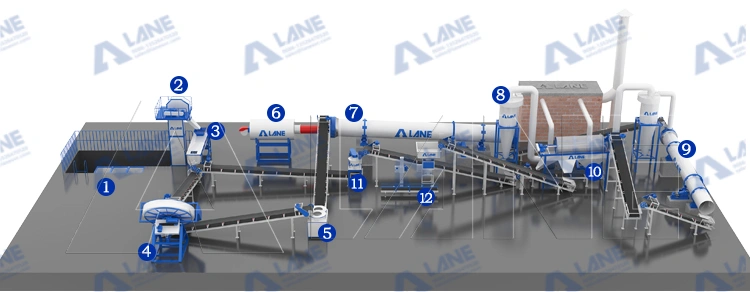
Any serious SSP fertilizer plant needs several essential machines working in sequence. Here’s what typically goes into the production line:
- Rock phosphate crusher– reduces raw material to uniform particle size before acidulation
- Sulfuric acid reaction den– where the core chemical reaction takes place
- Curing system– allows the reacted material to stabilize over several days
- Rotary drum granulator– shapes cured SSP into consistent, market-ready granules
- Rotary dryer– removes excess moisture to meet storage and shipping standards
- Rotary cooler– brings granule temperature down before screening
- Screening machine– separates finished product by size, sending oversize and undersize back for reprocessing
- Coating machine– applies anti-caking agents for longer shelf life
- Automatic Packaging Machine– finishes the product for distribution
Each piece needs to be sized correctly relative to your target capacity. Undersizing the granulator, for instance, creates a bottleneck that no amount of downstream automation can fix.
Balancing Cost Against Long-Term Value
Here’s where I’ll be blunt: the cheapest quote rarely wins in the long run. From what I’ve seen in the field, producers who chase the lowest upfront number on their SSP fertilizer plant often end up spending more within three years on maintenance, downtime, and equipment replacement.
Manufacturers like LANE have built reputations by focusing on durable rotary equipment and reaction systems that hold up under continuous operation. I’ve walked through facilities using their granulation lines, and the wear patterns after years of use were noticeably less severe than cheaper alternatives I’ve inspected elsewhere.
Automation level is another cost driver worth serious thought. A manually operated plant costs less initially but demands more labor and introduces more variability in product quality. PLC-controlled systems cost more upfront yet pay for themselves through consistency and reduced staffing needs over time.
Environmental Compliance Adds to the Budget—But It’s Non-Negotiable
Dust collection, wastewater treatment, and emission control systems aren’t optional extras anymore in most jurisdictions. Building these into your initial SSP fertilizer plant design, rather than retrofitting later, saves substantial money and regulatory headaches down the road.
Real-World Planning Advice
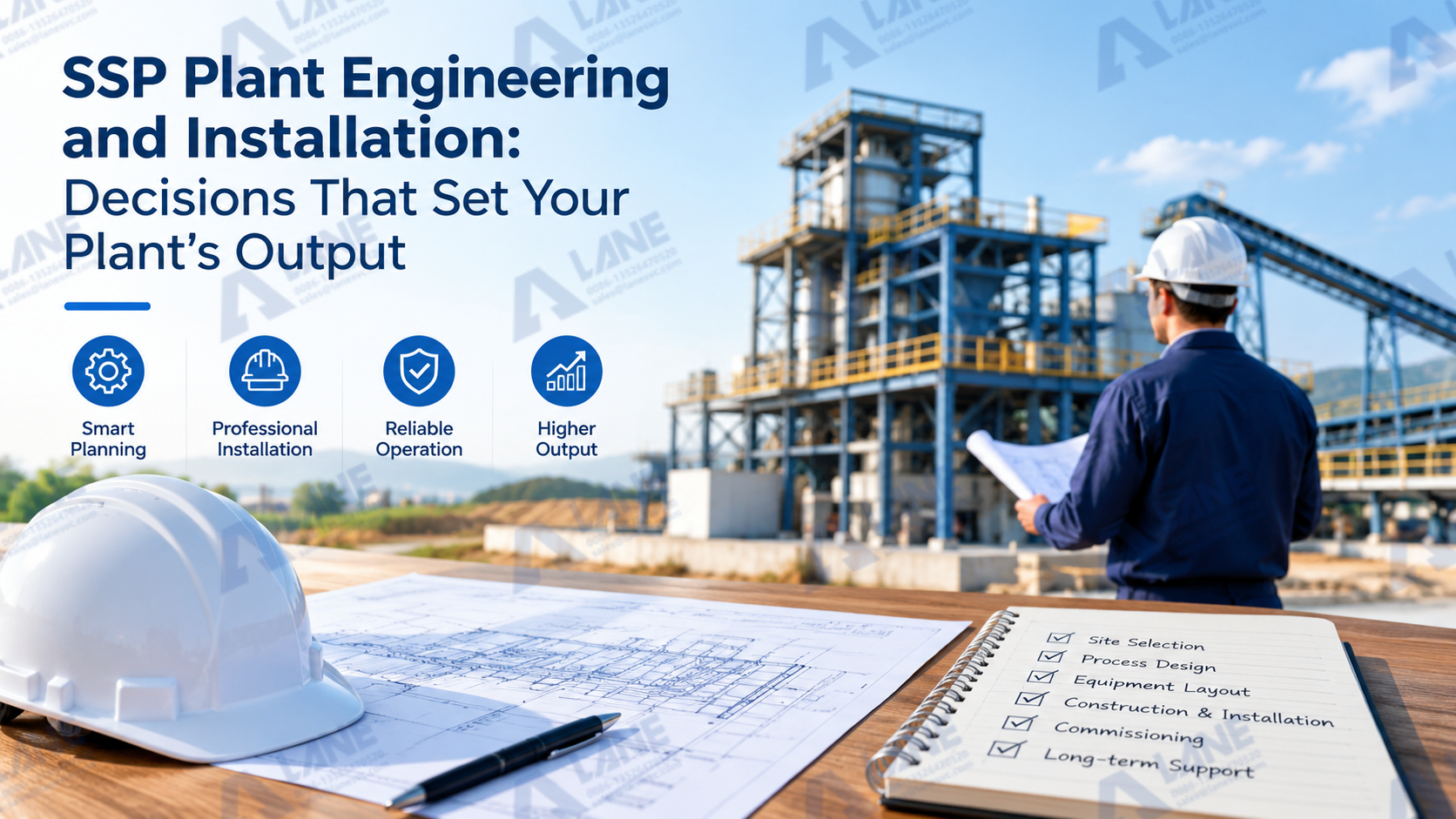
In my years working with producers across different regions, the biggest mistake I consistently see is underestimating civil works and foundation costs. Equipment pricing gets all the attention, but site preparation, structural steel, and utility connections can represent 25-30% of total project cost. Don’t let that catch you off guard.
Another thing—actually, this one’s important—always request equipment specifications that match your exact raw material composition. Rock phosphate grades vary internationally, and a granulator tuned for one ore composition may underperform with another.
Final Thoughts and Next Steps
Getting SSP fertilizer plant cost and design right requires balancing capacity goals, equipment durability, and long-term operating efficiency. It’s rarely about finding the cheapest option; it’s about finding the right-sized, well-engineered solution that serves your production goals for decades, not just years.
If you’re planning a new facility or upgrading existing infrastructure, reach out to experienced equipment manufacturers who can walk through your specific raw material and capacity requirements before you commit capital.
Frequently Asked Questions
What is the typical cost range for an SSP fertilizer plant?
Costs vary widely based on capacity, automation level, and location, typically ranging from several hundred thousand dollars for small plants to multiple millions for large-scale facilities.
How long does it take to build an SSP fertilizer plant?
Most projects take between 8 and 18 months from design finalization to commissioning, depending on equipment lead times and civil works complexity.
What raw materials are needed for SSP production?
Rock phosphate and sulfuric acid are the primary inputs, though specific grades and ratios depend on your target product specification.
Can existing plants be upgraded instead of building new ones?
Yes, many producers retrofit curing sheds, granulation systems, or drying equipment rather than starting from scratch, which can reduce capital costs significantly.
Is automation worth the added expense in SSP fertilizer plant design?
For most mid-to-large operations, yes—automation reduces labor dependency and improves product consistency over the plant’s operating lifetime.
How do I choose a reliable equipment manufacturer?
Look for manufacturers with proven installations, verifiable client references, and equipment designed specifically for your raw material characteristics.
For more details, please feel free to contact us.
Henan Lane Heavy Industry Machinery Technology Co., Ltd.
Email: sales@lanesvc.com
Contact number: +86 13526470520
Whatsapp: +86 13526470520