SSP Fertilizer Plant ROI: How to Maximize Profit and Reduce Production Costs
- 2026-03-31
Single superphosphate production isn’t really about chemistry — not at the business end of it, anyway. It’s about margins. Raw material prices fluctuate without warning, energy costs rise steadily, and in that environment, knowing your SSP fertilizer plant ROI isn’t a nice-to-have. It’s the difference between running a business and slowly losing one.
This article delves into the real levers behind profitability: first, what actually shapes profitability; next, which equipment decisions quietly erode your returns; and finally, what experienced producers are doing to address it.
What Drives SSP Fertilizer Plant ROI?
Three variables sit at the core of SSP fertilizer plant ROI — raw material input costs, production efficiency, and output quality. Most operators fixate on the first and underestimate just how much the other two move the needle.
Take phosphate rock quality. Lower-grade rock drives up sulfuric acid consumption per ton of output, which means more energy and lower P₂O₅ content in the finished product. That’s a compounding problem, not a one-time hit. Outdated or poorly maintained equipment makes it worse — micro-inefficiencies that seem minor individually add up, and by year-end, they’ve quietly shaved several percentage points off margin.
SSP fertilizer cost is also sensitive to energy patterns in ways that often go unaddressed. Many older plants predate modern variable-frequency drives and heat recovery systems. Retrofitting those — without touching the core production line — can reduce energy costs by 8 to 12%. That’s not a small number.
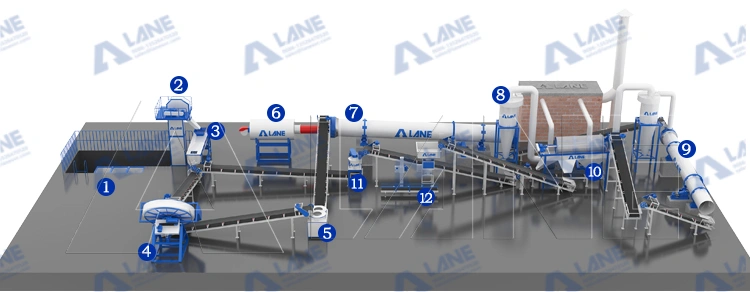
Key Equipment in SSP Production — and Why It Matters for Profit
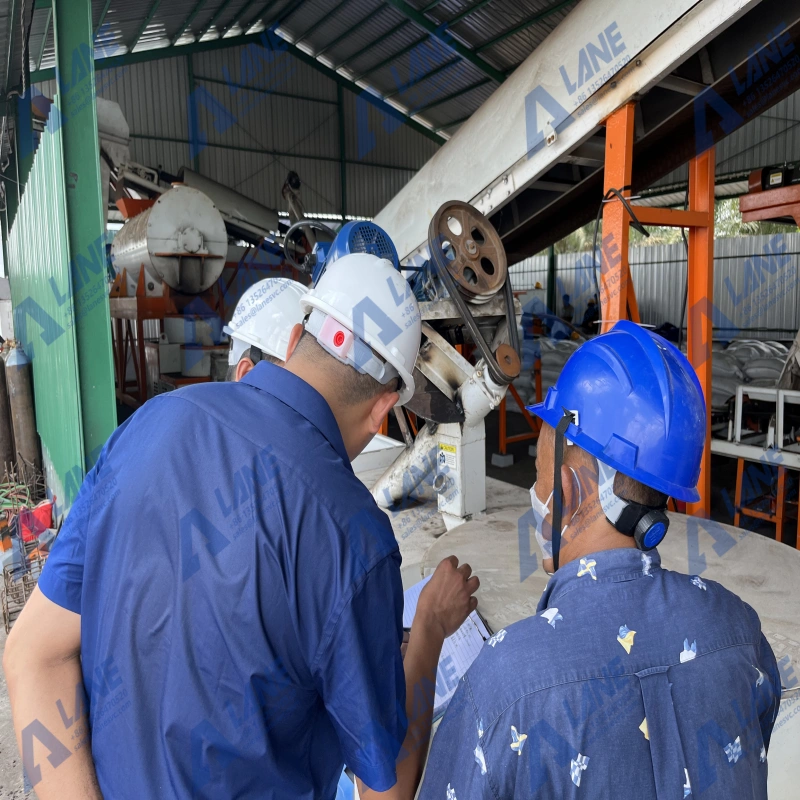
I’ve spent years working with producers across South and Southeast Asia who were bleeding margin on what looked like viable operations. Most of the time, the problem wasn’t the market. It was the equipment configuration. Here’s what actually drives profitability at the plant level.
1. Acidulation Reactor
The acidulation reactor combines phosphate rock and sulfuric acid. Its design—including mixing, residence time, and temperature—determines conversion efficiency. Poorly sealed or undersized dens cause incomplete reactions and losses, directly impacting yield and cost per ton.
Conveyor systems tend to get overlooked until they cause a shutdown. Belt failures and misalignment accumulate into real downtime costs. Sealed, corrosion-resistant conveyor systems reduce maintenance frequency and prevent the quiet material losses that erode output over time.
After acidulation, thorough mixing is what gives you a consistent P₂O₅ distribution across the product. Inconsistent mixing produces inconsistent quality — and that hits you twice: in product pricing and in customer confidence.
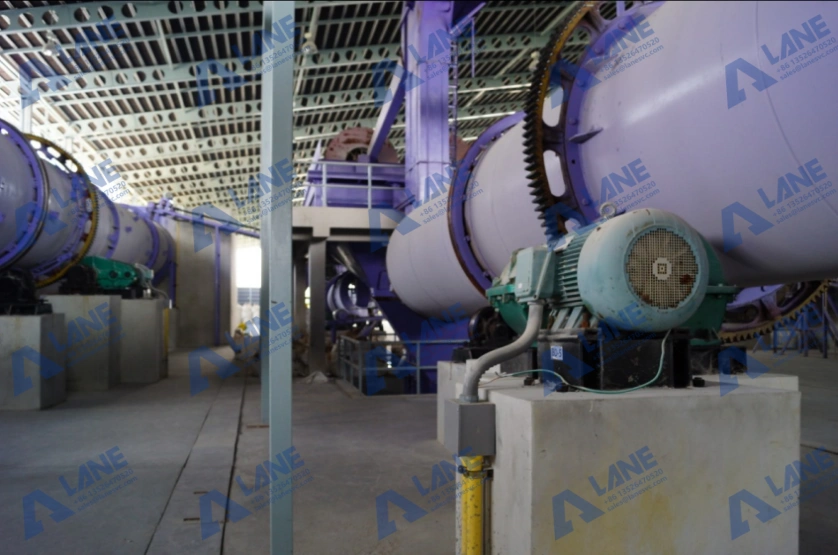
4. Rotary Drum Curing Unit
The rotary drum curing unit is where the reaction finishes. Get the rotation speed, retention time, and temperature profile wrong, and you’re not completing the chemistry. An improperly sized drum is one of the most common drivers of elevated SSP fertilizer cost in mid-scale plants — and one of the most underdiagnosed.
Particle size matters more than people give it credit for. If the Raymond mill — or an equivalent vertical roller mill — isn’t bringing phosphate rock to the right fineness, reaction efficiency upstream suffers, and so does everything downstream.
6. Exhaust Gas Scrubbing System
Fluoride and silicon tetrafluoride from the acidulation process need to be captured. A properly designed exhaust gas scrubbing system isn’t just about compliance — it protects the equipment itself, reducing the corrosion-related maintenance costs that accumulate quietly over the years.
Not every operation needs it, but for producers targeting premium markets, granulation is worth a serious look. Granular SSP commands better prices and is handled more easily in the field. The upfront capital is real, but the pricing premium typically works through to improved SSP fertilizer plant ROI within 18 to 24 months.
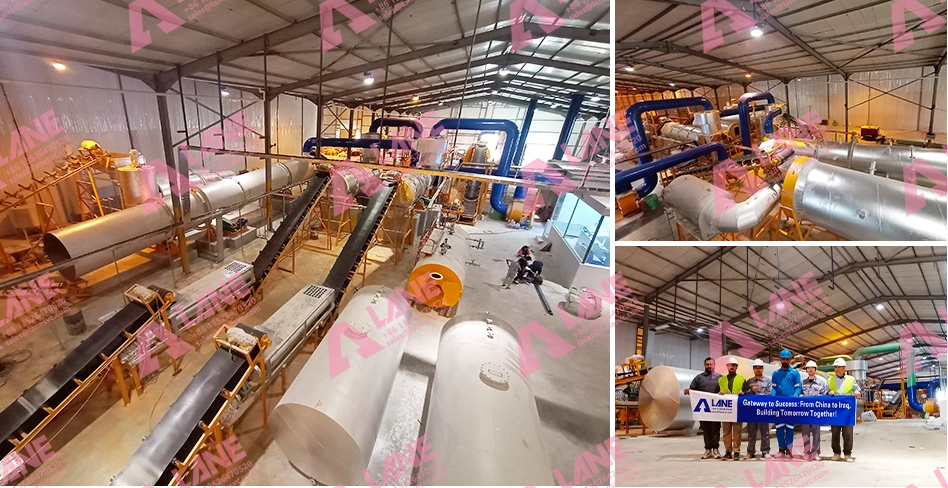
At LANE, what we’ve consistently observed — across different plant scales and geographies — is that it’s the integration of these systems, not any single piece, that ultimately determines whether an operation is genuinely profitable or just running.
Practical Strategies to Reduce Production Costs
Equipment aside, there are operational habits that separate tight operators from struggling ones.
Raw material sourcing diversification. Depending on a single phosphate rock supplier is a structural margin risk. Producers who keep two or three supplier relationships active are better positioned to negotiate and to absorb supply disruptions without stopping production.
Predictive maintenance scheduling. Reactive repairs cost more than planned ones — usually much more. Scheduling downtime around actual equipment wear data reduces emergency costs and, more importantly, prevents the cascading failures that can shut a plant down for a week.
Energy auditing. A thorough audit every 18 months typically surfaces 5 to 10% in recoverable losses. Variable-frequency drives on exhaust fans, waste heat recovery from the curing drum, optimized compressor scheduling — these are measurable, implementable interventions that directly reduce SSP fertilizer cost without touching output quality.
Staff training and process standardization. Operator error drives more inconsistency in batch quality and reagent waste than most plant managers want to admit. Solid SOPs and regular training pay out in more consistent product and fewer raw material losses.
FAQ
Q: What is a realistic ROI timeline for a new SSP plant?
Most greenfield operations hit breakeven somewhere between three and five years, assuming reasonable raw material supply and market conditions. Upgrading an existing plant tends to return value faster — often within 12 to 24 months — because the core infrastructure is already in place.
Q: How does SSP fertilizer cost compare to TSP or DAP on a per-unit P₂O₅ basis?
SSP carries a lower production cost per ton, though the P₂O₅ content is also lower — typically 16 to 20%. On a cost-per-unit-of-nutrient basis, it stays competitive, particularly in markets where the sulfur content of SSP has agronomic value alongside the phosphorus.
Q: Can equipment upgrades alone improve SSP fertilizer plant ROI significantly?
Yes — and usually faster than operators expect. The right upgrades to an acidulation reactor, curing drum, or scrubbing system can simultaneously improve yield and reduce operating costs. The variable is knowing which bottleneck to prioritize.
Q: What role does product quality play in plant profitability?
A substantial one. Consistent P₂O₅ content and moisture control are what let producers access premium market segments. Plants that hit quality benchmarks reliably can command 8 to 15% more per ton — and that gap compounds over a full season.
Final Thoughts
Improving SSP fertilizer plant ROI rarely comes down to a single fix. It’s the accumulation of better decisions across equipment selection, raw material strategy, energy management, and day-to-day operational discipline. None of it is complicated. But in a low-margin business, getting the fundamentals right consistently is exactly what separates profitable plants from ones that merely stay open.
Start with the SSP fertilizer cost at each stage of production. Map the numbers to specific equipment and processes. The path forward usually becomes clear from there.
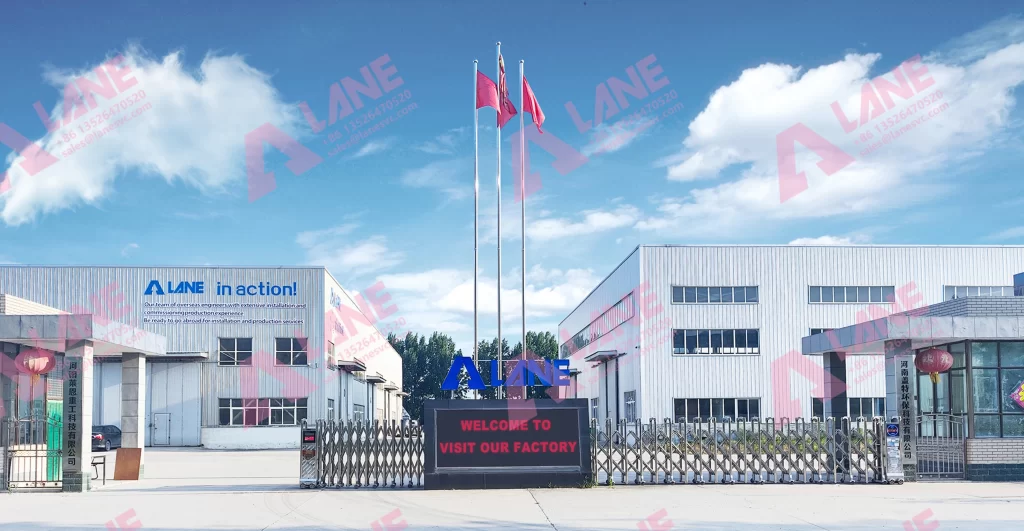
For more details, please feel free to contact us.
Henan Lane Heavy Industry Machinery Technology Co., Ltd.
Email: sales@lanesvc.com
Contact number: +86 13526470520
Whatsapp: +86 13526470520