Rotary Drum Granulator for SSP: Buyer’s Guide
- 2026-11-21
Why Does SSP Need a Properly Matched Rotary Drum Granulator?
A Rotary drum granulator for SSP is selected to convert conditioned, cured single superphosphate (SSP) material into granules that can withstand drying, screening, conveying and bagging. The machine is not simply a rotating cylinder that makes powder round. Its performance depends on feed moisture, particle-size distribution, free-acid condition, liquid addition, drum speed, inclination and the recycle load around it.
For a plant manager, the key question is not whether the Rotary drum granulator for SSP can form pellets during a short test. It is whether the complete granulation circuit can continuously deliver saleable product at the required size and moisture, without excessive fines, oversized lumps or unstable recycle.
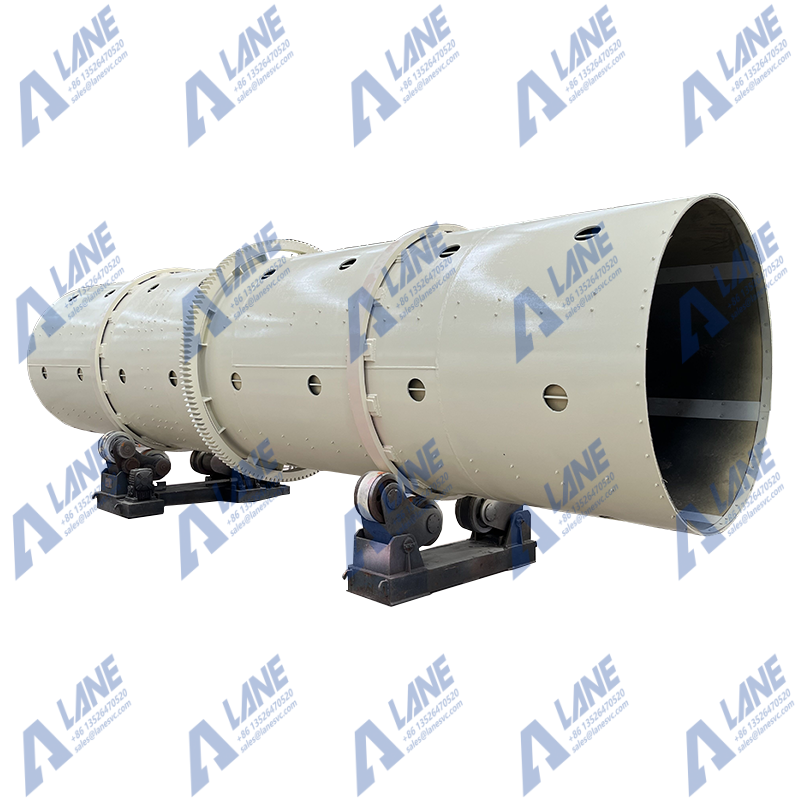
Rotary Drum Granulator
A Rotary drum granulator for SSP must be specified around the actual SSP feed, which differs from many NPK formulations. Cured SSP may retain free acidity and can vary in moisture and physical condition. A lining and process arrangement suitable for a neutral compound fertilizer should not automatically be assumed suitable for SSP. Buyers should ask the supplier to confirm material compatibility and test the actual feed.
How Does a Rotary Drum Granulator Work in an SSP Line?
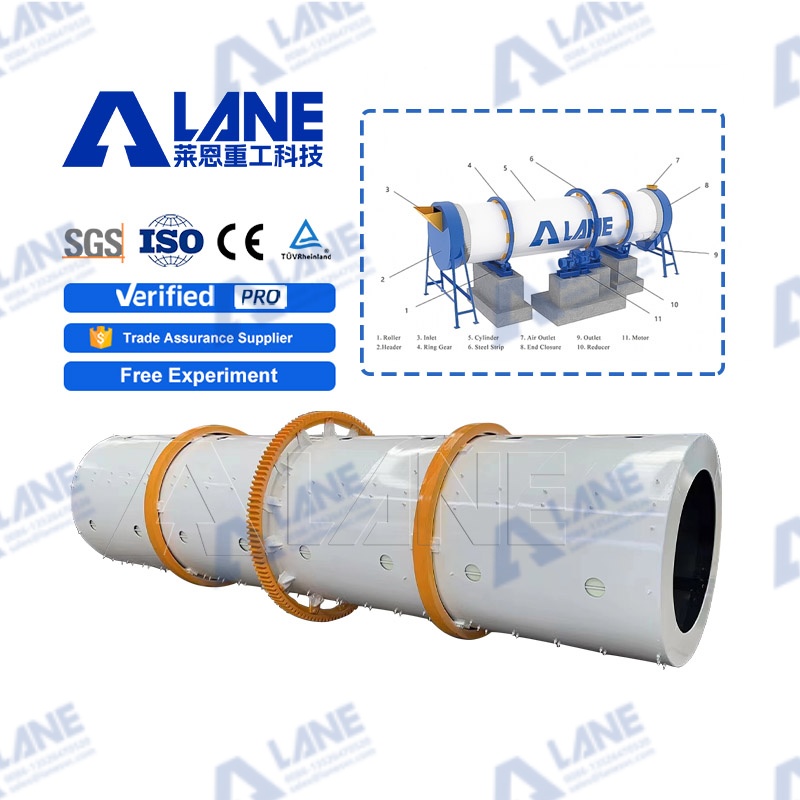
A Rotary drum granulator for SSP uses a slightly inclined rotating drum to tumble conditioned SSP powder. Water, steam or a controlled liquid addition helps fine particles adhere to one another. Repeated rolling and layering build granules, which move toward the discharge end as the drum rotates.
For a Rotary drum granulator for SSP, the process is agglomeration, not high-pressure compaction. The granules grow through particle-to-particle contact and liquid bridges. If the feed is too dry, nuclei may not form consistently and dust or fines can rise. If it is too wet, material can smear, stick to the drum wall or form oversized lumps. Poorly controlled feed distribution can create the same problems even when the drum itself is correctly sized.
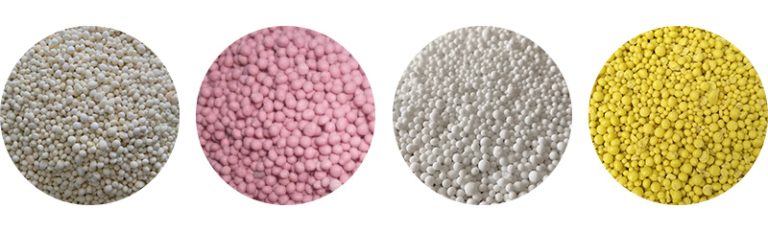
The operating window for a Rotary drum granulator for SSP must therefore be established with the actual cured SSP. Drum speed, inclination, liquid rate and residence time interact; changing one setting can affect both granule growth and the load on the dryer and screen.
In a typical line, cured material is conditioned and fed to the granulator. Wet granules then move to a rotary dryer, cooler and screen. On-size product goes to coating or packing, while fines and crushed oversize are returned according to the process design. A Rotary drum granulator for SSP should never be evaluated separately from this recycle loop.
What Should Buyers Check Before Choosing a Rotary Drum Granulator for SSP?
When specifying a Rotary drum granulator for SSP, start with the condition of the feed, not the motor rating. Ask the production team to provide representative samples from normal operation and record moisture, temperature, particle-size distribution and free-acid condition. A machine trial using a substitute material cannot confirm the performance of a Rotary drum granulator for SSP.
The following points deserve particular attention when specifying a Rotary drum granulator for SSP:
- Feed consistency: large variations in moisture or lump size make granulation harder to control.
- Liquid and steam addition: confirm how water or steam is metered, distributed and adjusted during operation.
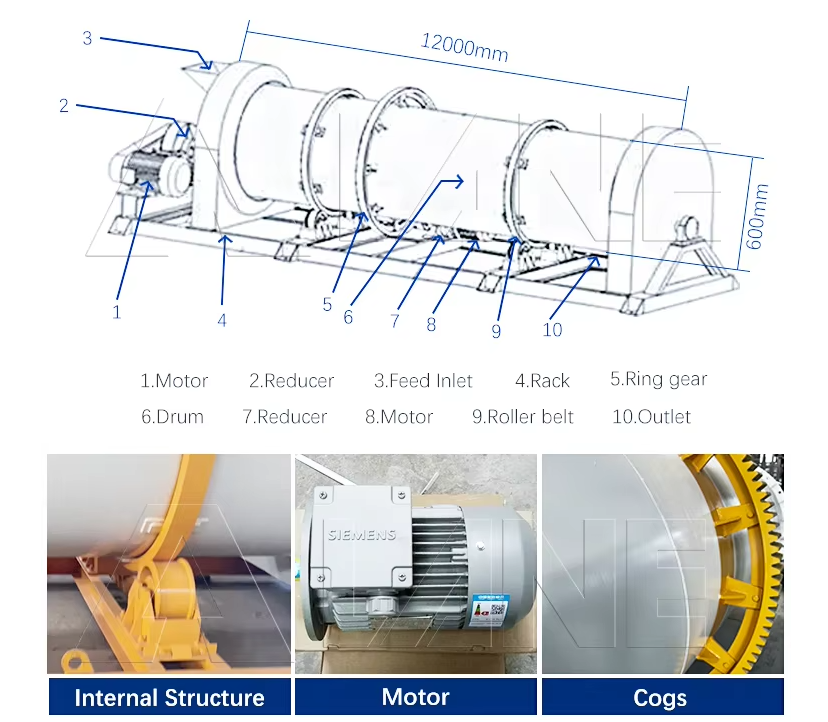
- Drum geometry: diameter, effective length, inclination and rotational speed influence residence time and bed movement.
- Internal lining: request the exact lining material, thickness, fastening method and replacement procedure.
- Discharge arrangement: check whether the outlet can feed the dryer without spillage or a transfer bottleneck.
- Recycle design: confirm how fines and crushed oversize return, and whether the quoted capacity refers to fresh feed or total circulating load.
For a Rotary drum granulator for SSP, lining selection deserves more attention than a generic wear-resistance claim. The Rotary drum granulator for SSP product page describes a drum body with a special rubber lining or acid-resistant stainless-steel lining. Buyers should obtain the actual material grade and confirm its compatibility with the acidity, moisture and temperature of their own feed. “Acid-resistant” by itself is not a complete material specification.
Planning a fertilizer project? Contact LANE engineering team to get a free 3D plant layout drawing, motor power calculation, and factory-direct quote within 4 hours. Request 3D Layout & Budget Estimate →
What Capacity and Granule Size Can You Expect?
LANE’s published SSP production-line page lists the granulator as a rotary drum or disc type, with a line capacity of 5–50 TPH, an adjustable granule size of 2–5 mm and a stated pelletization rate of at least 90%. These are published line-level figures. They should not be read as a guaranteed output for every rotary drum model or every SSP feed condition.
The separate rotary drum granulator product page on the SSP site describes a pelletizing rate above 70%. For a Rotary drum granulator for SSP, the two figures are not presented with the same test conditions or definition. Before using either number in a purchase specification, ask LANE to clarify whether the rate means wet granulation yield, the percentage within the target size after screening, or another measurement. Also ask whether recycle material is included in the calculation.
The general rotary drum granulator page on LANE’s main website lists LAZR models with capacities from 2–5 TPH up to 15–20 TPH. Those model figures are useful as a preliminary equipment reference, but the page describes general compound-fertilizer service. They are not a project-specific SSP capacity guarantee.
| Published reference | Stated capacity | Granule size / rate | How buyers should use it |
|---|---|---|---|
| SSP production-line page | 5–50 TPH line capacity | 2–5 mm; pelletization rate ≥90% | Confirm the selected drum model and test basis |
| SSP rotary drum product page | Not specified | Pelletizing rate >70% | Ask for the test definition and operating conditions |
| General LAZR drum models | 2–5 to 15–20 TPH by model | Not specified in the model table | Preliminary reference only; verify SSP suitability |
For a Rotary drum granulator for SSP, the difference between line capacity and machine capacity matters. A line rated at 5–50 TPH does not mean every drum in the range can process 50 TPH. The mixer, feeder, dryer, cooler, screen, conveyors and recycle system must all support the same design basis. Require the supplier to state fresh feed, recycle flow and final on-size product separately.
Which Supporting Equipment Determines Granulation Performance?
A Rotary drum granulator for SSP cannot compensate for unstable upstream material. The mixer or conditioner must deliver a reasonably uniform feed, and the feeder must distribute it evenly across the drum inlet. This is a basic operating requirement for a Rotary drum granulator for SSP, not an optional refinement. If one side receives wetter material than the other, the bed can build unevenly and create local deposits.
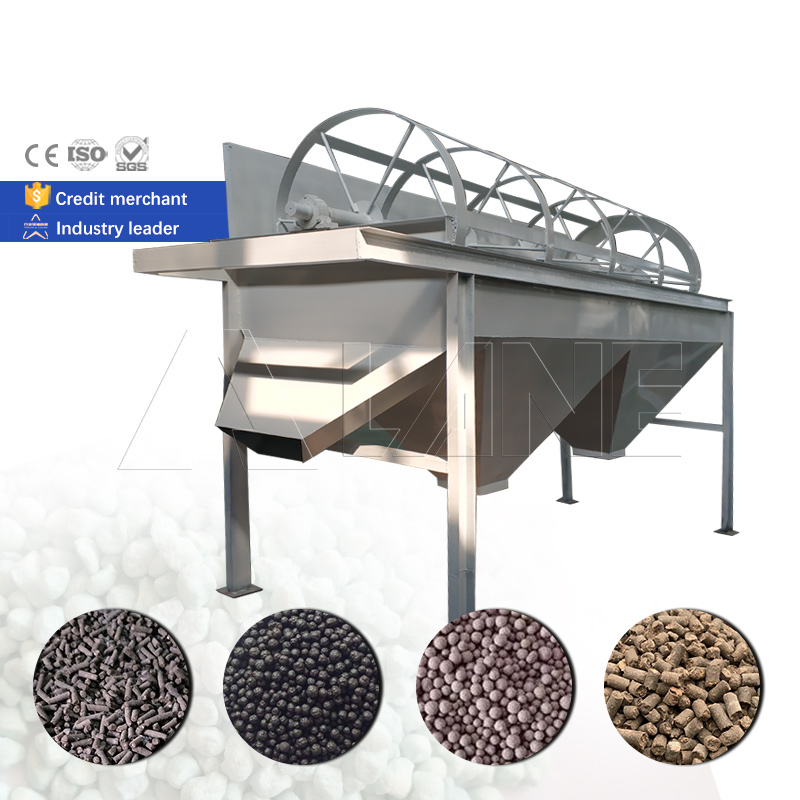
For a Rotary drum granulator for SSP, downstream equipment is just as important. Wet granules need enough drying capacity to reach the agreed finished moisture without damaging the product. The cooler must bring the product temperature down before screening and storage. A vibrating screen separates saleable granules from fines and oversize, while a suitable crusher reduces oversize for return.
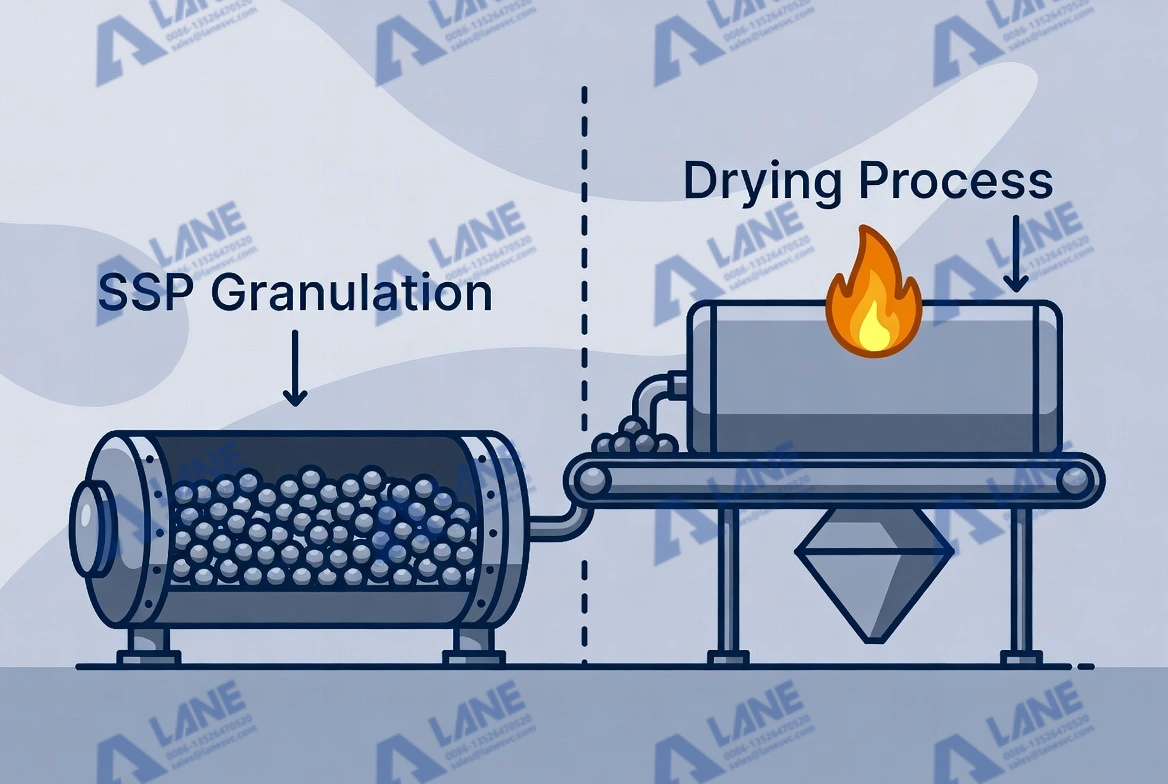
For the complete SSP line, review the SSP fertilizer production line and its listed dryer, cooler, screener and packaging equipment. The SSP granulation process also explains how granulation fits into the wider process. If the screen or dryer is undersized, the granulator may be forced to slow down even when it has spare mechanical capacity.
Rotary Drum or Disc Granulator: Which Is More Suitable for SSP?
A rotary drum is generally worth evaluating for continuous, medium- to large-scale SSP production where the plant can accommodate the associated dryer, cooler, screen and recycle conveyors. Its continuous tumbling action supports steady operation when feed condition and liquid addition are controlled.
A disc granulator may suit smaller plants or operations that value direct visual adjustment of the bed and frequent changes in operating settings. However, its capacity and operator requirements must be checked against the production target. Neither machine should be selected based on a generic claim that it has a higher granulation rate.
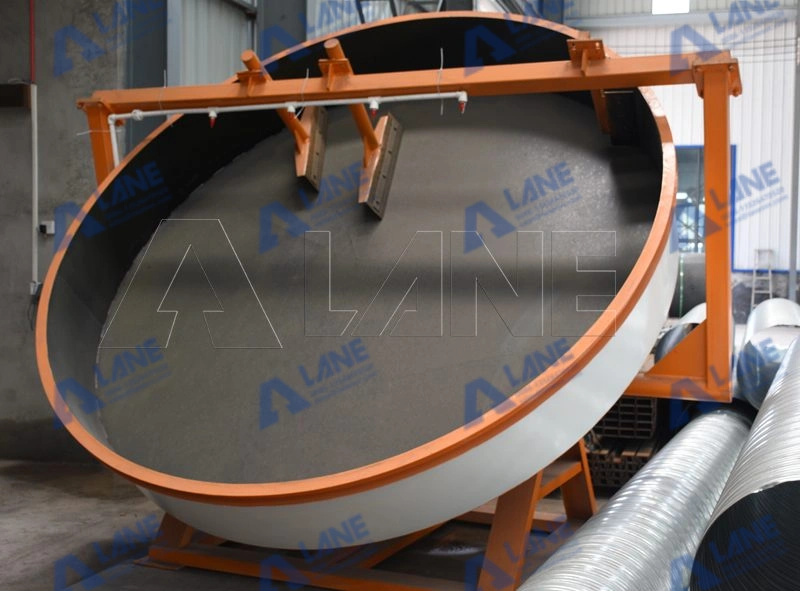
LANE’s SSP line information lists both rotary drum and disc options. The correct choice depends on the required saleable output, available floor space, feed behavior, energy cost and the level of process control available at the plant. A Rotary drum granulator for SSP is not automatically the better choice if the downstream drying system or recycle handling cannot support it.
How Should You Inspect, Maintain and Accept the Machine?
Before shipment of a Rotary drum granulator for SSP, inspect the drum shell, welds, lining, support rollers, riding rings, drive gear, reducer, motor base and discharge arrangement. Confirm that the foundation drawing, anchor-bolt layout, lifting points and maintenance clearances match the site.
The maintenance team operating a Rotary drum granulator for SSP should monitor:
- Abnormal vibration, noise and temperature at bearings and reducer.
- Gear and pinion contact, lubrication condition and backlash.
- Support roller alignment and riding-ring movement.
- Lining wear, loose fasteners and material build-up.
- Feed distribution, liquid dosing and discharge stability.
The SSP product page describes an automatic build-up removal arrangement and a rubber or acid-resistant stainless-steel lining. Ask the supplier to show how the anti-build-up feature works, how the lining is replaced and which parts are treated as normal wear items. Do not accept “maintenance-free” as a technical answer.
For machine guarding, access and risk assessment, refer to ISO 12100:2010, which sets out general principles for machinery safety. It does not certify granulation performance; the buyer still needs a separate process acceptance test.
A meaningful acceptance test for a Rotary drum granulator for SSP should use the customer’s cured SSP feed. Record the feed condition, fresh-feed rate, recycle rate, liquid addition, operating duration, granule-size distribution, percentage of on-size product, moisture after drying and product temperature after cooling. Define the test method and sampling points before signing the order. A short no-load run proves that the Rotary drum granulator for SSP rotates; it does not prove that the plant will make saleable SSP granules.
FAQ: What Do SSP Granulator Buyers Need to Know?
Can a rotary drum granulator process all types of cured SSP?
No. Feed moisture, particle size, temperature and free-acid condition affect agglomeration. The supplier should test representative cured SSP and confirm the required liquid addition, granule-size distribution and recycle arrangement.
What granule size can the machine produce?
LANE’s SSP production-line page lists an adjustable granule size of 2–5 mm. The actual size distribution depends on feed properties, operating settings, screening and recycle. Specify the target range and the permitted percentage outside it in the contract.
Does the granulator need a dryer and cooler?
Yes, for the wet-granulation route described here. The dryer removes process moisture, while the cooler reduces product temperature before screening and bagging. Their capacities must be matched to the granulator’s real operating load.
How often should the drum and drive system be maintained?
There is no reliable universal interval for every SSP plant. Operators should inspect bearings, reducer oil, gear mesh, support rollers and lining condition according to the supplier’s manual and actual operating hours. Ask for a lubrication chart and a recommended spare-parts list before commissioning.
What should the supplier guarantee before shipment?
The supplier should define the tested feed, fresh-feed capacity, on-size product rate, granule-size range, moisture target, recycle conditions and test duration. Also confirm lining material, motor and reducer details, installation scope, commissioning support, packing dimensions and shipping terms in the quotation.
Final Buying Checklist: What Should Be Written into the Order?
Before ordering a Rotary drum granulator for SSP, make sure the technical agreement covers three areas.
First, define the feed. Record the cured SSP moisture, temperature, particle-size distribution and free-acid condition used for equipment selection.
Second, define saleable output. State the fresh-feed rate, target granule-size range, on-size percentage, final moisture and recycle conditions. Do not rely on a single pelletizing-rate figure without its test definition.
Third, define the complete supply scope. Confirm the drum, drive, lining, feeder, liquid dosing, dryer, cooler, screen, recycle conveyors, electrical controls, installation and commissioning responsibilities.
LANE supplies the Rotary drum granulator for SSP and complete SSP production-line solutions. For a project-specific configuration, contact the engineering team with your target capacity, feed analysis, product-size requirement and site layout.
For more details, please feel free to contact us.
Henan Lane Heavy Industry Machinery Technology Co., Ltd.
Email: sales@lanesvc.com
Contact number: +86 13526470520
Whatsapp: +86 13526470520