Granular SSP Technology: Process, Plant Cost, and Equipment Selection Guide
- 2026-09-18
Single superphosphate has been produced the same way for a century. Ground phosphate rock reacts with sulfuric acid, and the cured product leaves the plant. Granular SSP technology changes the second half of that sentence: the plant shapes, dries, cools, and sizes the material into free-flowing granules instead of shipping powder.
That choice decides which buyers can use your product and what it costs to make. Here is what the process involves, what drives the investment, and what to ask a supplier before you commit capital.
What Granular SSP Technology Is, and What It Is Not
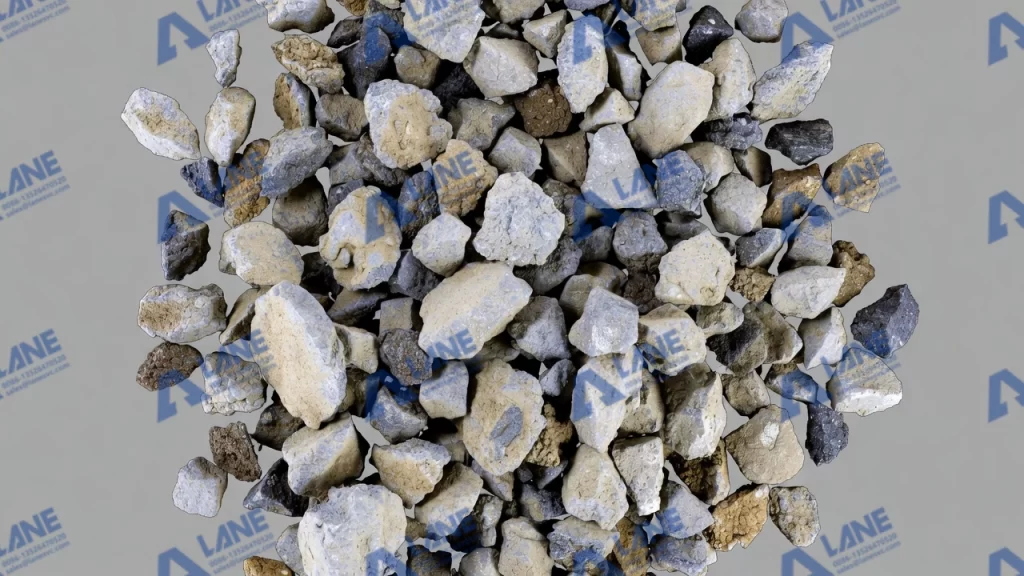
The chemistry is old and dependable. Phosphate rock, mainly fluorapatite, reacts with sulfuric acid to form water-soluble monocalcium phosphate and calcium sulfate. The gypsum stays inside the finished granule rather than being separated and stacked as waste, so single superphosphate delivers phosphorus, sulfur, and calcium in one particle.
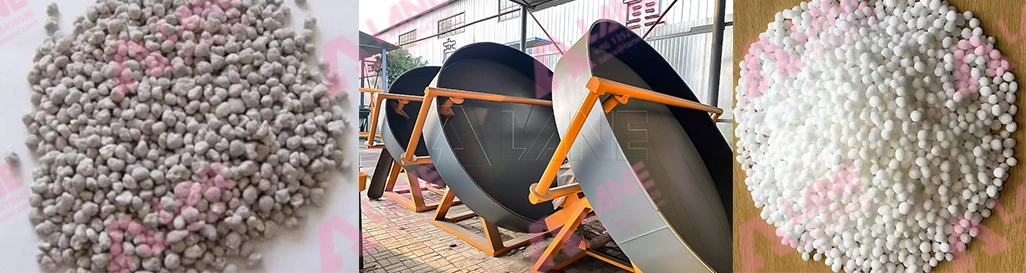
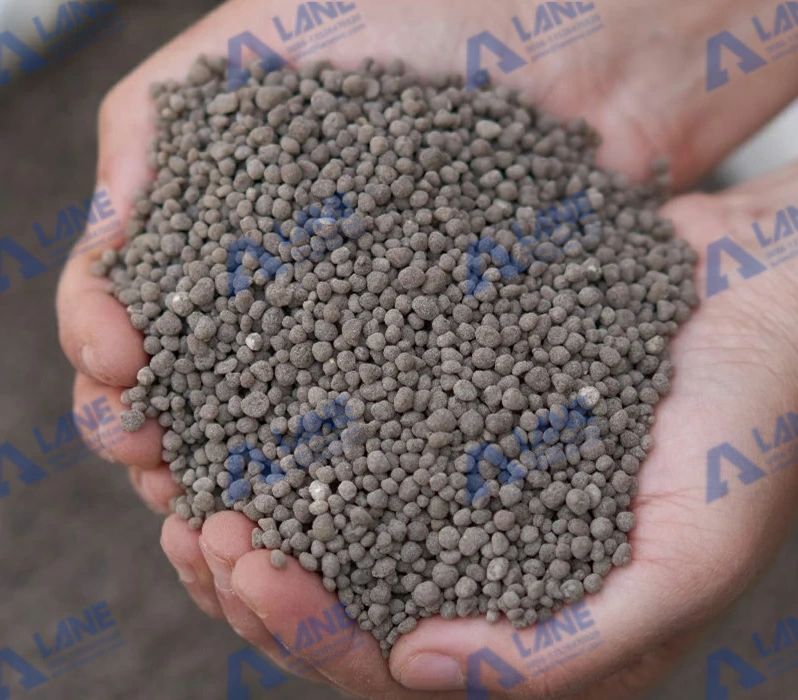
Granular SSP technology is the mechanical half of the plant: granulation in a drum or pan, drying, cooling, screening, and recycle of off-spec material. A typical granulated single superphosphate product lands between 2 and 4 mm with 14–18% total P2O5, mostly water-soluble, plus 11–12% sulfur as sulfate and 19–22% calcium.
This is not a DAP substitute. It competes on sulfur and calcium content, on blending behavior, and on the fact that making it needs no phosphoric acid plant and leaves no phosphogypsum stack to permit.
Why Granulated Single Superphosphate Is Gaining Ground
Blending explains most of the growth. Bulk blenders build NPK prescriptions from granular urea, DAP, MOP, and filler, and components have to match on granule size and bulk density or the blend segregates on the way to the field. Powder SSP segregates easily, which is why so little of it enters that channel.
Dust control and retail economics push the same way. Granules earn a premium in bagged channels, spread without drift loss, and store better when moisture and fines are controlled.
The Granular SSP Production Process, Step by Step
In practice, a granular SSP technology line runs through six stages, and each one constrains the next.
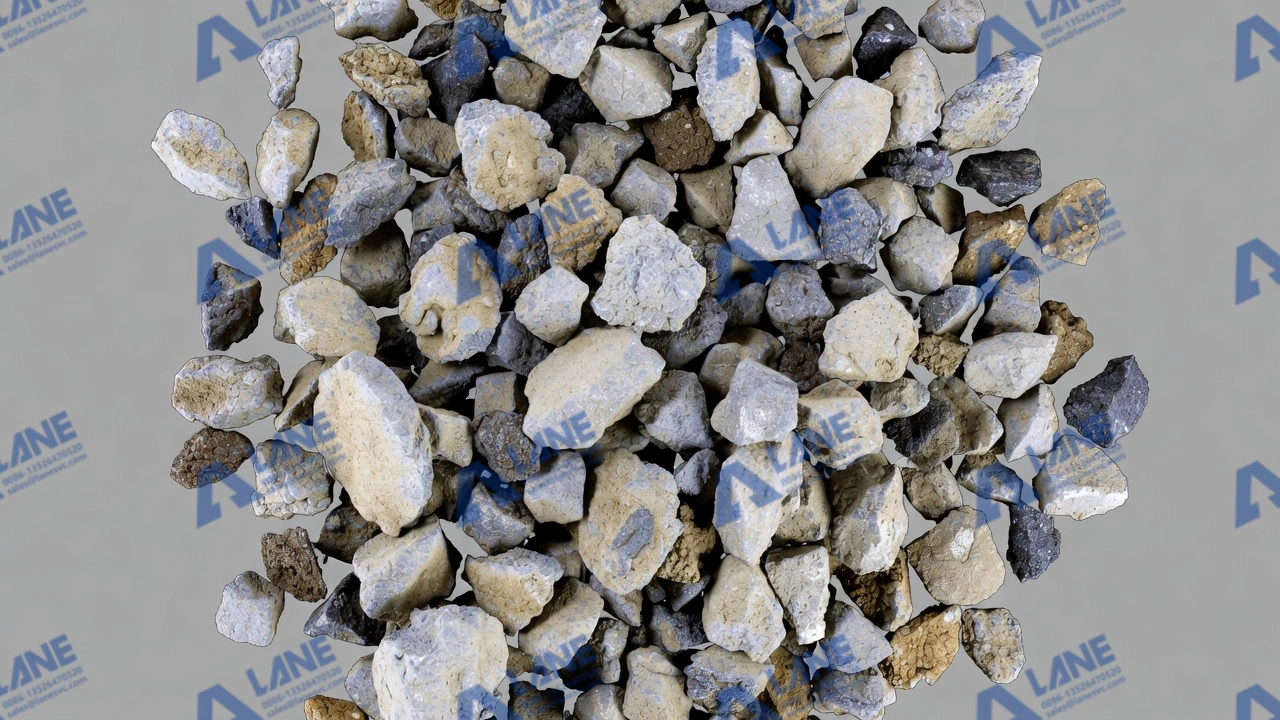
Phosphate rock preparation and acid handling
Hammer, ball, or roller mills reduce rock to the fineness the reaction needs, commonly 80% passing a specified mesh, while the acid section dilutes sulfuric acid to the strength the mixer requires.
Acidulation and den curing
Ground rock and diluted acid meet in a continuous mixer. The reaction is fast and strongly exothermic, driving off water as steam. The mixture leaves as a semi-plastic mass and cures for days to weeks. Shorten that cure and the plant pays later in high free acid, caking bags, and fragile granules.
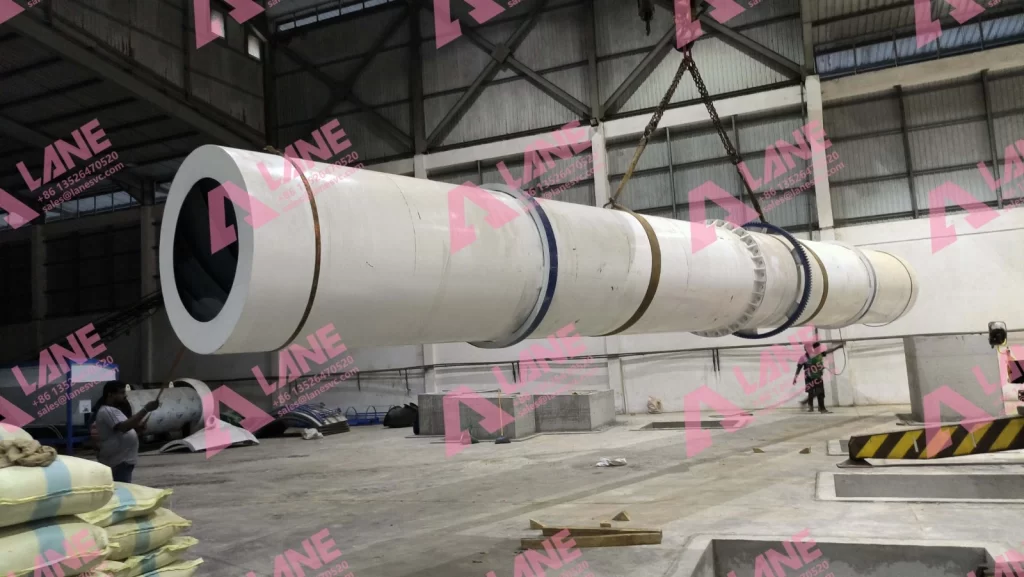
Cured material feeds a rotary drum granulator, or a pan granulator at smaller capacities. Water and, in some recipes, a binder bring the feed into the moisture band where particles bind under tumbling action.
Granules pass through a rotary dryer where hot gas removes remaining moisture. Above roughly 90–100 °C, monocalcium phosphate loses water of crystallization and water-soluble P2O5 reverts toward citrate-soluble forms, which a customer’s certificate of analysis will show immediately. A rotary cooler brings product near ambient before screening.
Screening, recycle, and bagging
Screen decks split the stream into product, oversize, and fines. Oversize is crushed and returned to the granulator, and fines recycle directly. Recycle ratios of two to five parts returned material per part of product are normal, and that circulating load holds the size distribution steady.
Off-gas scrubbing and dust collection
Acidulation releases fluorine compounds and dust. Cyclones, wet scrubbers, ductwork, and fans capture those streams, and scrubbing liquor is neutralized before discharge. Emission limits for phosphate fertilizer production, including the U.S. EPA rules covering the industry, are a licensing condition in most producing countries.
Granular SSP Technology Equipment: What a Full Line Includes
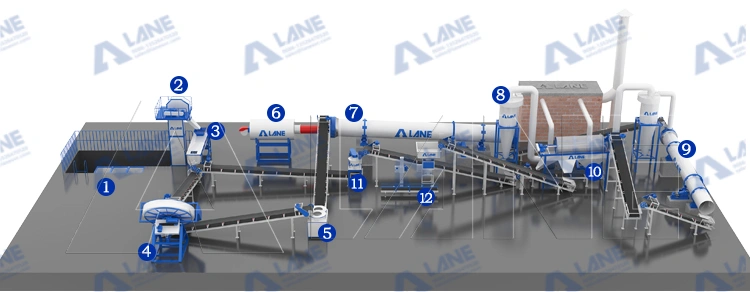
| Section | Core equipment | Function |
|---|---|---|
| Rock preparation | Hammer or ball mill, feeder, belt weigher | Size reduction, metering |
| Acid section | Storage tanks, dosing pumps, dilution, flow meter | Acid strength and rate |
| Reaction | Continuous mixer, den or curing conveyor | Acidulation, initial cure |
| Granulation | Rotary drum granulator, water dosing, binder feed | Agglomeration |
| Drying and cooling | Rotary dryer, burner, cyclone, rotary cooler | Moisture and temperature control |
| Sizing | Vibrating screens, oversize crusher, recycle conveyors | Granule size control |
| Finishing | Coating drum, weigher, bagging machine | Sale-ready packing |
| Environmental | Cyclones, wet scrubber, bag filters, fan | Emission and dust control |
| Automation | PLC or DCS, interlocks, load cells | Rate control and records |
Working Principle: What Actually Controls Granule Formation
Granulation is agglomeration, not compaction. Moisture forms liquid bridges between particles, and as the bed tumbles those bridges pull fines together until shear inside the drum breaks the granule down again. When growth and breakage balance, the size distribution stops drifting. Four variables dominate granular SSP technology at this stage: feed moisture, feed rate, drum speed, and recycle ratio.
Residual free acid in cured SSP acts as a natural binder. It helps granulation and hurts everything else when it runs high, corroding equipment and signaling rushed curing. Plants that titrate free acid every shift see fewer quality complaints.
Technical Comparison: GSSP Against Powder SSP, TSP, and DAP
| Product | P2O5 | Sulfur | Calcium | Form | Best fit |
|---|---|---|---|---|---|
| Granular SSP (GSSP) | 14–18% | 11–12% sulfate | 19–22% | 2–4 mm | Direct use, blending |
| Powder SSP | 16–20% | 11–12% sulfate | 19–22% | Powder | Local direct use |
| TSP | 44–46% | Negligible | About 14% | Granular | High-analysis P |
| DAP | 46% (18-46-0) | Negligible | Trace | Granular | High-analysis P and N |
The table reads like a concentration contest, and granular SSP loses it. The production route is where it wins: TSP and DAP depend on phosphoric acid, whose manufacture generates phosphogypsum that must be stacked and permitted. Granulated single superphosphate keeps its calcium sulfate inside the product, and where gypsum disposal is difficult, that difference moves project economics more than nutrient analysis suggests.
Where Granulated Single Superphosphate Performs Best
SSP earns its place on sulfur-sensitive crops and sulfur-deficient soils. Oilseeds such as canola, mustard, and groundnut, along with pulses and forages, respond to sulfate sulfur that is available immediately rather than mineralized slowly. Sandy, low-organic-matter, and alkaline calcareous soils are natural fits, and SSP should not be sold as a liming material despite its calcium content.
Under the 4R Nutrient Stewardship framework of right source, right rate, right time, and right place, granulated single superphosphate is normally a basal phosphorus source applied at or before planting. Demand concentrates in South Asia, Southeast Asia, Latin America, and Sub-Saharan Africa.
What Drives SSP Fertilizer Plant Cost
Buyers usually open with one number, the equipment quotation, and finish the project surprised. SSP fertilizer plant cost has four layers that a project model has to separate.
Raw materials set the floor. Sulfuric acid is typically the largest single variable cost, and its price tracks sulfur and energy markets, so quotations taken a year apart can describe very different businesses. Lower-grade rock raises acid consumption per tonne of P2O5 and increases internal recycle.
Capital is the layer buyers underestimate. Granular SSP technology adds a double-digit share to the capital cost of a powder plant, and capacity scaling is not linear: a second train rarely costs double, but it multiplies civil works, electrical distribution, and emission control. Drying also carries most of the operating load, since granulator feed can hold 15–20% moisture that must be evaporated, and fuel choice swings cost more than any maintenance item. Working capital is the quiet layer: curing inventory ties up weeks of production before anything can be granulated or sold.
Model SSP fertilizer plant cost per tonne of P2O5 delivered rather than per tonne of product, put the granular price premium on the revenue line, and ask for a mass and energy balance instead of an equipment list.
Maintenance and Operating Discipline That Protects Output
- Dryer control. Log burner settings, product temperature, and feed moisture every shift. Most water-soluble P2O5 losses trace back to a dryer running hotter than specification.
- Wear parts. Mixer blades, den scrapers, granulator liners, crusher hammers, screen decks, and dryer flights wear on a predictable cycle. Replace on hours, not symptoms.
- Corrosion and scrubber health. Acid pumps, seals, and ducting corrode from the inside. Check liquor pH, circulation rate, and nozzle condition on a schedule.
- Critical spares. Acid dosing pump parts, screen panels, crusher hammers, and bagging jaws belong on site, not on order.
- Records. Free acid, moisture, recycle ratio, and screen efficiency belong in one daily log.
How to Choose a Granular SSP Supplier
Because granular SSP technology is well understood, most project risk sits with the supplier rather than the chemistry.
- Test your rock. Ask for a lab acidulation and granulation trial, or a pilot run, on your own rock and acid. Data from another deposit tells you little.
- Define the guarantees. Capacity and quality guarantees should name rock grade, acid strength, feed moisture, and the granule size distribution they refer to.
- Visit reference plants. Same rock type, comparable capacity. Ask about uptime, spare parts, and service response when something failed.
- Compare scope, not price. Confirm who supplies burners, automation, gas cleaning, civil design, erection, commissioning, and training. Offers that omit recycle conveyors or the curing area return as change orders.
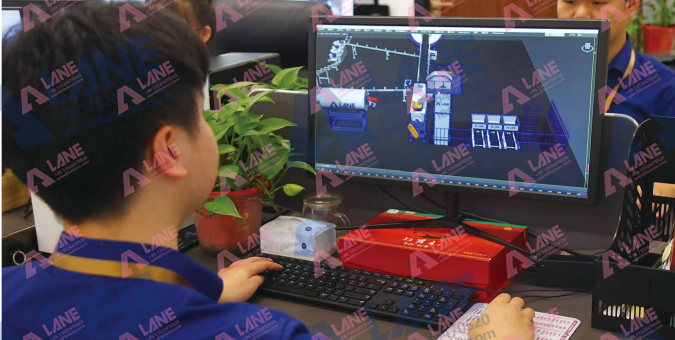
- Read the documentation. A mass and energy balance, P&ID, O&M manuals, and a spares list with lead times belong in the offer.
Project Snapshot: Scoping a 10 t/h Granular SSP Line
At 10 tonnes per hour of finished granular product, planning figures often land near 0.6 tonnes of phosphate rock and 0.35–0.4 tonnes of sulfuric acid per tonne of product. Recalculate against your own rock analysis before that becomes a budget. Curing capacity is the constraint buyers underestimate most: the plant needs room for weeks of production, not days.
A granulation circuit carries a circulating load several times its product rate, so conveyors, screens, and the dryer are sized for the recycle stream, not the nameplate number. Where an existing powder plant can be re-rated upstream, a retrofit that adds granulation, drying, cooling, screening, coating, and gas cleaning is usually faster and cheaper than a greenfield build, and it improves SSP fertilizer plant cost per tonne.
Frequently Asked Questions
What is granular SSP technology?
The set of process steps that converts cured single superphosphate powder into uniform granules: granulation, drying, cooling, screening, crushing of oversize, recycle of fines, and anti-caking coating before bagging.
Is GSSP the same as granular SSP?
Yes. GSSP stands for granulated single superphosphate. Grades are quoted on a 0-18-0 or 0-16-0 basis depending on rock grade and process control.
How does granular SSP differ from TSP or DAP?
It carries far less phosphorus but delivers sulfur as sulfate and calcium in the same granule. Granulated single superphosphate also avoids the phosphogypsum that phosphoric acid routes generate.
What P2O5 content should I expect?
Most commercial granular SSP runs 14–18% total P2O5 with a high water-soluble share, plus roughly 11–12% sulfur and 19–22% calcium.
What drives SSP fertilizer plant cost the most?
Sulfuric acid price and rock grade dominate variable cost, and any SSP fertilizer plant cost model should treat drying, gas cleaning, and recycle handling as first-order items.
Can an existing powder SSP plant be converted to granular production?
Usually yes, if there is room for the granulation circuit, dryer, cooler, screens, and coating drum, plus curing capacity upstream. Mixing and handling often need re-rating.
Why does water-soluble P2O5 drop during drying?
High product temperature causes monocalcium phosphate to lose water of crystallization and revert to less soluble forms. Keeping granule temperature below roughly 90–100 °C protects the water-soluble fraction.
What granule size do buyers specify?
Most ask for a 2–4 mm band with most material inside it, plus enough crush strength to survive bagging, stacking, and spreading. Agree on the test method in writing.
Where to Start
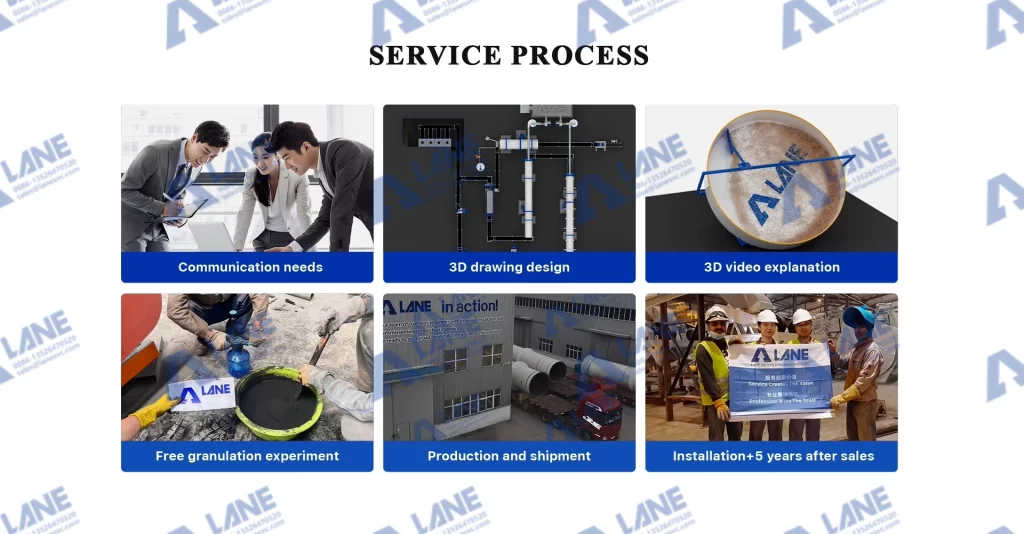
A granular single superphosphate project is decided by process design long before it reaches a quotation. Send your rock analysis, target capacity, and product specification, and LANE Machinery engineers will size the line, verify the mass balance, and show where the cost actually goes.