Granular SSP production technology: a buyer’s guide for fertilizer plant projects
- 2026-08-06
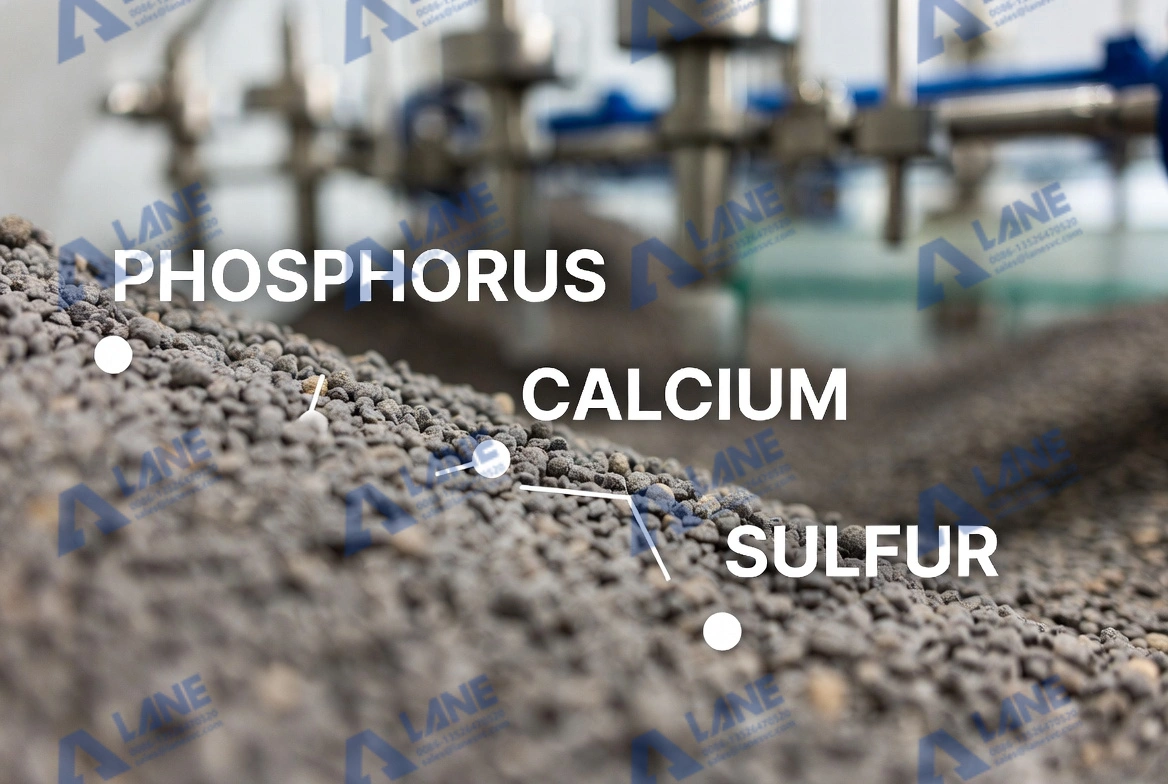
Granular SSP production technology has attracted more attention from fertilizer manufacturers in the last few years than it has in a long time. The reasons are mostly practical. Single superphosphate is a low-cost source of phosphorus and sulfur, the process does not demand the same capital intensity as DAP or phosphoric acid routes, and a granular product handles better in bulk blending, storage, and field application.
Choosing a technology, however, is not the same as choosing a machine. The real decisions sit upstream: what rock you will use, what market you will sell into, what capacity makes sense for year one, and how much of the budget should go into acidulation, granulation, drying, dust control, and automation. This guide walks through those decisions from the buyer’s side, with references to published technical material and real project signals where they help.
For a single superphosphate granulation plant, the decision sequence should start with rock analysis and a sales plan, not with a machine quote.
Why granular SSP is back in the investment conversation
Granular SSP has never disappeared from the fertilizer market. It has simply been easier to ignore in regions where ammonium phosphate plants were built on a larger scale. In many emerging markets, that balance is shifting. SSP still delivers phosphorus in a form that works on acidic and phosphorus-deficient soils, and it brings sulfur with it, which matters in farming systems that stopped getting sulfur from the atmosphere decades ago.
Major producers still treat granular SSP as a commercial product. ICL markets a granular SSP product under the GSSP name and describes it as a source of phosphorus and soluble sulfur, which makes it a practical choice for sulfur-deficient soils. The product is not a niche; it is a standard route in the phosphate portfolio.
Large engineering contracts also show that the technology is being taken seriously at industrial scale. Casale was awarded a Process Design Package contract for a granular SSP facility in Turkmenistan with 350,000 tons per year of capacity. That scale is a useful signal for plant buyers: granular SSP production technology is proven enough for major EPC projects, and it is not limited to small pilot plants.
For an investor, the practical question is not whether granular SSP production technology works. It does. The question is which process route fits the rock, the site, the energy cost, and the target market. Those four variables decide whether the project makes money.
What granular SSP production technology includes
Granular SSP production technology is really two processes in one plant. The first is chemical: phosphate rock reacts with sulfuric acid to form single superphosphate. The second is physical: cured SSP powder is conditioned, granulated, dried, screened, and recycled into a uniform granular product.
In a single superphosphate granulation plant, the two halves have different risks. The acidulation side is about reaction control, corrosion resistance, and gas handling. The granulation side is about moisture, particle size, drying capacity, and recycle ratios. A supplier that only sells a granulator is not supplying granular SSP production technology; the process design around the granulator is what determines whether the line runs.
The same distinction shows up in product quality. Powder SSP is dusty, compacts in storage, and is harder to blend with other granules. Granular SSP is easier to store, transport, and apply, and it has a more predictable place in bulk blending. That is why a granulation step is worth the added capital when the market expects a blended or premium product.
The core process: from phosphate rock to granule
Granular SSP production technology follows a well-documented process sequence.
Step 1: Phosphate rock crushing and grinding
Phosphate rock is crushed and milled to a fine, consistent powder. Grinding fineness affects the reaction rate and the conversion of phosphate into available P2O5. Rock quality and grind size should be confirmed before equipment is selected, because a line designed around one rock can struggle when the plant switches deposits.
Step 2: Sulfuric acid preparation and dosing
Concentrated sulfuric acid is stored, diluted, cooled, and metered into the process. The acid dosing system must be corrosion resistant, and the acid concentration and temperature have to stay in a controlled range for consistent conversion.
Step 3: Acidulation
Ground rock and sulfuric acid are mixed in a reactor or continuous mixer. The reaction produces monocalcium phosphate and gypsum and releases heat. Modern plants use continuous mixing and denning rather than batch mixing, as described in UNIDO technical material on single superphosphate production. The mixer, den, and all acid-contact piping need acid-resistant materials and proper ventilation.
Step 4: Curing
Reacted SSP is cured so the chemical reaction can finish. LANE’s published SSP project guidance describes a curing period of roughly two weeks to a month, depending on rock and process conditions. Inadequate curing leaves free acid in the product and weakens the physical quality of the granule later.
Step 5: Conditioning and crushing
Cured SSP is broken up, conditioned, and prepared for granulation. Oversize lumps are crushed, and the material is screened so the granulator receives a consistent feed.
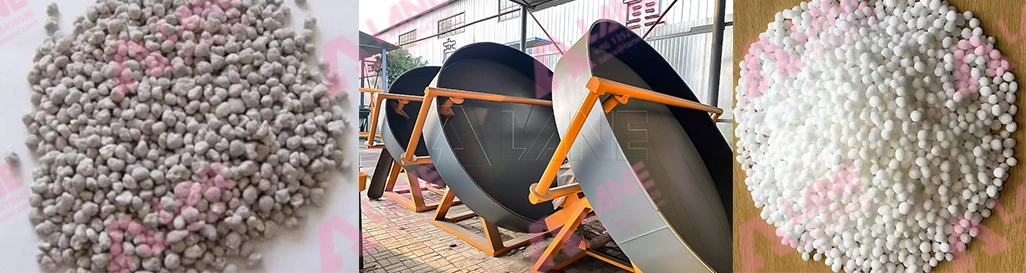
The conditioned SSP powder is fed to a granulator. The most common options are a rotary drum granulator, a pan granulator, and a dry extrusion system using a double roller press. Each route produces a different granule and a different operating cost profile.
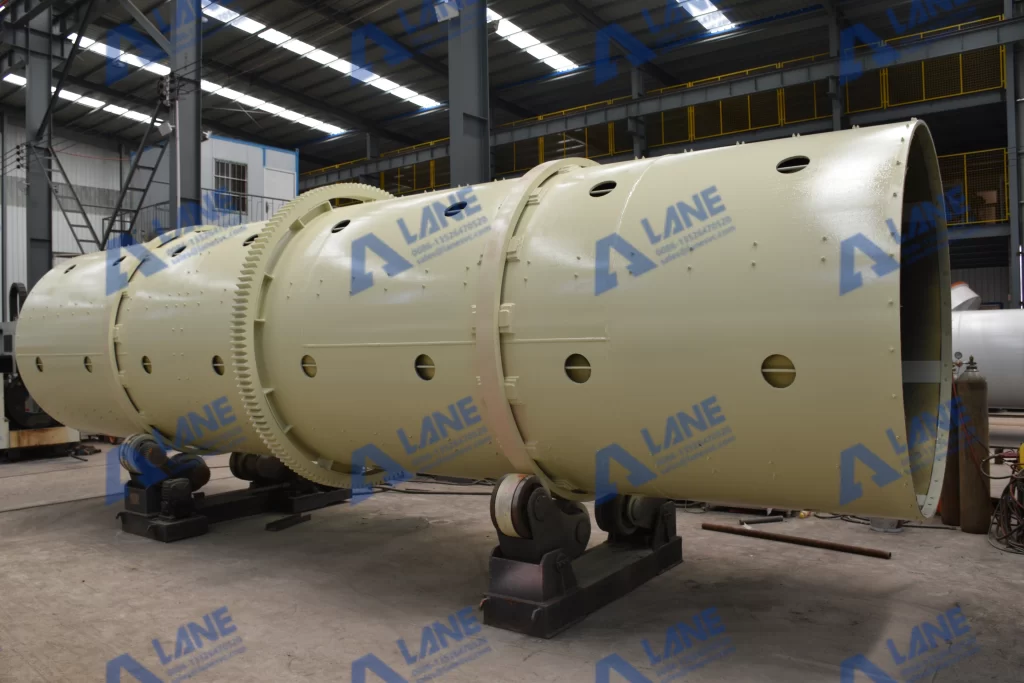
Wet granules from drum or pan granulation are dried to reduce moisture and then cooled before screening. Drying consumes a large share of the plant’s energy, which is why the granulation route has a direct effect on operating cost.
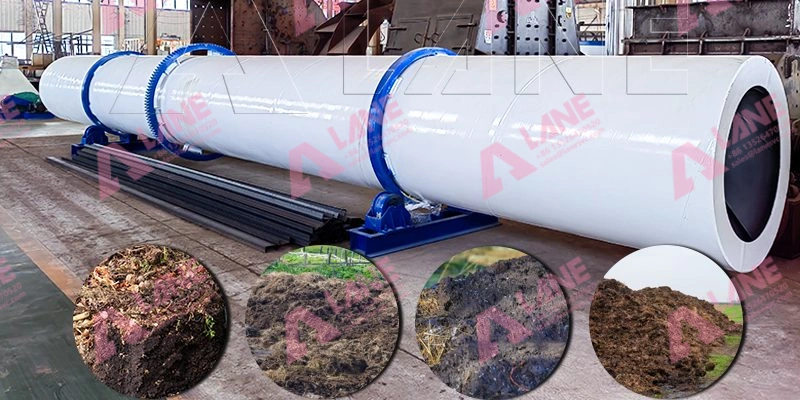
On-spec granules go to packaging. Oversize material is crushed, and fines are returned to the granulator. The recycle ratio affects granulator loading and must be designed into the line rather than discovered after commissioning.
Finished granular SSP is weighed and packed by an automatic packaging system. Dust collection and acid mist scrubbing operate throughout the line.
How the granulation step works
The granulation step is where granular SSP production technology differs most between suppliers. A single superphosphate granulation plant usually chooses between three main routes: rotary drum, pan, or dry extrusion.
A rotary drum granulator works by tumbling SSP powder with water and steam in a rotating drum. The liquid phase binds fine particles into granules, and the drum motion rounds them. A published study on SSP drum granulation reports that favorable granulation tends to occur when drum speed runs at roughly 36 to 39 percent of critical speed. For a plant engineer, that detail matters because it shows that granulator speed, hold-up, and liquid addition have to be tuned to the material, not copied from an NPK plant.
A pan granulator uses a rotating inclined disc and is often a better fit for smaller capacity or frequent grade changes. It is simpler to observe and adjust, but it usually needs more operator attention and has lower throughput than a drum.
A dry extrusion route using a double roller press compacts dry SSP powder between counter-rotating rollers, then crushes and screens the compacted sheet into dense granules. The main advantage is that this route can skip drying and cooling, which cuts energy use and plant footprint. The granules are less spherical than drum granules, and roller wear has to be managed with abrasive phosphate feed.
For buyers, the choice between drum, pan, and extrusion should be based on capacity, available energy, product specifications, and the cost of drying in the local market. There is no single best granulator for every project.
Equipment scope for a granular SSP production line
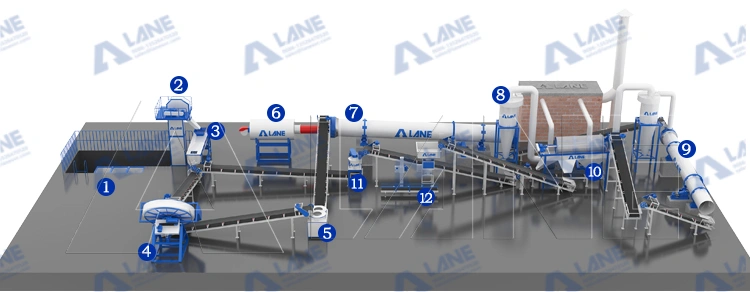
A complete granular SSP production line includes more than the granulator, and a single superphosphate granulation plant is only as strong as its weakest process stage. The equipment list typically covers:
- Phosphate rock crusher and ball mill or Raymond mill.
- Sulfuric acid storage, dilution, and dosing system.
- Acid mixer or reactor with acid-resistant lining.
- Curing system or curing area with controlled airflow.
- Lump breaker and conditioning equipment.
- Granulator, either rotary drum, pan, or double roller press.
- Dryer and cooler for wet granulation routes.
- Screening machine with fines and oversize recycle.
- Dust collection and acid mist scrubbing system.
- Automatic packaging machine.
- PLC-based process control and monitoring.
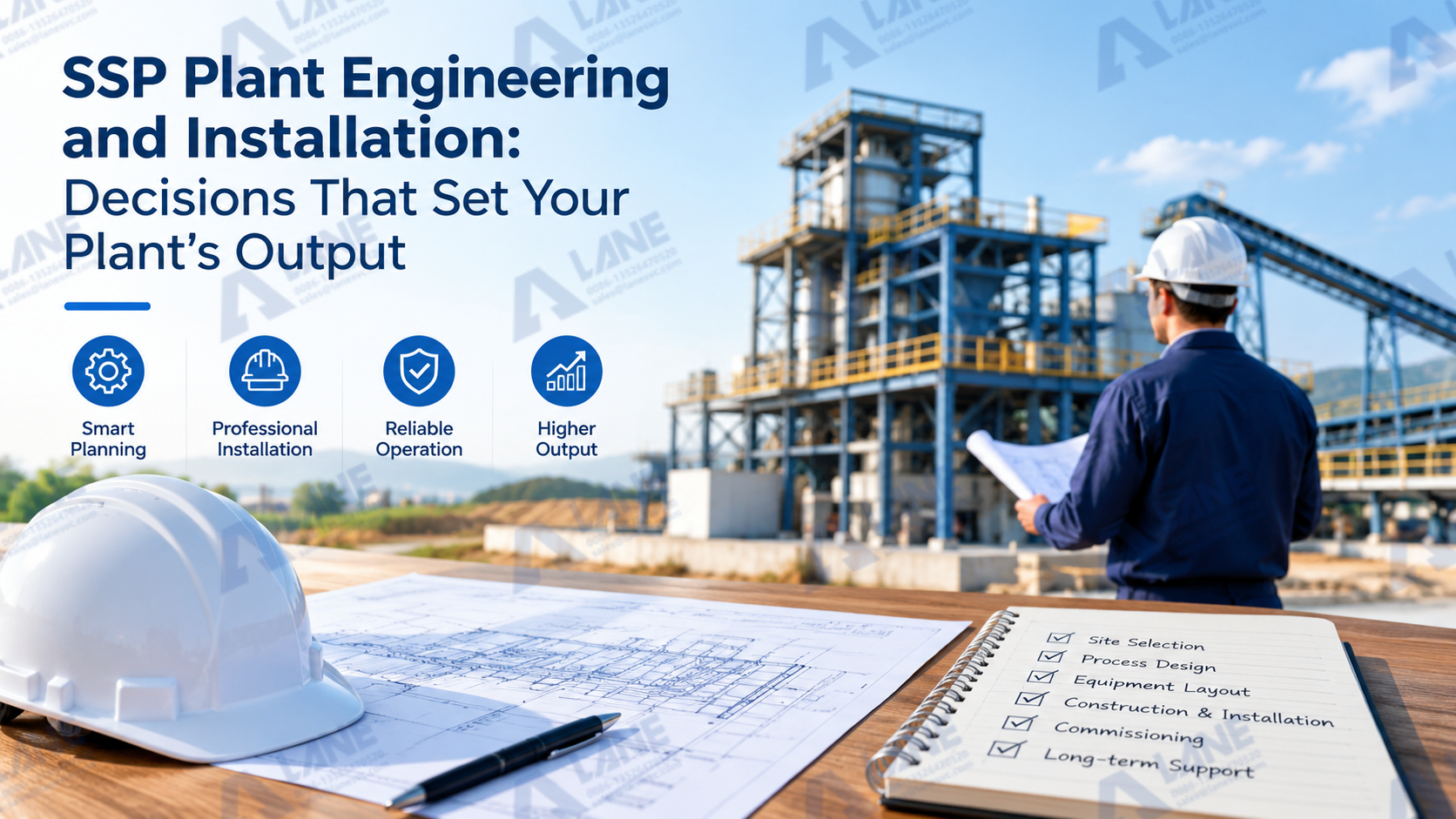
Material selection deserves as much attention as machine selection. Acid service requires 316L stainless steel, rubber lining, or other corrosion-resistant materials. Granulation, drying, and packaging equipment should use stainless contact surfaces where the material is corrosive. The plant also needs enough space for acid storage, curing area, product storage, and future expansion, and those requirements should be planned before civil works begin.
Investment and operating cost decisions
There is no universal price for a granular SSP production line, because capacity, rock quality, automation, civil works, and local compliance all move the number. Buyers should treat any figure received before a formal engineering study as a planning benchmark, not a binding quote.
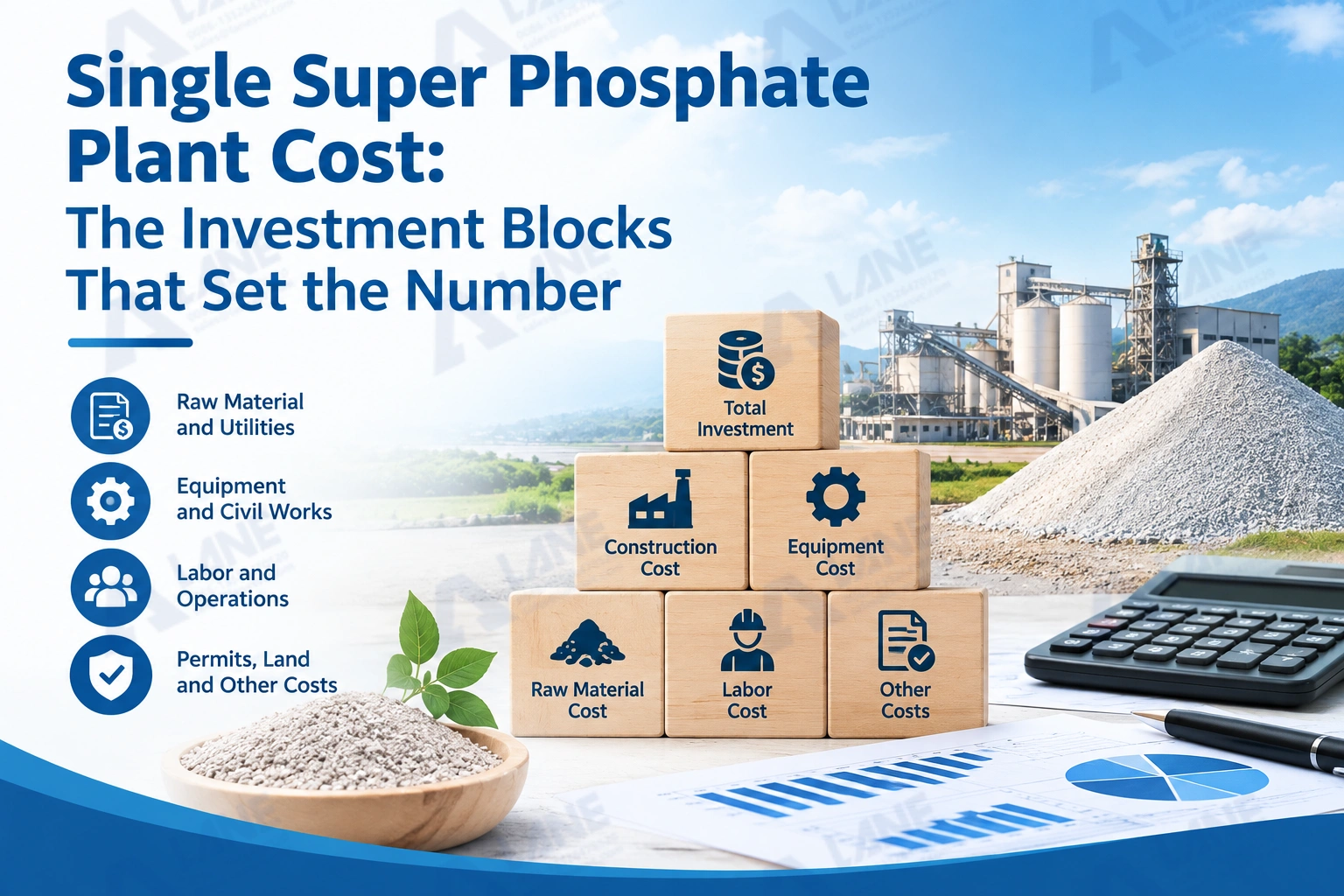
LANE’s published project guidance for phosphate fertilizer plants gives a practical planning frame. A small SSP/TSP facility in the 10,000 to 30,000 tons per year range is estimated at roughly $0.8 million to $3.5 million total investment. Mid-range plants of 50,000 to 80,000 tons per year fall around $4 million to $9 million. Large industrial plants sit above $15 million. Equipment typically accounts for 40 to 60 percent of total project cost, and regional construction costs shift the picture substantially.
Operating cost follows a simpler pattern. Phosphate rock and sulfuric acid are usually the largest recurring costs. Energy is next, especially when drying and cooling are part of the process. Maintenance, labor, packaging, and logistics come after that. The two decisions with the biggest financial impact are raw material selection and plant utilization. A line designed around one phosphate rock will struggle if you switch deposits. A plant running at 60 percent utilization will not recover its capital on schedule.
LANE’s project guidance suggests that mid-scale phosphate plants in high-demand markets often recover investment within four to seven years under normal operating conditions, with roughly 70 percent utilization in year one and improvement afterward. Payback varies by market, and buyers should pressure-test both the capital number and the operating number before comparing suppliers.
Maintenance and operations that protect output
The most expensive failure in an SSP plant is unplanned downtime during peak season. Preventive maintenance is what keeps a granular SSP production line at rated output. In granular SSP production technology, the acid side and the granulation side need different maintenance routines.
On the acid side, inspect acid pipelines, reactor linings, mixer seals, and curing system airflow on a schedule. Check that scrubbers and dust collectors are working, because acid mist and fluoride gas handling is a compliance issue as much as a maintenance issue.
On the granulation side, clean spray nozzles, dosing lines, and drum internals. Monitor granule moisture and size distribution, because small changes in feed moisture can change the recycle ratio and pull the whole line off target.
Shared systems need the same discipline. Screens, dryers, coolers, conveyors, and packaging machines should follow manufacturer maintenance intervals, and spare parts should be stocked for high-wear items. Operators need to understand why temperature, moisture, and acid ratio matter. A trained operator catches quality drift early.
Data helps too. Track energy per ton, conversion efficiency, granulation pass rate, moisture, and downtime. Remote diagnostics can shorten response time when the plant is far from the supplier’s engineering team.
How to evaluate granular SSP production technology suppliers
For a single superphosphate granulation plant, equipment price is the least reliable way to compare suppliers. A granular SSP production line is only as good as its process design, fabrication quality, commissioning support, and after-sales response.
The evaluation checklist should start with process fit:
- Does the supplier design the process around your phosphate rock, or only sell a standard equipment list?
- Can they show comparable-scale references and put you in contact with those clients?
- What is included in commissioning, operator training, and trial production?
- What is the spare parts policy and delivery time to your site?
- Are ISO 9001 and CE certification actually in scope, with documentation?
- Is the equipment sized for recycle loads and future expansion?
- Does the proposal separate equipment, civil works, installation, freight, and commissioning?
Red flags include vague process guarantees, refusal to share a P&ID or layout, no in-house engineering, and pricing that ignores local site conditions. A supplier should be able to explain how the process will behave with your rock, your water, and your energy costs.
Market signals and project examples
The market for granular SSP is active enough to produce recent large-scale project signals. Casale’s granular SSP contract in Turkmenistan is one example, and the scale of that project shows that the technology can be designed for industrial throughput rather than only small plants.
LANE Machinery has published technical and project guidance for SSP plants, including the process steps, equipment selection, and investment benchmarks used in this article. LANE also states that it has supplied equipment for a 10,000 tons per year national fertilizer project in Africa and offers SSP lines from 5 to 50 tons per hour. Those numbers are useful as reference points when a buyer is testing whether a supplier has actually built fertilizer plants, not just listed equipment.
For export projects, compliance is part of the market case. The European Union applies common safety, quality, and labeling requirements to fertilizing products under Regulation (EU) 2019/1009. Buyers planning to sell granular SSP into the EU should confirm the product compliance plan early, because contaminant limits and labeling affect the process design and quality control system.
Frequently asked questions
What is granular SSP production technology?
Granular SSP production technology is the combination of process design and equipment used to convert phosphate rock and sulfuric acid into granular single superphosphate. It includes rock grinding, acidulation, curing, granulation, drying, cooling, screening, recycle, and packaging.
What is the difference between powder SSP and granular SSP?
Powder SSP is the direct product of acidulation and curing, and it is dusty, compacts in storage, and is harder to blend. Granular SSP is conditioned and granulated into uniform particles that store, transport, and blend more predictably.
How is granular SSP made?
Phosphate rock is ground and reacted with sulfuric acid, then cured so the reaction finishes. The cured SSP is crushed, conditioned, granulated, dried, cooled, screened, and packaged. The granulation route can be a rotary drum, a pan granulator, or a dry double roller press.
Which granulator is best for a single superphosphate granulation plant?
The best granulator depends on capacity, energy cost, and product specification. Rotary drum granulation suits mid-to-large plants that can afford drying. Pan granulation suits smaller plants and frequent grade changes. Dry extrusion suits compact plants where energy for drying is expensive.
How long does SSP need to cure before granulation?
Curing typically takes roughly two weeks to a month, according to LANE’s published SSP project guidance. The exact time depends on rock quality, acid ratio, and process conditions. Short curing can leave free acid and weaken granule quality.
What equipment does a granular SSP production line include?
A complete granular SSP production line includes rock crushing and grinding, acid storage and dosing, acidulation, curing, conditioning, granulation, drying and cooling, screening with recycle, dust and acid mist control, packaging, and PLC automation.
What raw materials are needed for granular SSP?
The main raw materials are phosphate rock and sulfuric acid. Process water is also required, and the plant needs reliable power for grinding, drying, cooling, and conveying. Rock quality and acid supply should be confirmed before equipment selection.
Can a granular SSP production line also produce TSP?
Some plants are designed to switch between SSP and TSP production, but the acidulation and curing systems differ. If TSP capability is a future option, the process design and equipment sizing should account for it from the start. Forcing both products through a line designed for one can create quality problems in both.
How do I evaluate a granular SSP production technology supplier?
Ask for process design around your rock, comparable-scale references, commissioning and training scope, spare parts policy, P&ID and layout documentation, and certification. Compare total capital and operating cost, not equipment price alone.
What this means for your next plant decision
Granular SSP production technology is a mature route with a real commercial role in the phosphate market. The risk in a project is usually not the chemistry. It is the gap between a generic equipment quote and a process design that matches the actual rock, capacity, market, and site. Whether you plan a greenfield single superphosphate granulation plant or an expansion, the same decision sequence applies.
Start with the raw materials and the sales plan. Then compare process routes, get a capital and operating cost breakdown, and check supplier references. The plant that runs well is usually the one where the buyer asked for process engineering before asking for a price.