Granular SSP Production Process: Complete Plant Solution
- 2026-10-27
The granular SSP production process turns low-cost rock phosphate into uniform single superphosphate granules that are easy to store, transport and spread.
LANE’s rotary drum granulator, the heart of this line, delivers a pelletizing rate above 70%, an acid-resistant lining that withstands aggressive conditions, and steam heating that cuts drying energy.
For fertilizer producers, moving from dusty SSP powder to a granular product removes caking, simplifies bagging and improves spreading uniformity.
Every ton of granular SSP delivers usable phosphorus quickly, and granulating it solves the dust and caking problems of powder.
If loose SSP powder is hurting your handling, storage and crop results, this complete granulating plant is the reliable answer, with capacities scaled to each plant’s target output.
Key Advantages of the Granular SSP Production Process
High output and efficiency: the granular ssp production process is built for large-scale runs, with a pelletizing rate above 70%. Even a small amount of returned material can be re-granulated quickly, keeping the line steady and reducing waste.
Acid-resistant durability: special rubber or acid-resistant stainless steel lining protects the drum from the strong acidity of SSP materials. The lining reduces material adhesion, resists corrosion, and keeps the line running for years with less wear and fewer part changes.
Energy saving and environmental protection: steam heating lowers the moisture after ball formation and improves drying efficiency, cutting fuel use across the whole plant and lowering operating cost.
Easy operation and maintenance: the automatic scar removal and tumor removal design replaces the traditional scraper, so operators run and maintain the line with less downtime.
Step-by-Step Granular SSP Production Process
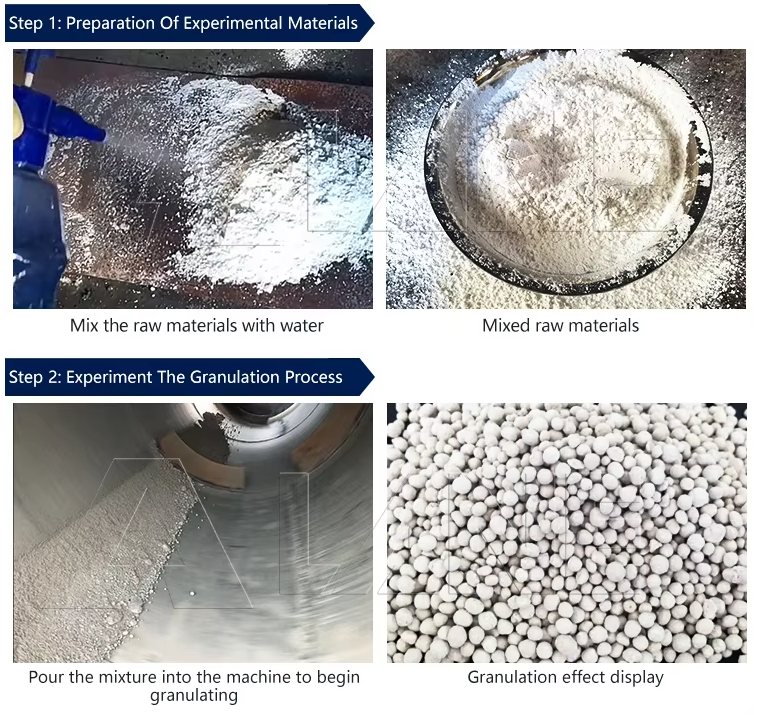
A reliable granular ssp production process combines chemical reaction with mechanical shaping. The main stages are:
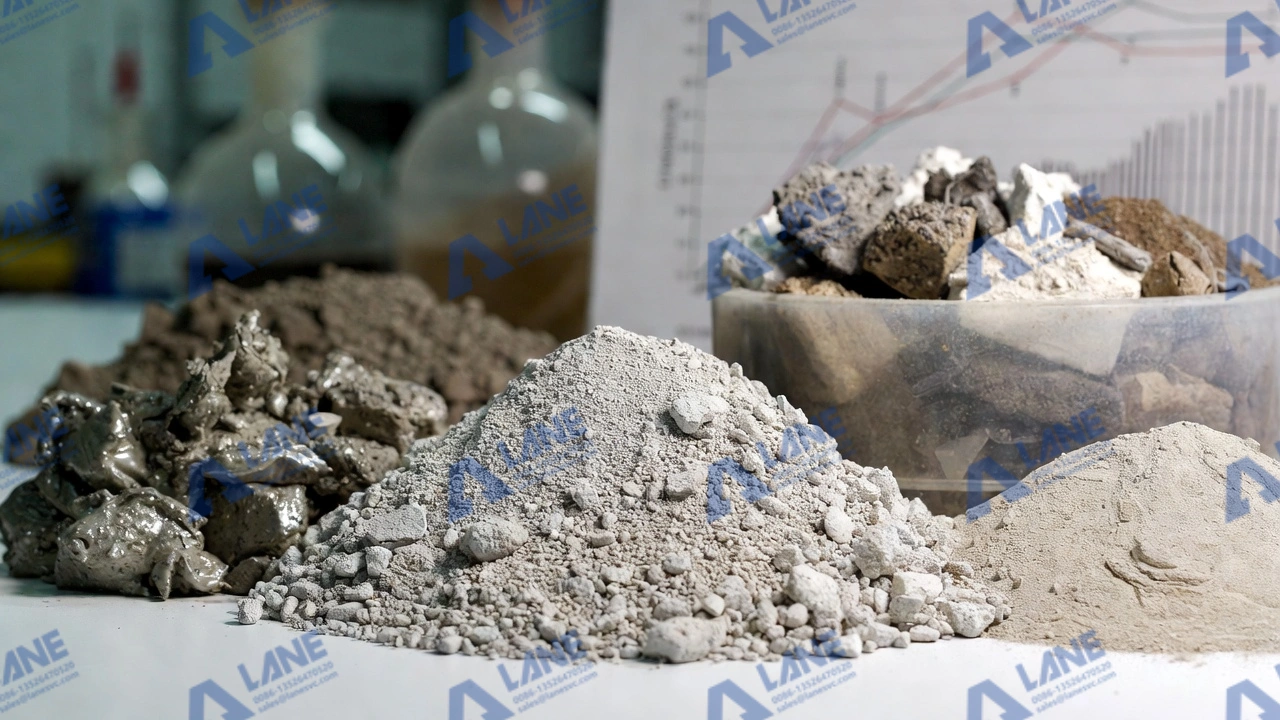
- Raw material preparation: fine rock phosphate powder is measured with sulfuric acid in the right ratio before reaction, and the sulfur and phosphate ratios are checked to keep the acid reaction stable.
- Chemical reaction and curing: the phosphate and acid react to form single superphosphate, which is then piled and cured so the water-soluble phosphorus content matures to the required level. Curing usually runs over several days until phosphorus availability reaches the specification.
- Crushing: the cured SSP cake is crushed into a fine, even feed that enters granulation smoothly.
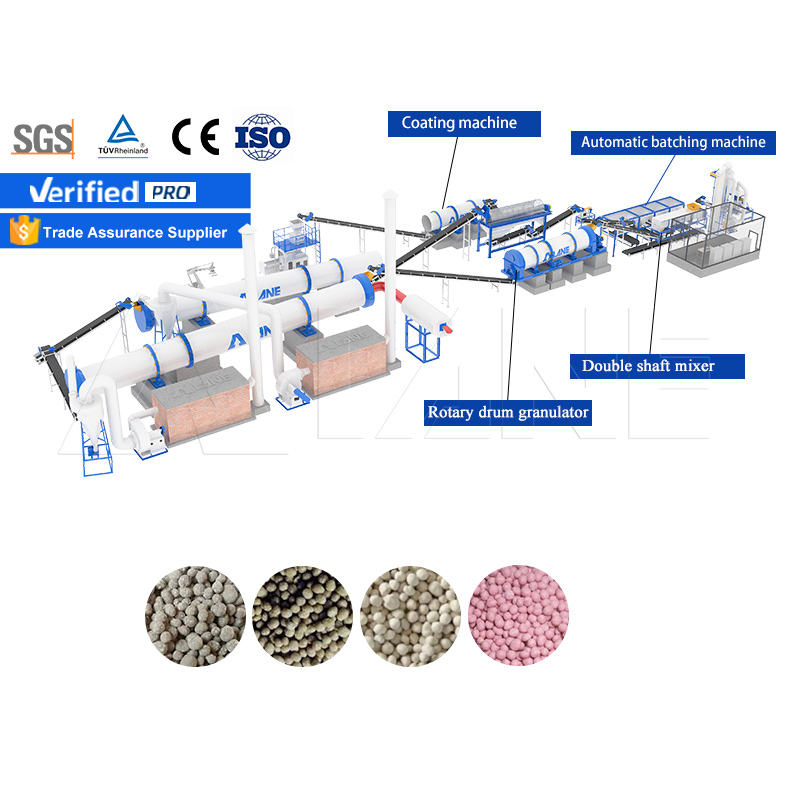
- Granulation: this is the heart of the granular ssp production process. The feed enters the rotary drum granulator from the inlet and is humidified by a controlled amount of water or steam. Inside the rotating cylinder, the squeezing force compresses the particles so they aggregate into balls, while steam, ammonia or phosphoric acid solution can be introduced to complete chemical reaction and heat supply. The pelletizing rate stays above 70%.
- Drying: fresh granules are dried to the target moisture, usually 2-5%, so they stay hard and stable in storage.
- Screening and re-granulation: oversized and undersized granules are separated and returned to the drum for re-granulation, keeping the product uniform.
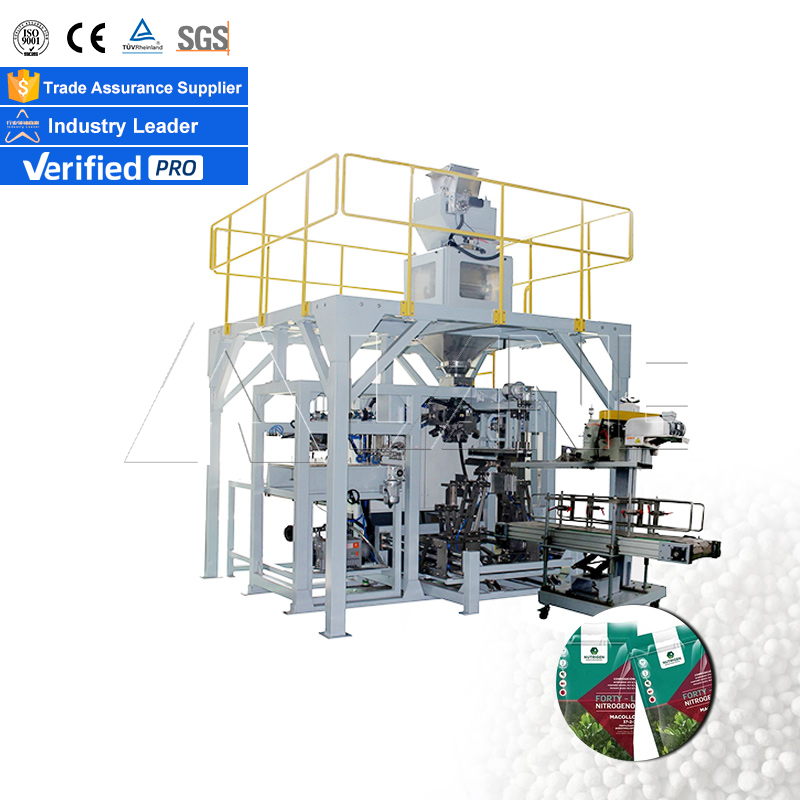
- Cooling and packing: the uniform granules from the granular ssp production process are cooled and packed ready for export, with bags filled and sealed for domestic and overseas shipment.
Application Scenarios
Phosphate fertilizer plants: full-scale granular ssp production process lines produce tons of uniform granules every day for regional and export markets.
Compound fertilizer lines: SSP granules blend evenly with other nutrient sources, improving the uniformity of the final blend.
Field application: uniform granules spread evenly, release nutrients steadily, and reduce dust and caking during storage and transport.
Versatile granulation: the same rotary drum also granulates organic soil conditioner, fly ash powder and other fertilizer materials, so one granular ssp production process can serve several products. The process fits greenfield plants and upgrades to existing SSP lines, and can be automated for continuous, reliable running.
FAQ
What pelletizing rate can the granular ssp production process reach?
Over 70% in normal operation, and returned material can be re-granulated to keep output high.
Can the line handle acidic SSP material?
Yes, the rubber or acid-resistant stainless steel lining resists corrosion and extends service life.
Can granule size be controlled?
The drum speed and process conditions adjust granule size to your target range in a well-tuned granular ssp production process.
Is the process energy efficient?
Steam heating lowers moisture and raises drying efficiency, so energy consumption stays low.
Do you supply a complete plant?
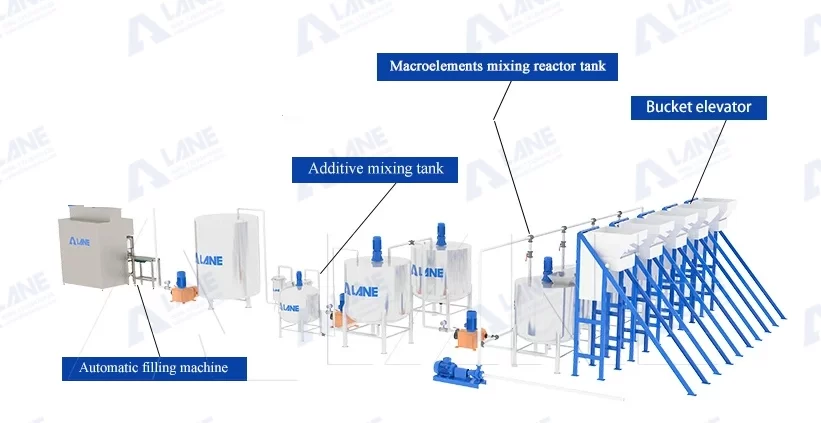
LANE supplies full granular ssp production process lines, including design, equipment and installation support.
From acid reaction to uniform granules, the granular ssp production process delivers high output, strong acid resistance and lower energy cost.
If you are planning an SSP granulating line, contact LANE today for a factory price and a complete plant design, and get a process matched to your raw material and capacity.
Our engineers also provide installation, commissioning and after-sales support so your first batch reaches spec quickly.