How to Use Tanzania Phosphate Rock for SSP Fertilizer Production: Process, Equipment, and Cost Insights
- 2026-02-04
Single Super Phosphate (SSP) fertilizer remains one of the most widely used phosphate fertilizers in developing and emerging agricultural markets. Among various phosphate sources, Tanzania Phosphate Rock for SSP Fertilizer Production has gained increasing attention due to its regional availability, cost advantages, and suitability for localized fertilizer manufacturing.
However, using Tanzania phosphate rock effectively is not just about sourcing raw material. It requires a clear understanding of rock characteristics, production processes, equipment selection, and overall cost structure. This article walks through the practical, real-world considerations of how Tanzania Phosphate Rock for SSP Fertilizer Production is applied in modern SSP plants, based on industrial experience rather than theory alone.
Understanding Tanzania Phosphate Rock Characteristics
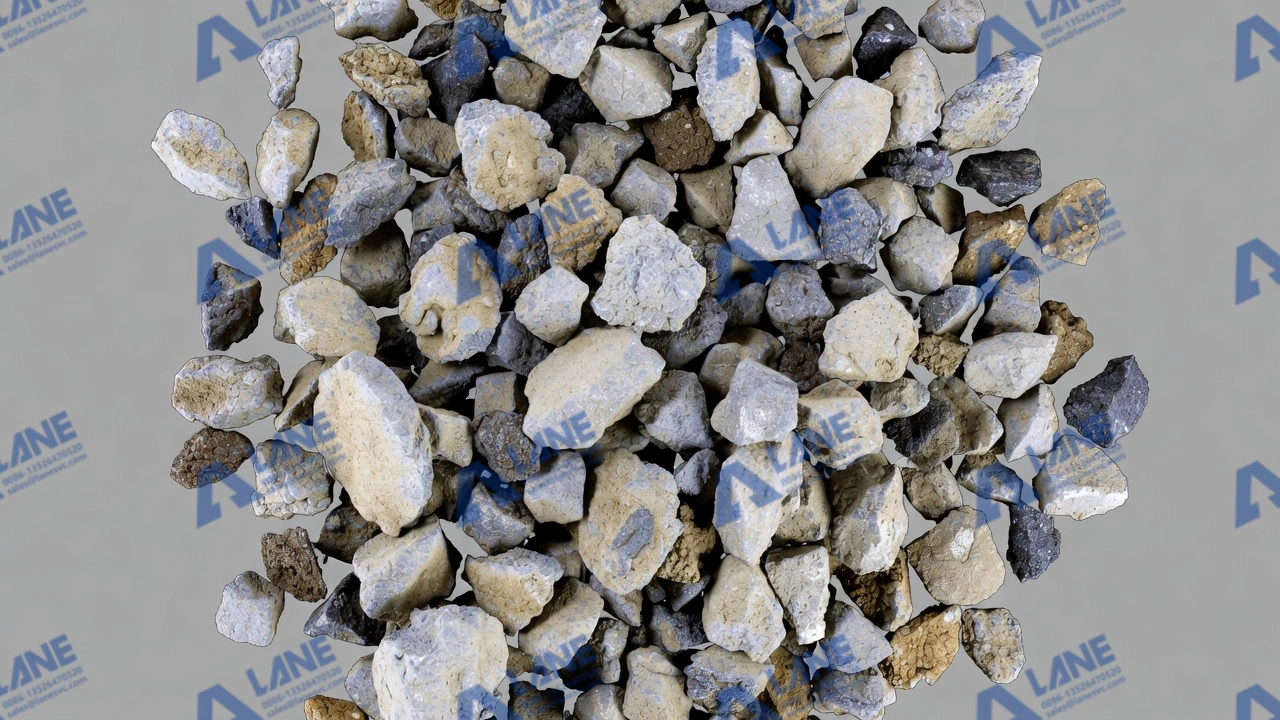
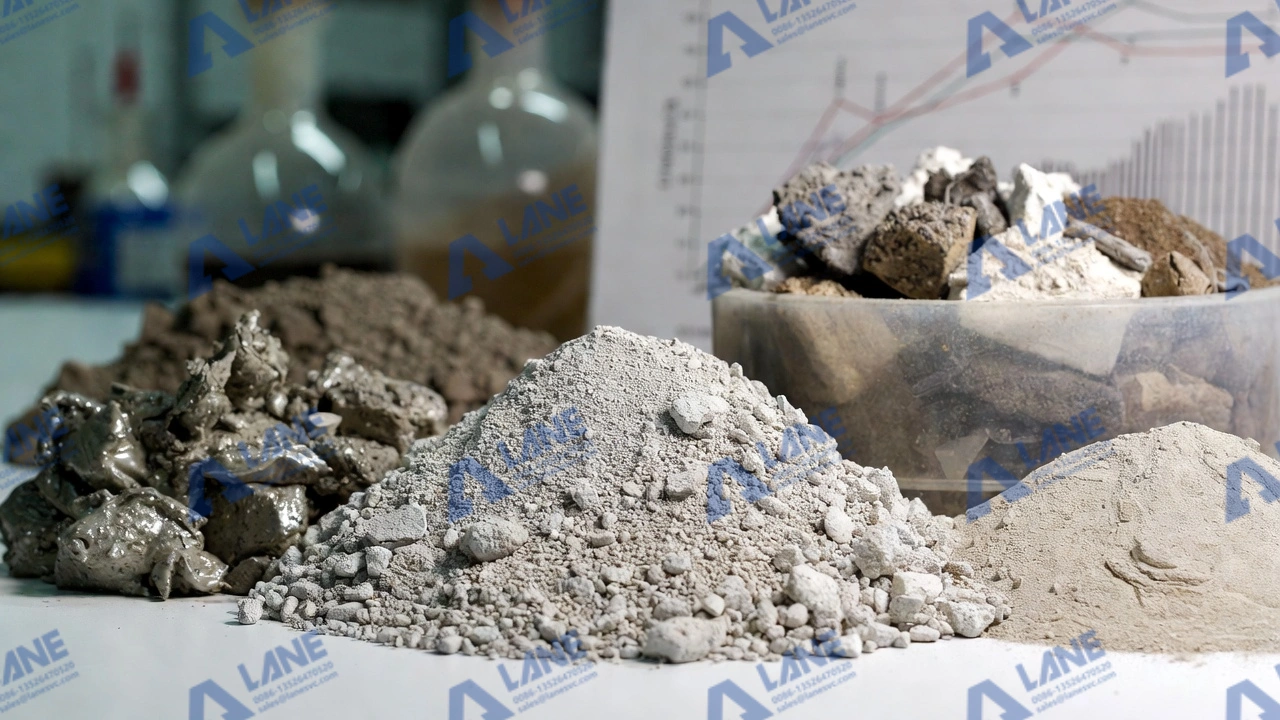
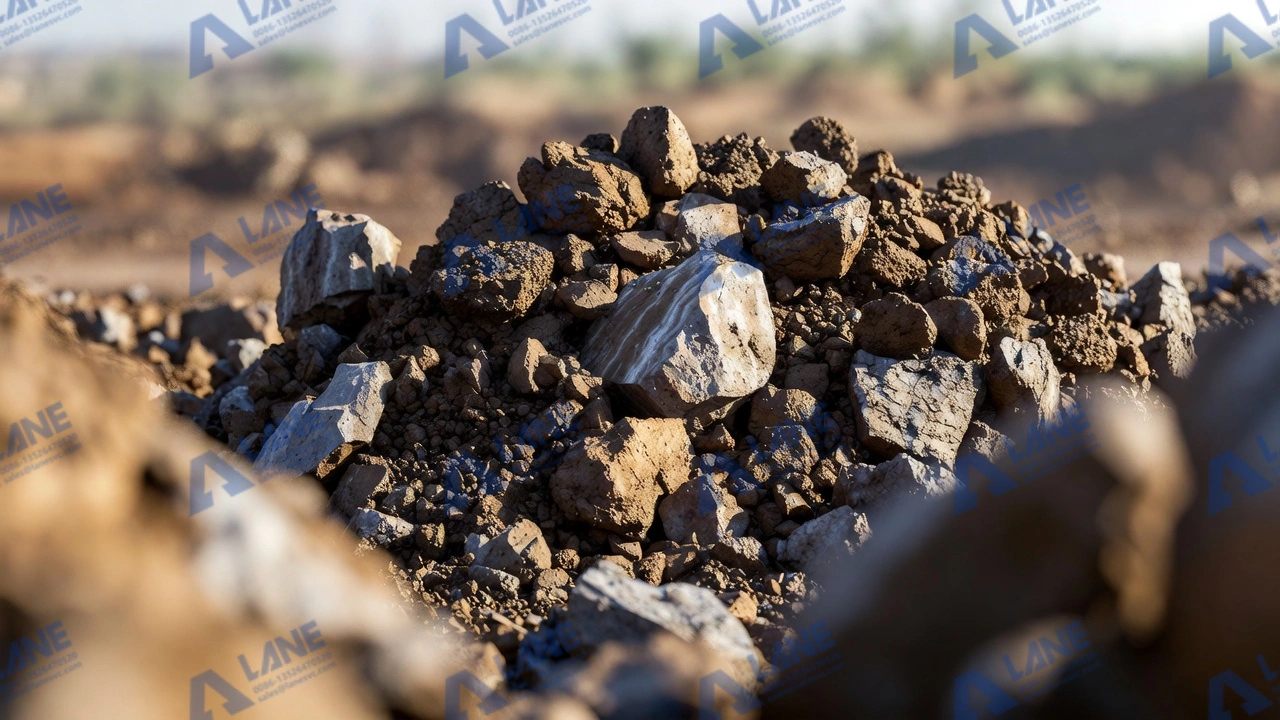
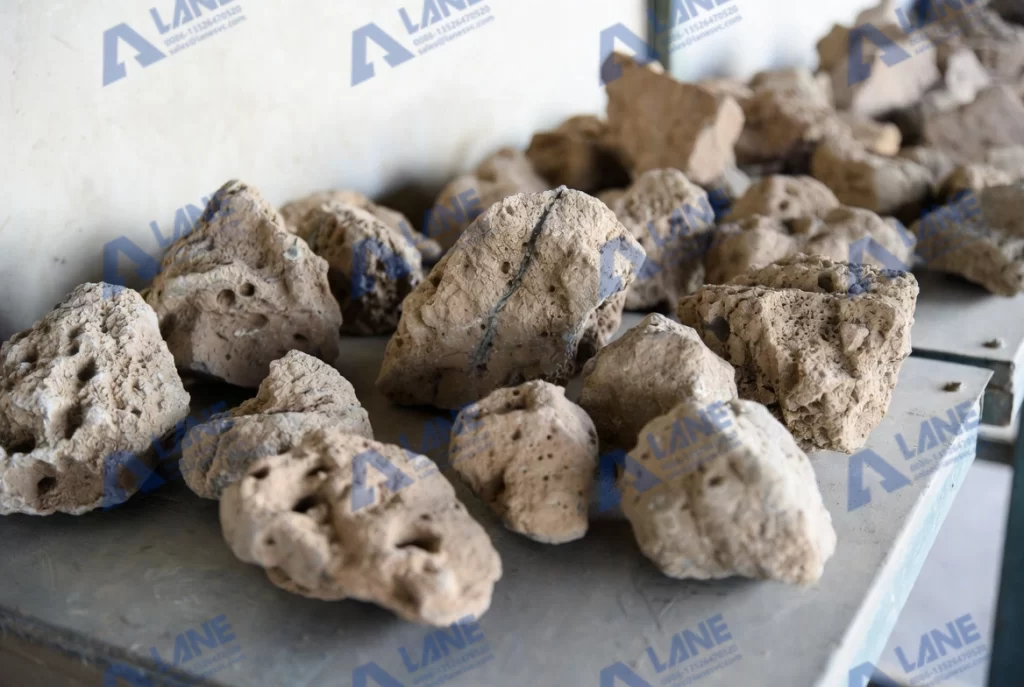
Before discussing process design, it is critical to understand what makes Tanzania phosphate rock unique. Most deposits in Tanzania are sedimentary in origin, with moderate P₂O₅ content and relatively high levels of impurities such as silica, iron, and aluminum oxides.
For Tanzania Phosphate Rock for SSP Fertilizer Production, the key influencing factors include:
P₂O₅ content typically ranging from low to medium grade
Reactivity with sulfuric acid
Presence of insoluble components affecting acid consumption
Moisture and particle size distribution after crushing
These properties directly influence reaction efficiency, acid dosage, and granulation behavior during SSP production.
SSP Production Process Using Tanzania Phosphate Rock
The SSP production process itself is straightforward in principle, but raw material quality determines how smooth the operation will be.
When using Tanzania Phosphate Rock for SSP Fertilizer Production, the process generally follows these steps:
Phosphate rock is crushed to a fine powder, usually below 100 mesh, to ensure sufficient surface area for acid reaction. This step is critical because insufficient fineness can lead to incomplete reaction and low available phosphorus.
Acidulation Reaction
Sulfuric acid reacts with phosphate rock to form monocalcium phosphate and gypsum. For Tanzania Phosphate Rock for SSP Fertilizer Production, acid concentration and reaction time must be carefully controlled due to variable rock reactivity.
Curing Stage
Fresh SSP material requires curing to complete secondary reactions and stabilize product quality. Depending on climate and formulation, curing time may range from several days to weeks.
Granulation and Drying
Granulation improves handling, storage, and application performance. Tanzania-based raw materials often benefit from controlled granulation systems to manage moisture and gypsum content effectively.
Equipment Selection for SSP Production
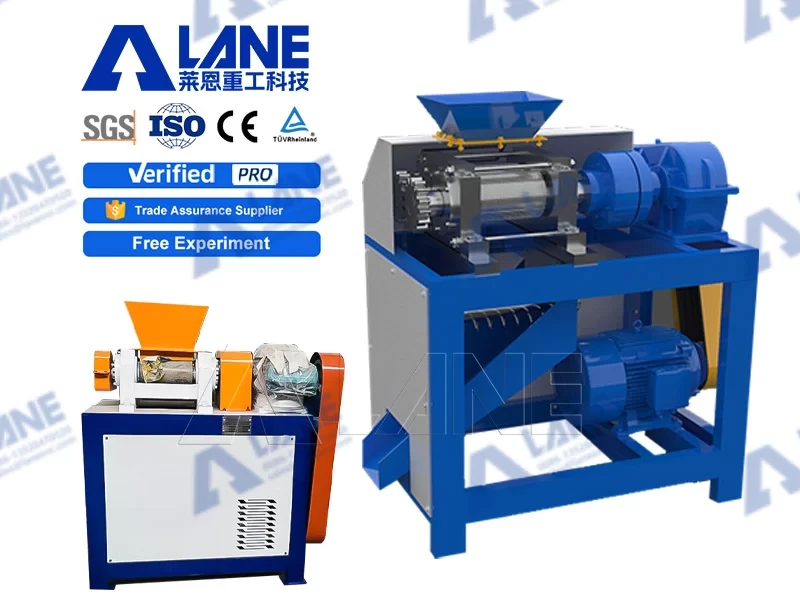
Choosing the right equipment is just as important as selecting the raw material itself. Plants using Tanzania Phosphate Rock for SSP Fertilizer Production should focus on flexibility and durability rather than minimal upfront cost.
Key equipment typically includes:
Chain or hammer crushers for phosphate rock preparation
Acid-resistant reactors for SSP reaction
Mixing and granulation systems designed for high gypsum content
Rotary dryers and coolers for moisture control
Screening and packaging systems
Equipment must be designed to handle fluctuations in rock quality without frequent downtime, especially when working with regional phosphate deposits.
Cost Insights and Economic Considerations
One of the main reasons manufacturers consider Tanzania Phosphate Rock for SSP Fertilizer Production is cost efficiency. Local sourcing reduces transportation expenses and dependency on imported raw materials.
However, cost evaluation should include:
Additional acid consumption due to impurities
Energy cost for finer grinding
Equipment wear caused by abrasive components
Curing space and inventory holding time
In practice, many SSP plants find that Tanzania phosphate rock offers a favorable balance between raw material cost and manageable processing adjustments.
Environmental and Operational Considerations
SSP production naturally involves gypsum byproducts and acid handling. When using Tanzania Phosphate Rock for SSP Fertilizer Production, proper dust control, corrosion-resistant materials, and waste management systems are essential for long-term plant operation.
Modern SSP plants increasingly integrate dust collectors, sealed conveying systems, and automated dosing to ensure stable output and compliance with environmental standards.
Why LANE Recommends a Customized SSP Solution
At LANE (HENAN LANE HEAVY INDUSTRY MACHINERY TECHNOLOGY CO., LTD.), we have worked with phosphate-based fertilizer plants across Africa, Asia, and the Middle East. Our experience shows that no two phosphate rocks behave exactly the same.
For projects involving Tanzania Phosphate Rock for SSP Fertilizer Production, LANE focuses on:
Tailored process design based on rock analysis
Acidulation and granulation equipment optimized for gypsum-rich materials
Scalable SSP production lines from small to industrial capacity
On-site commissioning and operator training
Rather than offering standardized machinery, LANE delivers complete SSP production solutions designed for stable operation and long-term profitability.
Common Challenges and Practical Solutions
Manufacturers using Tanzania Phosphate Rock for SSP Fertilizer Production often encounter similar challenges:
Inconsistent reaction efficiency
Granulation instability
Higher-than-expected acid usage
These issues are usually resolved through better raw material preparation, precise acid control, and appropriate equipment configuration rather than changing the phosphate source itself.
FAQ: Tanzania Phosphate Rock for SSP Fertilizer Production
Is Tanzania phosphate rock suitable for SSP fertilizer production?
Yes. With proper grinding, acidulation control, and curing, Tanzania Phosphate Rock for SSP Fertilizer Production can achieve stable and commercially viable SSP output.
Does Tanzania phosphate rock require higher sulfuric acid consumption?
In some cases, yes. Impurity levels may increase acid demand slightly, but optimized process design can control overall costs.
What SSP plant capacity works best with Tanzania phosphate rock?
Both small and medium-scale SSP plants perform well, especially when equipment is designed for raw material variability.
Can existing SSP plants use Tanzania phosphate rock?
Most existing SSP plants can adapt to Tanzania Phosphate Rock for SSP Fertilizer Production with minor adjustments in grinding fineness and acid dosing.
Final Thoughts
Using Tanzania Phosphate Rock for SSP Fertilizer Production is not a compromise—it is a strategic choice when supported by the right technical approach. By understanding the material characteristics, optimizing the production process, and selecting suitable equipment, manufacturers can produce high-quality SSP fertilizer efficiently and sustainably.
For investors and producers aiming to strengthen regional fertilizer supply chains, Tanzania phosphate rock represents a practical and economically sound resource when applied with experience-driven engineering.
For more details, please feel free to contact us.
Henan Lane Heavy Industry Machinery Technology Co., Ltd.
Email: sales@lanesvc.com
Contact number: +86 13526470520
Whatsapp: +86 13526470520