SSP Packing Machine: Buying Guide for Fertilizer Plants
- 2026-11-14
An SSP packing machine is the final control point between fertilizer production and product delivery. It determines whether finished single superphosphate (SSP) is weighed consistently, filled into bags cleanly, sealed securely, and prepared for storage or shipment. For fertilizer plant owners and purchasing managers, choosing packaging equipment is not simply a matter of selecting a machine with a high bag-per-hour rating. The system must match the product’s particle condition, target bag weight, required output, packaging material, and upstream production capacity.
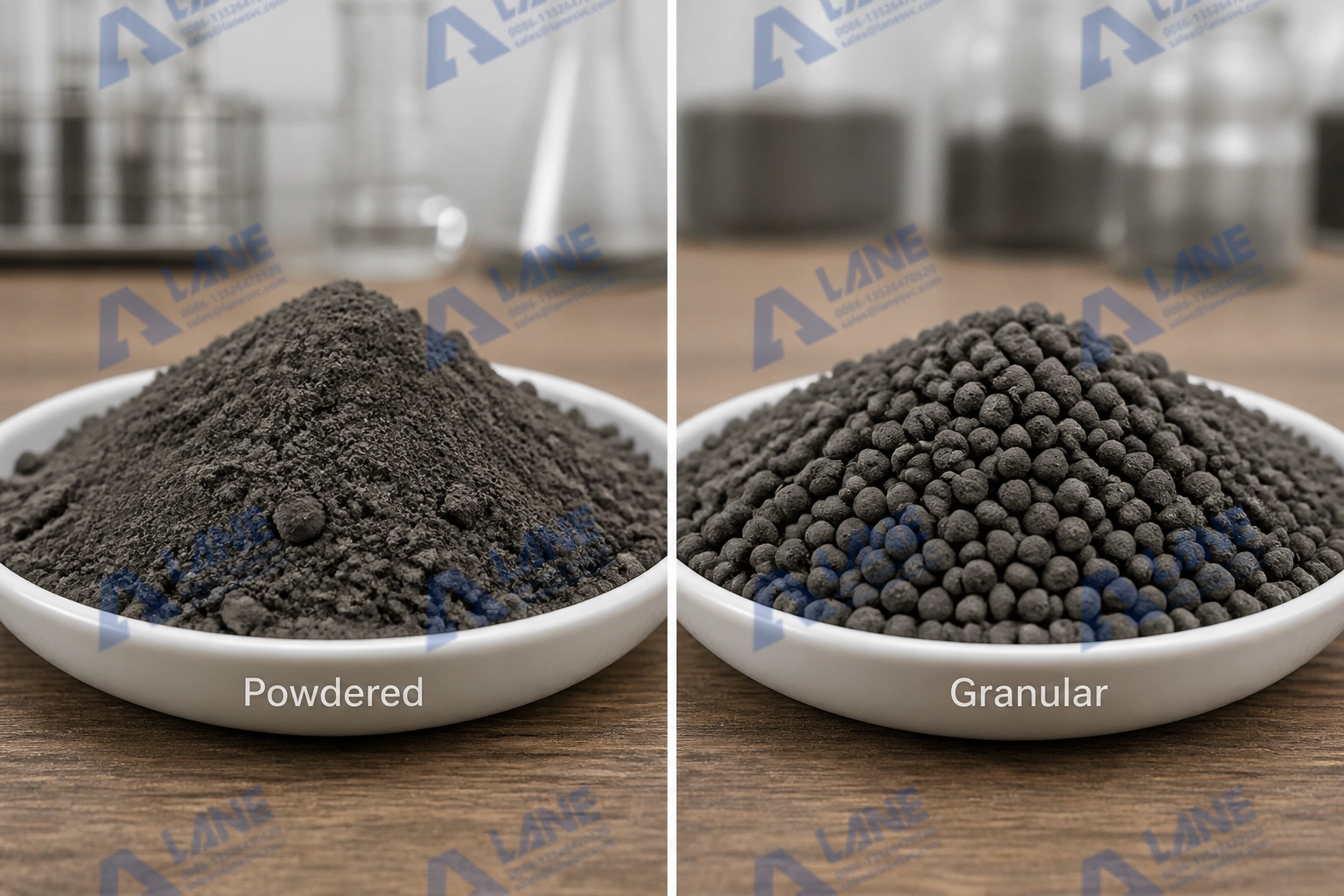
SSP may be handled as powder or granules, and these two product forms do not behave in the same way during filling. Fine powder can generate dust and flow unevenly, while granular SSP may segregate or bridge in a hopper if its particle-size distribution and moisture are not controlled. A suitable SSP packing machine should therefore be selected according to the actual finished product, not just the nominal capacity stated in a quotation.
1. What Does an SSP Packing Machine Do in a Fertilizer Plant?
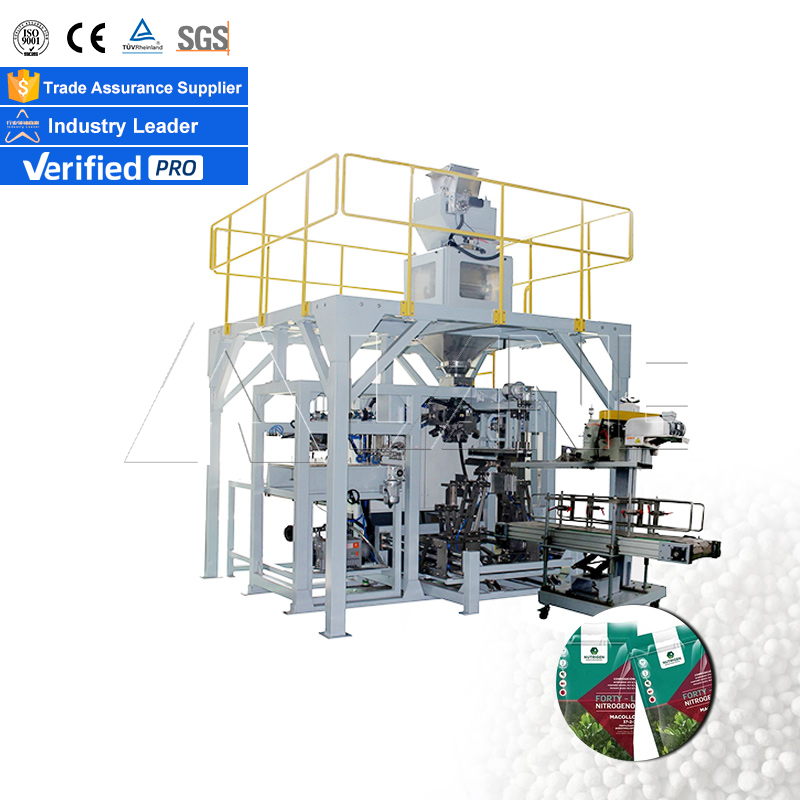
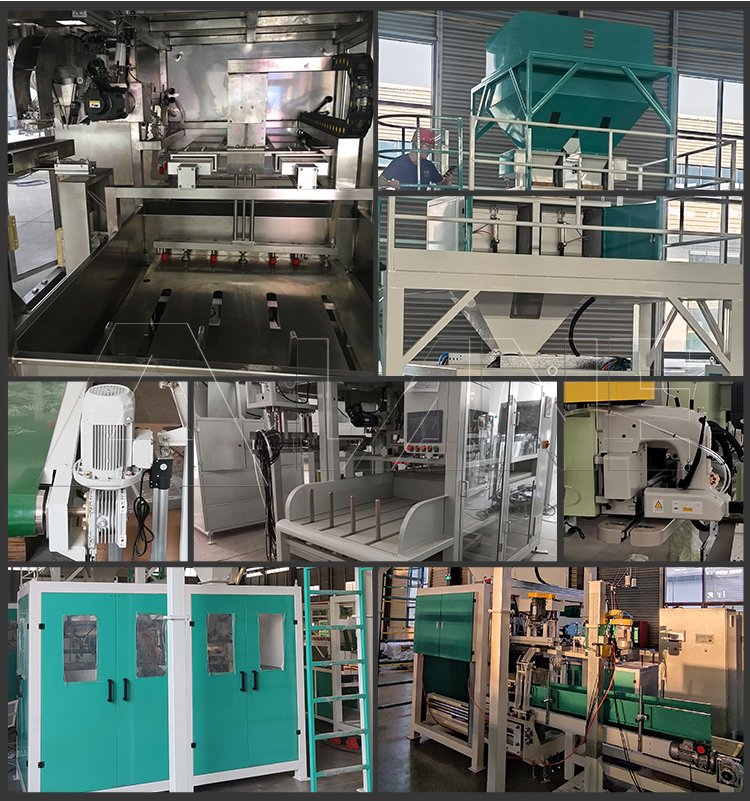
An SSP packing machine measures a preset quantity of fertilizer and fills it into a bag or other packaging container. Depending on the configuration, the system may also handle bag presentation, clamping, sealing, date or batch printing, conveying, and palletizing.
The packaging section normally performs several connected tasks:
- Material feeding: Receives finished SSP from a storage hopper, silo, or conveyor.
- Quantitative weighing: Measures the required product weight for each bag.
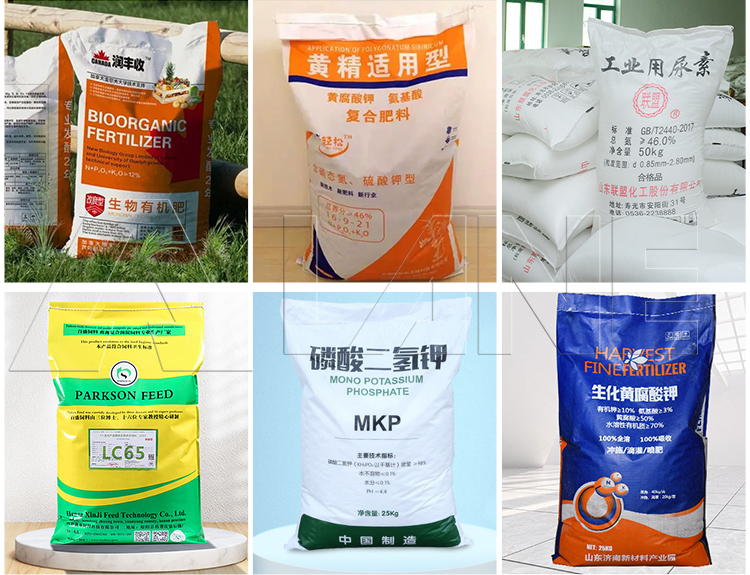
- Bag filling: Directs the measured material into an open-mouth bag, valve bag, or another compatible container.
- Bag closing: Uses sewing, heat sealing, or another suitable closing method.
- Product conveying: Transfers filled bags to inspection, stacking, or palletizing equipment.
- Identification: Prints or applies batch numbers, production dates, and other required information when included in the system.
LANE’s automatic packing machine page describes an automated system with measuring, filling, bag making, sealing, printing, and conveying functions. The actual scope depends on the selected configuration. Buyers should confirm which operations are included in the quotation rather than assume every machine automatically performs the entire sequence.
2. Should You Choose Different Packing Equipment for Powdered and Granular SSP?
Yes. Powdered SSP and granular SSP have different flow characteristics, so the feeding and filling arrangement should be matched to the product.
For powdered SSP, dust control and stable feeding deserve particular attention. Fine material can escape around the filling spout, accumulate on weighing components, or form irregular flow patterns inside the hopper. A suitable arrangement may include an enclosed feeding path, a properly designed filling connection, and a dust extraction interface.
For granular SSP, the main concerns are consistent discharge, particle breakage, and segregation. The feeding device should deliver granules steadily without creating excessive impact or crushing. The hopper outlet and feeding mechanism must also suit the granule size and flow behavior.
The key purchasing point is that a machine tested with free-flowing granules should not automatically be considered suitable for fine SSP powder. Ask the supplier to test the actual product and packaging material before finalizing the feeding system.
3. Which Technical Specifications Matter Most When Buying an SSP Packing Machine?
The most important specifications are weighing range, target accuracy, bagging rate, product-contact design, bag compatibility, and the control system. These values should be confirmed for the customer’s SSP material and selected bag size.
| Specification | Why It Matters | What Buyers Should Confirm |
|---|---|---|
| Weighing range | Determines which bag weights the machine can handle. | Minimum and maximum filling weight; whether adjustment requires mechanical changes. |
| Weighing accuracy | Affects product giveaway and compliance with declared bag weight. | Guaranteed tolerance under the actual product and operating conditions. |
| Bagging capacity | Determines whether packaging can keep up with production. | Bags per hour at the selected bag weight, including normal operating interruptions. |
| Feeding method | Influences filling stability and dust generation. | Gravity, belt, screw, vibratory, or other feeding arrangement. |
| Bag type | Determines the filling and closing structure. | Open-mouth, valve, woven polypropylene, or other specified bag. |
| Bag closing | Protects product during storage and transport. | Sewing, heat sealing, or another closing method. |
| Product-contact parts | Affect corrosion resistance, wear, and cleaning. | Material grade, surface finish, and replaceable wear components. |
| Control system | Supports repeatability and operating records. | PLC, weighing indicator, alarm functions, recipe settings, and data output. |
Do not accept a general statement such as “high weighing accuracy” as a technical guarantee. Ask for the permitted deviation at the target bag weight and clarify whether the figure applies to individual bags, a statistical average, or a specific test procedure.
The same applies to output. A supplier may quote a maximum bagging rate under favorable conditions, but the actual rate can change with bag weight, product flow, operator intervention, bag placement, and sealing time. The SSP packing machine should be evaluated at the bag size and product condition that the plant will use in daily production.
4. How Do You Match Packing Capacity with SSP Production Output?
The packaging section must handle the net production output of the upstream line. If the packing system is undersized, finished fertilizer will accumulate in storage bins and may eventually restrict the granulation, drying, or screening sections. If the packing system is substantially oversized, the plant may pay for capacity that it rarely uses.
A useful first calculation is:
Required bags per hour = Finished product output (kg/h) ÷ Bag weight (kg)
For example, if the plant produces 5,000 kg of finished SSP per hour and uses 50 kg bags:
5,000 ÷ 50 = 100 bags per hour
This is the theoretical filling requirement before allowing for stoppages, bag changes, weighing cycles, maintenance, and downstream handling. The final equipment selection should include an operating margin based on the plant’s shift pattern and expected availability. The margin should be agreed with the supplier rather than chosen from an arbitrary universal percentage.
Also clarify whether the quoted capacity refers to the weighing and filling machine alone or to the complete packaging line. A fast filler cannot maintain its rated output if bags are supplied manually too slowly, the sewing machine becomes a bottleneck, or the conveyor cannot remove filled bags.
5. What Equipment Should Be Included in a Complete SSP Packaging Line?
A complete packaging section may include more than the filling machine itself. The exact configuration depends on the bag type, degree of automation, and whether the plant needs palletized products ready for dispatch.
A typical arrangement may contain:
- Finished-product hopper or silo: Provides a buffer between the upstream screening section and packaging.
- Feeding and dosing unit: Delivers SSP to the weighing system at a controlled rate.
- Weighing unit: Measures the preset quantity for each bag.
- Bag clamping and filling station: Holds the bag securely during filling.
- Bag sewing or sealing machine: Closes the filled package.
- Conveyor: Transfers bags to the next handling stage.
- Checkweigher or inspection station: Checks package weight or condition where required.
- Palletizing and wrapping equipment: Arranges bags for storage and transport when included in the project scope.
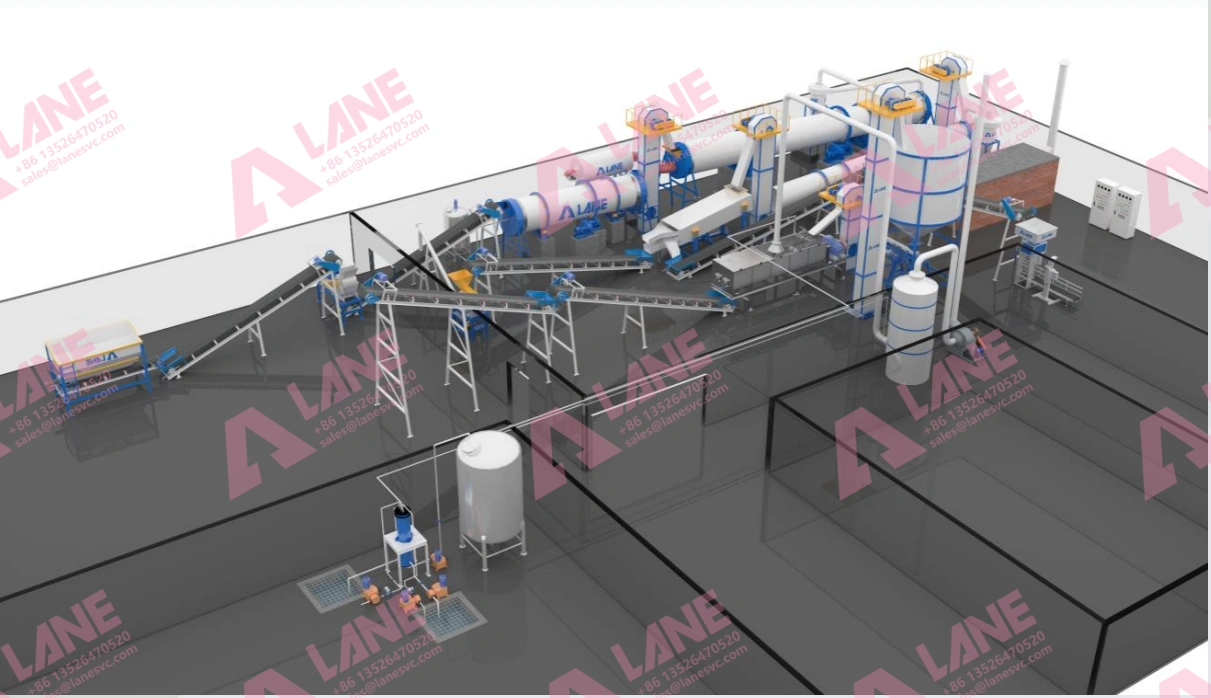
For a new plant, the packaging equipment should be designed together with the upstream process. LANE’s SSP production line for sale page describes a process scope covering rock grinding, acidulation, curing, granulation, drying, cooling, screening, and packaging. It also identifies automatic packaging as part of the finished-product section. This is a useful reference when evaluating how the packing system connects with the complete plant.
For an existing factory, the project may only require a new bagging unit. In that case, the supplier needs the available installation height, hopper outlet dimensions, conveyor elevation, electrical supply, and current finished-product flow rate before confirming the layout.
6. What Common Problems Reduce Packing Efficiency?
Packaging problems are often caused by a mismatch between the machine and the material, rather than by the weighing unit alone.
| Operating Problem | Possible Cause | Practical Check |
|---|---|---|
| Unstable filling weight | Irregular feeding, product buildup, or incorrect weighing settings. | Check the feeder, hopper flow, load cells, and calibration. |
| Dust around the filling point | Poor bag connection, excessive drop height, or inadequate extraction. | Inspect the filling spout, enclosure, and dust collection connection. |
| Slow bagging rate | Feeding or bag-closing stage cannot match the filling cycle. | Identify the bottleneck across the full packaging line. |
| Incomplete bag filling | Bridging, poor flow, or an unsuitable feeding device. | Check product moisture, hopper outlet, and feeder design. |
| Bag leakage after closing | Incorrect sewing or sealing settings, damaged bags, or unsuitable closure. | Inspect closure quality and packaging material compatibility. |
| Frequent weighing errors | Vibration, buildup, unstable installation, or sensor problems. | Check the foundation, load-cell mounting, cleaning, and calibration. |
A common mistake is to increase the feeding rate when the packaging line is falling behind. If the real bottleneck is bag sewing, conveying, or manual bag placement, increasing the filling speed may only create more waiting bags and handling problems.
For powdered SSP, dust collection should be treated as part of the packaging design, not as an optional accessory to consider after installation. Dust can affect housekeeping, product loss, weighing stability, and working conditions. The supplier should identify the dust extraction connection, enclosure arrangement, and cleaning access in the equipment layout.
7. What Costs Should Buyers Consider Beyond the Packing Machine Price?
The purchase price is only one part of the packaging investment. Buyers should compare the full operating arrangement, including bag supply, sealing, conveying, dust extraction, maintenance, and integration with the existing plant.
Important cost items include:
- Bag materials: Bag dimensions, material strength, liner requirements, printing, and procurement lead time.
- Weighing and feeding components: Load cells, dosing gates, feeders, and their replacement or calibration requirements.
- Bag closing equipment: Sewing thread, needles, sealing components, and routine adjustments.
- Dust control: Extraction hoods, ducting, filters, and maintenance.
- Conveying and palletizing: Additional equipment may be needed to avoid a bottleneck after filling.
- Installation and commissioning: Foundations, electrical work, operator training, and production testing.
- Spare parts and service: Availability of sensors, belts, pneumatic components, and other wear parts.
One frequently underestimated cost is product giveaway. If the machine consistently fills above the declared target weight, the plant gives away saleable fertilizer in every bag. Even a small average overfill becomes significant when multiplied by thousands of bags. Buyers should therefore request a documented weighing test and calculate the annual material cost associated with the measured average overfill.
8. How Should You Test and Accept an SSP Packing Machine?
A proper acceptance test should use the actual SSP product, actual bags, and the intended operating settings. A demonstration with a different free-flowing material may show that the machine runs, but it does not prove that it will perform reliably with the customer’s product.
Before signing the acceptance record, agree on the following:
- The exact SSP form: powder or granules.
- The target bag weight and bag material.
- The required operating rate in bags per hour.
- The permitted individual bag-weight deviation.
- The test duration and number of bags checked.
- The bag-closing quality and leakage criteria.
- Dust leakage and housekeeping observations.
- Alarm, emergency stop, and restart functions.
- Operator training, manuals, and recommended spare parts.
The weighing test should distinguish between average weight and individual bag variation. An acceptable average does not automatically mean every bag meets the required tolerance.
For fertilizer quality checks, representative sampling also matters. ISO 14820-1:2016 specifies sampling plans and methods for fertilizers and liming materials, including products in packages and containers up to 1,000 kg. It is a sampling standard, not a packing-machine performance standard, but it provides a useful reference when establishing how packaged fertilizer samples are collected for quality control.
9. FAQ: What Do Buyers Ask About SSP Packing Machines?
1. What bag sizes can an SSP packing machine handle?
The available bag sizes depend on the weighing unit, bag holder, filling spout, and closing arrangement. Confirm the minimum and maximum bag weights and whether changing sizes requires additional parts or only a control-setting adjustment.
2. Can one packing machine handle both powdered and granular SSP?
Some configurations may handle both, but the feeding and dust-control arrangements may need to change. Test both product forms before approving one machine for dual use.
3. How many bags per hour can an SSP packing machine fill?
The actual rate depends on bag weight, product flow, weighing cycle, bag placement, and closing time. Request a guaranteed rate for the specific SSP material and bag size rather than relying on a maximum catalogue figure.
4. How accurate is the weighing system?
Accuracy depends on the weighing components, product flow, machine installation, calibration, and operating conditions. The supplier should state the permitted deviation and demonstrate it during a test using the intended product.
5. Does an SSP packing machine need a dust collector?
Dust extraction is strongly recommended when handling fine SSP powder or when filling points generate airborne dust. The required arrangement depends on the product, filling method, enclosure, and plant dust-control system.
6. Can the machine use woven polypropylene bags?
Yes, a suitable configuration can be designed for woven polypropylene bags, provided the bag dimensions and closure method match the equipment. Confirm whether the system uses sewing, heat sealing, or another closing arrangement.
7. Can the packing machine connect to an existing SSP production line?
Yes, it can be integrated into an existing plant if the feed hopper, discharge height, conveyor arrangement, electrical supply, and required output are compatible. A site layout and operating data are needed before confirming the design.
8. What maintenance does an SSP packing machine require?
Routine maintenance usually includes cleaning product buildup, checking load cells and weighing calibration, inspecting feeders and moving parts, and maintaining sewing or sealing components. The supplier should provide a maintenance schedule and recommended spare-parts list.
Conclusion: Choose the Packing System Around the Finished SSP Product
The right SSP packing machine is not necessarily the one with the highest advertised bagging speed. It is the system that weighs the actual SSP product consistently, handles the selected bag material, closes packages reliably, and keeps pace with the finished-product output of the plant.
Before purchasing, define the product form, bag weight, required bags per hour, weighing tolerance, closure method, and downstream handling scope. Then ask the supplier to demonstrate these requirements with your own SSP material. This approach gives buyers a more reliable basis for comparing equipment quotations and avoiding hidden operating costs.
For a complete project, review LANE’s automatic packing machine and SSP production line for sale pages. You can also visit Fertilizer Industry Leader and LANE Machinery for broader fertilizer equipment information.
For more details, please feel free to contact us.
Henan Lane Heavy Industry Machinery Technology Co., Ltd.
Email: sales@lanesvc.com
Contact number: +86 13526470520
WhatsApp: +86 13526470520