The Complete SSP Fertilizer Plant Investment Guide for First-Time Investors
- 2026-03-27
Breaking into fertilizer manufacturing isn’t something you do on impulse. It takes real planning, real capital, and a clear-eyed understanding of what you’re getting into. For entrepreneurs and agribusiness investors exploring this space, this SSP fertilizer plant investment guide is built around one core premise: single superphosphate remains one of the most financially accessible entry points in the sector. What follows covers what actually matters before you commit — equipment, startup costs, regulatory hurdles, and what realistic returns look like.
What Is SSP and Why Does It Still Matter?
SSP, or single superphosphate, is made by reacting phosphate rock with sulfuric acid. The end product contains roughly 16–20% available phosphorus (P₂O₅), plus calcium and sulfur — nutrients that do real work across a wide range of crops. It’s not the most glamorous product on the market. But it’s affordable to produce, straightforward to sell, and consistently in demand across developing agricultural economies. For investors doing early-stage research, a structured SSP fertilizer plant investment guide is often the most efficient way to avoid costly blind spots.
Every credible SSP fertilizer plant investment guide will tell you the same thing about market fundamentals: the global fertilizer market isn’t cooling down anytime soon. Population growth, shrinking arable land, and the relentless pressure to increase crop yields continue driving phosphate fertilizer consumption — especially across South Asia, Southeast Asia, and Sub-Saharan Africa. That underlying demand is something first-time investors should take seriously, not just treat as a backdrop. Referencing a reliable SSP fertilizer plant investment guide at this stage of research can help investors benchmark regional demand before committing to a location.
Core Equipment You’ll Need
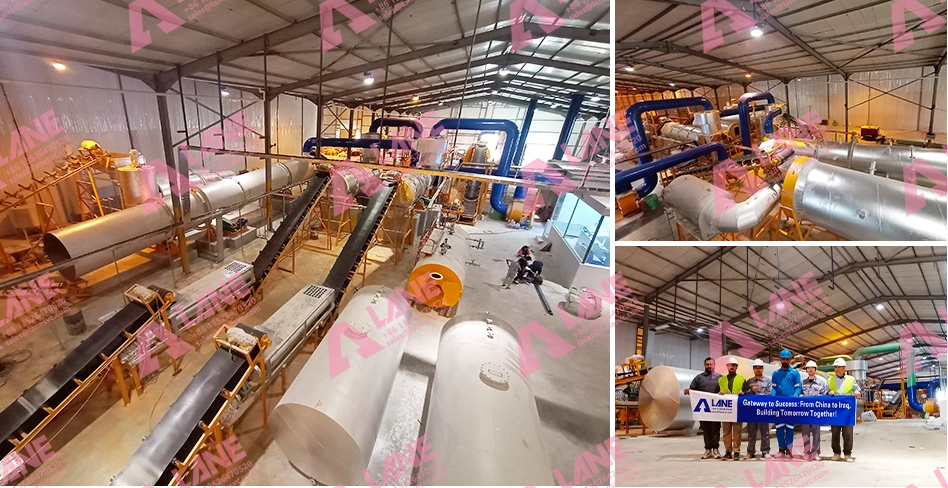
Here’s where most newcomers underestimate the complexity. An SSP production line isn’t a single machine you switch on. It’s an integrated system, and every component affects the one downstream from it. Any serious SSP fertilizer plant investment guide needs to address this in detail — because equipment decisions made early are very hard to undo later. Based on standard industry configurations, a functional plant requires the following:
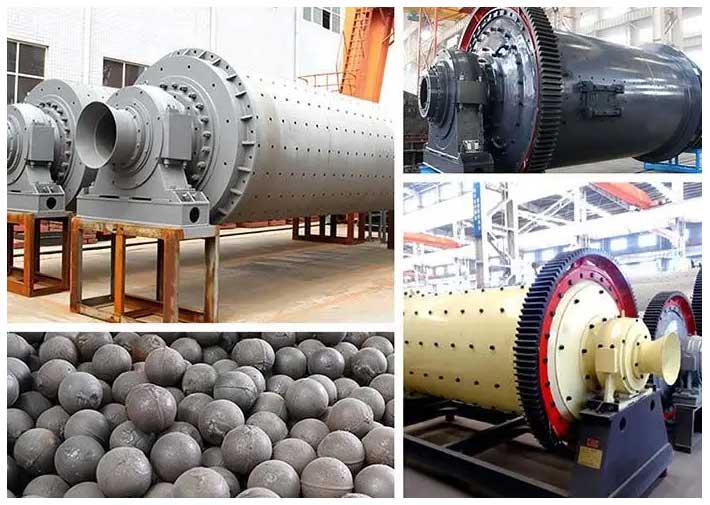
- Phosphate Rock Grinding Mill — Raw phosphate rock needs to be ground to the right fineness — typically 80–100 mesh — before acidulation can occur. Grind quality directly determines reaction efficiency. Get this wrong, and the rest of the line suffers.
- Acidulation Reactor — The core of the entire process. This is where phosphate rock and sulfuric acid react under controlled conditions. Residence time and mixing intensity are critical variables here, not afterthoughts.
- Conveyor Belt System — Yes, it moves material between stages. But conveyor design affects throughput, spillage risk, and how often your maintenance crew is called in. Don’t treat it as a commodity line item.
- SSP Curing Building — After acidulation, SSP needs time — typically 3 to 6 weeks — for the chemical reaction to fully complete. Proper curing storage isn’t optional. It’s fundamental to product quality.
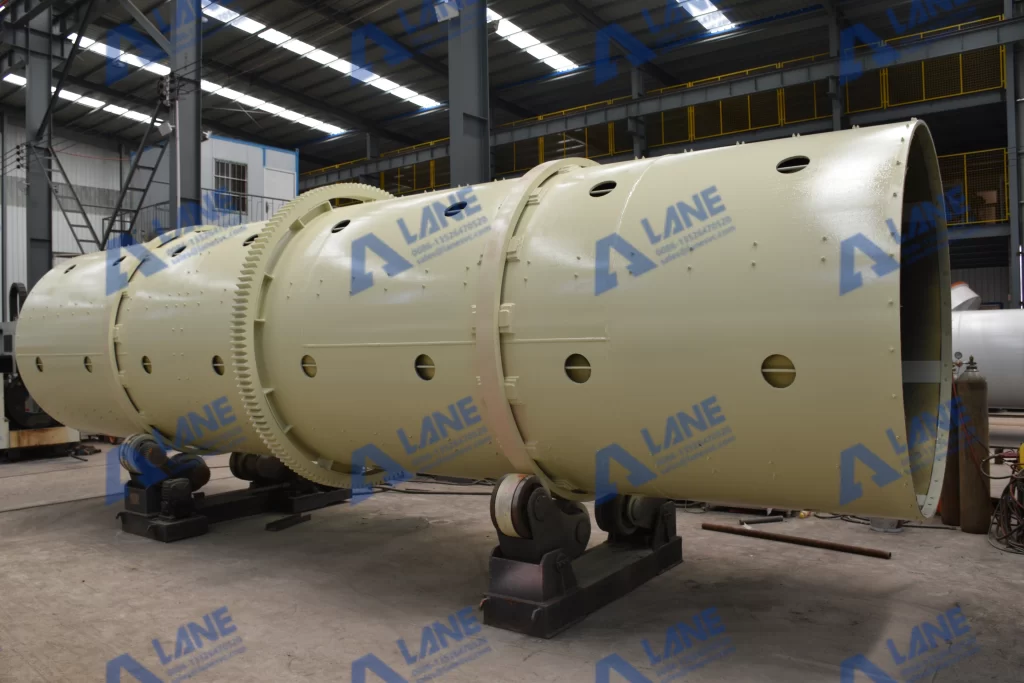
- Hammer Mill — If you’re producing granular SSP rather than powdered, you’ll need a secondary size-reduction unit after curing. This step is easy to overlook in early planning. At this stage of equipment planning, cross-referencing with a detailed SSP fertilizer plant investment guide helps prevent spec mismatches between units.
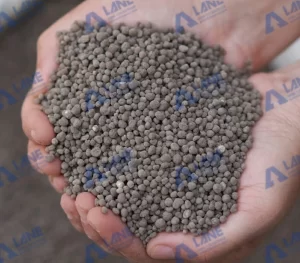
- Drum Granulator — For granulation lines, this is what shapes the product into uniform granules. Granular SSP consistently fetches better market prices and is easier to handle in the field.
- Rotary Dryer — Post-granulation moisture removal. Moisture content directly affects shelf life and how well the product runs through your bagging line. This isn’t a place to cut corners.
- Vibrating Screen — Separates on-spec product from oversized and undersized particles. Recycle streams go back into the granulator. Simple in concept, important in practice.
- Dust Collection System — Environmental compliance and worker safety both depend on this. It tends to get underfunded in early budgets. That’s a mistake.
- Packaging Machine — The final stage before your product reaches distributors or buyers. Your packaging line capacity needs to match your overall production target — a mismatch here creates a bottleneck that shows up at the worst possible time.
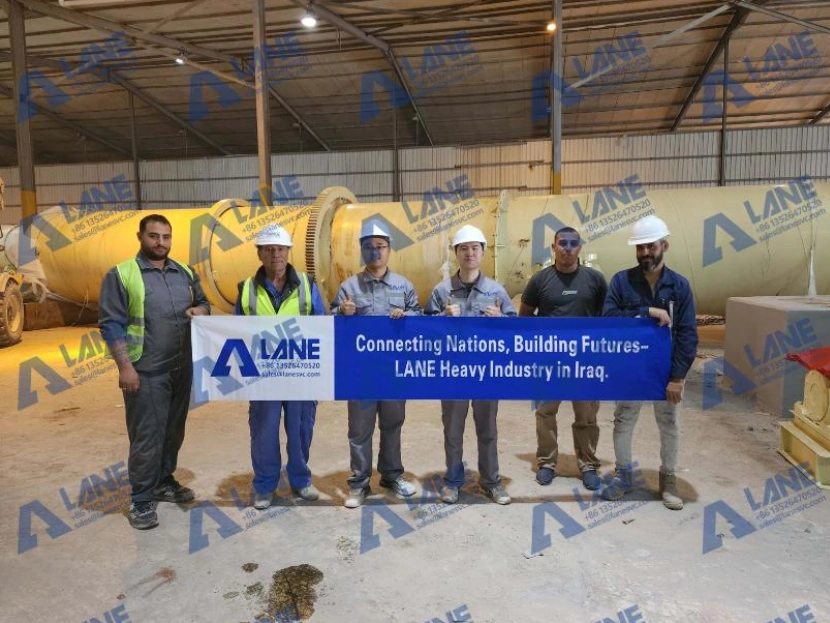
We’ve worked alongside equipment vendors across several markets over the years, and I’ll say this plainly: the lowest quotation is almost never the right choice for a first plant. Manufacturers like LANE, which focuses on large-scale fertilizer production equipment, tend to offer full-line configurations that reduce compatibility issues between units. That matters more than it sounds — especially when something goes wrong at 2 a.m. during your first production run, and you need fast answers. Equipment sourcing is one of the most consequential decisions covered in any thorough SSP fertilizer plant investment guide.
Investment Cost Overview
When working through any SSP fertilizer plant investment guide, startup costs are where most first-time investors need the clearest numbers. Costs vary considerably depending on scale. A small SSP plant in the 5,000–10,000 metric ton per year range typically requires $300,000–$800,000 in combined equipment and civil construction. Mid-scale operations — say 30,000–50,000 MT/year — generally run between $1.5M and $4M, depending on automation level, location, and local construction market conditions.
The key cost categories worth budgeting as separate line items:
- Equipment procurement and international shipping
- Civil construction and site preparation
- Utilities infrastructure — power, water, acid storage
- Environmental permits and compliance works
- Working capital for raw material inventory
Of all the variable costs, sulfuric acid is the one that keeps operators up at night. Acid prices move. They’ve always moved. Building solid supplier relationships and exploring long-term supply contracts early — not after you’ve broken ground — is one of the smarter moves a first-time investor can make. Cost modeling is a core component of any practical SSP fertilizer plant investment guide, and it deserves more attention than most first-timers give it.
Regulatory and Environmental Considerations
No SSP fertilizer plant investment guide is complete without a frank discussion of regulatory exposure. SSP production involves sulfuric acid handling, and the acidulation process generates fluorine-containing off-gases as a byproduct. In most jurisdictions, proper scrubbing systems — typically wet scrubbers integrated into the dust collection circuit — are a legal requirement, not an upgrade. Before you finalize a plant location, confirm local environmental permit requirements in detail. Some regions impose specific emissions limits on fluorides and particulates from fertilizer facilities, and discovering that late in the process is expensive. Permit timelines vary widely by country — another reason why a country-specific SSP fertilizer plant investment guide is worth consulting before site selection is finalized.
FAQ
Q: Is SSP still a profitable product given competition from DAP and TSP? SSP holds its ground wherever cost is the primary purchasing driver. The lower P₂O₅ content is offset by price and by the sulfur benefit — many soils are sulfur-deficient, and that nutrient has real agronomic value. This is a question every SSP fertilizer plant investment guide should address head-on.
Q: How long does it take to break even on an SSP plant investment? Most operators in emerging markets report break-even timelines of 3–5 years, assuming capacity utilization stays above 70% and raw material costs remain reasonably stable. Understanding these variables in advance is precisely what a reliable SSP fertilizer plant investment guide is designed to help with.
Q: Can an SSP plant be expanded after initial setup? Yes — and planning for expansion from day one is strongly recommended. Modular equipment configurations from manufacturers like LANE make future capacity additions considerably more straightforward than retrofitting a poorly planned layout.
Q: What’s the minimum viable scale for an SSP plant? The industry generally puts the lower bound at around 5,000 MT/year for economic viability, though some niche regional markets can support smaller operations. Capacity planning is one area where consulting a dedicated SSP fertilizer plant investment guide before finalizing decisions pays off.
Q: Do I need prior experience in chemical manufacturing? Not necessarily. But bringing in a plant manager with phosphate fertilizer experience — or engaging a technical consultant specifically for commissioning — is strongly advisable for anyone building their first facility.
Final Thoughts
This SSP fertilizer plant investment guide can give you a solid framework. But the real work lives in the details — equipment selection, site logistics, raw material sourcing, and building credible market access before you need it. The investors who perform well in this space share a common trait: they spend real time on planning rather than rushing toward groundbreaking.
Treat this SSP fertilizer plant investment guide as a starting point, not a finish line. SSP demand fundamentals remain solid. The production process is mature and well-understood. With the right equipment configuration and honest financial modeling, this is still a sector where a carefully considered investment makes genuine sense.
For more details, please feel free to contact us.
Henan Lane Heavy Industry Machinery Technology Co., Ltd.
Email: sales@lanesvc.com
Contact number: +86 13526470520
Whatsapp: +86 13526470520