SSP Fertilizer for Wheat and Crops: What Buyers Must Check
- 2026-11-02
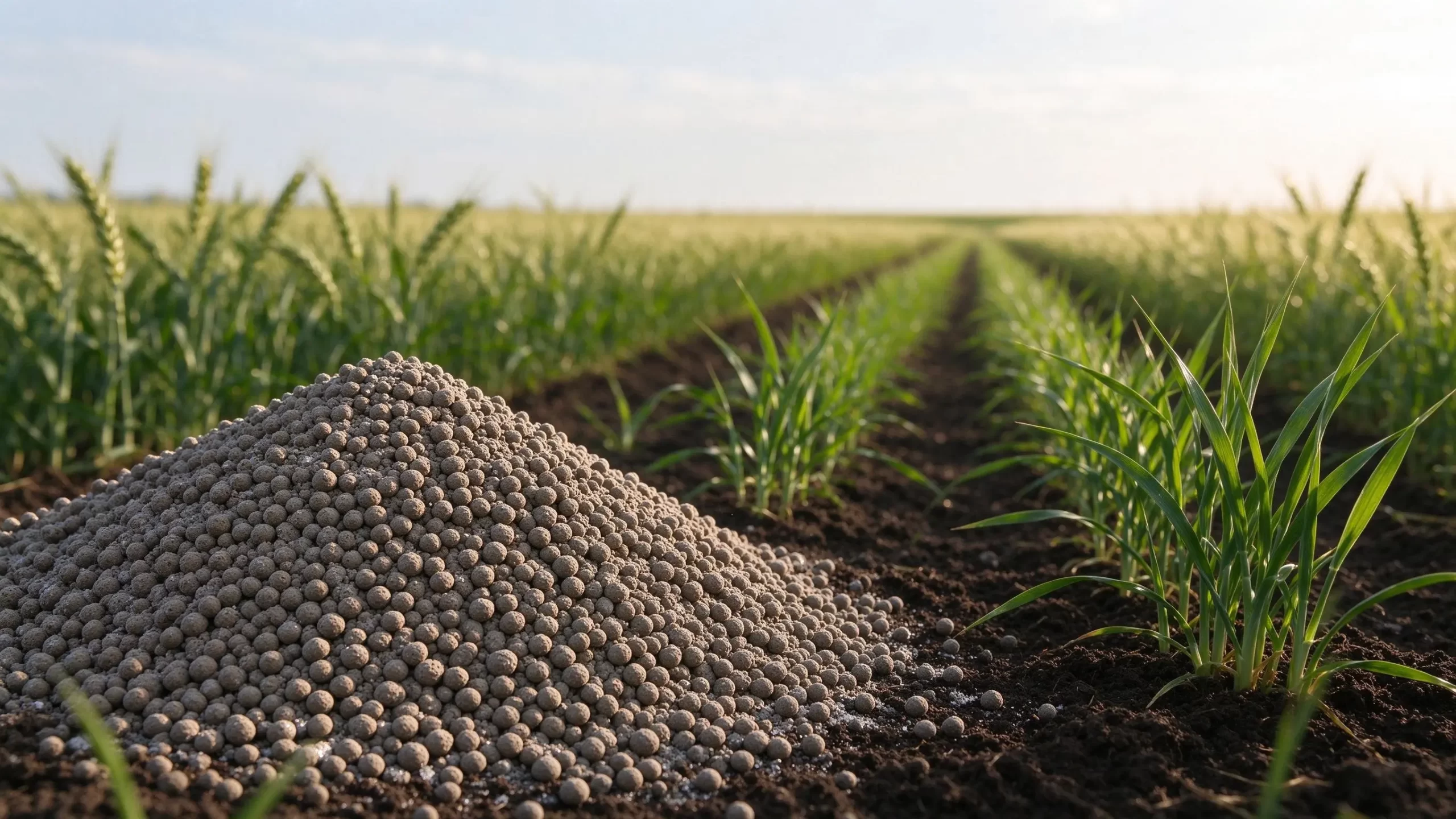
SSP fertilizer for wheat and crops is not a product you buy by name; it is a specification you enforce. The 16% P2O5 figure on the label tells you half the story — what matters is how much of that phosphorus is water-soluble, how much sulfur and calcium the bag actually carries, and whether the free-acid and moisture levels will survive shipping and storage.
This guide is written for fertilizer buyers, importers and formulators who already know the agronomy and now need to protect the purchasing decision. Read it as a checklist: everything below is something you should be able to demand in writing from your supplier, not something you take on trust.
The risk here is not paying too much per bag. The real risk is signing a 20-foot container on price per tonne, then discovering the granules crumble in the hold, the free acid corrodes the sacks, and the sulfur content your wheat rotation actually depends on was never specified at all.
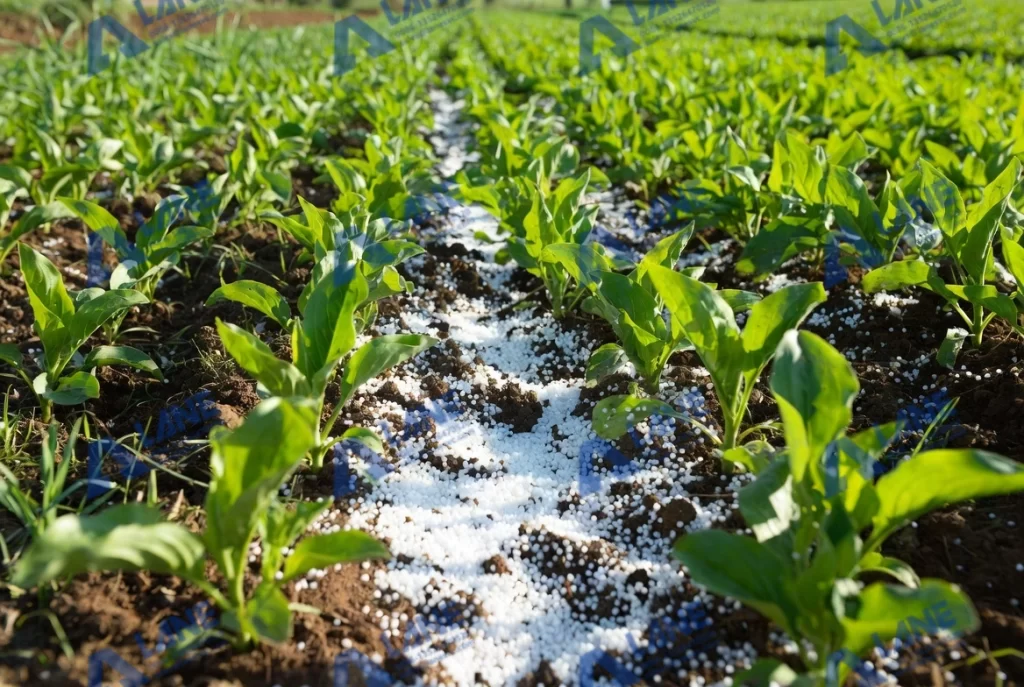
What spec sheet actually defines the SSP grade?
Every supplier can print “16% SSP” on a quotation. Buyers should treat that as a marketing label and ask for the full grade sheet instead. The numbers below are the commercial benchmark for standard agricultural SSP; if a supplier cannot put them in a proforma invoice with batch-level certificates, that gap itself is your answer.
| Parameter | Typical spec | Why buyers care |
|---|---|---|
| Total P2O5 | ≥ 16% (min) | The headline number; enforce a 15.5% contract floor with rejection rights. |
| Water-soluble P2O5 | ≥ 14.5% | Guarantees the phosphorus is plant-available in the first season, not locked up. |
| Sulfur (sulfate-S) | 11–12% | The reason SSP keeps winning on sulfur-hungry wheat and oilseed rotations. |
| Calcium (Ca) | 18–21% | Adds a gentle liming effect on acid soils that DAP and TSP cannot offer. |
| Free acid (as P2O5) | ≤ 4% | Controls bag corrosion, caking and handling irritation during long voyages. |
| Moisture | ≤ 5% | Keeps 2–4 mm granules free-flowing through spreaders after months in storage. |
| Granule size | 2–4 mm | Mechanical spreaders need narrow size distribution, not dust mixed with lumps. |
Note that water-soluble P2O5, not total P2O5, is the agronomic number. A cheap batch that hits 16% total but only 12% soluble is effectively a weaker product — and at bag weight prices, you have just paid for filler. For the plant-side reasoning behind these values, our explainer on whether single superphosphate is good for plants covers the crop physiology in plain terms.
SSP vs TSP vs DAP: why buyers still choose SSP for wheat
The common mistake is comparing price per tonne. The correct comparison is cost per unit of the nutrients your wheat actually needs — phosphorus, sulfur and, on acid soils, calcium. SSP is the only one of the three that delivers all three in one granule.
| SSP (16% P2O5) | TSP (46% P2O5) | DAP (46% P2O5) | |
|---|---|---|---|
| P2O5 concentration | Low | High | High |
| Sulfur | 11–12% sulfate-S | Essentially none | ~1% S |
| Calcium | 18–21% | ~12–14% Ca | None |
| Soil reaction | Near neutral to slightly acid | Mildly acidifying | Alkaline on granule surface |
| Volume per unit P | ~2.9x the tonnage of TSP/DAP | 1x baseline | 1x baseline |
| Best fit | Wheat rotations needing P + S + Ca | P-only, long-haul logistics | High-P starter on suitable soils |
Do the math once: to deliver the same 46 kg of P2O5, you move roughly 2.9 tonnes of SSP against one tonne of TSP or DAP (46 / 16 = 2.9). On a long ocean freight lane that is a real cost. But if your wheat crop is also short on sulfur — and most intensively farmed wheat soils now are — the sulfate-S embedded in SSP arrives free of a separate sulfur product, separate spreading pass and separate documentation. Buyers who run the full landed-cost equation, not just FOB price, usually land back on SSP. If you are still weighing the trade-off, the detailed SSP vs DAP comparison walks through the fertiliser-grade argument end to end.
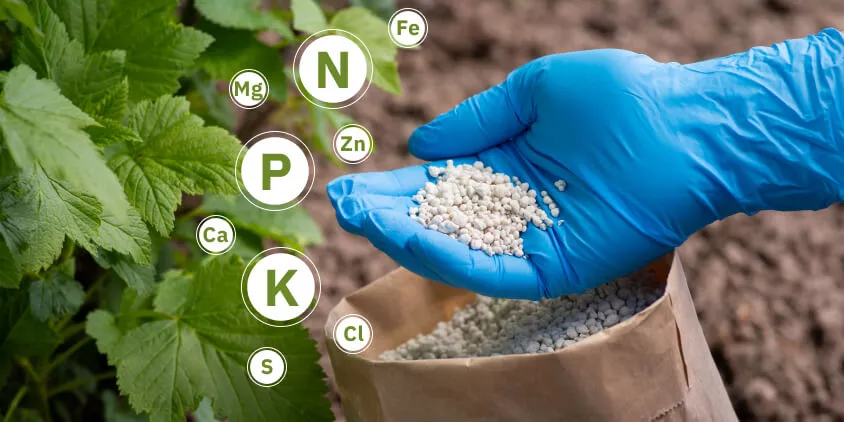
The phosphorus and sulfur math for wheat
Wheat takes up phosphorus early — tillering and stem elongation are the windows that matter. Typical planning ranges used in production guidelines are 20-60 kg of P2O5 per hectare and 10-30 kg of sulfur per hectare, adjusted by a local soil test.
We will not pretend one dose fits every field: the UC Davis wheat fertiliser guidelines are explicit that the correct rate is set by soil test and target yield, and any supplier quoting a blanket rate without asking about your soil report is selling, not advising.
Translated into SSP tonnage, the same ranges mean roughly 1.25-3.75 tonnes of 16% SSP per hectare per season for phosphorus, with the sulfur need covered inside that same granule.
That is the practical argument for importers in Southeast Asia, Central Asia and Eastern Europe who serve wheat belts: one product, one application pass, two documented nutrients. It is also why granulated, free-flowing SSP — not powder — is what mechanical spreader fleets actually want.
The hidden cost nobody quotes: curing, moisture and free acid
SSP is made by reacting rock phosphate with sulfuric acid. Freshly produced SSP is chemically active and acidic; it needs a curing period in a dry, ventilated stack — typically several weeks — before it can be bagged and shipped. A supplier who can load next week has either rushed the cure or is drawing down finished inventory. Both matter to you.
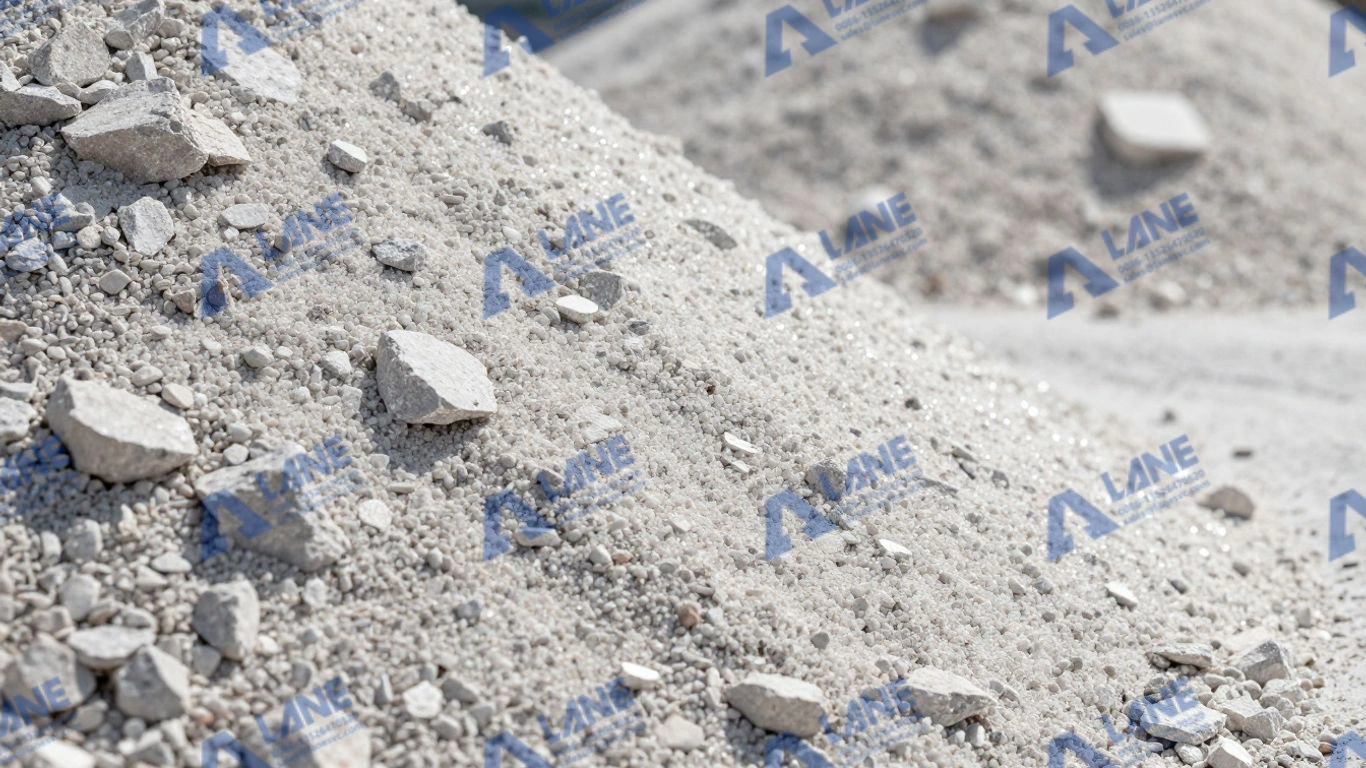
Under-cured SSP keeps reacting inside the bag: free acid creeps up, moisture rises, granules soften and sacks corrode. By the time your container reaches an inland distributor, the product may be caked.
The fix in your sourcing process is simple — demand a finished-product spec, a curing/storage description in the factory audit, and batch certificates showing free acid at <= 4% and moisture at <= 5% at the moment of bagging. Warehousing pictures in the quotation PDF are not evidence; signed QC records are.
Cadmium limits: what EU buyers must enforce
For shipments into the European Union, cadmium in phosphate fertilisers is no longer a discussion point — it is regulated. Under Regulation (EU) 2019/1009, fertilising products placed on the EU market must respect the cadmium limit of 60 mg per kg of P2O5, with a tighter limit phased in later.
Because SSP is made from rock phosphate, its cadmium signature follows the ore: origin of rock, processing route and the supplier’s blending policy all change the number.
Practical advice: ask for a cadmium test per consignment before you book the vessel, not after customs. A single generic “within limits” statement on a five-year-old certificate is not enough for borderline lanes. Buyers serving EU distributors should treat this as a contract clause, with the lab report attached to the bill of lading package.
What an RFQ for SSP should actually demand
A serious RFQ for SSP fertiliser should read more like a technical specification than a price request. If your supplier answers only with a price per tonne, you are filtering out the vendors who can actually hold grade. Demand the following in the reply:
- Full grade sheet: total P2O5, water-soluble P2O5, sulfate-S, Ca, free acid, moisture, granule distribution.
- Origin of phosphate rock and the cadmium/heavy-metal test method (with the lab and report date).
- Curing and warehouse process: how long product is cured before bagging, and storage conditions.
- Bagging spec: woven bag weight (typically 50 kg), palletisation, and per-batch sampling certificate.
- Production-line photos or a short video of the granulation and drying section — not stock catalogues.
- Lead time from finished stock versus new production, and the QC point where free acid/moisture is re-tested.
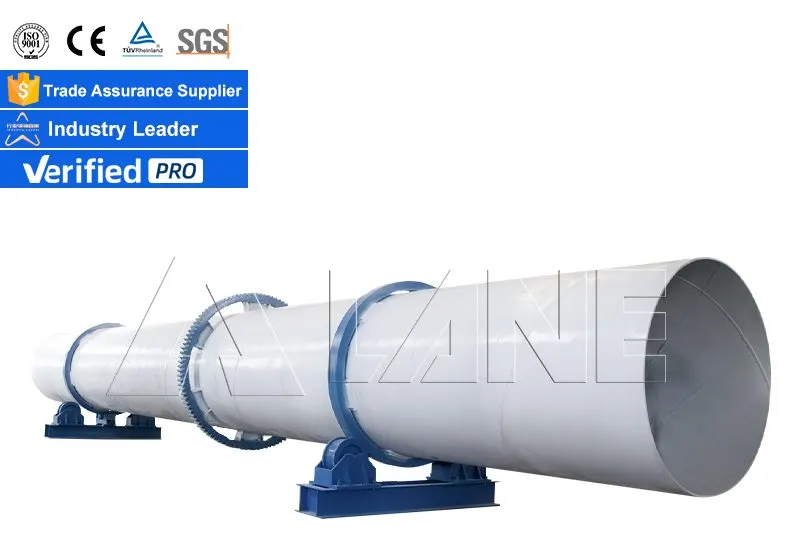
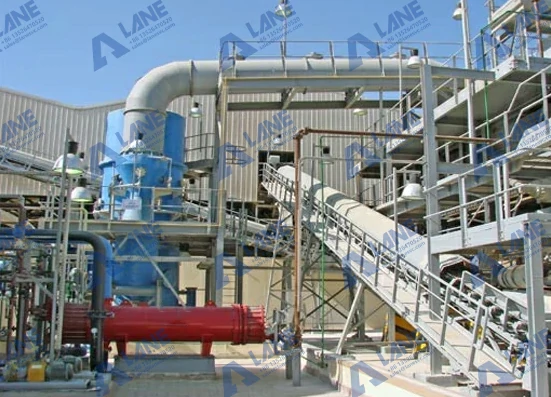
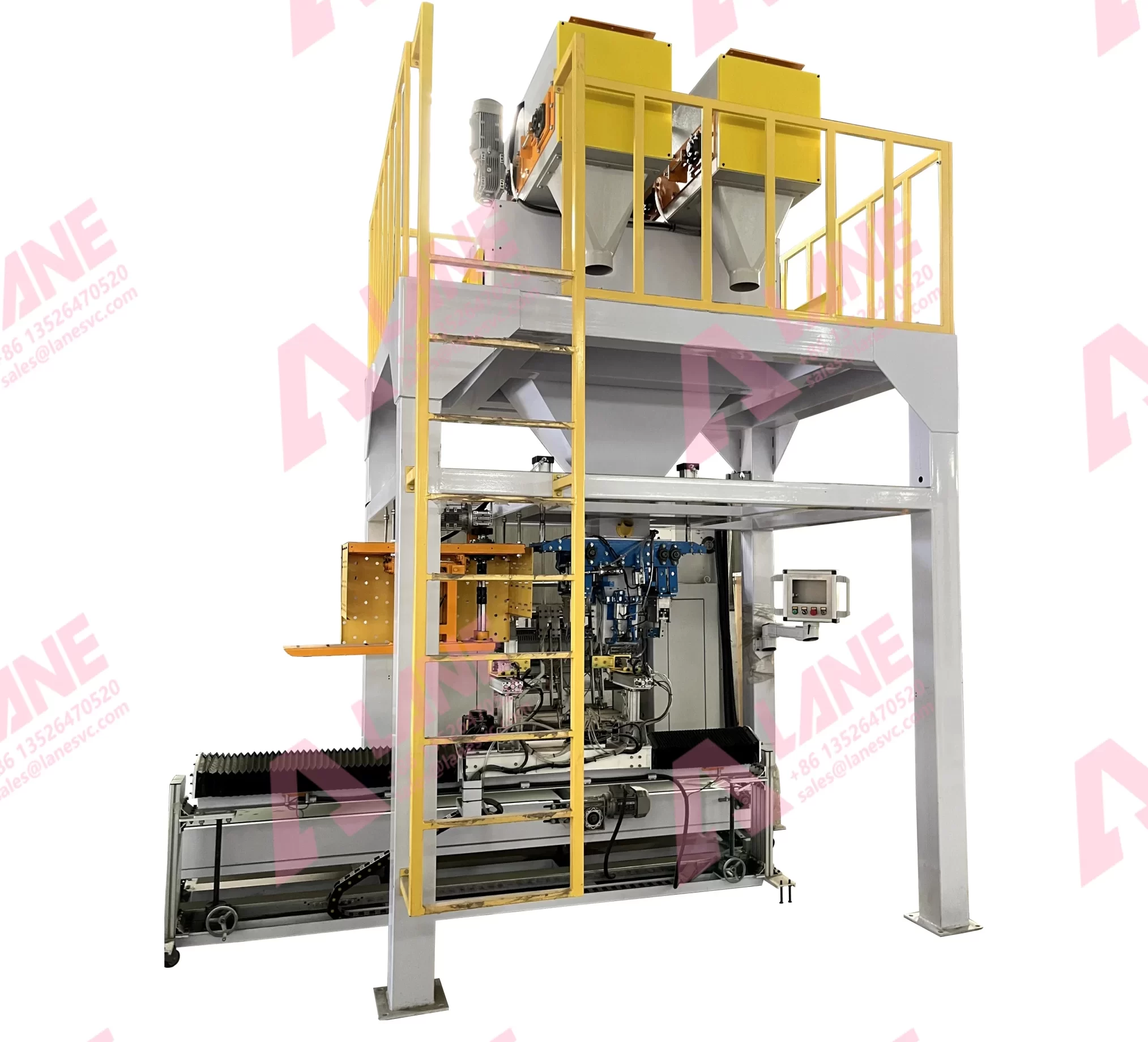
If you are also evaluating the equipment side — building or expanding your own SSP line — our SSP production line overview covers the granulation, drying, cooling and bagging configuration end to end.
FAQ: SSP for wheat and crops
Q: Is single superphosphate good for wheat?
A: Yes, for wheat rotations that need phosphorus alongside sulfur and calcium. At ~16% P2O5 plus 11-12% sulfate-S and 18-21% Ca, granulated SSP is a standard choice for wheat, provided your soil test confirms the crop actually responds to these nutrients.
Q: How much SSP do I apply per hectare of wheat?
A: Plan from the soil test: typical ranges are 20-60 kg P2O5/ha and 10-30 kg S/ha, which translates to roughly 1.25-3.75 tonnes of 16% SSP per hectare per season. Treat these as planning numbers, not a universal rate.
Q: Why does SSP look cheaper per bag than DAP but require more tonnes?
A: Because SSP is lower-analysis: ~16% P2O5 versus ~46%. To deliver the same phosphorus you move about 2.9x the tonnage. The case for SSP is the bundled sulfur and calcium, not headline price per tonne.
Q: Does SSP acidify the soil?
A: It is near-neutral to mildly acidic in effect, and the embedded calcium adds a gentle liming contribution. It is far gentler on soil pH than ammonium-based high-P products, which is part of why it stays popular on sensitive wheat soils.
Q: What cadmium limit must I enforce for EU shipments?
A: Under Regulation (EU) 2019/1009 the limit is 60 mg of cadmium per kg of P2O5 (with tighter limits phased in). Require a per-consignment lab report attached to the shipping documents.
Q: Granulated or powdered SSP?
A: For wheat belts served by mechanical spreader fleets, choose granulated 2-4 mm SSP: it flows cleanly, stays free-running in storage and spreads evenly. Powder is cheaper per tonne but loses those handling advantages.
Q: How long can bagged SSP be stored?
A: Finished, cured SSP stores well in dry, ventilated conditions for many months. The enemies are moisture ingress and heat; under-cured product will cake and corrode sacks, which is why you verify curing and free-acid levels at bagging.
Q: What should I ask for in the RFQ if I only have a price quote?
A: Ask for the missing half: the full grade sheet (especially water-soluble P2O5, free acid and moisture), the rock origin and cadmium test, the curing process, per-batch certificates, and production-line evidence. That reply tells you more than the price ever will.
The buyer’s bottom line
Three things decide a good SSP purchase: first, enforce the grade in writing — water-soluble P2O5, free acid and moisture, not just the 16% label;
second, compare landed cost per unit of P + S + Ca, because SSP wins on the bundled nutrients, not on price per bag;
third, treat curing, storage and per-batch QC certificates as procurement risks, not factory details.
Get those three right and SSP remains one of the most defensible phosphorus choices on a wheat rotation.
If you are sourcing SSP for wheat and crops — or evaluating an SSP production line for your own plant — send us your target grade, monthly tonnage and destination port.
We will come back with the grade sheet, the RFQ checklist and a realistic lead time, not just a number.
Contact: sales@lanesvc.com | +86 13526470520