Is Single Superphosphate Good for Plants? A Buyer’s Guide
- 2026-10-22
Is single superphosphate good for plants? The honest answer is that it depends, and the people who answer with a flat yes or no have usually not read a soil test.
Single superphosphate delivers phosphorus, calcium and sulfur in one bag, and for crops on alkaline or phosphorus- and sulfur-hungry soils it can be the most economical phosphate you will buy.
This guide is for agronomists, distributors and farm buyers who want to know when is single superphosphate good for plants and when it is the wrong tool—before they spend on a higher-analysis product they may not need.
What Makes Single Superphosphate Different
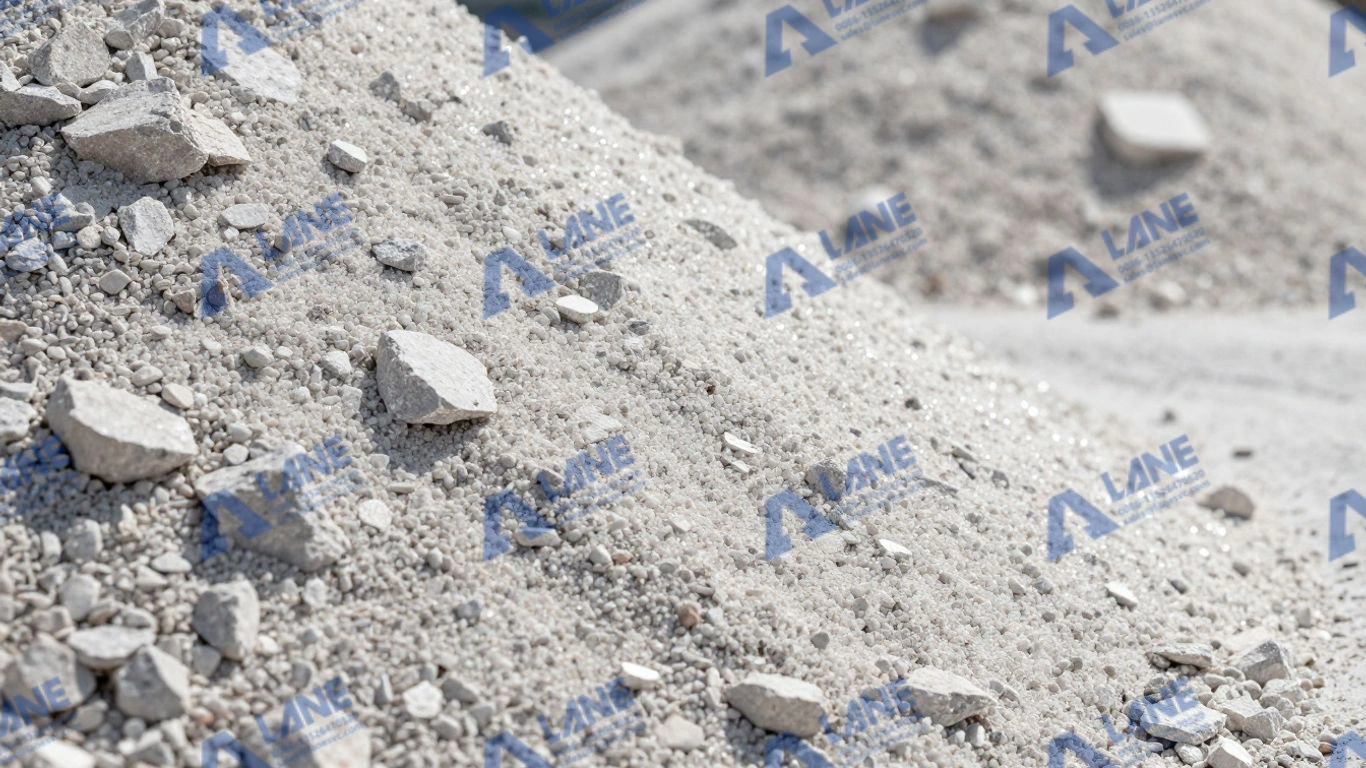
Single superphosphate is made by reacting phosphate rock with sulfuric acid. The result is a mix of monocalcium phosphate and gypsum, which is why it carries around 7 to 9 percent phosphorus by weight alongside calcium and sulfur.
That gypsum content is the point most people miss: it is not filler, it is a slow supply of sulfur and calcium. Whether is single superphosphate good for plants hinges on whether your soil and crop actually want those three elements together.
Is Single Superphosphate Good for Plants?
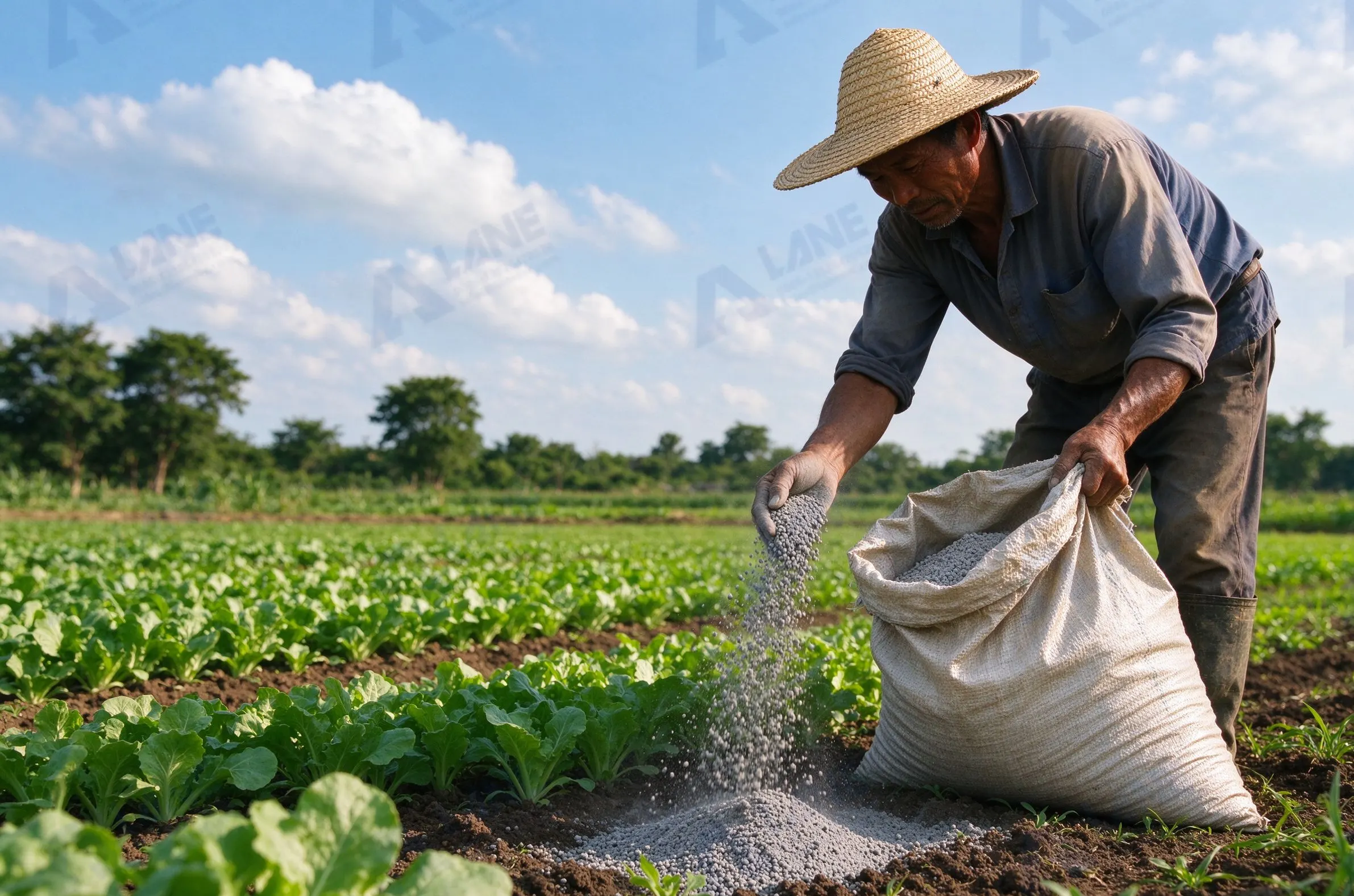
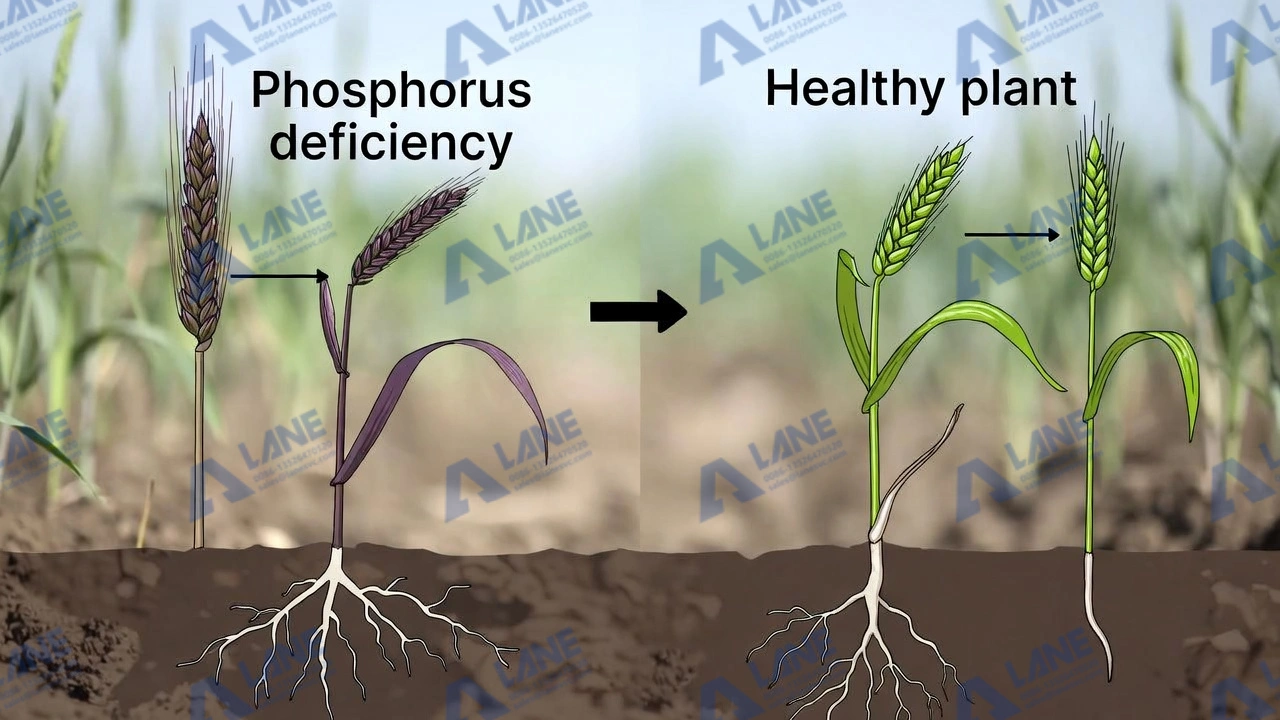
Yes, for the right field. Phosphorus drives root growth, flowering and fruit set, and SSP supplies it in a form that works on slightly alkaline soils where other phosphates bind up.The sulfur and calcium matter for crops such as oilseeds, onions, garlic and legumes.
On already acidic soils, however, the acidifying effect can work against you, and a field needing a large amount of phosphorus per hectare is better served by a higher-analysis product.
So is single superphosphate good for plants? It is good when the soil test points to phosphorus, calcium and sulfur together—and that is more often than the marketing suggests.
Key Advantages of SSP
A practical list of why is single superphosphate good for plants in the field: it supplies three nutrients in one application;
it is cheaper per unit of phosphate than most alternatives; it is gentle on young seedlings when banded; and it helps balance pH on alkaline ground.
These advantages hold when rates are set by a soil test, which is the discipline too many buyers skip.
SSP vs Other Phosphate Fertilizers
Compare SSP with TSP, DAP and MAP. TSP packs roughly double the phosphorus, so it wins where haulage and application cost dominate.
DAP adds nitrogen but no sulfur. SSP gives lower phosphorus with built-in calcium and sulfur, at the lowest price per bag.
For a cash-conscious buyer on sulfur-deficient soil, is single superphosphate good for plants?Often yes, because the phosphorus you seem to give up is offset by the sulfur you would otherwise buy separately.
Where SSP Applies
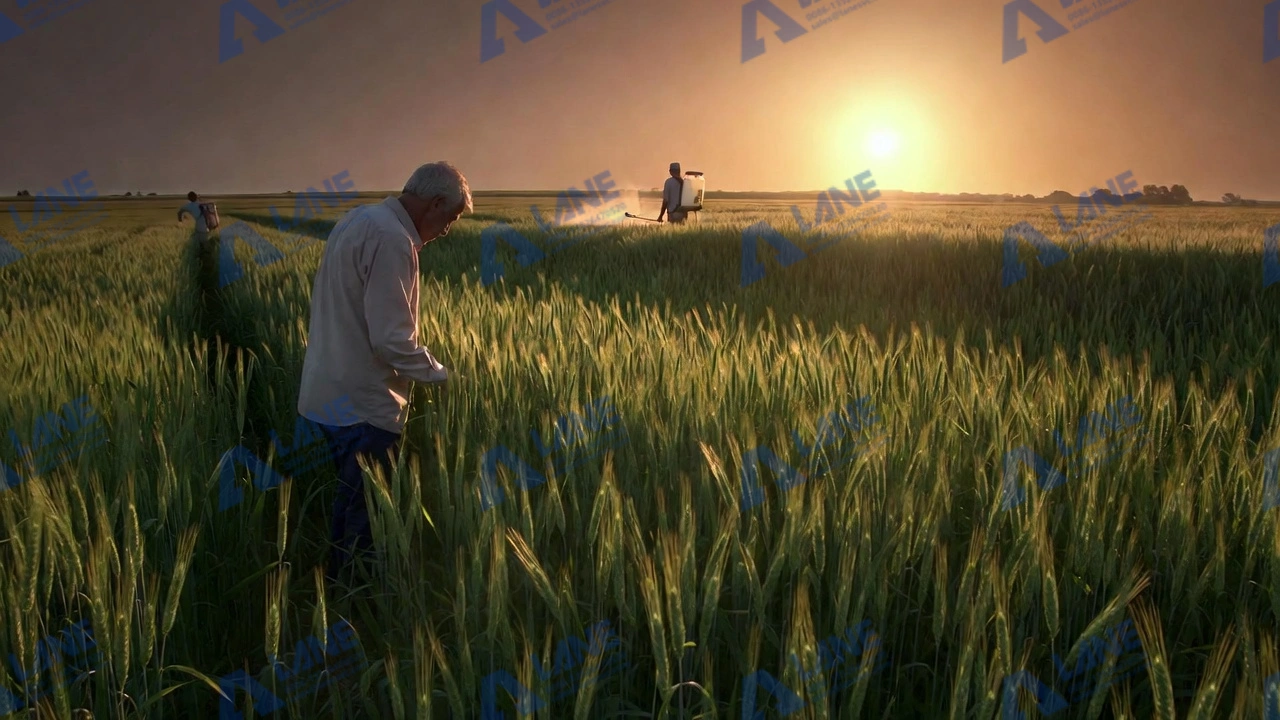
Use SSP as a basal or banded application before planting on cereals, oilseeds, pulses and vegetables, especially where soil tests show low phosphorus or sulfur.
It suits organic and conventional systems alike and blends well with nitrogen and potassium. Avoid it as the main source on very acidic soils or where the crop needs very high phosphorus per hectare; there, a higher-analysis phosphate makes better economic sense.
Key Parameters to Judge
|
Parameter |
What to check | Typical SSP value |
| Phosphorus (P) | Available P content |
7–9% P (16–20% P2O5) |
|
Calcium (Ca) |
Total calcium with gypsum | About 20% |
| Sulfur (S) | Sulfate sulfur |
11–12% |
|
Acidity |
pH effect on soil |
Mildly acidifying |
When buyers ask is single superphosphate good for plants, the answer is in these numbers.
Check the available phosphorus figure, the sulfur content and how the product behaves in your soil pH before you order.
Common Mistakes Buyers Make
The biggest mistake is dismissing SSP because its phosphorus content looks low next to TSP. On sulfur-hungry soil that is a false economy: you pay again for a separate sulfur source.
The second mistake is applying SSP to already acidic fields without liming, which compounds the problem. Read the soil test first, and the question is single superphosphate good for plants answers itself.
How to Evaluate a Supplier
Ask for a stated available phosphorus guarantee, the sulfur and calcium content, granule size distribution, and a moisture spec that will not block your spreader. Reference a plant working with similar rock and soil conditions. A supplier that quotes only quality without numbers is telling you they cannot prove it—treat that as a signal.

FAQ
Is single superphosphate good for plants compared with DAP?
For crops and soils needing sulfur and calcium, yes. DAP brings nitrogen; SSP brings calcium and sulfur at lower cost. Match the bag to the missing nutrient.
Can I use SSP on all crops?
No. Use it where there is a real phosphorus, calcium or sulfur demand, and check soil pH first; it is not a universal phosphate.
Does SSP acidify soil?
Mildly. That is an advantage on alkaline soils and a caution on acidic ones, where lime may be needed.
How should I apply SSP?
Band or broadcast it at planting as a basal dose. Rates follow the soil test, not the bag.
What phosphorus content should I expect?
Around 7 to 9 percent phosphorus (16–20 percent P2O5) as available phosphate, with calcium and sulfur alongside.
For most mixed farming systems the answer to is single superphosphate good for plants is a qualified yes: yes when the soil test confirms phosphorus, calcium and sulfur needs, yes when you want the lowest-cost phosphate, and yes on alkaline ground.
When it is wrong—very acidic soil or very high phosphorus demand—say so and choose a higher-analysis product. Buy on numbers: available phosphorus, sulfur, calcium, granule size and a supplier guarantee.
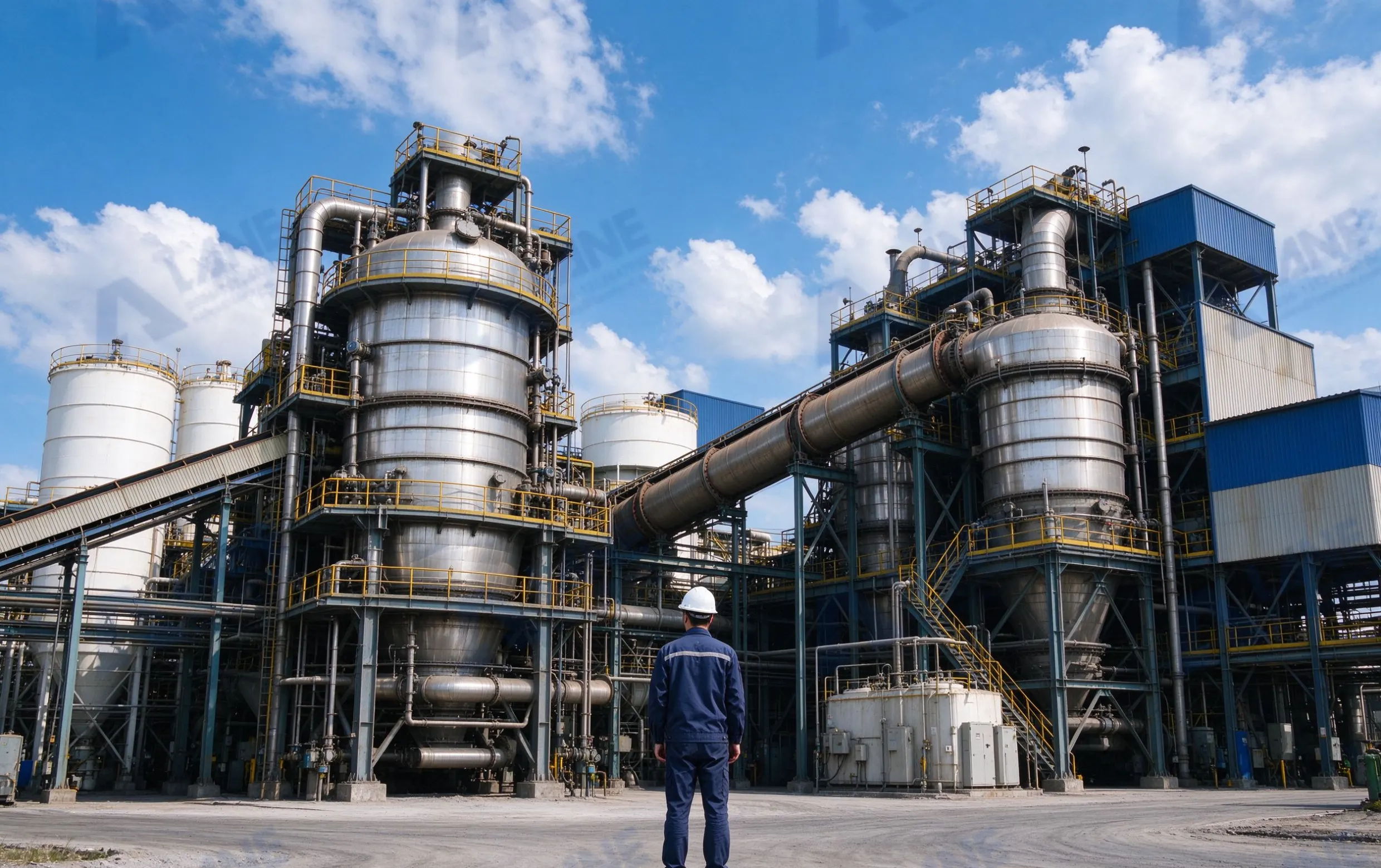
LANE builds SSP and TSP production lines and supplies SSP fertilizer tailored to regional soils. Send your soil test and target crop to sales@lanesvc.com for a recommendation and equipment list.