Reduce Dust in SSP Production: A Plant Buyer’s Guide
- 2026-10-21
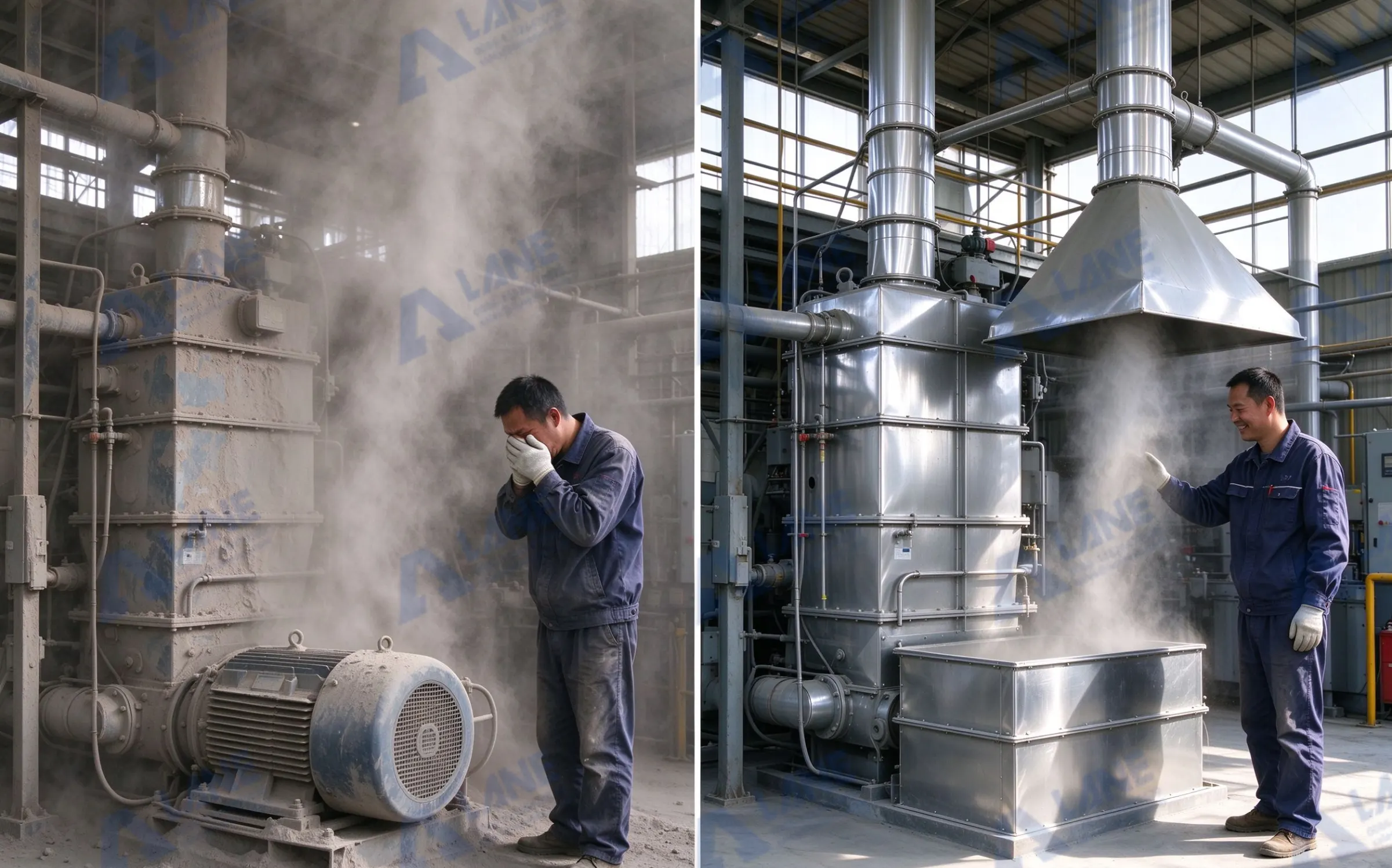
Dust is the quiet cost in any single superphosphate plant. It settles on workers, drifts toward neighbors, coats bearings and motors, and carries valuable finished fertilizer out of the building.
When you reduce dust in SSP production, you are not just cleaning the air; you are protecting your crew, passing inspections more easily, and keeping more of your product in the bag.
This guide looks at where the dust comes from across an SSP line and the practical methods that stop it, based on the equipment LANE designs for rock grinding, reaction, granulation, drying, screening and packing.
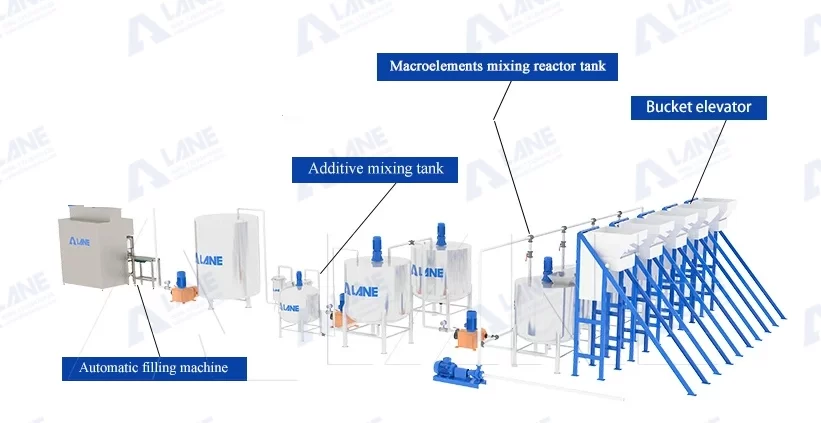
The good news is that most of this dust is avoidable.
It comes from a few predictable points, and the methods to reduce dust in SSP production are well proven. Once you know where the points are, the fixes are usually straightforward.
Below we cover the payoff, the key parameters, the points along the line, and the questions plant buyers ask most.
Key Advantages of Dust Control in SSP Production
The most obvious gain is a safer workplace. SSP dust is fine, dry and persistent, and heavy exposure bothers the lungs and skin. When you reduce dust in SSP production, you lower that exposure and make the plant a place people are willing to keep working.
The second gain is compliance. More fertilizer plants now operate under dust and emission limits, and when you reduce dust in SSP production you make permitting and audits far easier. A line that visibly stays cleaner answers inspectors before they ask.
Dust control also protects the equipment itself. Fines work their way into gearboxes, seals and bearings and wear them out faster. A plant that keeps dust under control costs less to maintain and breaks down less often.
And there is the product loss. Every gram of dust that leaves the stack is fertilizer you already paid to make. Recovering it with a cyclone or a bag filter pays for itself quickly. 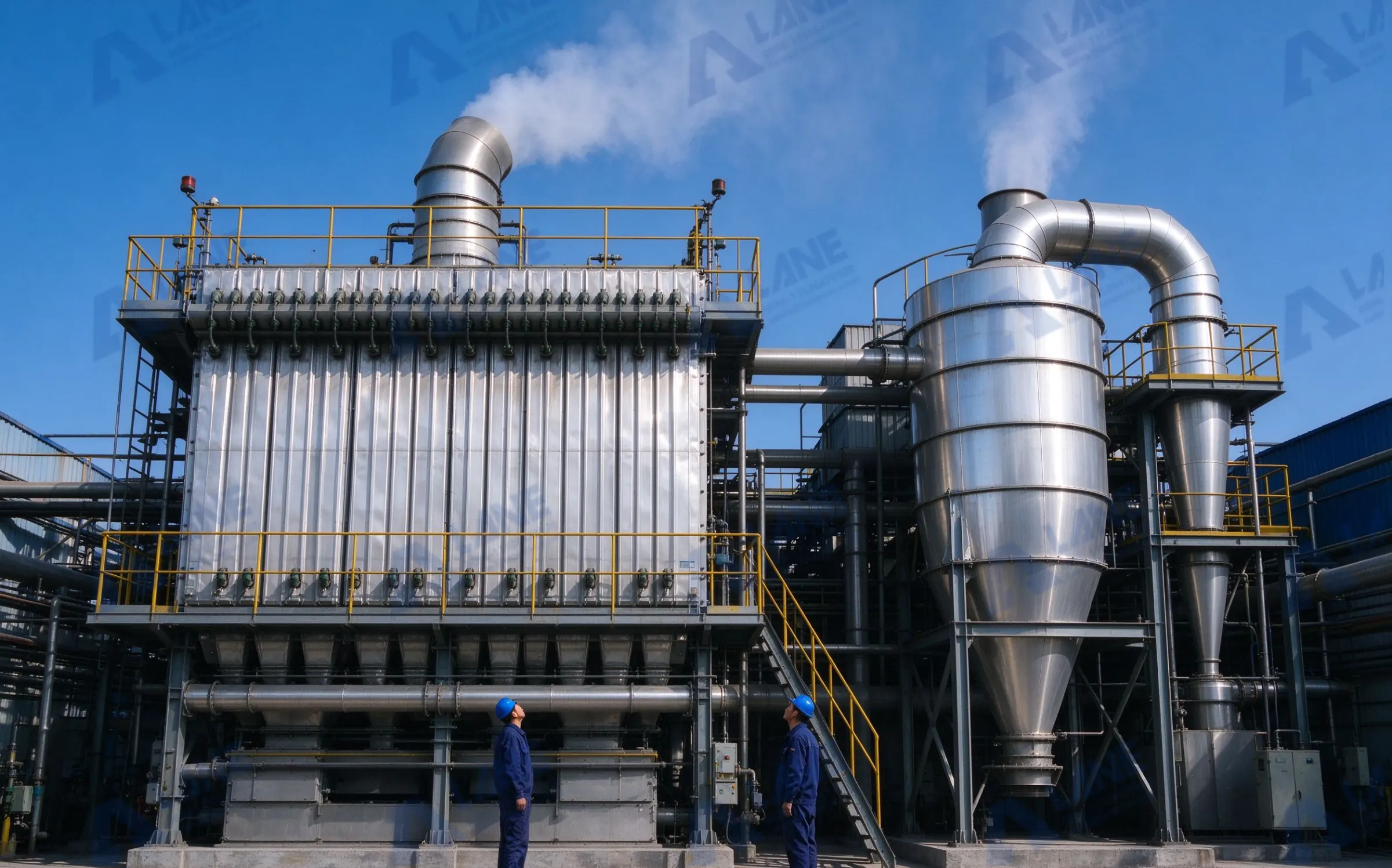
Key Parameters for Dust Control
The parameters that matter are the ones that tell you where dust is moving and how much. To reduce dust in SSP production you start at the driest points, because dry fines are the easiest to carry into the air.
The table below lists the main sources on a typical SSP line and the control method we usually pair with each.
|
Dust Source |
Typical Control Method |
| Rock grinding and milling |
Airtight milling plus local extraction |
|
Reactor and mixing |
Sealed vessels with ventilation |
| Dryer outlet |
Cyclone plus bag filter |
|
Screening |
Enclosed screen with suction hoods |
| Conveying transfer points |
Sealed chutes and belt covers |
|
Packing and weighing |
Dust hood with bag filter on the hopper |
Moisture is the cheapest lever you have. Keeping the material slightly damp at transfer points stops a lot of dust before it ever becomes airborne, and it costs almost nothing compared with buying a bigger filter.
Airflow is the second lever. A negative-pressure hood at each dusty point pulls fines into a cyclone or bag filter instead of letting them escape into the building.
LANE supplies these units as part of a complete SSP production line, or as a retrofit when an existing plant needs to reduce dust in SSP production.
Where Dust Control Methods Fit in the SSP Line
Each stage of the SSP line produces dust differently. Rock grinding and milling are the driest and dustiest stages, so the first place to reduce dust in SSP production is at the mill, with airtight equipment and a local extraction point.
Reaction and curing are wetter, but fumes and fine particles still escape at seals and vents, so you still need to reduce dust in SSP production there with sealed vessels and good ventilation.
The dryer outlet is where hot, dry fines get carried by the exhaust. A cyclone recovers the coarse fraction, and a bag filter catches the fine dust before it reaches the stack.
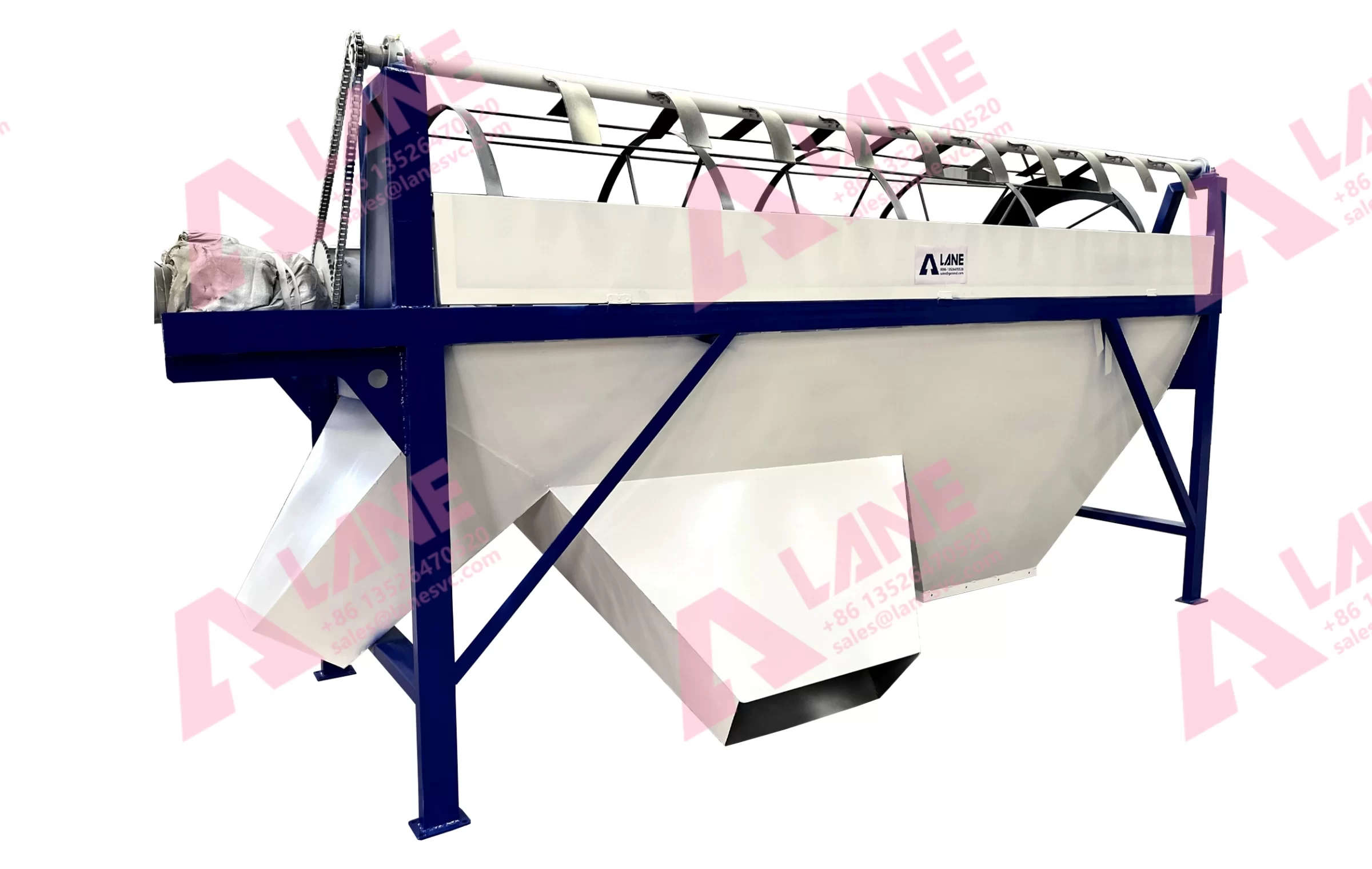
Screening, conveying and packing are the last sources. Enclosed screens, sealed chutes, belt covers and a hooded packing line all help reduce dust in SSP production at the end of the line.
Frequently Asked Questions
Why is there so much dust in my SSP plant?
It usually comes from dry grinding, hot dryer exhaust and uncovered transfer points. If your goal is to reduce dust in SSP production, sealing those points and adding extraction removes most of it, without touching the reaction chemistry.
Will a cyclone and a bag filter stop the dust?
Together, yes. A cyclone removes the heavier fraction, and a bag filter catches the fine dust, so the exhaust leaving the stack is much cleaner and visible emissions drop sharply.
Can I retrofit dust control on an existing line?
Yes. LANE can add extraction, cyclones and filters to a working plant without rebuilding the whole line, which keeps the downtime short.
Does LANE supply complete SSP dust control equipment?
Yes. LANE supplies individual dust control units and complete SSP production lines, with overseas installation, commissioning and a five-year warranty on the equipment.
Reduce dust in SSP production is less about buying one big machine and more about covering the weak points systematically.
Seal the grinding and conveying, recover fines at the dryer, keep transfer points damp, and give every dusty stage a hood under negative pressure. Done that way, dust stops leaving the building, the site stays cleaner, and more of your product reaches the bag.
If you are building a new SSP plant or upgrading an existing one, LANE can help you choose the right dust control setup for your capacity.
Send them your throughput, layout and local emission rules, and you will get a proposal that fits your line and your budget.