Phosphate Fertilizer Manufacturing Machinery: Route First, Equipment Second
- 2026-11-16
The machinery list is not the starting point. It is the output of three decisions: what rock you can buy, what product you can sell, and whether you have acid.
Get those wrong and the equipment still arrives. It just arrives as the wrong plant.
What the machinery actually has to do
Phosphate fertilizer manufacturing machinery covers four jobs: make the rock reactive, make it soluble, make it handleable, and make it consistent.
Reactive means fine enough. Soluble means reacted with acid or ammoniated. Handleable means granulated, dried, and cooled. Consistent means screened, coated, and blended to a declared analysis.
Every machine in the plant belongs to one of those jobs. A quotation that lists machines without mapping them to those four jobs is a catalog, not a design.
The rock decides the front end
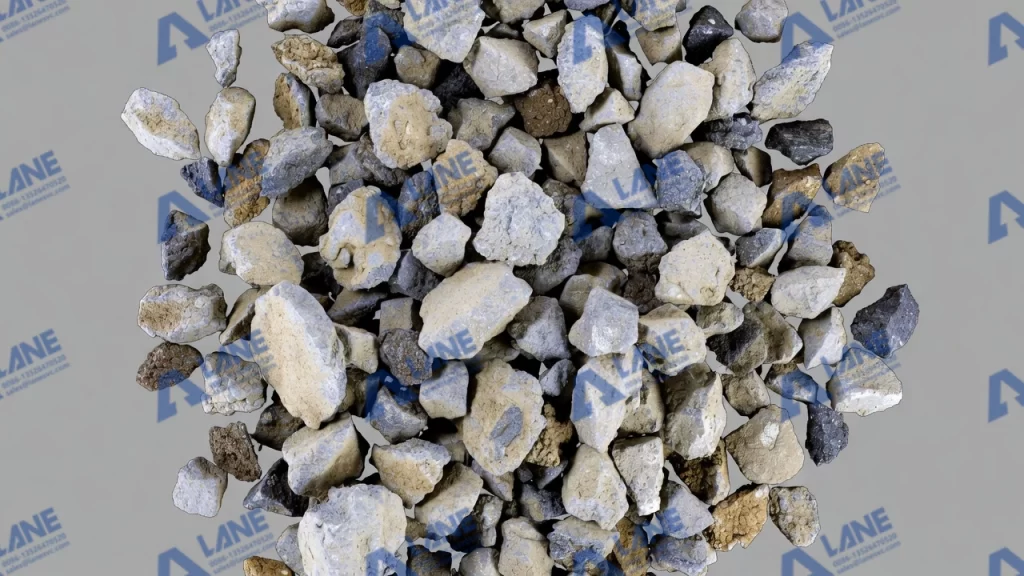
Phosphate rock is not a commodity with one specification. Grade, hardness, and impurities move the entire equipment list.
Sedimentary rock at 28 to 32 percent P2O5 is the common feed for single superphosphate. Higher grade, above roughly 30 percent with low impurities, suits triple superphosphate and phosphoric acid. Igneous rock is harder and less reactive, which changes grinding energy and reaction time.
Four impurities matter more than buyers expect:
- Silica increases grinding wear and reduces reaction efficiency.
- Carbonates consume acid and cause foaming in the reactor.
- Iron and aluminum raise the MER value and cut citrate solubility.
- Cadmium and other heavy metals decide whether the product can be sold in the EU at all.
A phosphate rock grinding mill sized on the wrong hardness will either run short or grind to a finer, more expensive powder than the reaction needs. Both are budget problems that show up after commissioning.
Four routes, four machinery sets
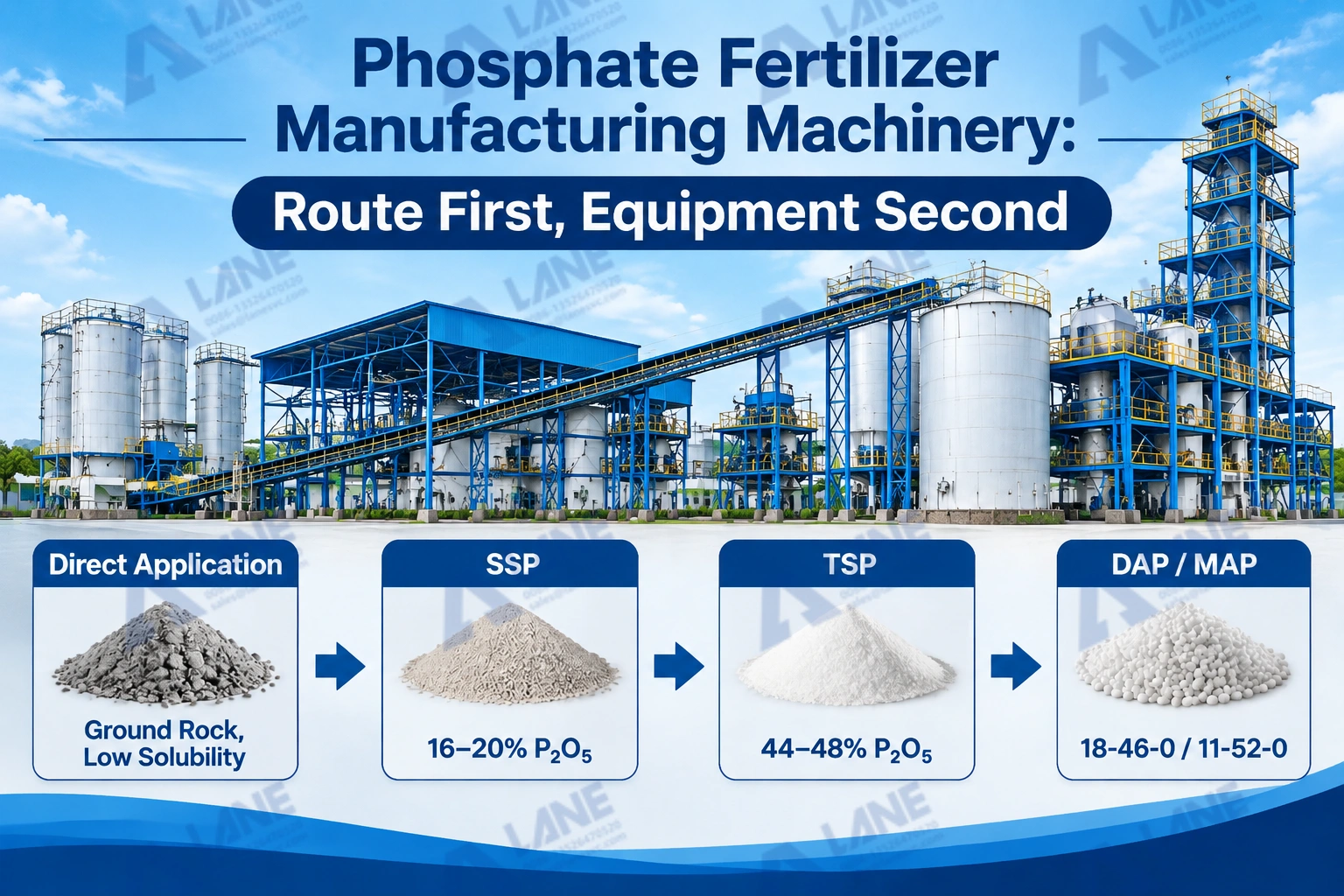
The route decides the machine list before any supplier is called. Phosphate fertilizer granulation is the step that decides whether the product ships in bulk or in bags.
| Route | Core Machinery | Product | Capital Intensity |
|---|---|---|---|
| Direct application | Crusher, phosphate rock grinding mill, screen | Ground rock, low solubility | Low |
| SSP | Grinder, acid system, mixer, den, curing, granulator, dryer | 16 to 20% P2O5 | Low to medium |
| TSP | Grinder, phosphoric acid system, mixer, granulator, dryer | 44 to 48% P2O5 | Medium, acid dependent |
| DAP / MAP | Acid and ammonia systems, pre-neutralizer, granulator, dryer, cooler, scrubber | 18-46-0 / 11-52-0 | High |
Direct application is a grinding business. SSP is an acidulation business with a granulation option. TSP is acidulation with a stronger acid. DAP and MAP are ammoniation plants with a large recycle loop.
The jump from SSP to DAP is not a bigger version of the same plant. It is a different plant with different hazards, different utilities, and a different permit file.
Crushing and the phosphate rock grinding mill
Crushing reduces run-of-mine rock to mill feed. A jaw crusher handles the coarse end; a hammer crusher or cage crusher takes it down to a few millimetres.
Grinding is where the money and the quality are set. The phosphate rock grinding mill and the dryer are the two largest power loads in the plant. A ball mill with an air classifier gives a controllable particle size at high tonnage. A Raymond mill or vertical roller mill suits finer product and lower capacity. The target for SSP is usually 80 to 100 mesh, with the finer fraction reacting faster and more completely.
Two numbers decide whether the phosphate rock grinding mill is specified correctly: tonnes per hour at the required fineness, and kWh per tonne at that fineness. A mill quoted on tonnage alone will often miss the fineness once the rock gets harder or wetter.
Over-grinding is a real cost. Every extra mesh adds power, wear, and dust load without a proportional gain in reaction rate.
Acidulation machinery for SSP and TSP
Acidulation needs a storage and dilution package before it needs a reactor.
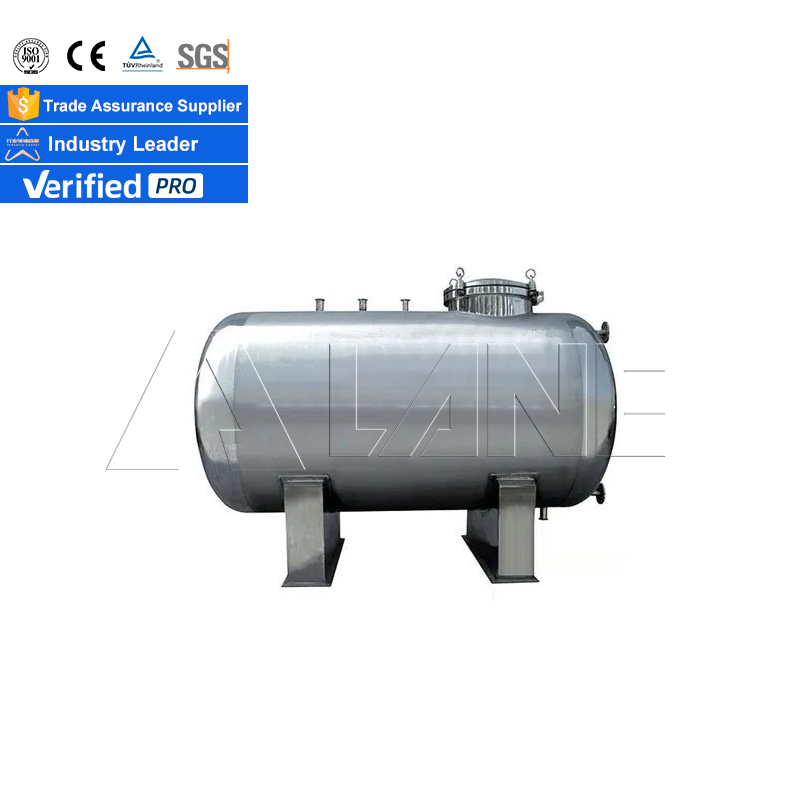
Sulfuric acid arrives at 93 to 98 percent and is diluted to roughly 68 to 72 percent. The dilution skid is exothermic, so it needs cooling, controlled water addition, and a temperature interlock. A sulfuric acid storage tank is a licensed chemical facility in most jurisdictions, not a tank on a plinth.
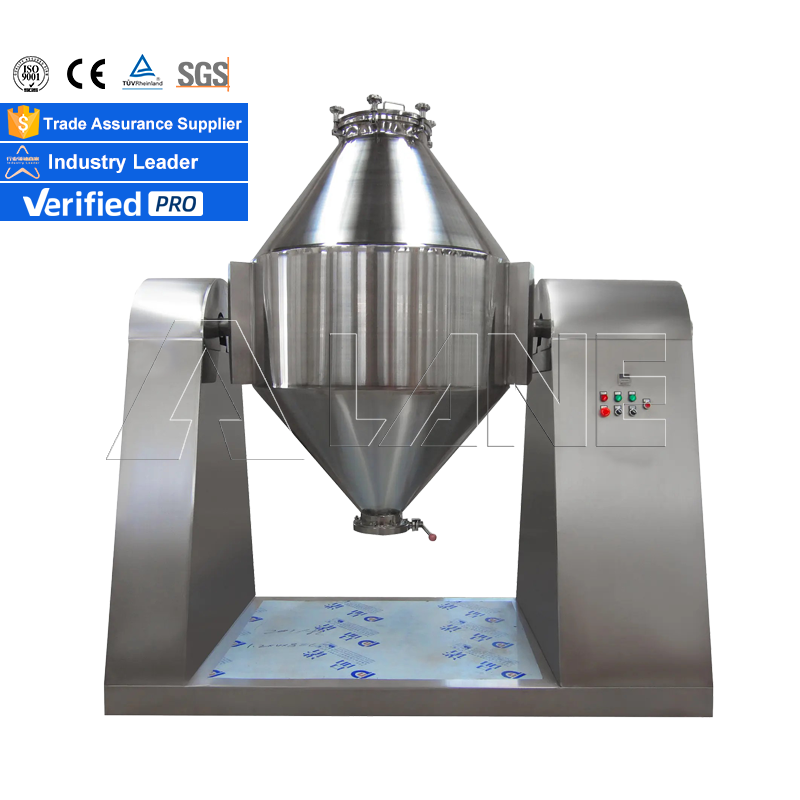
The reaction section is a mixer, usually a twin-shaft pug mill or a high-intensity reactor, followed by a den where the slurry sets. The den is sized on retention time, not on floor space. A continuous den quoted for a small plant is often a scaled-down copy of a large design that will not hold residence time.
TSP uses phosphoric acid instead of sulfuric. The equipment is similar in shape but the materials, the acid strength, and the reaction heat are different. A TSP line built with SSP materials will fail at the weak points within a season.
Dryer, cooler, screen: where capacity disappears
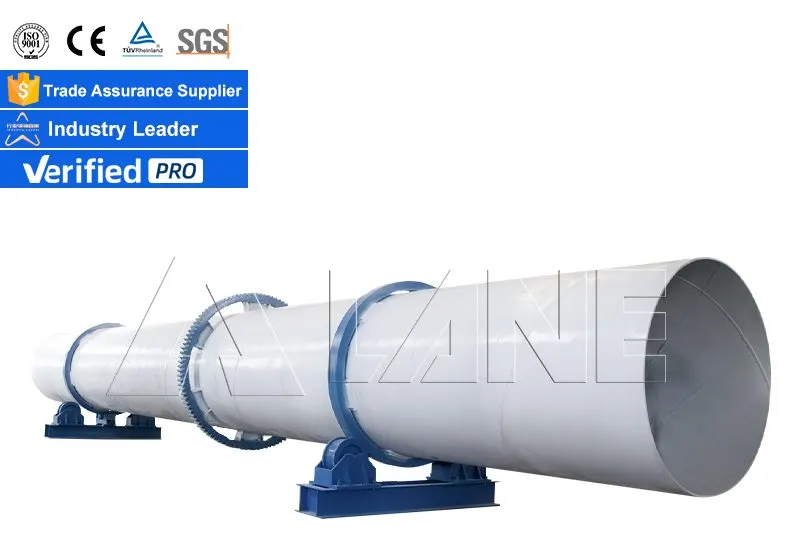
Everything upstream of phosphate fertilizer granulation decides how hard the dryer works. The rotary dryer is the largest energy consumer in most phosphate lines. It removes water from a slurry or a wet granule, and the exit moisture target is usually around 1 to 2 percent for DAP and MAP.
Three things routinely go wrong. The dryer is sized on product tonnage instead of total load. The air system is sized without the recycle dust load. The cooler is treated as optional, so the product bags warm and cakes in the warehouse.
Screening closes the loop. Oversize goes to a crusher and back to the granulator; fines go back as recycle; on-spec product goes to coating and bagging. The screen is not a quality control device at the end. It is a capacity device in the middle.
Utilities, permits, and the scrubber
Phosphate plants are judged by their utilities as much as their machines.
Power is dominated by grinding and, where present, the phosphoric acid plant. Water is needed for acid dilution, scrubbing, and cooling. Steam or fuel gas is needed for drying. Ammonia and acid storage are licensed facilities with their own setback and safety rules.
Emissions decide the permit. SSP and TSP release fluoride at the reactor, captured by a wet scrubber with a recirculating liquor loop. DAP and MAP release ammonia and particulate, captured by scrubbers and bag filters. The World Bank Group’s Environmental, Health, and Safety Guidelines for Fertilizer Production are a reasonable baseline for what a regulator will ask for.
Dust comes from crushing, grinding, drying, screening, and bagging. Bag filters at each transfer point cost less than the fines they recover and the complaints they generate.
In the United States, phosphate rock plants fall under 40 CFR Part 60 Subpart NN for particulate emissions. Elsewhere the permit language differs; the engineering answer does not.
Comparing suppliers
Every bidder for phosphate fertilizer manufacturing machinery should provide the same six documents: a process flow diagram with a mass balance, an equipment list with materials of construction and installed power, a utility consumption table, a storage and handling layout, an emissions and effluent summary, and a product analysis guarantee at a stated rock grade.
Ask how the supplier will prove phosphate fertilizer granulation performance at your rock grade. Then ask the question that separates an engineer from a reseller: what happens to the acid ratio and the recycle rate if the rock grade drops two points?
A real design answers with a ratio change, a neutralization adjustment, and a new dryer load. A reseller answers with a new price.
FAQ
What machinery is needed to make SSP fertilizer?
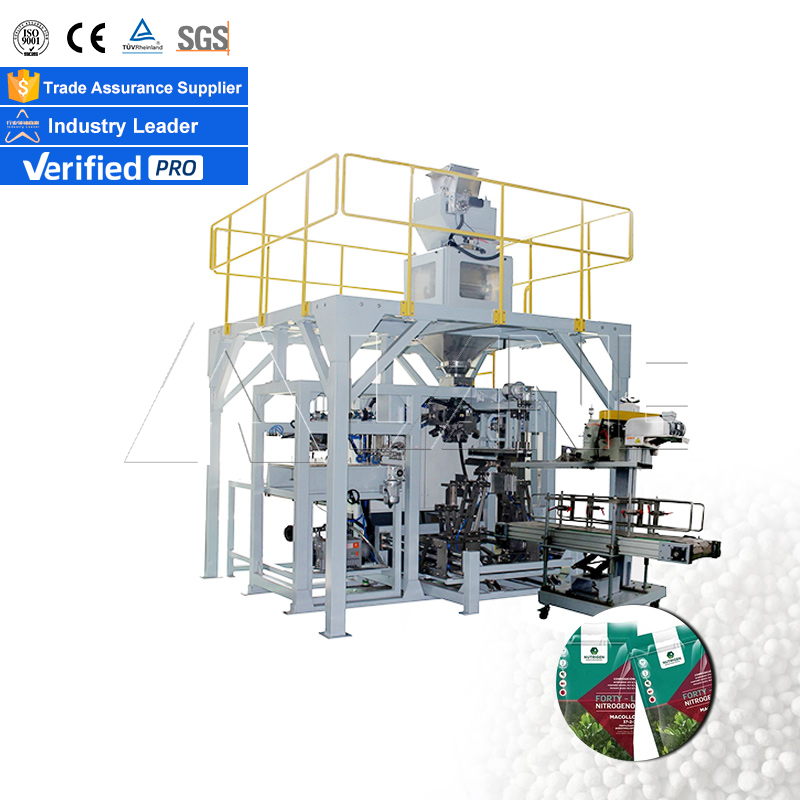
A rock crusher, a phosphate rock grinding mill, an acid storage and dilution skid, a mixer, a den, a curing bay, a crusher, a screen, and a bagging line. Add a granulator, dryer, and cooler for granular product.
What is the difference between DAP and MAP equipment?
Both use ammonia and phosphoric acid, but the ratios differ, and so do the pre-neutralizer, the recycle loop, and the product analysis. A DAP line usually runs 18-46-0; a MAP line runs 11-52-0.
How fine should phosphate rock be ground?
For SSP, 80 to 100 mesh is common. Finer rock reacts faster but costs more power and reduces mill capacity. Size the phosphate rock grinding mill on fineness and kWh per tonne, not tonnage alone. The right number comes from a reactivity test on your specific rock.
Can I buy phosphoric acid instead of building an acid plant?
Yes. Purchased acid removes the largest capital item and the largest permit burden, but it ties your cost to the acid market and adds unloading, storage, and corrosion engineering.
What capacity is viable for a phosphate plant?
SSP is usually viable from 3 to 5 tonnes per hour. DAP and MAP generally need larger scale to justify the acid and ammonia infrastructure, unless acid is purchased and the site is a blending or granulation operation.
Do I need phosphate fertilizer granulation?
Only if the market pays for it. Granular product handles better and travels further, but it adds a granulator, dryer, cooler, screen, and dust collection, and it raises the machinery budget by 40 to 60 percent.