Cost to Build SSP Fertilizer Plant: A Buyer’s Guide
- 2026-10-23
The cost to build SSP fertilizer plant depends on how you split the investment, not on a single market number. Single superphosphate is phosphate rock ground and reacted with sulfuric acid, and the process fixes nearly every dollar of scope before you sign anything.
This guide is for investors and project managers underwriting a new plant—because the real risk is not the headline price but the acid infrastructure and environmental scope that a lump sum hides.
What an SSP Plant Produces, and Who Buys It
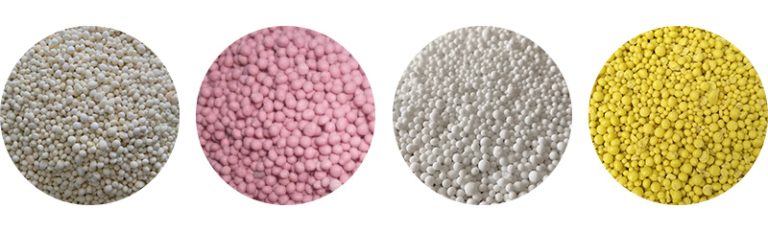
The cost to build SSP fertilizer plant starts with what the plant must produce. Every unit of P2O5 you make carries roughly two units of calcium sulfate and releases hydrogen fluoride gas that must be captured. Commercial SSP runs 16 to 20 percent P2O5, with 16 and 18 percent the grades most often specified.
The product also supplies sulfur and calcium, which is why it wins in pasture, sugarcane and oil palm regions where freight is short and rock or acid sits nearby. That geography sets your netback, because the selling price is set by the market while freight is not.
How the Process Sets the Cost
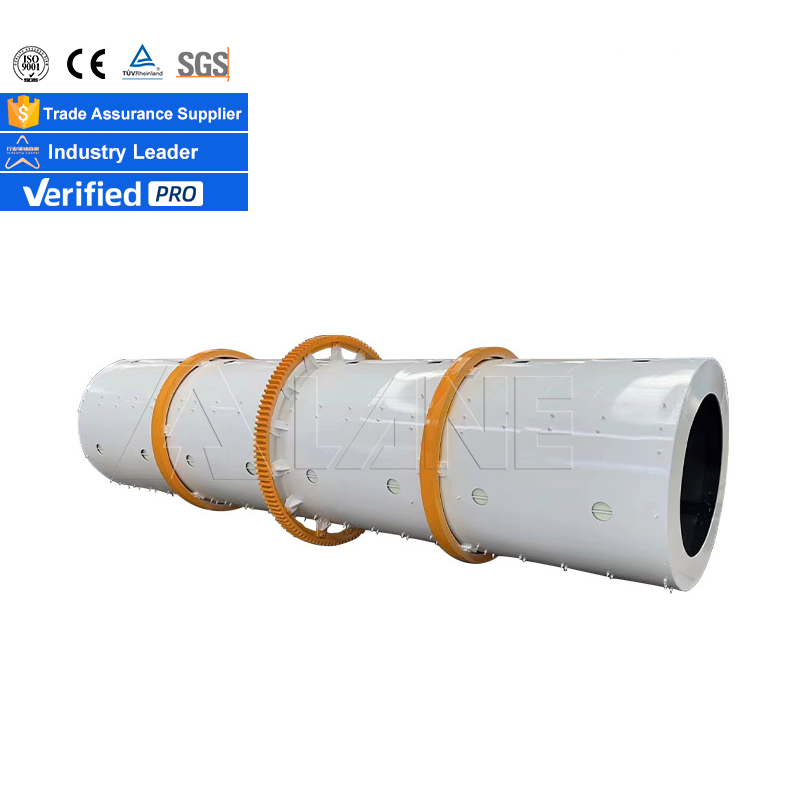
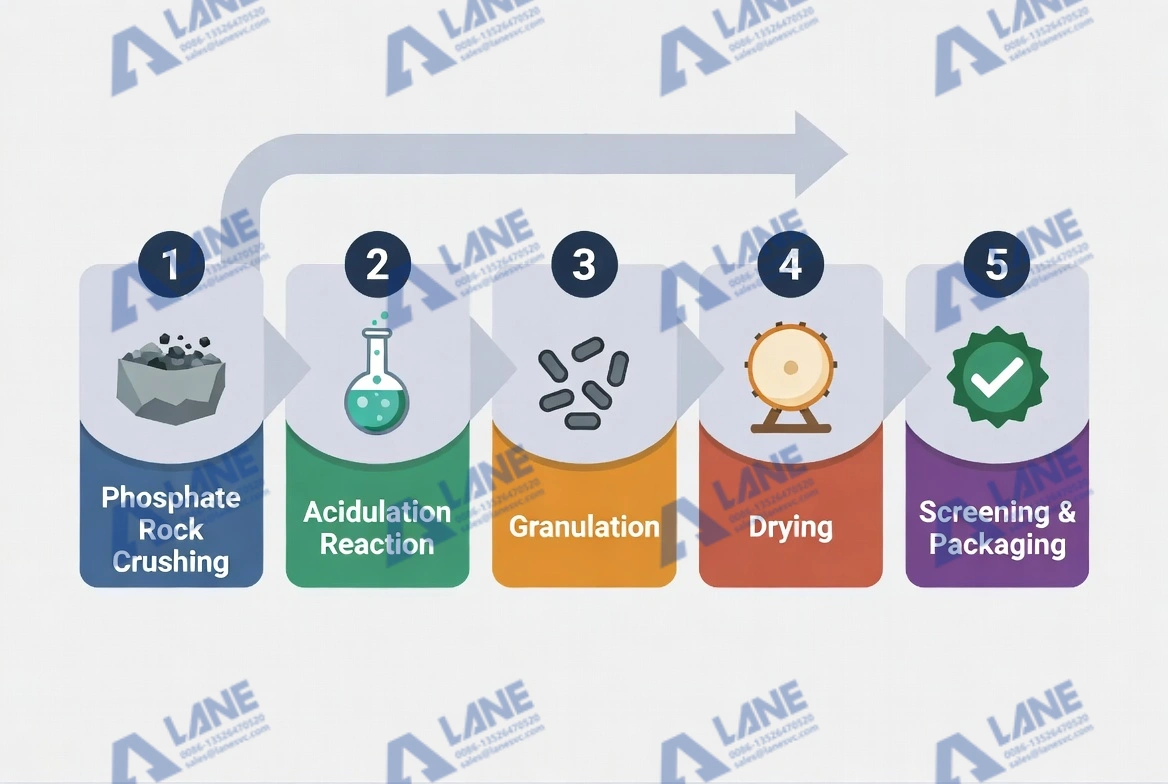
The single super phosphate manufacturing process has six stages, and each one is a line item in the cost to build SSP fertilizer plant. Crushing and grinding take the rock to about 80 percent passing 100 mesh; acid is metered into the ground rock in a continuous mixer; the material cures; it is granulated in a rotary drum; then dried, cooled and screened; and finally scrubbed for fluorine and loaded out. The first three stages are chemical and cannot be compressed without losing conversion. The last three are physical and scale with the product form you sell.
The Four Cost Blocks That Set the Number
| Cost block | What sits inside it |
What decides its size |
| Mechanical equipment | Grinding, acid mixing, curing chamber or den, granulator, dryer, cooler, screens, conveyors, dust collection, scrubber, bagging |
Product form, capacity, automation, materials of construction |
|
Acid and raw material infrastructure |
Acid storage, unloading, pumps and piping, bunding, rock stockpile and feed, weighbridge, laboratory |
Delivery mode, distance to acid supply |
|
Civil, structural and utilities |
Foundations, acid-resistant flooring, buildings, electrical distribution, heat, water, compressed air, effluent, permits | Site conditions, local codes, park or standalone site |
|
Working capital and commissioning |
Product locked in curing, first fills, spare parts, erection, commissioning, training |
Curing route, spares policy, delivery model |
Price the blocks separately—this is how the cost to build SSP fertilizer plant becomes auditable. A single lump sum hides which block a supplier is thinly resourcing. When two quotes for the same capacity differ widely, the gap is usually an exclusion rather than a discount—and the excluded block is almost always on this list.
The Acid Side Usually Decides the Project
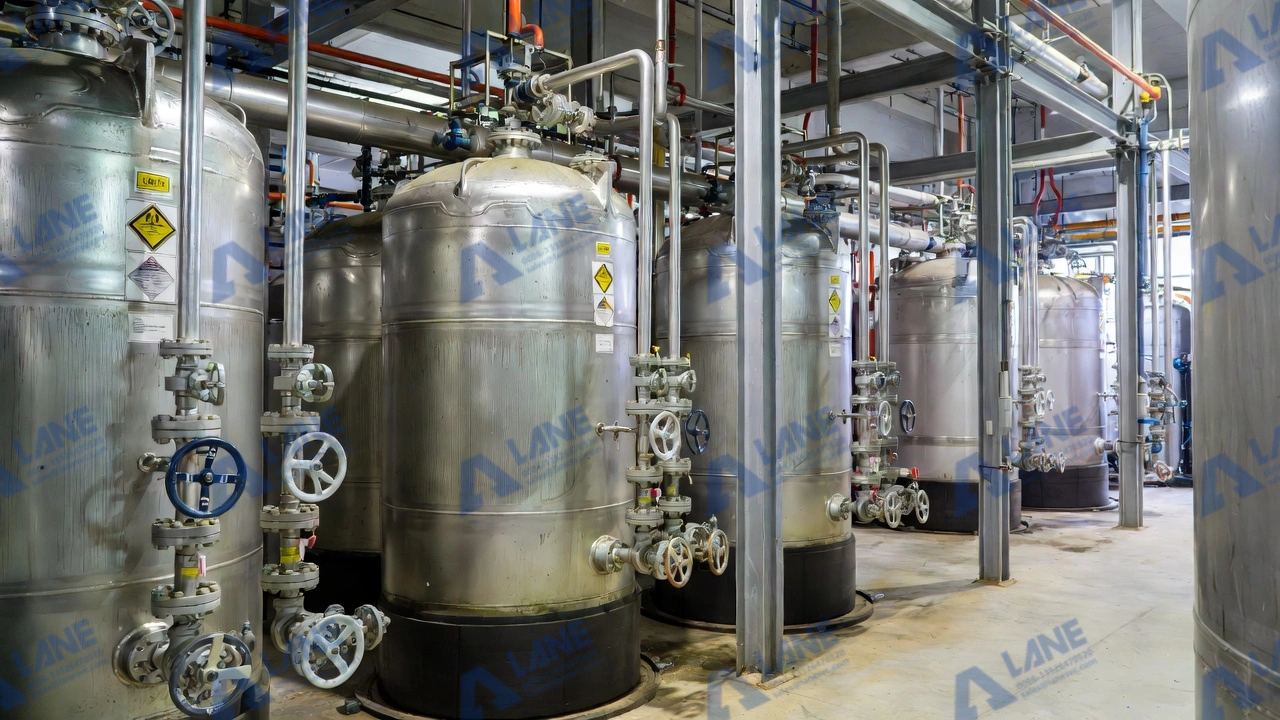
Buyers watch the machinery because it is visible. Acid infrastructure is what surprises them: storage, unloading, containment and safety systems carry heavy design and permitting requirements, and a distant acid supply turns logistics into a permanent operating cost.
Acid also dominates operating cost, which is why the cost to build SSP fertilizer plant responds more to acid supply than to machinery choices. For a mid-sized turnkey plant, expect the capital spend to fall somewhere from roughly 600,000 to over 2.5 million dollars depending on scope and location.
What Moves the Number Most
Six variables explain why the cost to build SSP fertilizer plant varies so much between projects of the same nominal size.
Product form is the largest step change: granulation adds a granulator, dryer, cooler, screens and a bigger dust system, and it raises power use permanently.
Capacity matters because equipment does not scale linearly. Harder rock consumes more grinding power and wears mills faster.
A greenfield site needs civil works and a substation; a brownfield site in an industrial park removes much of that. Manual plants cost less to buy and more to run. And scrubbing, dust control and effluent treatment are permit conditions in most jurisdictions, which is why the fluorine content of your rock drives part of the environmental scope.
How to Read a Quote
Before you compare numbers on the cost to build SSP fertilizer plant, a credible quotation must state rated capacity in tonnes per hour and per year with the basis defined, list every item included and excluded, and carry performance guarantees with defined test conditions. It should cover consumables and spare parts, commissioning scope and operator training, and warranty terms including what voids them.
If a supplier will not put acid consumption in writing, they have not done the engineering behind the process.
How to Evaluate a Supplier
Benchmark the rock before the equipment, because supplier selection does more to fix the cost to build SSP fertilizer plant than any single equipment choice.
Send representative samples for full analysis and ask the supplier to convert that into an acid consumption estimate and a curing time. Ask for a mass and energy balance, not a photo gallery, and insist on materials of construction per item—ordinary carbon steel in the wet section is a saving repaid as corrosion.
Ask for ISO 9001 and ISO 14001 certificates, CE marking for the EU, and guarantees on throughput, P2O5 content, moisture and dust emission. Then visit a plant running rock similar to yours and talk to the operators, not the sales team.
Project Case: 20 t/h Granular Line in Southeast Asia
A turnkey contract concentrates the cost to build SSP fertilizer plant in one accountable place.
LANE delivered a granular SSP plant in Southeast Asia for a client near a regional phosphate deposit, with a 20 t/h line through hammer crushing, a double-shaft stainless acidulation mixer, a rotary curing chamber, a rotary drum granulator, a rotary dryer, screening and dust collection.
Because the specification was written against the ore rather than a catalogue, the plant accepts fluctuating rock quality without losing conversion efficiency. Corrosion was designed out up front, and the line reaches full output on the planned schedule.
FAQ
How much does it cost to build an SSP plant?
Split the cost to build SSP fertilizer plant into equipment, acid infrastructure, civil works and commissioning, and ask for a scope-defined quotation in those blocks.
What is the biggest hidden cost?
Acid infrastructure and environmental scope. Fluorine scrubbing, dust control and effluent treatment are permit conditions, and a distant acid supply becomes a permanent operating cost.
Can I sell powder instead of granulated SSP?
Yes, and skipping granulation removes the most energy-hungry equipment. Granulated SSP costs more to build but repays it in handling, application and selling price.
How long does construction take?
Usually six to ten months from contract to first commercial run, depending on shipping and local civil works.
What drives the biggest running costs?
Electricity, skilled labour and wear parts—mill liners, mixer blades, granulator scrapers, dryer lifters and screen decks—plus acid itself.
For most buyers the right decision is to price the four blocks, put the acid and environmental scope at the centre of the evaluation, and demand a mass balance plus written guarantees from the supplier.
LANE engineers and supplies complete SSP plants with one point of accountability, matching every stage of the line to your ore. Send your rock analysis and target capacity at https://sspfertilizerproductionline.com/ or write to sales@lanesvc.com, and we will return a block-structured quotation so the cost to build SSP fertilizer plant is transparent before you commit.