Entering the fertilizer business is a major commitment. Understanding how to build SSP fertilizer factory operations correctly before ordering any machinery is invaluable. Single Superphosphate has served global agriculture for decades. It’s affordable, widely used, and consistently in demand in developing markets. SSP remains relevant.
This guide details what investors need to know how to build SSP fertilizer factory infrastructure: where to begin, necessary equipment, regulatory expectations, and common project pitfalls.
What Is SSP and Why Does It Matter?
SSP fertilizer carries 16–20% water-soluble phosphate (P₂O₅), along with calcium sulfate as a byproduct of the production process. It’s made by reacting phosphate rock with sulfuric acid — not a complex reaction by industrial standards. That relative simplicity is a genuine advantage. It’s a big part of why learning how to build SSP fertilizer factory systems remains so attractive to investors looking at emerging agricultural markets, where the appetite for cost-effective phosphate inputs is strong and growing. South Asia, Southeast Asia, and Sub-Saharan Africa — these are regions where SSP demand holds up well even when commodity prices fluctuate.
Step 1: Site Selection and Feasibility
Choosing the right location is arguably the most critical decision when planning to build an SSP fertilizer factory. In my experience, proximity to reliable sources of phosphate rock and sulfuric acid isn’t just a convenience—it’s absolutely essential. Both materials are bulky and expensive to transport, so even a modest increase in distance can quickly erode your profit margins. Equally important is ensuring your chosen site has an adequate buffer from residential neighborhoods, given the chemicals and logistics involved.
A thorough feasibility study should go beyond just checking land prices. It must assess the long-term availability and quality of raw materials, local permitting requirements, access to agricultural distribution networks, and the robustness of utilities like electricity and water. I’ve personally witnessed projects delayed by months because sulfuric acid supply chains weren’t secured ahead of time. Such setbacks are frustrating and costly, but with proper planning, they’re entirely avoidable.
Step 2: Core Equipment Required
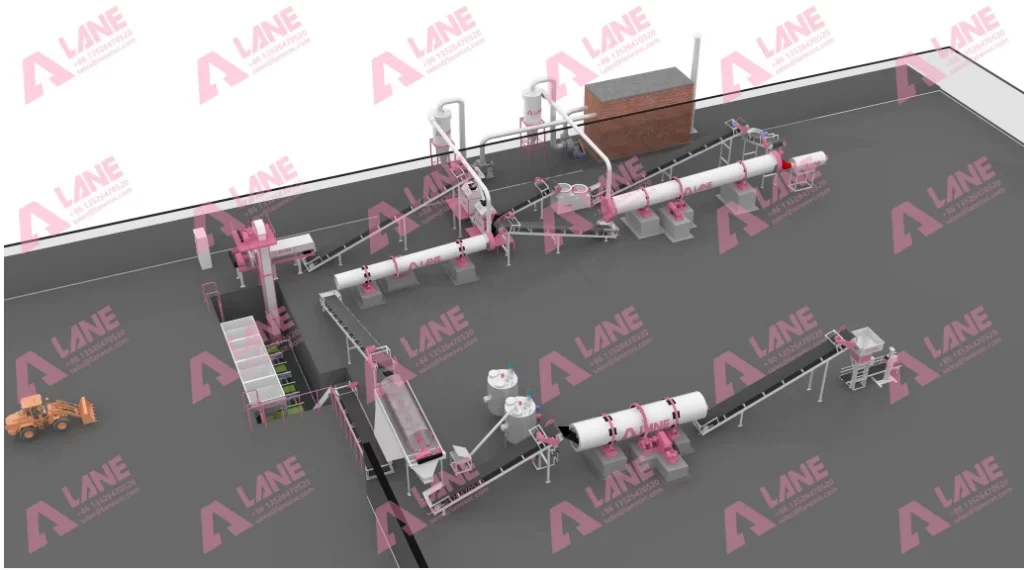
This is where how to build SSP fertilizer factory gets very specific. The production line is a defined sequence of industrial machines. Each one matters. Cutting corners anywhere in that chain affects product quality, throughput, and safety. Here’s what the equipment list looks like:
Phosphate Rock Crusher — Breaks raw phosphate rock down to the required particle size, typically 75–150 mesh, before it enters the acidulation stage. Jaw crushers and impact crushers are both commonly used, depending on feed characteristics.
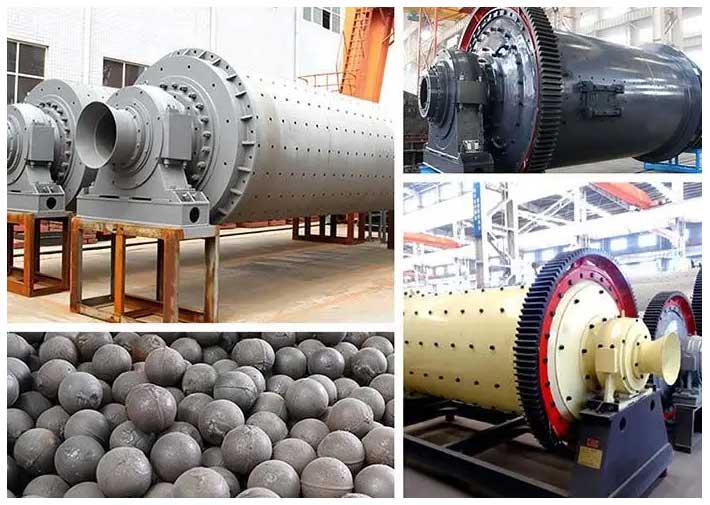
Raymond Mill — Takes the crushed material and grinds it to a fine powder, increasing surface area for the acid reaction.
Den Reactor (Acidulation Reactor) — The heart of the process. This is where phosphate rock powder and sulfuric acid meet to produce SSP. High-capacity plants typically run continuous den reactors for steady throughput.
Belt Conveyor System — Moves materials between each stage of production. In an acidic environment, corrosion resistance isn’t optional — it’s baseline.
Curing Storage Building — Fresh SSP needs 3–6 weeks in a controlled environment to complete the chemical reaction and reach stable phosphate content. Ventilation design here directly affects product quality.
Rotary Drum Granulator — Turns cured SSP powder into uniform granules. Good granule consistency makes downstream handling and field application significantly easier.
Rotary Dryer and Cooler — The rotary dryer lowers moisture content to below 5% for safe storage. The rotary cooler then quickly cools the hot granules before packaging, preventing caking and improving product quality.
Vibrating Screen — Screens granules by size. Off-spec material — too large or too small — gets recycled back into the line rather than packaged.
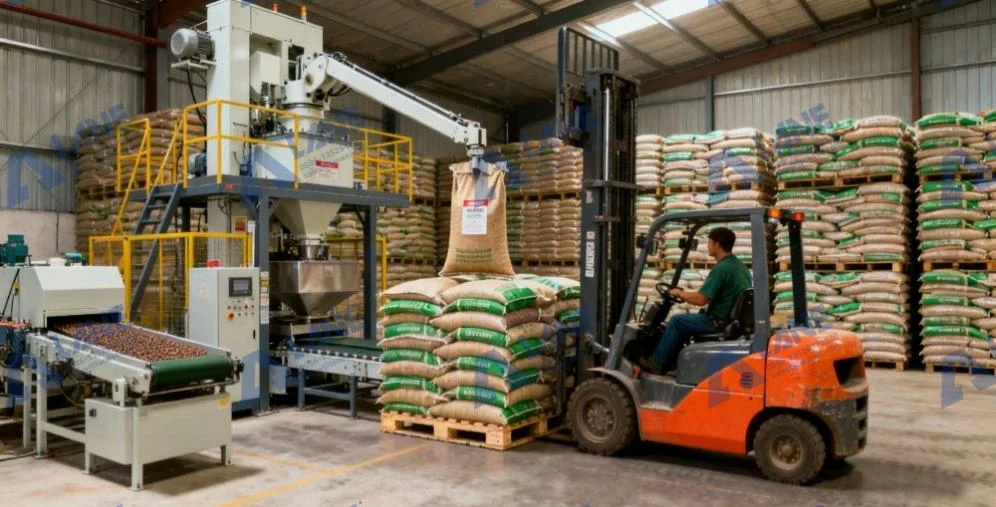
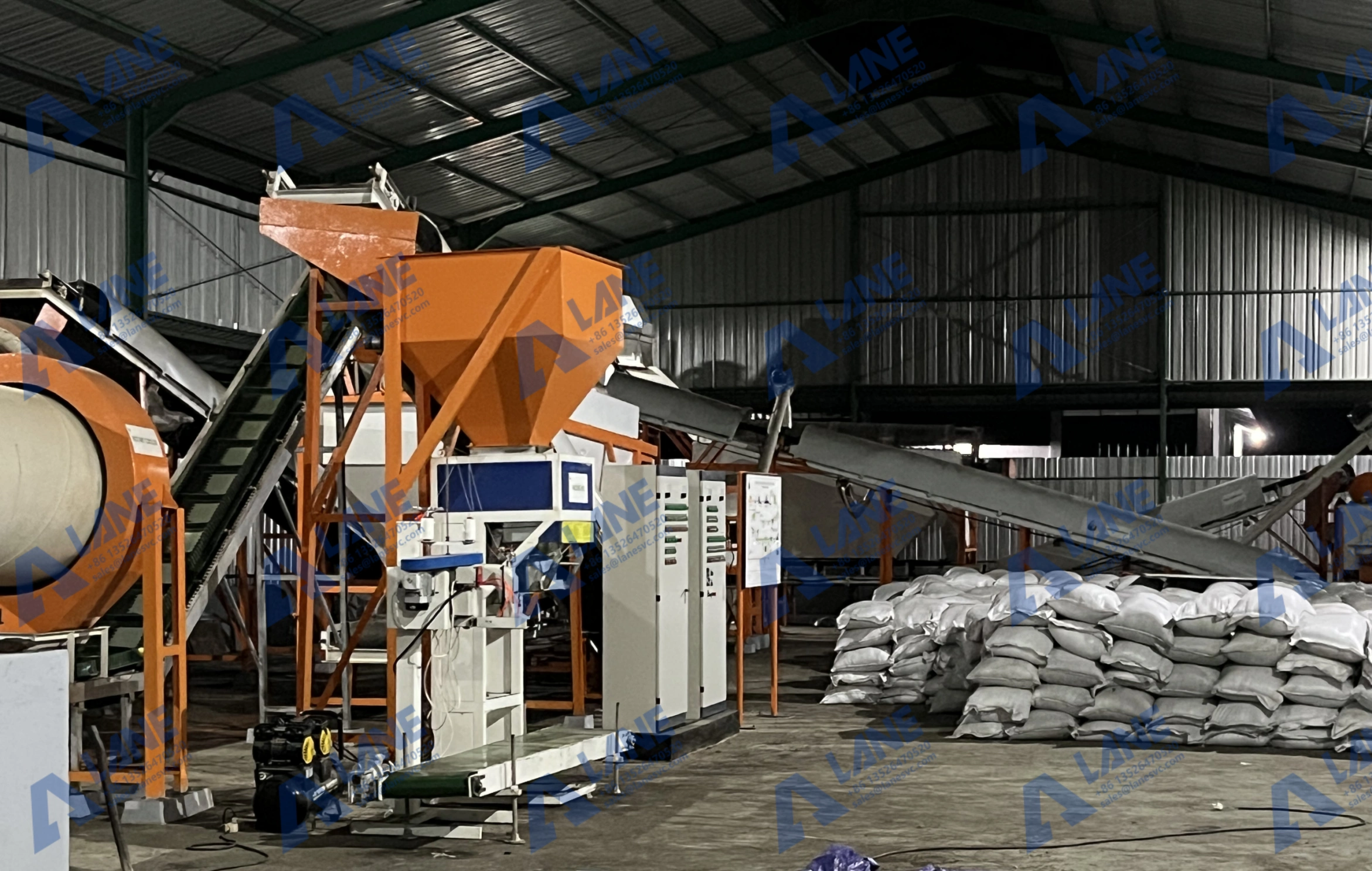
Automatic Packaging Machine — Bags the finished product in 25 kg or 50 kg units, typically with automated weighing and sealing for throughput consistency.
At LANE, we work with fertilizer plant developers across multiple markets. The oversight we see most often? Underestimating the exhaust treatment system. It’s not glamorous, but it directly affects permitting timelines — sometimes by months — when it isn’t properly designed from the start.
Step 3: Capacity Planning
Knowing how to build SSP fertilizer factory operations at the right scale is as much a financial question as a technical one. Entry-level plants run at 5–10 tons per hour. Mid-scale operations land in the 15–30 TPH range. The cost per ton of output generally drops as capacity increases, which is why it’s usually smarter to build slightly above your near-term demand projection than to plan for a tight fit and expand later. Expansion is disruptive. Getting the scale roughly right the first time saves a lot of headaches.
Step 4: Raw Materials and Supply Chain
Phosphate rock is not a uniform commodity. Moroccan and Chinese sources dominate global trade, but they differ in P₂O₅ grade and acid reactivity — and those differences matter for process calibration and final product quality. Anyone serious about how to build SSP fertilizer factory operations needs to lock in raw material quality early. Inconsistent inputs create an inconsistent product, and that’s a commercial problem as much as a technical one.
Sulfuric acid supply is often the more operationally sensitive input. It requires certified storage tanks, secondary containment infrastructure, and personnel trained to handle it safely. Establishing reliable supplier relationships before construction begins isn’t just good planning — it’s necessary. Production schedules don’t wait for supply chain problems.
Step 5: Regulatory Compliance and Environmental Management
Any investor researching how to build SSP fertilizer factory projects in regulated markets needs to get comfortable with the compliance side of things early. Environmental impact assessments, wastewater treatment systems, and ongoing emissions monitoring are standard requirements — not optional extras. The primary environmental concern in SSP production is fluorine gas generated during acidulation. A properly designed wet scrubber handles it effectively, but only if it’s engineered into the plant from the beginning. Retrofitting is expensive. Worker safety protocols — acid handling procedures, PPE standards, emergency response planning — belong in the operational framework from day one, not bolted on after commissioning.
Step 6: Staffing and Commissioning
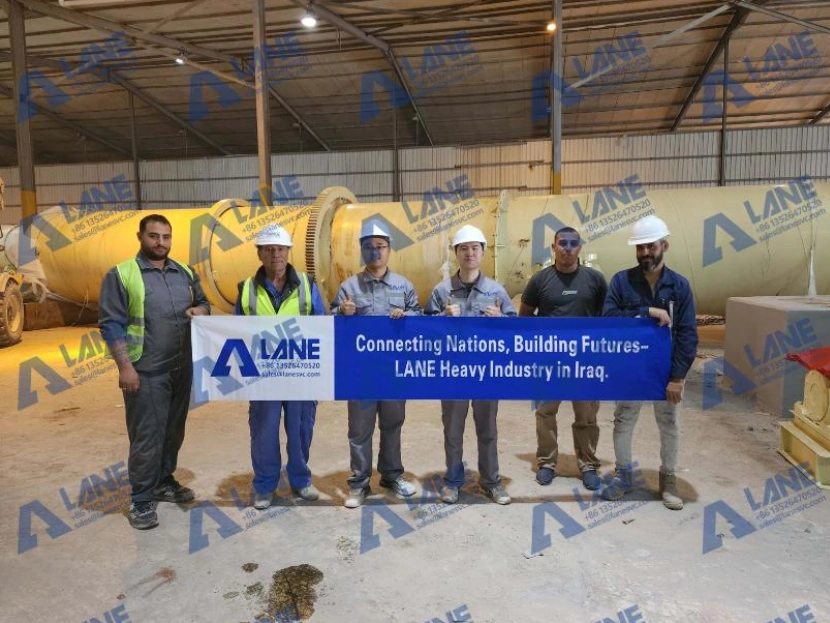
An SSP plant needs process technicians, equipment operators, quality control personnel, and logistics staff. That’s a real team, and building it takes time. For investors who are new to this sector, partnering with an equipment supplier that offers installation, commissioning, and hands-on operator training is worth prioritizing — it compresses the learning curve substantially. Knowing how to build SSP fertilizer factory operations on paper is one thing. Having experienced engineers on-site during startup is another thing entirely. This is exactly the kind of end-to-end support that LANE provides to first-time plant developers navigating that gap.
FAQ: How to Build SSP Fertilizer Factory
Q: How long does it take to build an SSP fertilizer factory?
If you’re researching how to build SSP fertilizer factory operations efficiently, a standard 10 TPH plant typically takes 6–12 months from site preparation to commissioning. That timeline for how to build SSP fertilizer factory infrastructure depends heavily on how quickly permits come through and whether equipment delivery stays on schedule.
Q: What investment is typically required?
A small-scale plant in the 5–10 TPH range generally runs USD $500,000–$1,500,000. The final figure depends on equipment specification, local construction costs, and the regulatory requirements in your target market.
Q: Is SSP production profitable in 2026?
For well-located, efficiently run operations, yes. Phosphate fertilizer demand continues to grow in developing agricultural markets, and SSP holds a meaningful price advantage over DAP and MAP. Margins are viable — but location, raw material costs, and operational efficiency all matter.
Q: What raw materials are needed?
Two primary inputs: phosphate rock at 28–32% P₂O₅ grade, and sulfuric acid at 93–98% concentration. Anyone considering how to build SSP fertilizer factory facilities should secure these materials in advance.
Q: Do I need special permits to operate?
Yes, without exception. Environmental permits, chemical storage licenses, and workplace safety certifications are required across virtually all jurisdictions. If you are planning how to build SSP fertilizer factory projects, engaging local regulatory authorities early in the process — before design is finalized — is strongly advisable.
How to build SSP fertilizer factory infrastructure is ultimately a question that goes well beyond assembling machines. The real work is integration — bringing together chemical processes, supply chains, environmental systems, and sound business planning into something that actually runs. The investors who get it right tend to be the ones who treat technical diligence as seriously as the financial model. And who starts that process earlier than they think they need to.