SSP Fertilizer Raw Material Requirements: Complete Guide to Quality Standards, Sourcing & Processing in 2026
- 2026-03-12
The global SSP fertiliser market is evolving in line with ongoing changes in the industry, as manufacturers seek more efficient production methods and better raw material sources. Drawing on my many years of experience in the fertiliser equipment industry, I have observed that many producers face difficulties in determining precisely what constitutes quality raw materials for SSP fertiliser production. This guide offers a comprehensive overview of SSP fertilizer raw material requirements, enabling you to make informed decisions about sourcing and processing. It is vital for any manufacturer wishing to produce high-quality fertilisers to understand these SSP fertiliser raw material requirements.
Understanding SSP Fertilizer and Its Raw Material Basics
SSP stands for Single Superphosphate, a globally renowned phosphate fertiliser. The production process involves reacting phosphate rock with sulfuric acid to create a water-soluble phosphate product that is easily absorbed by crops. Meeting the proper SSP fertilizer raw material requirements directly determines the final product’s quality and agricultural effectiveness.
The primary raw materials required for this process include phosphate rock, sulfuric acid, and various additives, which are selected based on the specific product specifications. Each component must meet specific chemical and physical standards to ensure optimal reaction efficiency and final product quality. I have consulted with numerous SSP production facilities. Those that carefully adhere to SSP fertilizer raw material requirements consistently achieve higher product yields and better market acceptance. Meeting these SSP fertilizer raw material requirements should be a priority for every manufacturer in this industry.
Phosphate Rock: The Primary SSP Fertilizer Raw Material
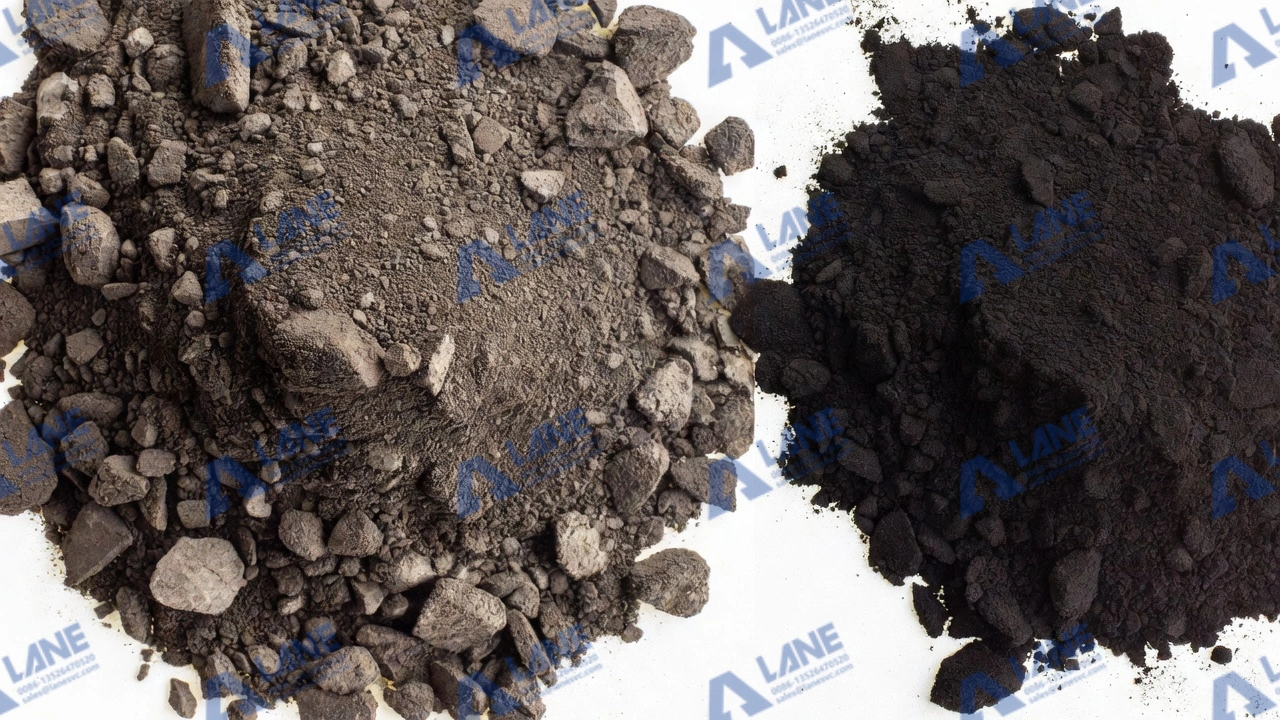
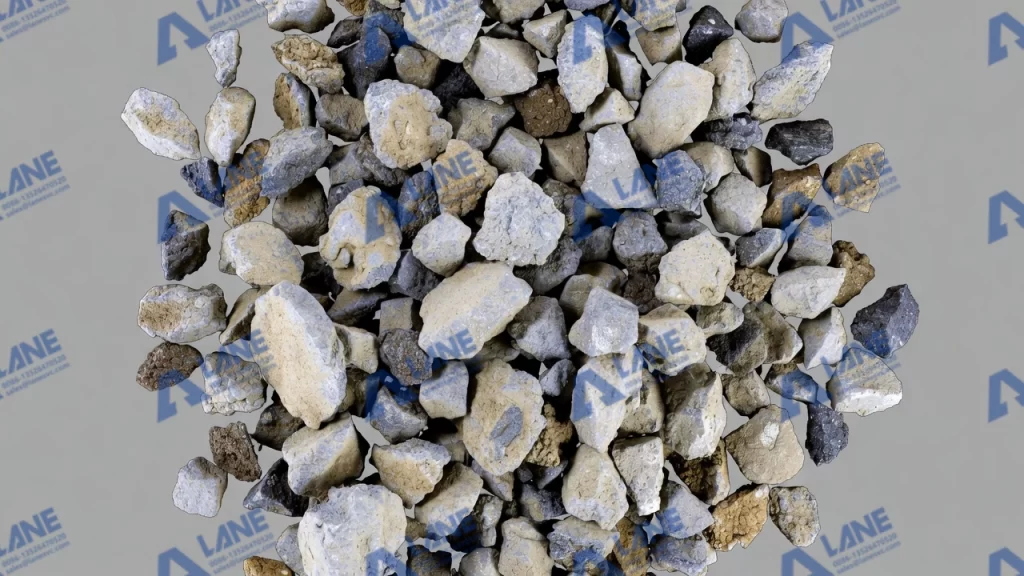
Phosphate rock is the fundamental source of phosphorus in SSP fertilizer production. The quality of phosphate rock has a significant impact on the manufacturing process and the final product characteristics. In order to achieve the best possible results when meeting the SSP fertilizer raw material requirements, it is recommended that the phosphate rock content of the raw material should be between 28-35% phosphorus pentoxide (P2O5).
In addition to the P2O5 content, the carbonate percentage in phosphate rock is a critical factor to consider. It is recommended that low carbonate levels, ideally below 2%, are maintained to prevent excessive acid consumption and ensure smooth reaction kinetics. The particle size distribution also has a significant impact on the reaction’s completion. It has been demonstrated that fine grinding to below 100 mesh enhances acid contact and conversion rates. Many successful SSP producers specifically source phosphate rock from well-established mining operations, ensuring a consistent quality profile.
It is also important to note the moisture content of phosphate rock. Excessive moisture, exceeding 1-2%, has been known to cause handling difficulties and affect the acidulation process. Proper storage in dry conditions is essential for maintaining material quality until processing.
Sulfuric Acid: Critical Secondary Raw Material
Sulfuric acid is the second essential component in SSP fertilizer raw material requirements. The acid reacts with phosphate rock to transform insoluble phosphorus into forms that are available to plants. Industrial-grade sulfuric acid typically has a concentration of 93-98%, with 98% being the preferred option for optimal process control. Meeting the SSP fertilizer raw material requirements for acid quality is just as important as phosphate rock specifications.
The quality of acid is not solely dependent on its concentration. Impurities such as fluorine, chlorine, and heavy metals have the potential to contaminate the final product and pose a risk to crop health. Reputable acid suppliers provide detailed quality certificates, ensuring their product meets fertilizer-grade specifications. The acid-to-rock ratio is typically between 0.6:1 and 0.8:1, depending on rock reactivity and the desired product properties.
It is imperative that appropriate safety measures and storage facilities are in place when handling sulphuric acid. Carbon steel tanks with acid-resistant linings are well-suited to bulk storage, while transfer equipment must be able to withstand corrosive properties.
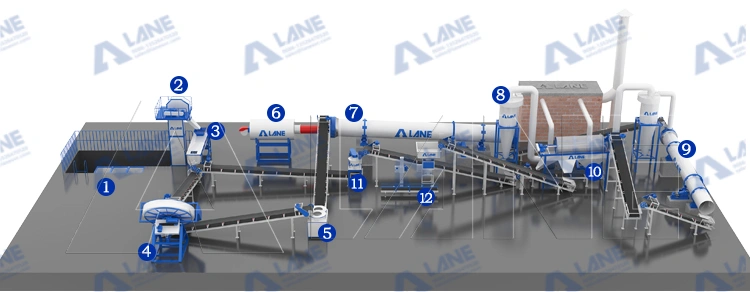
Essential Equipment for SSP Fertilizer Production
The success of SSP fertilizer manufacturing is contingent on the appropriate selection of processing equipment. It is imperative to understand equipment specifications in order to ensure that your production line meets quality and capacity targets.
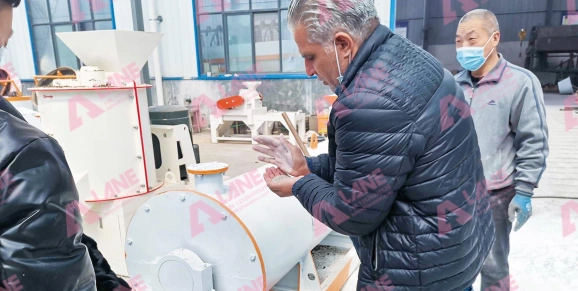
The reaction drum, also known as the mixer, is the primary processing vessel where acid and phosphate rock are combined. These specialised reactors feature corrosion-resistant linings and controlled mixing mechanisms to ensure uniform reaction. Lane is a specialist manufacturer of reaction equipment for SSP production. Its products are available in a range of options, from batch to continuous processing configurations.
Grinding mills are used to reduce phosphate rock to the appropriate particle sizes before reaction. Depending on the required capacity and energy efficiency preferences, both ball mills and roller mills have been proven to be effective. Proper grinding is essential to ensure adequate surface area for complete acid reaction.
Curing and storage systems enable the material to undergo its transformation over the course of several days. Covered curing warehouses with appropriate ventilation prevent moisture interference while maintaining optimal temperature conditions.
Granulation equipment is used to transform the powdered SSP into saleable granules. Rotary drum granulators and extrusion granulators offer different product characteristics, with the choice depending on market preferences and plant configuration.
The screening and crushing equipment is designed to separate oversized material for reprocessing, ensuring consistent product size distribution. Vibrating screens and roll crushers are utilised in a combined process to achieve target particle specifications.
Cooling systems are an essential component of the packaging process, as they reduce product temperature before storage to prevent moisture condensation and caking. Counterflow air coolers provide efficient heat removal while minimising product degradation.
The packaging equipment is integral to the production line, ensuring precise weight measurement and the provision of sealed bags suitable for distribution. Automated packaging systems have been shown to improve efficiency while reducing labour costs.
Quality Standards and Testing Protocols
Robust quality control procedures are essential for ensuring that your SSP fertilizer raw material requirements are consistently met. The regular testing of incoming materials is essential for preventing production issues and maintaining product consistency. In order to meet the requirements of the SSP fertilizer raw material, a systematic approach to quality assurance is essential.
Key phosphate rock tests include P2O5 content analysis, carbonate determination, particle size distribution, and moisture content measurement. It is imperative to establish partnerships with laboratories that can reliably conduct these analyses. Many manufacturers require supplier certificates of analysis alongside periodic independent testing.
The finished SSP product should meet specific specifications: minimum 16% available P2O5, less than 2% free acid, and appropriate moisture content for storage stability. Regular product testing confirms that production processes maintain the desired quality levels.
FAQ
What P2O5 content should phosphate rock have for SSP production?
Quality phosphate rock for SSP production typically contains 28-35% phosphorus pentoxide. Meeting SSP fertilizer raw material requirements for P2O5 content above 30% generally produces more economically, though cost considerations vary by source and location.
How do I evaluate phosphate rock suppliers?
Request detailed quality certificates, visit supplier operations when possible, and negotiate long-term supply agreements with consistent SSP fertilizer raw material requirements. Testing samples from multiple shipments helps establish supplier reliability.
What acid-to-rock ratio is optimal for SSP manufacturing?
Most operations use acid-to-rock ratios between 0.6:1 and 0.8:1 depending on rock reactivity and desired product properties. The exact ratio depends on your specific SSP fertilizer raw material requirements. Pilot testing helps optimize this parameter for specific materials.
Can existing NPK facilities be converted to SSP production?
Many NPK plants can produce SSP with modifications to reaction, curing, and granulation systems. The feasibility depends on existing equipment condition and production volume requirements. Those considering this transition should carefully evaluate their current setup against SSP fertilizer raw material requirements before making investment decisions.
What are the main challenges in SSP raw material sourcing?
Quality consistency and supply reliability represent the primary challenges. Meeting SSP fertilizer raw material requirements consistently proves difficult because phosphate rock quality varies by mine and even within deposits, requiring careful supplier management and material blending strategies.
Sourcing Strategies and Supplier Management
The development of effective sourcing strategies for SSP fertilizer raw material requirements is a process that involves balancing quality, cost, and reliability. When addressing SSP fertilizer raw material requirements, it is often advantageous to establish long-term supplier relationships, as this can result in more favourable pricing and priority allocation during periods of tight supply.
Geographic considerations have a significant impact on both cost and logistics. The transportation of heavy phosphate rock over long distances can lead to significant cost escalations, making the utilisation of nearby sources a more economically viable option. However, it is important to note that quality specifications should never be compromised for the sake of shipping convenience.
It is recommended that multiple supplier relationships be maintained in order to reduce risk and enable competitive pricing. Negotiating framework agreements with volume commitments often secures better terms while ensuring supply security. LANE collaborates with a wide range of clients to formulate sourcing strategies that enhance their raw material supply chains.
Conclusion
Understanding and meeting SSP fertilizer raw material requirements form the foundation of successful fertilizer production. In order to produce consistently excellent SSP products, manufacturers must carefully select quality phosphate rock and sulfuric acid, invest in appropriate processing equipment, and implement rigorous quality control measures.
The fertiliser industry is undergoing continuous advancement, and those who master raw material quality positioning will capture market opportunities. Please take time to evaluate your current sourcing practices and identify areas for improvement in your SSP production operations.
For more details, please feel free to contact us.
Henan Lane Heavy Industry Machinery Technology Co., Ltd.
Email: sales@lanesvc.com
Contact number: +86 13526470520
Whatsapp: +86 13526470520