How to Set Up an SSP Fertilizer Plant in Africa: Costs, Equipment & ROI Breakdown
- 2026-04-09
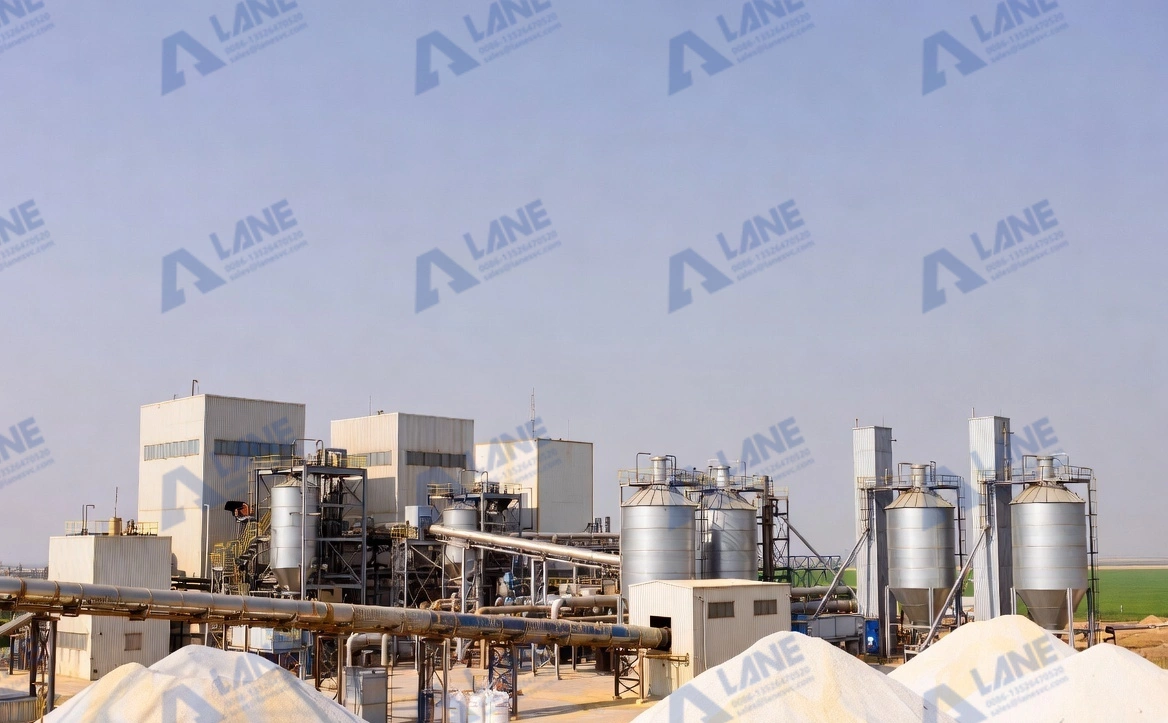
Africa’s agricultural sector is moving rapidly — faster than many outside investors realize. Demand for affordable, locally produced fertilizer is steadily increasing, and single superphosphate, or SSP, occupies an interesting position: it’s one of the most accessible phosphate fertilizers on the continent. The raw materials are largely available within the region, and the production process doesn’t require the kind of heavy capital investment that DAP or TSP plants typically demand. If you’re seriously considering building an SSP fertilizer plant in Africa, this guide covers what that actually looks like in practice — realistic costs, the equipment involved, and what kind of return you can reasonably expect.
Why Africa Makes Sense for SSP Production
Let me be direct: investors consistently underestimate local demand. Sub-Saharan Africa imports hundreds of thousands of tons of phosphate fertilizer yearly. Countries like Ethiopia, Tanzania, Nigeria, and Kenya have large smallholder populations needing affordable inputs — and SSP fits that market well. Here, it’s not a niche product; it’s a staple.
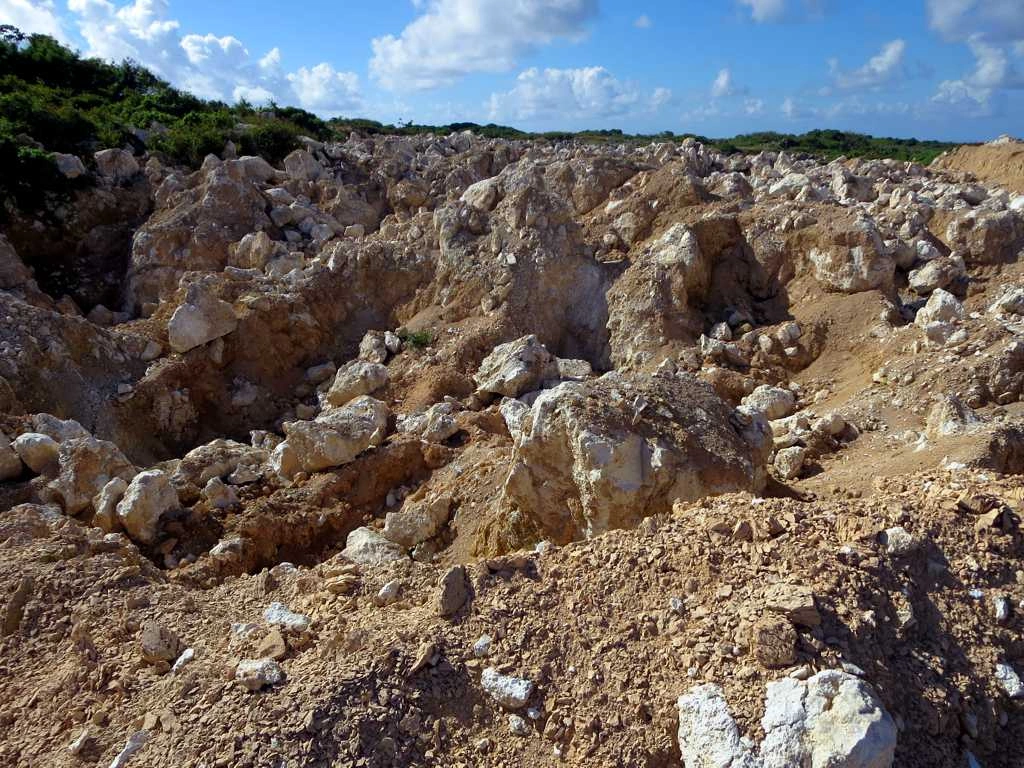
Several African countries also have significant phosphate rock reserves, including Morocco, Egypt, Algeria, and East Africa. This regional availability means feedstock sourcing can be straightforward. Anyone evaluating an SSP fertilizer plant in Africa should first map out proximity to raw materials—ideally before finalizing their business plan.
Core Equipment for an SSP Production Line
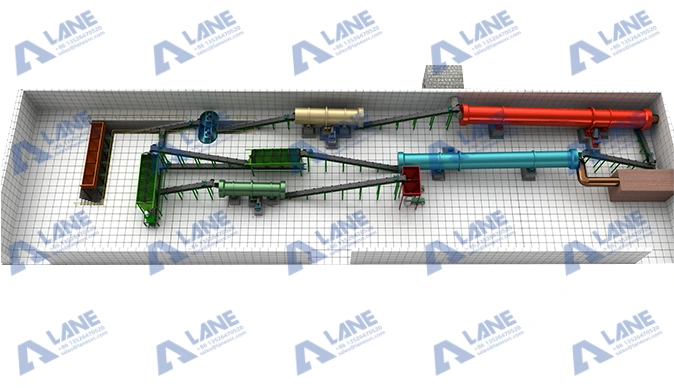
This is where things get specific, and where early decisions can shape your operation for years. A complete SSP fertilizer plant in Africa typically requires the following equipment:
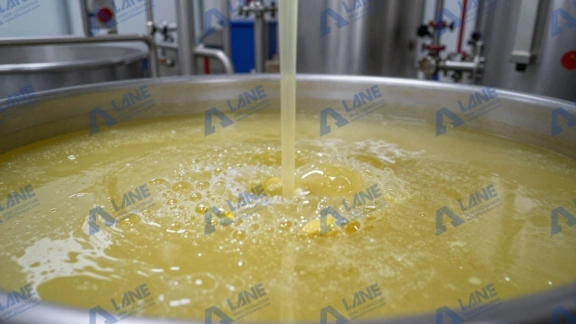
- Acidulation Reactor— The heart of the process. This is the reaction vessel where phosphate rock and sulfuric acid combine. Reactor design has a direct bearing on product consistency and how efficiently acid is used — don’t cut corners here.
- Double Shaft Mixer— Blends the acidulated material to ensure uniform chemical distribution before curing. What happens in this stage shows up in your final granule quality, for better or worse.
- Rotary Drum Curing Unit— SSP needs time to cure after acidulation. The rotary drum creates the controlled environment that makes that possible. Rushing this stage is one of the more common mistakes in lower-quality operations, and it’s usually obvious in the end product.
- Raymond Mill— Phosphate rock has to be ground to the right fineness before it enters the reaction stage. Particle size directly affects how well the acid reaction proceeds.
- Belt Conveyor System— Handles material movement between process stages. Consistently underbudgeted, consistently important. Downtime here ripples through the whole line.
- Exhaust Gas Scrubbing System— Fluorine and other gases are released during acidulation. A properly specified scrubbing system isn’t optional — it’s a regulatory requirement and a basic worker safety measure.
- Granulator— For operations producing granular SSP rather than powder, the granulator shapes the finished product to meet market specifications.
Manufacturers like LANE, which specializes in large-scale fertilizer production equipment, typically supply these components as integrated, configurable production lines rather than standalone units, which simplifies both sourcing and technical setup considerably.
Setup Costs: What to Actually Budget
Cost estimates for an SSP fertilizer plant in Africa vary quite a bit depending on capacity, location, and whether you’re starting from scratch or working with an existing site. Based on industry-standard small-to-medium capacity lines — roughly 10–30 TPH — here’s a practical breakdown:
| Core SSP fertilizer equipment | $180,000 – $600,000 |
| Civil construction and site prep | $80,000 – $250,000 |
| Utility setup (power, water) | $40,000 – $120,000 |
| Installation and commissioning | $30,000 – $80,000 |
| Working capital (3 months) | $50,000 – $150,000 |
| Total | $380,000 – $1.2M+ |
Larger capacity plants scale upward significantly from there. These figures also assume local labor rates, which vary considerably — Ethiopia and South Africa, for instance, sit at very different cost levels.
ROI Expectations
The return timeline on an SSP fertilizer plant in Africa hinges on three things: local market pricing, feedstock costs, and how efficiently the plant actually runs. In markets where imported SSP retails at $200–$280 per ton, a well-run local plant producing at $90–$130 per ton all-in can generate real margins. The math works — if the operation is tight.
Breakeven for mid-sized operations typically lands somewhere in the 3–5-year range, assuming consistent offtake. Some operators in East Africa have reported recovering capital within 30–36 months under favorable conditions — though I’d frame that as the optimistic scenario, not a baseline expectation.
Regulatory and Infrastructure Considerations
Import duties on SSP fertilizer equipment, environmental assessments, and permitting requirements can add real time and cost to any project timeline. Ethiopia operates under a specific fertilizer sector reform framework. Nigeria’s regulatory picture — NAFDAC and related bodies — is entirely different. The point here isn’t to catalogue every country’s rule; it’s that regulatory due diligence is never generic. It’s country-specific, it takes time, and it costs money. Budget both.
Infrastructure is the other variable that catches people off guard with an SSP fertilizer plant in Africa. Power reliability, road access for raw material delivery, and proximity to end markets all influence whether a site actually makes sense. I’ve seen projects that looked solid on paper fall apart simply because the site was 60 kilometers from a reliable grid connection. That’s not a small problem.
FAQ
What is the minimum investment to start an SSP fertilizer plant in Africa?
For a small-scale operation in the 5–10 TPH range, total investment can start around $350,000–$500,000, covering equipment, construction, and working capital. Commercial-scale plants push well above $1M.
Which African countries are best suited for SSP production?
Ethiopia, Nigeria, Tanzania, and Kenya come up most consistently with strong demand volumes, active government agricultural support programs, and, in several cases, local phosphate availability.
How long does it take to set up an SSP fertilizer plant?
From site selection through commissioning, most projects run 12–24 months. Countries with longer permitting processes or more complex sites can stretch that timeline further.
Is SSP fertilizer equipment easy to source for African markets?
Reputable manufacturers supply SSP fertilizer equipment internationally, with full production lines configured for African operating conditions. Lead times on major components typically run 60–120 days — worth factoring into your project schedule early rather than discovering it later.
What’s the difference between powder and granular SSP?
Powder SSP is simpler to produce but limited in handling and application. Granular SSP commands better pricing in most commercial markets and is the standard for bagged retail distribution.
Setting up an SSP fertilizer plant in Africa isn’t a fast-return, low-complexity play — that much is clear. But for operators who come in with the right technical partners, a realistic cost structure, and a genuine understanding of local market dynamics, the opportunity is substantial. The demand is there. It’s been there. The question, as always, is whether the execution is up to it.
For more details, please feel free to contact us.
Henan Lane Heavy Industry Machinery Technology Co., Ltd.
Email: sales@lanesvc.com
Contact number: +86 13526470520
Whatsapp: +86 13526470520