Small SSP Fertilizer Production Line Solutions: Choosing the Right Equipment for Your Capacity Needs
- 2026-03-07
Setting up a small SSP fertilizer production line is a significant decision that requires careful consideration of your actual needs. Many entrepreneurs jump into purchasing equipment only to discover they’ve either overinvested in capacity they don’t need or undersized their operation to the point of inefficiency. I’ve seen this happen more times than I’d like to admit in my years working with fertilizer manufacturers. The key lies in matching equipment selection to your specific production goals, market demand, and budget constraints. This guide walks you through the essential factors to consider when building a small SSP fertilizer production line that actually works for your business.
Understanding SSP and Its Market Position
Single Super Phosphate remains one of the most widely used phosphate fertilizers globally, and for good reason. It provides essential phosphorus and sulfur that crops need for healthy root development and protein synthesis. The beauty of SSP lies in its simplicity—the manufacturing process is straightforward, the raw materials are readily available, and the final product has a long shelf life when properly stored. For small-scale producers, this translates to lower risk and faster time-to-market compared to more complex fertilizer formulations.
The demand for locally-produced SSP has been growing steadily, particularly in regions where agricultural intensification is driving increased fertilizer consumption. Small production lines have an advantage here—they can respond quickly to local market needs, offer fresher product, and build customer relationships that large distributors often neglect. The key is understanding your target market and designing your production capacity accordingly.
Core Equipment Components
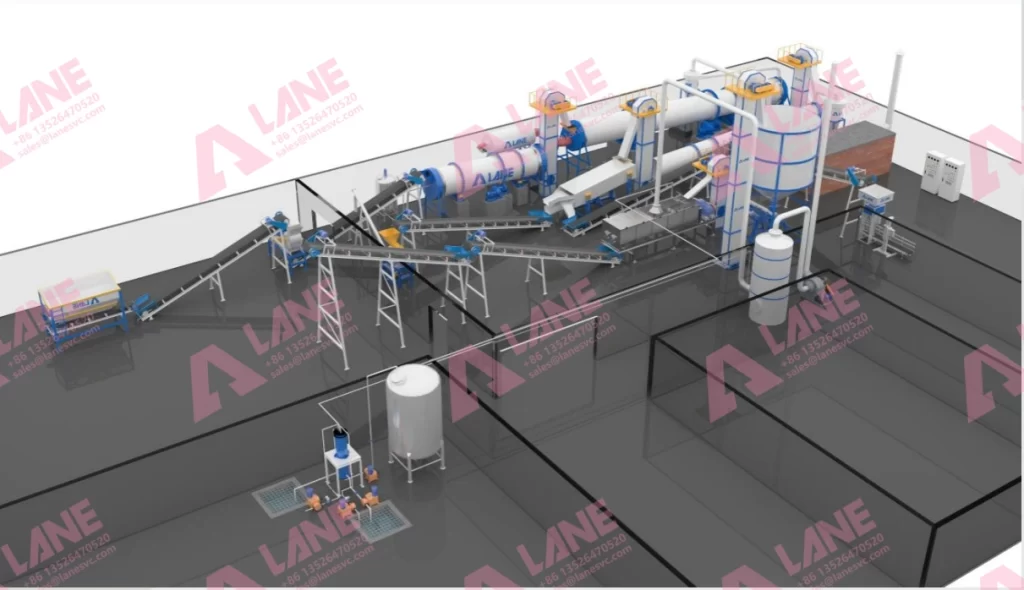
A functional small SSP fertilizer production line requires several key pieces of equipment working together harmoniously to transform raw phosphate rock into quality fertilizer. Each component plays a specific role in transforming raw materials into market-ready product.
The grinding machine forms the foundation of your production line. Raw phosphate rock must be ground to a fine consistency—typically passing through a 100-mesh screen—before it can react effectively with sulfuric acid. For small-scale operations, a raymond mill or ball mill with appropriate capacity handles this task efficiently. The goal is achieving consistent particle size distribution, as this directly impacts the reaction quality and final product handling characteristics.
The reaction system represents the heart of your small SSP fertilizer production line. This is where the magic happens—phosphate rock reacts with sulfuric acid to create the soluble phosphate that plants can access. For small SSP fertilizer production line setups, batch reactors or continuous flow systems both have their place. Batch systems offer flexibility and are easier to operate for beginners, while continuous systems provide higher throughput and more consistent product quality. The choice depends on your production volume and operational preferences.
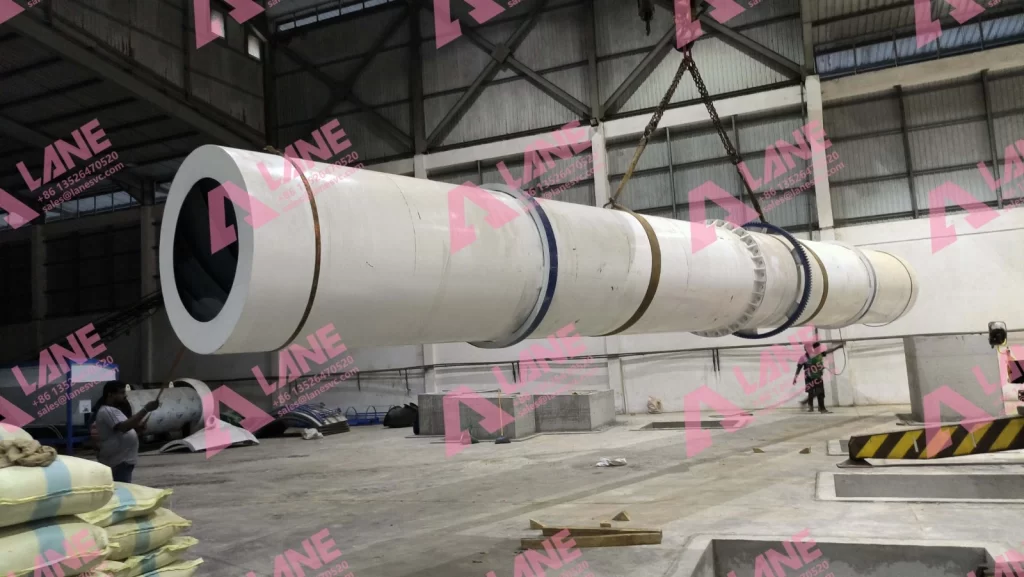
Curing and drying equipment determines how quickly your product reaches market-ready moisture levels. Freshly reacted SSP contains significant free moisture and needs time to cure—typically 2-4 weeks in traditional systems. However, modern drying equipment can accelerate this process considerably. Rotary dryers and fluidized bed dryers are common choices for small production lines, each offering different cost and efficiency profiles.
Material handling equipment encompasses the conveyors, elevators, and storage systems that move your product through the production process. These unsung heroes significantly impact your operational efficiency. A well-designed material handling system minimizes manual labor, reduces product loss, and maintains consistent flow rates throughout your small SSP fertilizer production line.
Packaging equipment represents your final quality control point. Proper packaging protects your product from moisture absorption and allows for clean, professional presentation to customers. Automatic bagging machines offer speed and consistency, while semi-automatic options provide more flexibility for smaller operations.
Matching Equipment to Your Capacity Goals
Here’s where many investors go wrong when planning their small SSP fertilizer production line—they choose equipment based on what seems impressive rather than what their market actually demands. I always advise clients to start with realistic production targets and work backward to equipment selection. A small SSP fertilizer production line producing 1-3 tons per hour serves local agricultural cooperatives well, while operations targeting regional distribution might need 5-10 tons per hour.
Consider your growth trajectory as well. Equipment that’s perfectly sized for your current needs might become a bottleneck within 2-3 years if demand grows as expected. Building in some expansion capacity—choosing machines with slightly higher throughput than you currently need—often proves more economical than retrofitting later. LANE specializes in scalable equipment solutions that grow with your business, which I’ve found particularly valuable for ambitious small-scale producers.
Quality Control Considerations
Producing consistent, high-quality SSP requires more than just good equipment—it demands attention to raw material quality and process parameters. Phosphate rock composition varies significantly depending on its geological source, and this directly affects acid reaction efficiency and final product analysis. Establishing relationships with reliable raw material suppliers ranks among the most important decisions you’ll make.
Process monitoring doesn’t require expensive instrumentation. Simple pH testing, moisture content checks, and regular sampling for laboratory analysis keep your quality on track. The investment in basic quality control equipment pays for itself quickly through reduced waste and improved product consistency.
Common Questions About Small SSP Production Lines
What is the typical ROI timeline for a small SSP fertilizer production line?
Most small-scale operations reach profitability within 18–24 months when investing in a small SSP fertilizer production line, assuming adequate market access and reasonable raw material costs. The exact timeline depends heavily on your local market conditions and operational efficiency.
How much space does a small SSP production line require?
A complete small SSP fertilizer production line handling 2–3 tons per hour typically needs 500–800 square meters of floor space, including storage areas for raw materials and finished product. Layout optimization can significantly impact effective space utilization.
What are the main operational challenges?
Raw material consistency and acid handling constitute the primary challenges for new operators. Phosphate rock quality varies between shipments, requiring regular testing and process adjustments. Sulfuric acid requires careful handling and appropriate safety measures.
Can a small SSP production line operate intermittently?
Raw material consistency and acid handling constitute the primary challenges for operators running a small SSP fertilizer production line. Phosphate rock quality varies between shipments, requiring regular testing and process adjustments. Sulfuric acid requires careful handling and appropriate safety measures.
What maintenance requirements should be anticipated?
Regular maintenance includes equipment lubrication, belt tensioning, screen replacement for grinding equipment, and reactor vessel inspection. Most manufacturers provide maintenance schedules—following these prevents unexpected downtime.
Making Your Final Decision
Building a small SSP fertilizer production line represents more than equipment purchasing—it’s entering a competitive agricultural supply market with specific operational requirements. The equipment choices you make today will shape your operational costs, product quality, and ultimately, your profitability for years to come.
Take time to visit existing operations, speak with operators about their real-world experiences, and honestly assess your technical capabilities. The best equipment for your situation isn’t necessarily the most expensive or the most automated—it’s the equipment that matches your specific circumstances and growth aspirations.
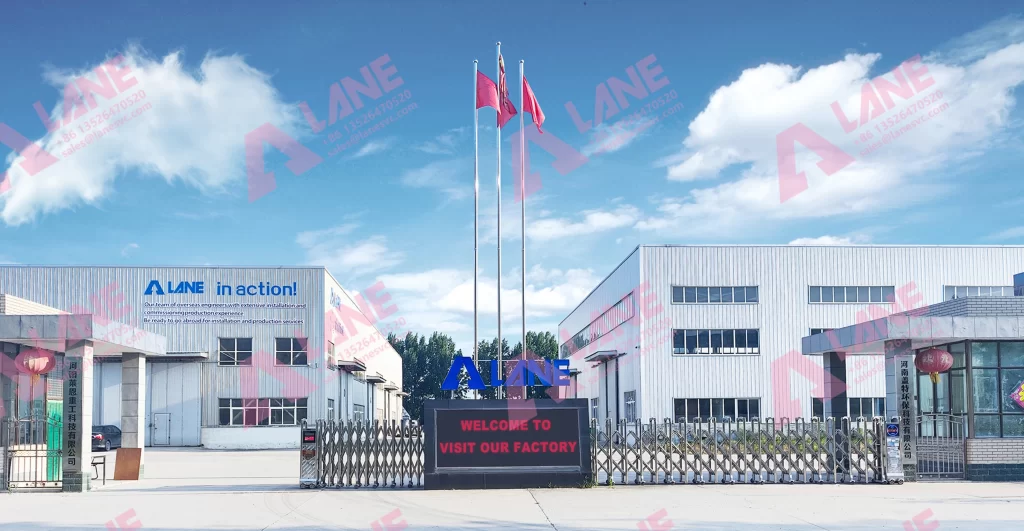
For more details, please feel free to contact us.
Henan Lane Heavy Industry Machinery Technology Co., Ltd.
Email: sales@lanesvc.com
Contact number: +86 13526470520
Whatsapp: +86 13526470520