The Complete small-scale SSP fertilizer production guide: Equipment, Costs & Best Practices for 2026
- 2026-04-01
Setting up a small-scale SSP fertilizer production operation is more accessible than most people assume — although it still requires solid technical knowledge, properly matched equipment, and a clear-eyed view of what the process actually entails. As a small-scale SSP fertilizer production guide, this covers the full picture — from raw material inputs to finished products — including a candid assessment of costs and practical insights into what tends to work in practice.
With the basics in mind, it’s useful to clarify what SSP is and why local production is increasingly relevant.
Single superphosphate (SSP) delivers around 16–20% water-soluble phosphorus (P₂O₅), along with calcium sulfate — a nutrient profile that suits a wide range of crops and soil conditions. It’s one of the oldest phosphate fertilizers still in active use, and any credible small-scale SSP fertilizer production guide will point to its proven, field-tested track record as a core reason for that longevity.
Interest in small-scale SSP fertilizer production has climbed steadily over the past decade, and the reasons aren’t hard to understand. Proximity to end users reduces transport costs and import dependency, and it opens up genuine commercial opportunities for agricultural cooperatives and local entrepreneurs. I’ve worked with operators running facilities that range from 5 to 50 tons per day, and the advice that consistently emerges is the same: start at a manageable scale, develop process confidence, and then expand. Overcommitting capital before the operation is understood — that’s where most early-stage projects run into serious trouble.

The Core SSP Fertilizer Manufacturing Process
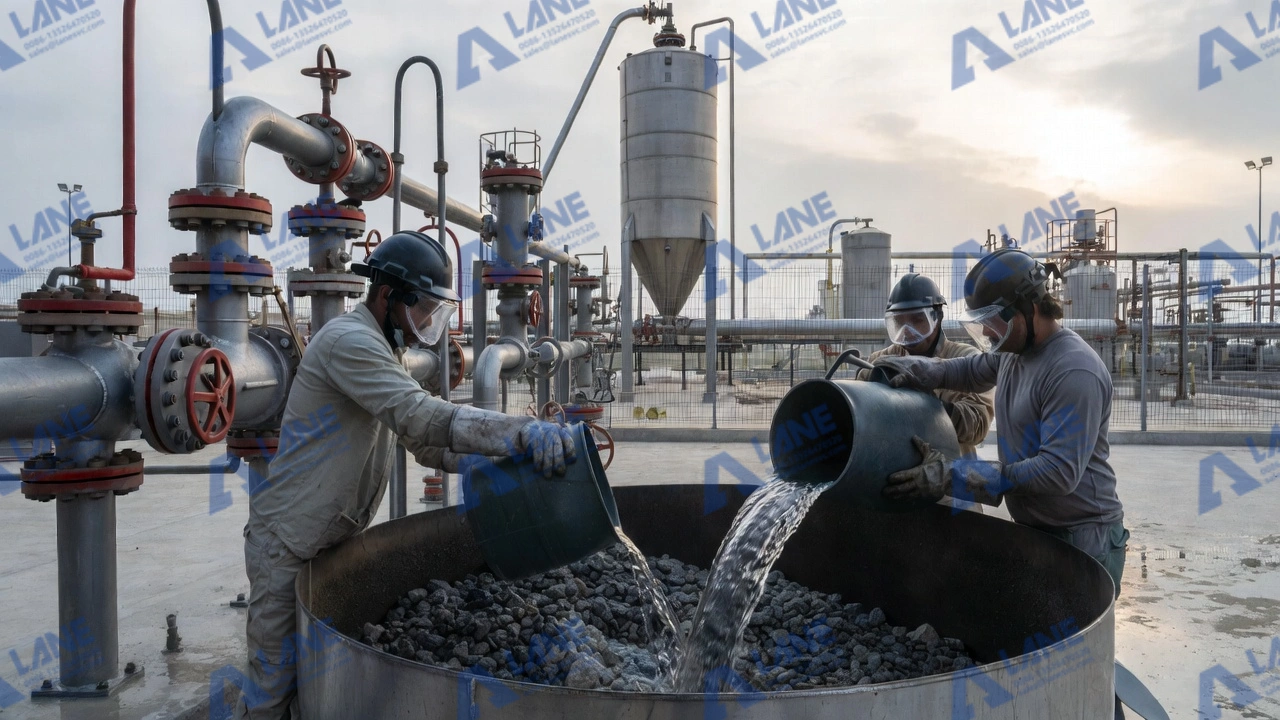
SSP fertilizer manufacturing is based on a simple chemical reaction. Sulfuric acid meets phosphate rock, typically grading at 28–35% P₂O₅. The result is single superphosphate. The reaction is exothermic and fast, but curing requires patience. Four to six weeks in a storage den allows the product to stabilize and reach target nutrient levels. Skipping or shortening that time causes problems later.
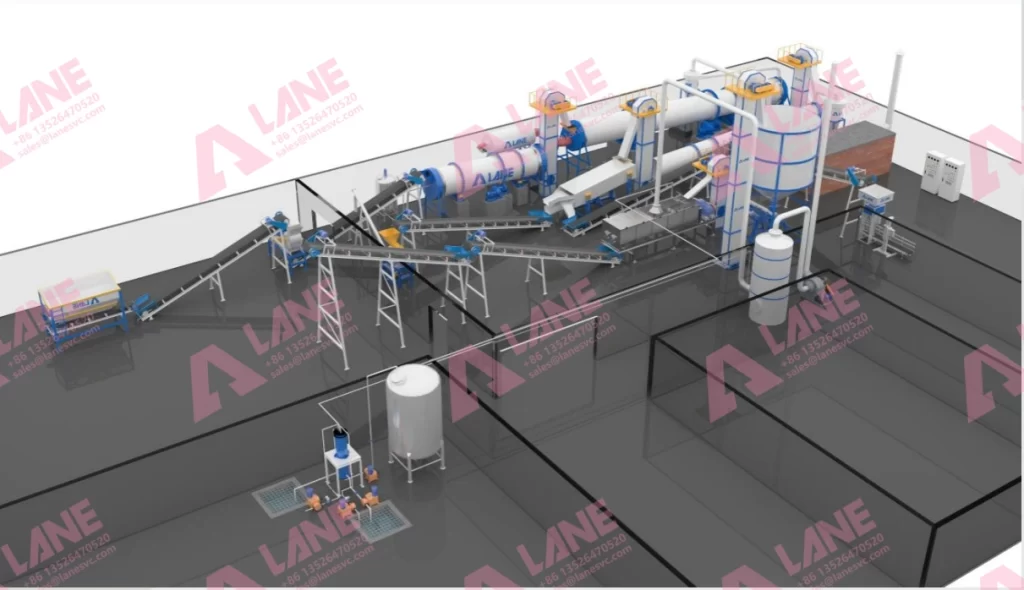
In standard SSP fertilizer manufacturing, the production sequence runs as follows: rock phosphate is ground to the required fineness (typically 90% passing 75 microns); sulfuric acid, diluted to roughly 60–70% concentration, is metered into the mixer at a controlled ratio; the reacting slurry is then discharged to a den floor to cure; once curing is complete, the material is cut, crushed, screened, and — where the market calls for it — granulated for easier handling.
Honestly, the chemistry isn’t where operations stumble. It’s process control and equipment reliability that separate the facilities that run smoothly from the ones that don’t.
Essential Equipment for Small-Scale SSP Production
Getting the equipment right is, without question, the most consequential decision in turning a small-scale SSP fertilizer production guide into an actual working facility. Below is the core machinery required:
Phosphate Rock Grinding Mill — A Raymond mill or ball mill brings rock phosphate down to the required particle size. Fineness here isn’t just a spec — it directly determines how completely the reaction proceeds and what the final product looks like.
Sulfuric Acid Storage Tank — Acid-resistant tanks (HDPE or lined steel) paired with peristaltic or centrifugal dosing pumps handle safe, accurate acid delivery throughout SSP fertilizer manufacturing. Precision here matters more than many operators initially appreciate.
Belt Conveyor System — Enclosed or semi-enclosed conveyors move material between process stages while keeping dust exposure and product losses in check.
Hammer Crusher — Cured SSP needs to be reduced to workable particle sizes before it heads to the screen or granulator.
Vibrating Screen — This separates on-size product from oversized material and fines. Both fractions are typically looped back into the process rather than discarded.
Rotary Drum Granulator — For operations producing granular SSP, a drum granulator downstream improves flowability and cuts down on dust during field application.
Early in my consulting work, I came across a small-scale SSP fertilizer production setup where the scrubber had been deliberately undersized to shave upfront costs. The compliance fallout from that decision ended up costing multiples of the original savings. It’s a tempting shortcut that consistently backfires.
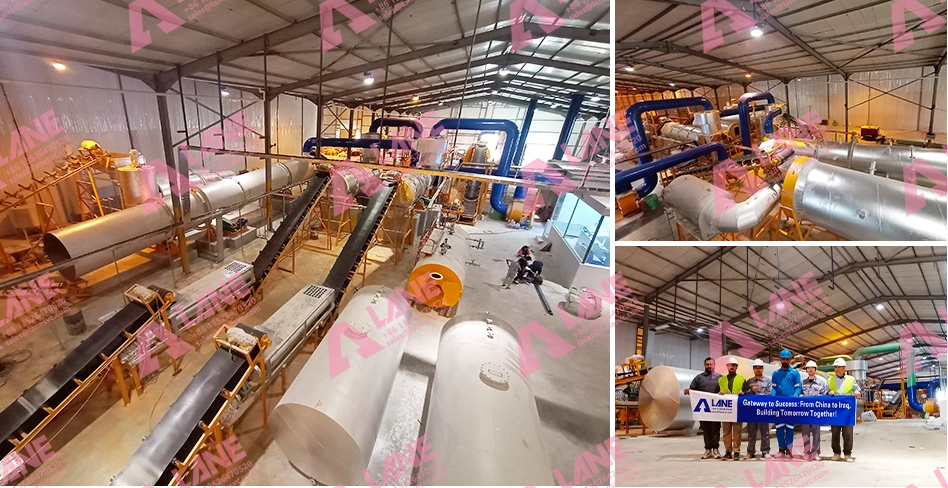
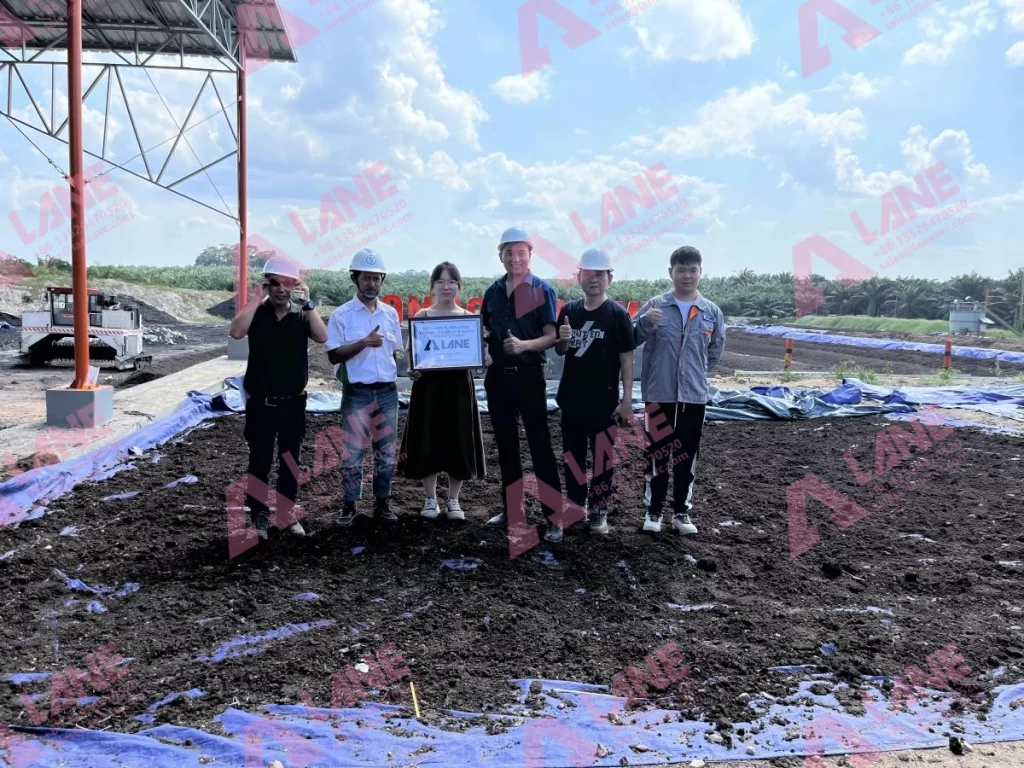
LANE, a large-scale fertilizer production equipment manufacturer with deep industry experience, supplies a number of these core components in configurations that work for both pilot-scale and commercial operations — a useful reference when evaluating vendor options.
Cost Overview
For anyone taking a small-scale SSP fertilizer production guide from planning into an actual facility build, capital investment for a basic 10-ton-per-day operation will typically land between $150,000 and $400,000 USD — civil construction and utility connections not included. On the operating cost side, raw materials dominate. Phosphate rock and sulfuric acid together generally account for 60–75% of production cost per ton, with energy, labor, and maintenance filling out the rest.
One variable that catches operators off guard: acid pricing moves around considerably. Facilities that can access sulfuric acid as a byproduct from nearby smelters or chemical plants tend to run meaningfully better margins than those buying from merchant suppliers. Sourcing strategy isn’t a secondary consideration — it has a direct line to profitability.
FAQ
Q: What is the minimum phosphate rock grade for SSP production?
Rock grading at least 26–28% P₂O₅ is generally the recommended floor. Lower grades can be processed, but the trade-offs in product quality and reaction efficiency are real.
Q: How long does curing take?
Standard curing runs 4 to 6 weeks. Rushing it is a dependable way to end up with a substandard product — the chemistry doesn’t negotiate on this one.
Q: Is SSP fertilizer manufacturing profitable on a small scale?
Yes — when the conditions are right. Access to raw materials, proximity to demand, and tight cost control are the variables that determine whether SSP fertilizer manufacturing works economically at this scale.
Q: What environmental permits are typically required?
The specifics vary by country, but most jurisdictions require air emission permits covering fluorine and dust, wastewater discharge compliance, and chemical storage documentation.
Q: Is granulation necessary?
No. Powdered SSP has a wide, established market and avoids the capital cost of granulation entirely. Granulation improves handling for certain applications and distribution models, but it’s a commercial decision — not a process requirement.
Closing Thoughts
Every reliable small-scale SSP fertilizer production guide comes back to the same three priorities: equipment quality, process control, and raw material sourcing. Get that right, and the rest of the operation falls into a manageable rhythm. The technology is proven. The market demand is real. And the economics of SSP fertilizer manufacturing hold up — when costs are managed with discipline. The path from initial planning to a running facility isn’t without its challenges, but it’s well-travelled by those who take the time to approach it properly.
For more details, please feel free to contact us.
Henan Lane Heavy Industry Machinery Technology Co., Ltd.
Email: sales@lanesvc.com
Contact number: +86 13526470520
Whatsapp: +86 13526470520