How to Choose the Best Rock Phosphate for SSP Production: Expert Insights for Higher Yield and Profit
- 2026-03-21
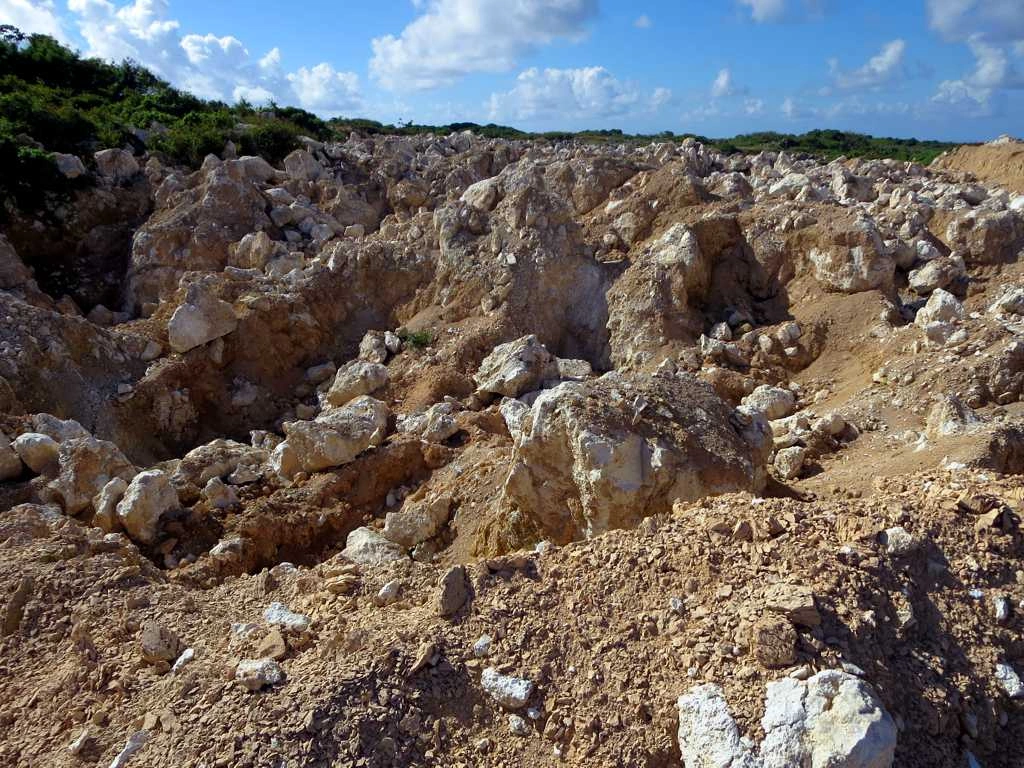
In the production process of single superphosphate (SSP), the selection of raw materials almost determines everything—especially, indeed, rock phosphate for SSP production. Many practitioners may overlook its importance or underestimate its impact at the beginning. However, as production scales up and cost pressure increases, this problem will gradually emerge.
In short, choosing the right rock phosphate for SSP production is not only related to output but also directly affects reaction efficiency, finished product quality, and the stability of equipment operation.
Why is the selection of rock phosphate so crucial?
From an industry perspective, the quality of rock phosphate for SSP production is mainly reflected in three aspects: P₂O₅ content, impurity level, and reaction activity. It sounds standard, right? But in practice, the operational complexity far exceeds the theoretical definition.
For example, some ores appear to have good P₂O₅ content but low reaction rates. The result is increased acid consumption and slowed production rhythm. Similarly, high impurity levels—especially MgO and Fe₂O₃—can interfere with the acidulation reaction. Many factories only truly realize this after suffering losses. I have also encountered a project where the client insisted on using lower-priced rock phosphate for SSP production. This led to severe equipment fouling and more frequent shutdowns later on, which ultimately proved to be uneconomical.
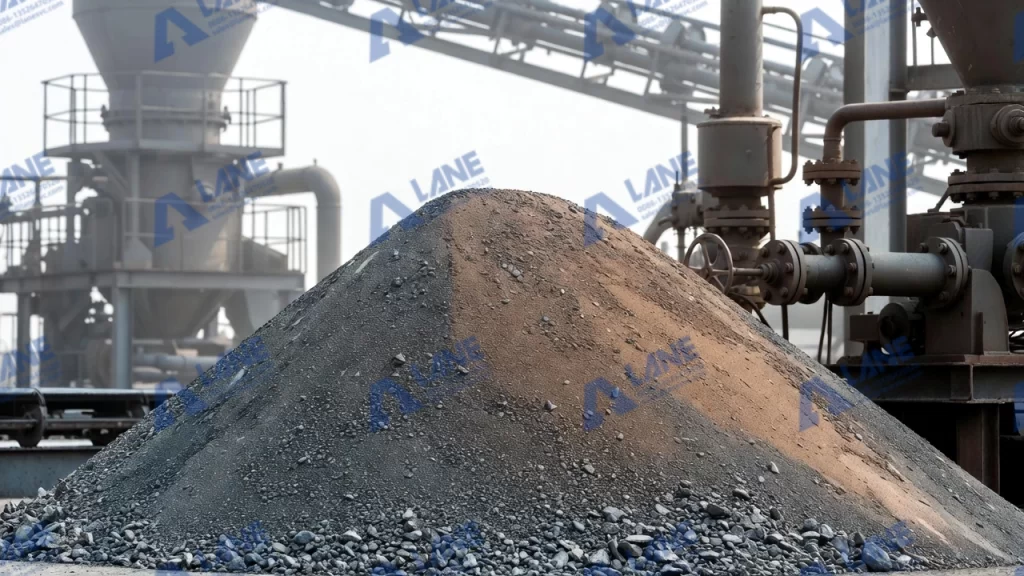
How to judge high-quality rock phosphate for SSP production?
- P₂O₅ content ≥ 28% (higher content is better, but cost balance must be considered)
- High reaction activity (loose particle structure for easier reaction with sulfuric acid)
- Low impurity content (especially MgO < 2%)
The Impact of Equipment Configuration on Performance (Cannot Be Ignored)
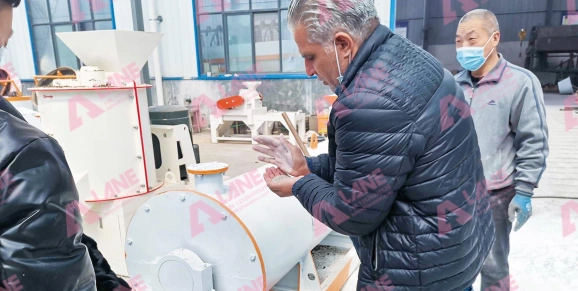
Used to crush rock phosphate for SSP production to a suitable particle size, increasing the reaction contact area.
Further refines the ore powder to achieve uniform rock phosphate for SSP production, enhancing acidulation efficiency.
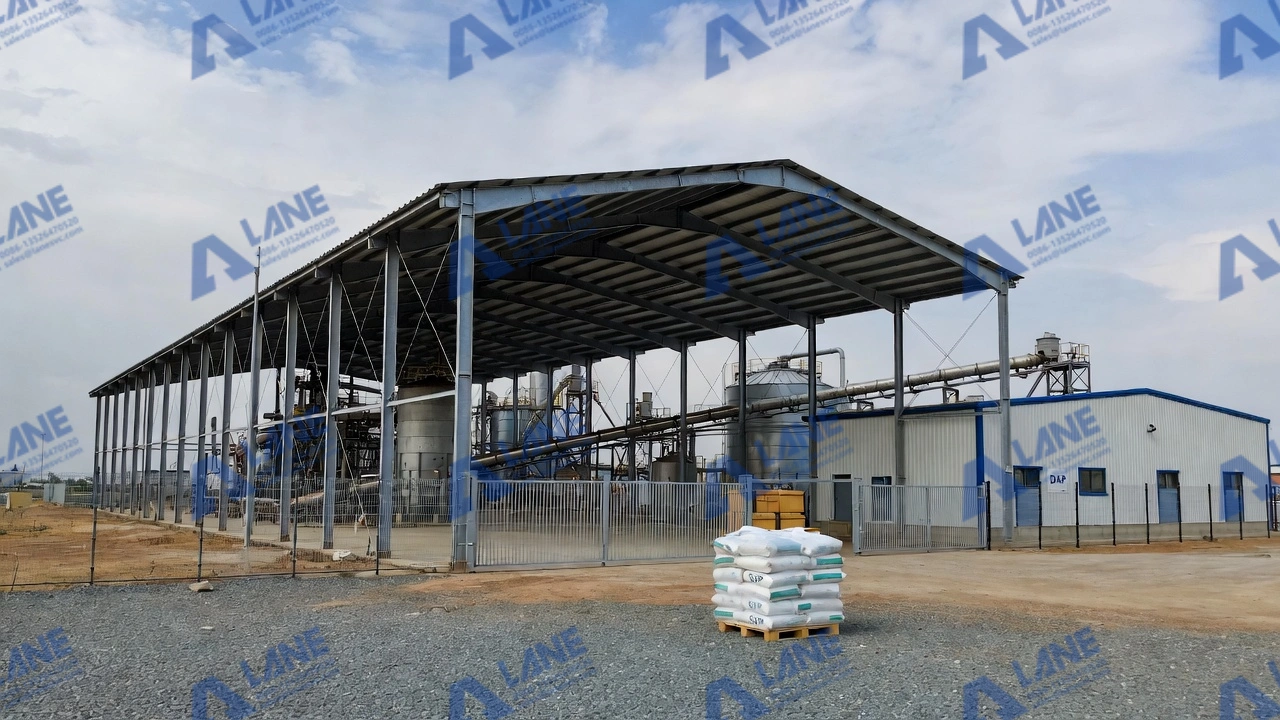
The core equipment for SSP production, which directly determines the conversion rate of rock phosphate for SSP production.
Converts the reacted material into stable granules, improving product quality and market competitiveness.
Ensures full reaction of rock phosphate for SSP production and boosts the final fertilizer efficiency.
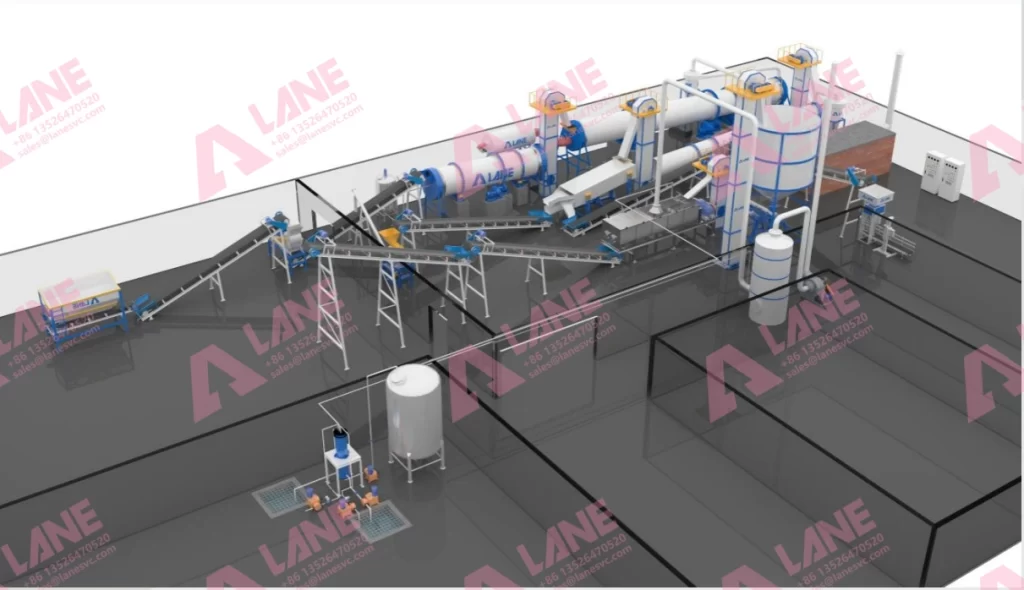
The balance point between cost and profit
- Higher acid consumption
- Lower reaction efficiency
- Higher maintenance costs
Practical Experience: Small but Critical Details
Here’s a practical tip that’s not exactly from textbooks. In continuous production, the particle size stability of rock phosphate for SSP production is more important than the average particle size. In other words, the smaller the fluctuation, the better. Otherwise, reactor conditions will change frequently, making it difficult for operators to maintain precise control. I have seen a factory increase its overall output by 8% simply by stabilizing the particle size distribution of the ore powder. No raw material changes, no additional equipment—only stabilized operation.
FAQ
Yes. Different phosphate ores have distinct characteristics, so equipment parameters need to be adjusted accordingly; otherwise, optimal performance cannot be achieved.
Yes, if the quality is stable. However, regular testing is still advised to avoid risks caused by batch-to-batch fluctuations.
Conclusion
For more details, please feel free to contact us.
Henan Lane Heavy Industry Machinery Technology Co., Ltd.
Email: sales@lanesvc.com
Contact number: +86 13526470520
Whatsapp: +86 13526470520