SSP Fertilizer Production Line Layout: From Raw Materials to Finished Product – Full Process Guide
- 2026-03-16
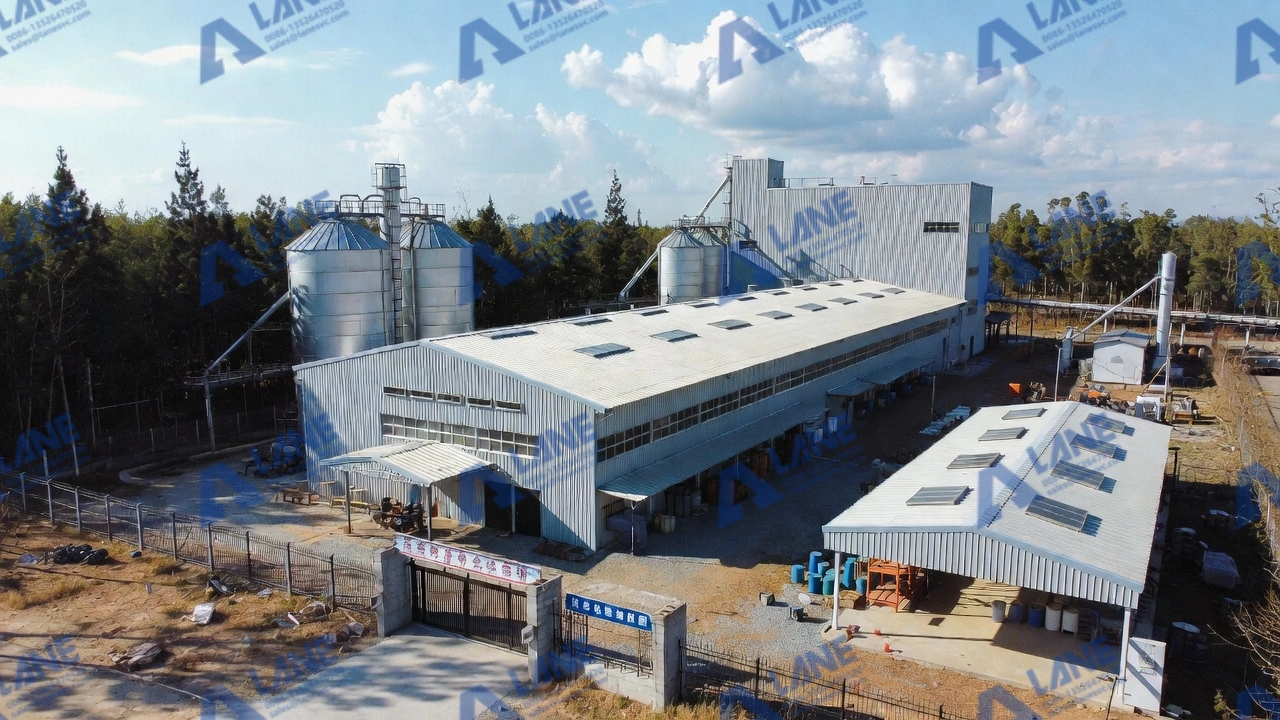
Designing an SSP fertilizer production line layout requires careful planning. On the surface, it might seem like just arranging machines, but anyone with experience in fertilizer production knows it’s far more intricate than that. Small layout missteps can lead to material handling nightmares, energy inefficiencies, or costly downtime that eats into profits fast.
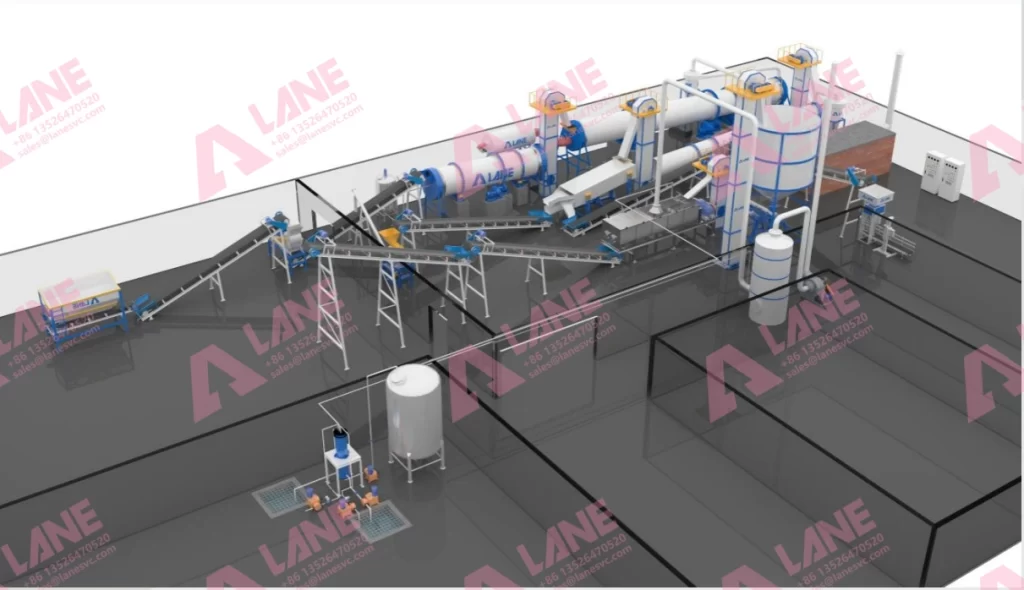
At the heart of a successful SSP fertilizer production line layout is smooth material flow—from raw materials, through chemical processing and granulation, all the way to final packing. Each stage needs to connect seamlessly, minimizing manual intervention while maintaining high-quality output. Let me walk you through the complete process.
Raw Material Preparation
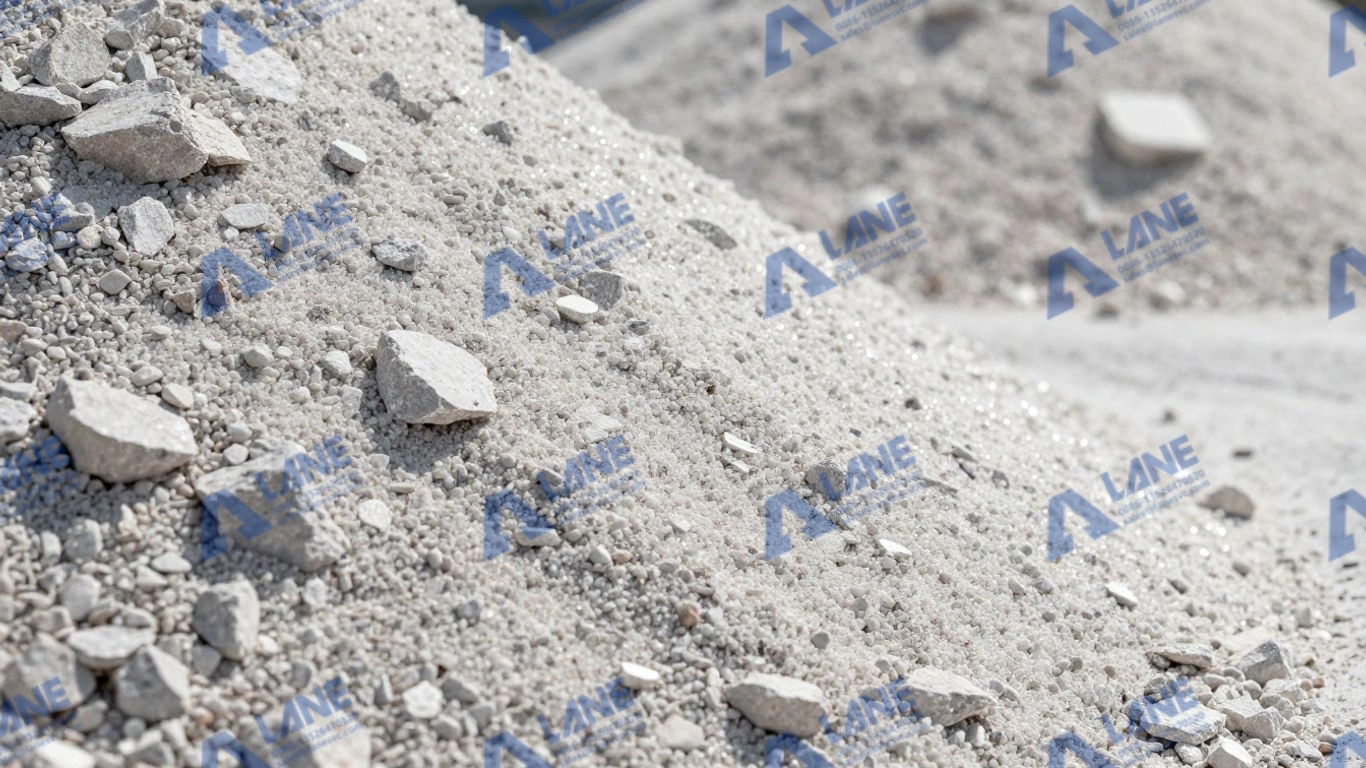
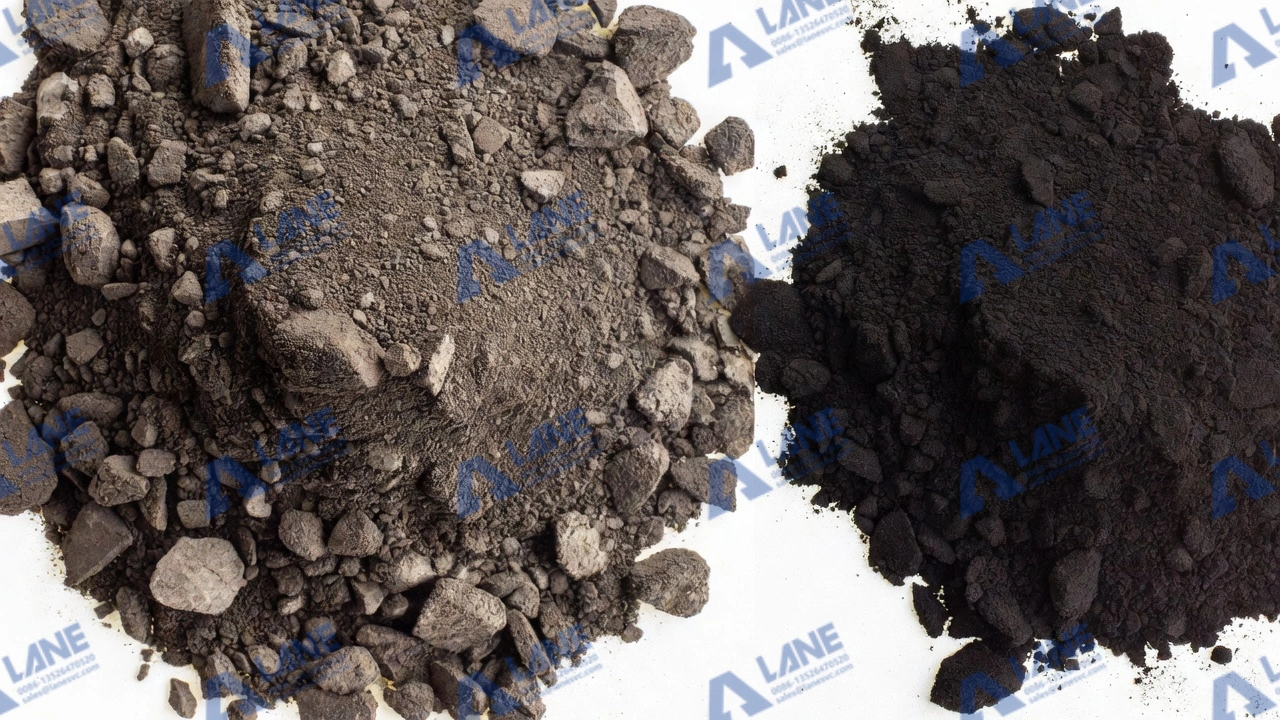
This is where everything begins. Get this right, and the rest flows much more easily. High-quality phosphate rock serves as the primary phosphorus source, while sulfuric acid and other additives complete the chemical recipe. In a practical SSP fertilizer production line layout, belt conveyors move materials to storage hoppers before they head to the grinding mill—particle size reduction here is critical for proper chemical reactions downstream.
Here’s something I always stress to clients: proper storage cannot be overlooked. Moisture or contamination at this stage can—and often does—compromise an entire batch. In my experience, even minor mismanagement in raw material handling leads to inconsistent granule quality that shows up later in the process, and that’s a much harder problem to solve.
Reaction and Granulation
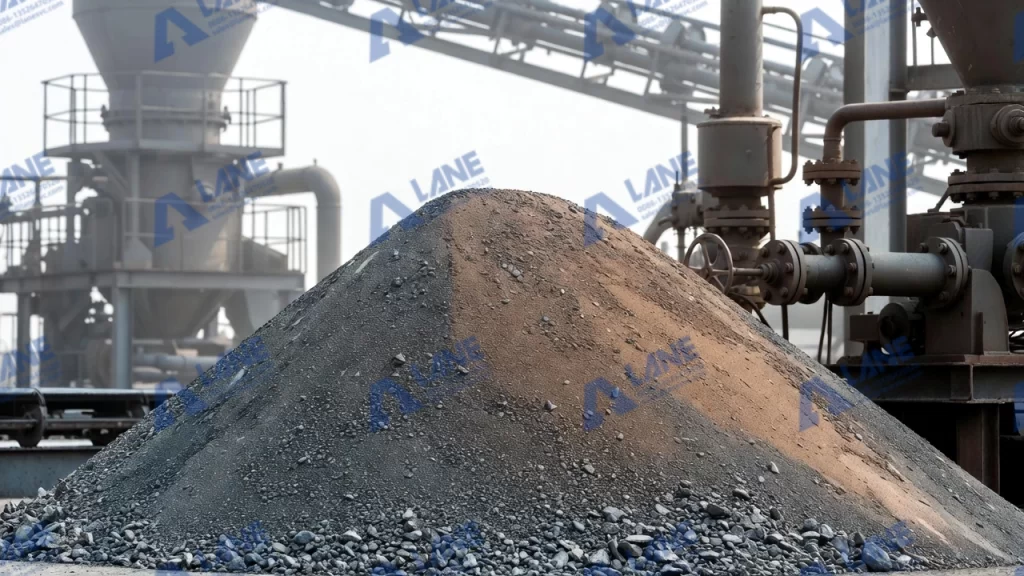
Now comes the heart of the process. Phosphate rock reacts with sulfuric acid in SSP acidulation tanks, creating that soluble phosphate mixture we need. Where you position these tanks matters enormously—place them too far from the granulation area, and material handling becomes inefficient, costly, and prone to spills.
Granulation is where the magic happens. This transforms the treated mixture into uniform granules, typically using rotary drum granulators or double roller granulators. The sequence matters more than most people realize: positioning the granulator close to the dryer minimizes transport distance and dramatically reduces spillage. I’ve seen plants where poor equipment placement caused constant clogging—rearranging things properly solved the problem and boosted throughput significantly.
Drying and Cooling
Granules leaving the granulator contain plenty of moisture. They need stabilizing before storage. Rotary dryers handle this first, then coolers bring the product down to safe storage temperatures.
From years in the field, I can tell you that the alignment of dryers and coolers in the SSP fertilizer production line layout directly impacts energy consumption. A linear setup works best—materials move smoothly with minimal handling between stages. Misalignment or lengthy transport paths don’t just waste energy; they increase labor requirements and risk degrading the material.
Screening and Coating
Once cooled, granules pass through rotary screening machines. Oversized granules are crushed and recycled back into the process, while undersized ones can be blended back for re-granulation. This classification step is a key part of any well-planned SSP fertilizer production line layout, ensuring uniform particle size, which matters enormously for both field application performance and market acceptance.
Coating is optional but often worthwhile. A coating machine can apply anti-caking agents or protective layers. Integrating coating right after screening rather than setting up a separate station is something I’ve found substantially reduces manual handling while maintaining granule integrity.
Packaging and Storage
Finally, granules reach automatic packing machines. These systems weigh and bag the fertilizer with impressive accuracy, readying it for distribution. Storage areas must be organized, easily accessible, and completely isolated from moisture or contamination.
At LANE, we never tire of emphasizing that packaging and storage are just as critical as the granulation process itself. Inadequate storage planning is one of the most frequent oversights I encounter, yet it directly affects product quality, customer satisfaction, and overall operational efficiency.
Equipment Overview
Here’s a quick reference to key equipment used in a full SSP fertilizer production line layout:
Belt Conveyors – Efficiently transport raw materials and products between process stages.
Grinding Mills – Reduce particle size to ensure proper chemical reaction
SSP Acidulation Tanks – Provide a consistent chemical processing environment
Rotary Drum Granulators / Double Roller Granulators – Form uniform, market-ready granules
Rotary Dryers and Coolers – Stabilize moisture content and product temperature
Rotary Screening Machines – Classify granules by size for consistent quality
Coating Machines – Improve storage stability and prevent caking
Automatic Packing Machines – Ensure accurate weighing and efficient bagging
Careful consideration of each machine’s placement ensures the entire line operates both energy-efficiently and cost-effectively.
Design Tips from Experience
- Minimize Material Transfer: Every extra move increases labor costs and contamination risk. I consistently recommend sequential equipment placement—straight lines work better than complicated routing.
- Built in Flexibility: Space for maintenance access and future expansion is absolutely crucial. Lines that are “tight-packed” to save floor space often face serious operational bottlenecks within a few years.
- Prioritize Energy Efficiency: Dryers and coolers consume the most energy in any SSP line. A smart layout reduces heat loss, minimizes unnecessary conveyor runs, and ultimately lowers operating costs.
- Embrace Automation: Automated conveyors, packing, and screening systems reduce human error while improving consistency. From my perspective, automation isn’t optional anymore—it’s essential for anyone planning a profitable operation and designing an efficient SSP fertilizer production line layout.
FAQ About SSP Fertilizer Production Line Layout
Q1: What workshop size is required for a medium-capacity line?
Typically, 20,000–50,000 tons/year lines need 800–1,500 m², including storage areas and adequate equipment spacing for maintenance access. When planning an SSP fertilizer production line layout, allowing enough space for both equipment and workflow is crucial to maintain efficiency.
Q2: Can existing fertilizer plants be retrofitted for SSP production?
Absolutely. However, it requires careful SSP fertilizer production line layout adjustments, particularly in the granulation, drying, and packing sections. Retrofitting without proper planning frequently reduces efficiency and increases long-term maintenance costs.
Q3: What is the recommended equipment sequence?
Raw material handling → grinding → acidulation → granulation → drying → cooling → screening → coating → packing. Minor adjustments can be made based on available space and specific workflow requirements. A well-thought-out SSP fertilizer production line layout ensures smooth material flow and minimizes operational bottlenecks.
Q4: How important is automation?
Automation is critical for achieving consistent product quality, reducing labor dependency, and enabling scalability. Integrated automation systems minimize errors, ensure precise weighing, and streamline the entire material flow.
Q5: What common mistakes should be avoided?
Ignoring storage planning, poor dryer-cooler alignment, and inefficient material flow rank as the top three mistakes. Each creates downstream problems that directly impact product quality and increase operating costs.
Conclusion
Planning an SSP fertilizer production line layout goes far beyond simply placing machines in logical positions. It requires a deep understanding of material flow dynamics, energy efficiency, operational convenience, and practical maintenance access. Attention to detail—from raw material storage through to final packaging—can make the difference between a profitable operation and one that constantly struggles with inefficiencies.
LANE has spent years optimizing production line layouts that balance all these critical factors. Our experience provides a reliable reference for anyone serious about entering SSP fertilizer production and doing it right from the start.
For more details, please feel free to contact us.
Henan Lane Heavy Industry Machinery Technology Co., Ltd.
Email: sales@lanesvc.com
Contact number: +86 13526470520
Whatsapp: +86 13526470520