Why SSP Fertilizer for Wheat Is Essential: Expert Tips for 30% Higher Production
- 2026-03-05
Why SSP Fertilizer Is Essential for Wheat: Expert Tips for 30% Higher Production
After working with wheat farmers across different regions for over fifteen years, I’ve seen how phosphorus deficiency can quietly destroy a season’s potential. Single Super Phosphate (SSP) addresses this problem head-on, delivering phosphorus in a form wheat plants can actually use during their critical growth stages. When farmers ask me about the most cost-effective way to boost wheat yields, SSP fertilizer for wheat is almost always my first recommendation.
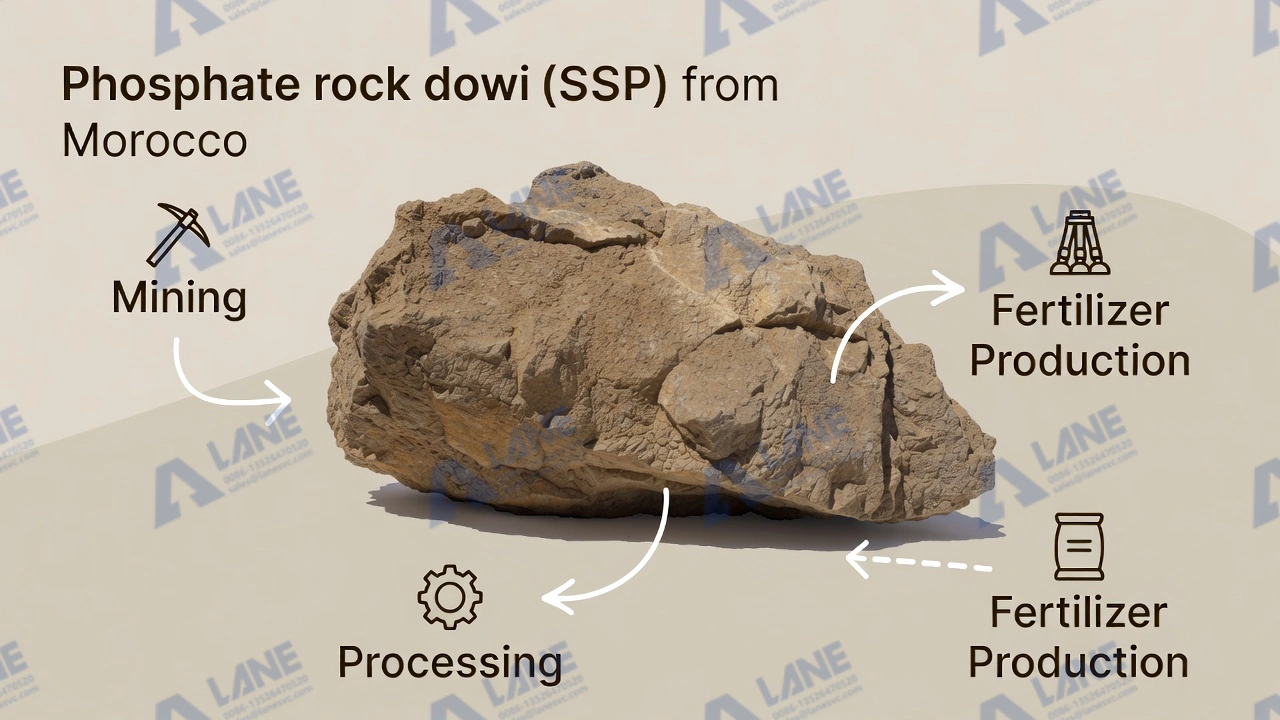
SSP fertilizer for wheat provides 16-20% phosphorus pentoxide (P₂O₅), along with 11-12% sulfur and 18-21% calcium. This combination matters more than most farmers realize. Wheat needs phosphorus early—during tillering and root establishment. Miss that window, and you’re fighting an uphill battle for the rest of the season.
The sulfur content deserves attention too. Modern high-yield wheat varieties pull significant sulfur from soil, especially in regions where atmospheric sulfur deposition has dropped over the past two decades. When you apply SSP fertilizer for wheat, you’re covering two nutrient gaps simultaneously.
Why Phosphorus Timing Makes or Breaks Your Yield
Most farmers know wheat needs nitrogen. Phosphorus gets less attention until something goes wrong. I’ve walked fields where plants looked fine aboveground but had shallow, poorly developed roots. The culprit? Inadequate phosphorus during early growth. When planning a wheat fertilization program, proper SSP fertilizer for wheat application should be the foundation of your strategy.
SSP fertilizer for wheat works best when applied before or at sowing. Phosphorus doesn’t move through soil like nitrogen does. It needs to be there when roots start exploring. Broadcast application followed by incorporation gives roots access from day one.
In my experience, basal application rates between 100-150 kg/ha work for most medium-fertility soils. Heavy clay soils or those with high phosphorus fixation need higher rates. Sandy soils with good phosphorus availability can get by with less. Soil testing removes the guesswork, but field history and previous crop performance tell you plenty.
Production Quality: What Actually Matters
Not all SSP performs equally. Quality depends heavily on manufacturing precision, particularly the granulation drum settings and the effectiveness of the rotary dryer. Poorly processed SSP contains excessive moisture and inconsistent particle sizes, leading to uneven field distribution.
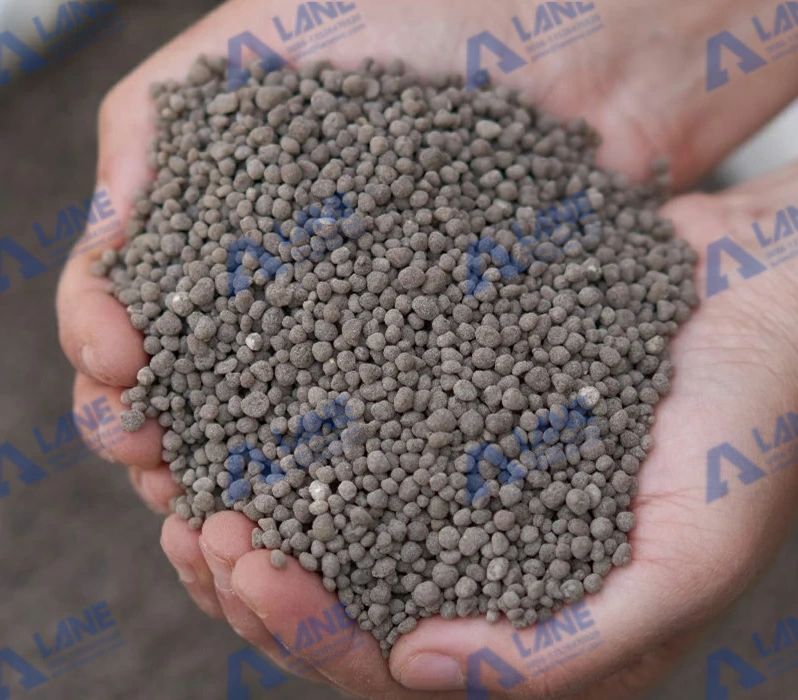
Good SSP has uniform granule size, typically 2-4mm. This matters for spreader accuracy. When I see farmers dealing with streaky growth patterns, particle size variation is often part of the problem. Modern screening systems at production facilities help, but older plants sometimes skip this step to save costs.
Moisture content should stay below 8%. Higher levels cause clumping during storage and reduce spreading accuracy. The cooler machine in the production line controls this. Farmers buying SSP should check for loose, free-flowing granules. If the bag contains chunks or feels damp, that batch won’t spread evenly.
Application Methods That Actually Work
Band placement near the seed row gives wheat plants phosphorus access right when they need it. I’ve seen yield increases of 20-30% compared to broadcast methods alone, especially on phosphorus-deficient soils. For best results with SSP fertilizer for wheat, the catch is that band application requires proper equipment and careful depth control. Too close to the seed causes germination problems. Too far away defeats the purpose.
Top-dressing SSP rarely works well because phosphorus won’t move down into the root zone without significant rainfall. Save your effort and apply it right the first time.
For large-scale operations, precision spreaders paired with GPS guidance eliminate overlap and gaps. Variable rate application makes sense when you have detailed soil maps showing phosphorus levels across fields. Uniform fields don’t need that complexity.
Real Results from Proper SSP Management
The 30% production increase isn’t marketing hype. I’ve documented it repeatedly when farmers switch from zero phosphorus inputs to proper SSP fertilizer for wheat applications. When you invest in quality SSP fertilizer for wheat, the returns come in multiple ways. The gain comes from several sources: better root systems, improved tillering, stronger stems that resist lodging, and better grain filling.
Protein content improves too, though not as dramatically as yield. That matters for wheat grades and prices. Combined with adequate nitrogen management, SSP fertilizer for wheat helps wheat reach its genetic potential rather than limping along on residual soil fertility.
The sulfur in SSP improves nitrogen use efficiency. Wheat can’t build proteins without sulfur, so nitrogen alone doesn’t deliver full benefits. This relationship explains why farmers using ammonium sulfate or SSP alongside their nitrogen program consistently outperform those relying on urea alone.
Common Mistakes That Cost Money
Farmers often apply SSP too late, after plants have already established shallow roots. Phosphorus won’t fix that problem retroactively. Others spread it unevenly, creating zones of excess and deficiency within the same field. Check your spreader calibration every season. Worn components cause distribution problems.
Mixing SSP with nitrogen fertilizers before application creates chemical reactions that reduce phosphorus availability. Keep them separate until application time. This especially applies to ammonium-based nitrogen sources.
Ignoring soil pH wastes money. Very acidic soils (below pH 5.5) and alkaline soils (above pH 8.0) lock up phosphorus through different chemical reactions. Address pH problems before dumping in more fertilizer.
Storage and Handling Practices
SSP pulls moisture from air, especially in humid climates. Store bags off the ground on pallets, preferably in covered areas. Once you open a bag, use it within a few weeks or seal it properly. Moisture absorption turns granules into cement-like clumps that won’t feed through spreaders.
Cold storage doesn’t hurt SSP, but temperature swings that cause condensation do. Keep storage areas well-ventilated. The packaging equipment at production facilities uses moisture-barrier bags for good reason—use them properly.
Frequently Asked Questions
How much SSP fertilizer for wheat should I apply per hectare?
Standard rates for SSP fertilizer for wheat typically run 100–150 kg/ha for most situations. Conduct soil tests to dial this in precisely. High-phosphorus soils need less; deficient soils might require up to 200 kg/ha initially when applying SSP fertilizer for wheat, then drop to maintenance rates once soil nutrient levels improve.
Can I mix SSP with other fertilizers before spreading?
Don’t mix it with nitrogen sources ahead of time, especially when applying SSP fertilizer for wheat, as chemical reactions can reduce its effectiveness. Apply separately or use a multi-compartment spreader that keeps products apart until they hit the ground to ensure optimal nutrient availability and maximum performance.
When should I apply SSP for best results?
Apply at or just before sowing. Phosphorus needs time to position itself in the root zone. Post-emergence applications rarely deliver meaningful benefits because phosphorus doesn’t move through soil effectively.
Does SSP work on alkaline soils?
Yes, but efficiency drops on soils above pH 8.0. The phosphorus reacts with calcium to form less available compounds. Consider acidifying fertilizers or targeted pH management in problem areas. SSP still outperforms many alternatives in these conditions.
How do I know if my wheat needs phosphorus?
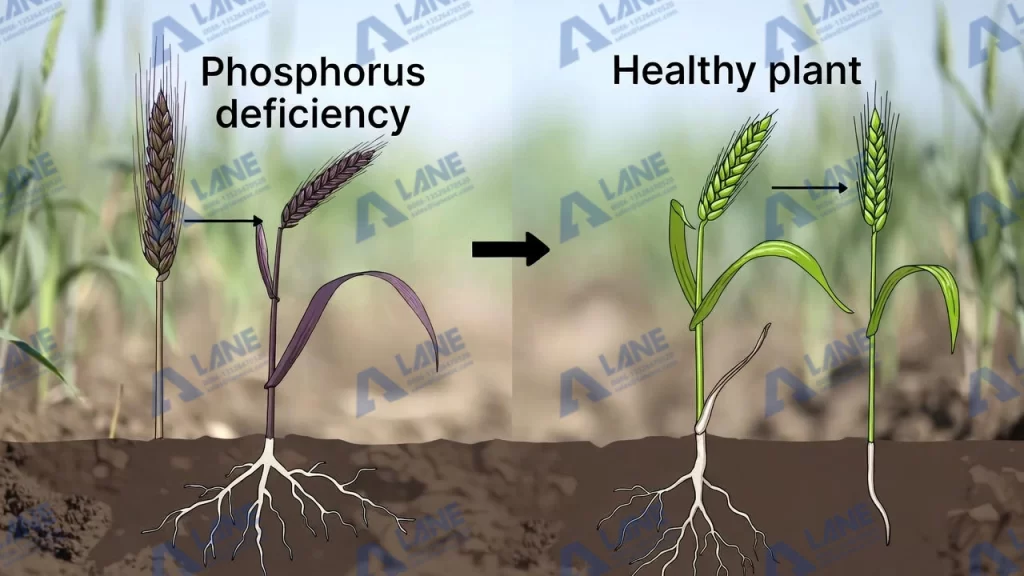
Stunted early growth, purple-tinted leaves, and shallow root systems indicate phosphorus deficiency. Soil testing confirms suspicions and quantifies the problem. Tissue testing during growth helps too, but by then you’re already behind.

For more details, please feel free to contact us.
Henan Lane Heavy Industry Machinery Technology Co., Ltd.
Email: sales@lanesvc.com
Contact number: +86 13526470520
Whatsapp: +86 13526470520