Top Strategies Using Rock Phosphate for SSP Production to Maximize Efficiency and Reduce Costs
- 2026-03-13
Making Single Superphosphate (SSP) fertilizer efficiently is a big deal for farmers. We’re talking about getting the most out of the raw materials, like rock phosphate, and keeping costs down. It’s not just about throwing things together; there’s a science to it. This article looks at some smart ways to run the whole SSP production process, from the ground up, to make sure you’re getting the best results without breaking the bank. We’ll cover everything from the basic ingredients to the fancy tech that keeps things running smoothly. Plus, we’ll touch on how things like peanut shell feed utilization methods can play a role in a more circular approach.
Key Takeaways
- Start with good quality phosphate rock; it makes everything else easier and more efficient. Storing it right, like in silos that control moisture, is also super important.
- The reaction between rock phosphate and sulfuric acid needs to be just right. Getting the amounts and conditions like temperature correct means you get more usable product and less waste.
- Using modern reactors and granulators that are built for efficiency helps make sure the fertilizer is the right size and quality, which means it’s easier to handle and use.
- Automating the process with control systems means fewer mistakes, less downtime, and a more consistent product. Sensors that check quality along the way catch problems early.
- While not directly part of SSP production, looking at ways to use by-products or waste materials, such as the Peanut Shell Feed Utilization Method, can help lower overall costs and improve sustainability.
1. Phosphate Rock
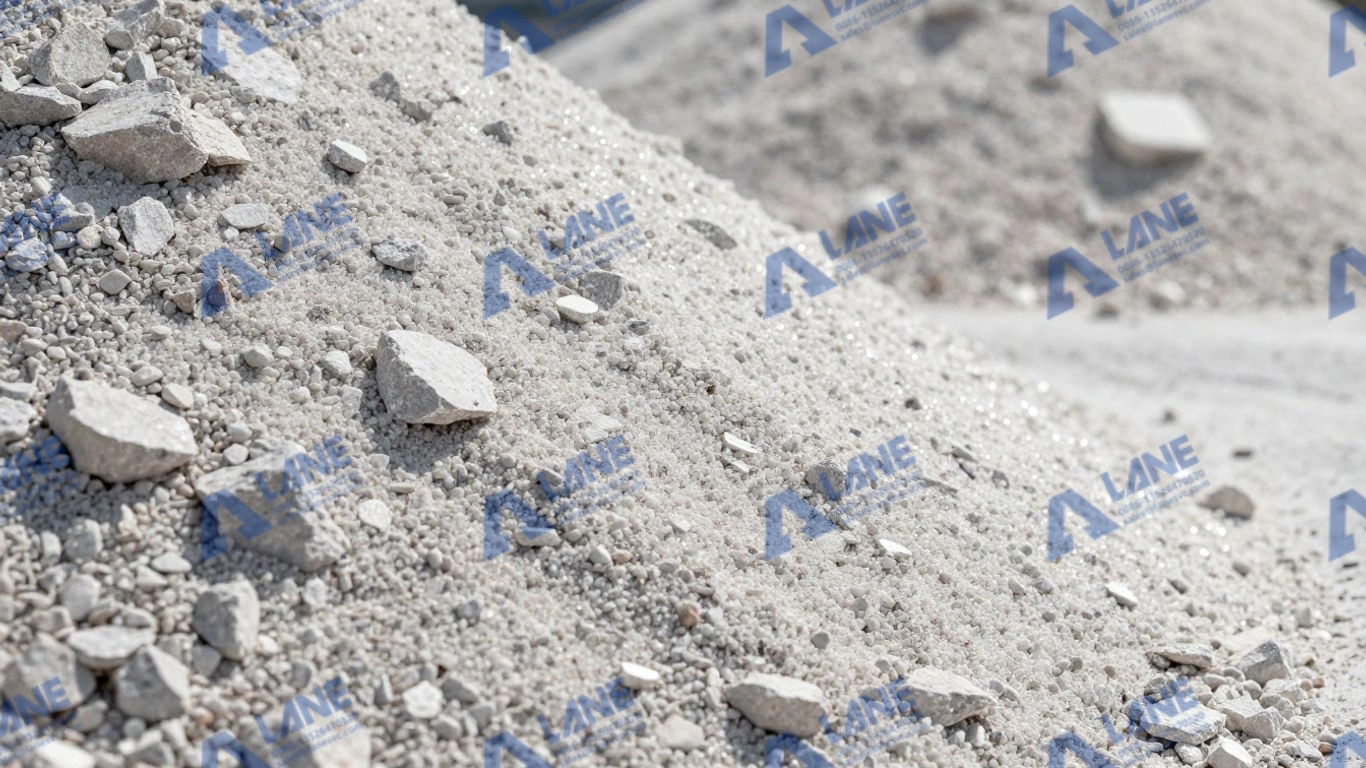
Phosphate rock, often called rock phosphate, is the main ingredient for making Single Superphosphate (SSP). Think of it as the bedrock of our fertilizer production. It’s a naturally occurring mineral, mostly made up of apatite, which is a calcium phosphate compound. These deposits formed over millions of years from the remains of marine life, like shells and bones.
The quality and type of phosphate rock you use really matters for SSP production. Different rocks have varying amounts of phosphorus and other minerals that can affect the reaction with sulfuric acid. Generally, sedimentary phosphate rocks are used for fertilizer production because they’re more reactive. Major global reserves are concentrated in places like Morocco, China, and the United States. Getting the right kind of rock is the first step to making good SSP.
Here’s a quick look at what makes phosphate rock important:
- Source of Phosphorus:It’s the primary way we get phosphorus into fertilizers. Phosphorus is a nutrient that plants absolutely need to grow strong roots, produce flowers and seeds, and generally thrive. Without enough phosphorus, crops just won’t yield well.
- Geological Concentration:Most of the world’s supply comes from a few key regions. This means supply chains can be complex and depend on international trade.
- Mineral Composition:The specific minerals present, like apatite, and their reactivity levels directly influence how efficiently it can be converted into SSP.
The effectiveness of phosphate rock in SSP production hinges on its mineral makeup and physical characteristics. Understanding these properties allows for better process control and ultimately, a more efficient fertilizer.
Choosing the right source and understanding its properties is key to maximizing the efficiency of your SSP production line. It’s not just about having the rock; it’s about having the right rock. You can find more details on the process engineering for SSP production lines at this guide.
2. Sulfuric Acid
Sulfuric acid is a big player in making Single Superphosphate (SSP). It’s the key ingredient that reacts with phosphate rock to get the phosphorus into a form plants can actually use. Getting this part right is super important for efficiency.
Think of it like this: you need the right amount of acid to react with the rock. Too little, and you won’t get all the good stuff out of the rock. Too much, and you’re just wasting acid and potentially causing other issues down the line. It’s a balancing act.
Here’s a quick look at what matters with sulfuric acid in SSP production:
- Concentration:The strength of the sulfuric acid matters. Usually, it’s around 93% concentration. If it’s weaker, you’ll need more of it, which isn’t ideal for cost or efficiency.
- Purity:You don’t want junk in your acid. Impurities can mess with the reaction, create unwanted byproducts, or even clog up your equipment. Keeping it clean is a good idea.
- Supply Chain:Making sure you have a steady, reliable supply of sulfuric acid is non-negotiable. Running out means your whole SSP production line grinds to a halt, and that’s a costly problem.
The reaction between sulfuric acid and phosphate rock is exothermic, meaning it gives off heat. Managing this heat is part of controlling the reaction rate and making sure the process stays stable and efficient. It’s not just about dumping things together; there’s a science to it.
Getting the sulfuric acid to phosphate rock ratio just right is probably the most critical factor for maximizing your SSP yield and keeping costs down. It directly impacts how much usable phosphorus you end up with in your final product.
3. Phosphoric Acid
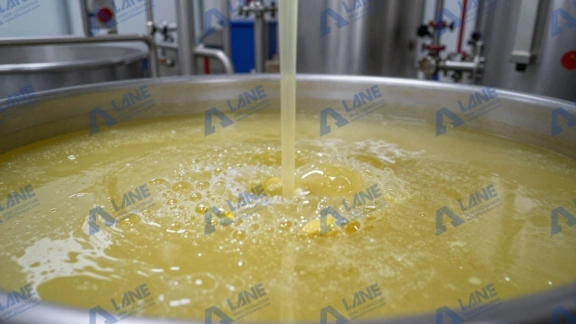
Phosphoric acid is the heart of single superphosphate (SSP) production. It’s what we get when we react phosphate rock with sulfuric acid. Think of it as the intermediate step that makes the phosphorus in the rock available for plants. The quality and concentration of this phosphoric acid really matter for the final SSP product.
Getting the phosphoric acid just right involves a few key things:
- Concentration:The strength of the phosphoric acid affects how well it reacts and the final P content of the SSP. Too weak, and you might not get a good reaction; too strong, and it can be harder to handle.
- Purity:Impurities in the phosphoric acid can cause problems down the line, affecting the fertilizer’s quality and even its handling properties.
- Temperature:Keeping the acid at the right temperature is important for the reaction to proceed efficiently.
The reaction itself is pretty straightforward: Phosphate Rock + Sulfuric Acid → Phosphoric Acid + Calcium Sulfate.
The efficiency of this step directly impacts the overall yield and cost of producing SSP. It’s a balancing act between getting the most phosphorus out of the rock and managing the byproducts effectively. Getting this part right is a big win for maximizing production.
We need to make sure the reaction conditions are dialed in. This means controlling the ratios of the inputs and the reaction time. It’s not just about mixing things together; it’s about understanding the chemistry to get the best results. For more on how this process fits into the bigger picture of fertilizer production, you can look into how phosphoric acid is made.
Here’s a quick look at typical parameters, though these can vary:
| Parameter | Typical Range |
| Phosphoric Acid (%) | 28-30 P2O5 |
| Temperature (°C) | 70-80 |
| Reaction Time (min) | 15-30 |
4. High-Efficiency Reactors
When you’re making Single Superphosphate (SSP), the reactor is where a lot of the magic happens. It’s where the phosphate rock meets sulfuric acid, kicking off the whole chemical transformation. Getting this part right is super important if you want to make a lot of SSP without wasting time or materials.
The goal is to get the rock and acid to mix really well and react fast. Old-school reactors might be okay, but modern ones are designed to do this much better. They often have special impellers or mixing systems to make sure everything is blended uniformly. This uniform mixing means the acid can get to all the little bits of phosphate rock, leading to a more complete reaction. Faster reactions mean you can process more material in the same amount of time, which is a big win for efficiency.
Here’s a quick look at what makes a reactor high-efficiency:
- Uniform Mixing:Special agitators or designs ensure all raw materials are thoroughly combined.
- Rapid Reaction:Optimized conditions speed up the conversion of phosphate rock into usable phosphorus.
- Heat Management:Effective systems to control the heat generated during the reaction, preventing issues and maintaining optimal reaction rates.
- Material Flow:Designed to handle the slurry smoothly, preventing build-up and ensuring continuous operation.
Think about it like baking a cake. If you don’t mix the ingredients properly, you’ll end up with lumps and an uneven bake. The same idea applies here, but with chemicals. A well-designed reactor helps avoid incomplete reactions, which can leave unreacted phosphate rock or create unwanted byproducts. This not only lowers your yield but can also make downstream processing, like granulation, more difficult. Investing in better reactor technology can really pay off by speeding up your SSP production and improving the overall quality of your fertilizer.
5. Granulators
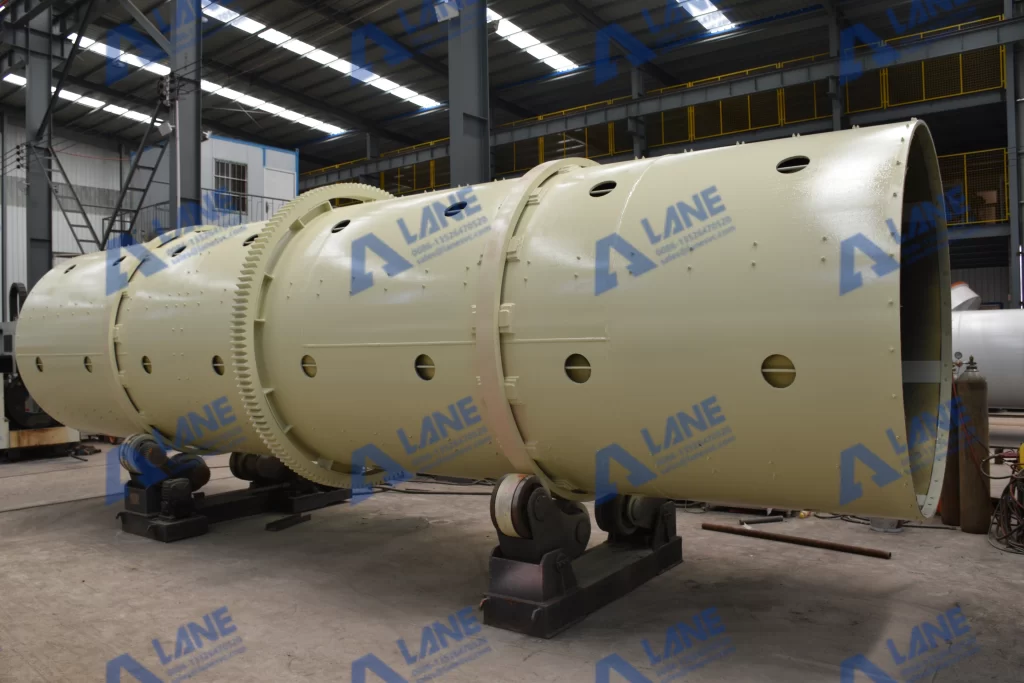
After the initial reaction, the material needs to be turned into a usable fertilizer form, and that’s where granulators come in. These machines take the semi-reacted slurry and form it into small, consistent pellets, which we call granules. Getting the granulation right is super important for the final product’s quality and how well it works in the field.
Think about it: if your granules are all different sizes, some might dissolve too fast, and others might not break down enough. This leads to uneven nutrient distribution for crops. High-efficiency granulators are designed to produce uniform granules, which makes handling, storage, and application much smoother. They help minimize dust, which is not only a safety issue but also a loss of product.
Here’s a quick rundown of what makes a granulator effective:
- Uniform Granule Size:This is the main goal. Consistent size means predictable performance.
- High Throughput:Modern granulators can handle a lot of material, keeping your production line moving.
- Moisture Control:The amount of water in the mix is critical. Too much or too little can cause problems, like clogging the equipment or creating weak granules.
- Durability:These machines work hard, so they need to be built tough to handle the abrasive materials.
The granulation process is really about transforming a reactive powder into a stable, easy-to-handle pellet. It’s a key step that directly impacts how the fertilizer performs once it’s out of the factory and in the farmer’s hands. Getting this right means less waste and happier customers.
Some advanced systems even incorporate coating right after granulation. This adds another layer of protection, making the granules less likely to clump together or absorb moisture during storage. It’s all about making sure the fertilizer stays in good shape from the plant to the field.
6. Humidity-Controlled Silos
Keeping your raw materials in top shape is a big deal for making good Single Superphosphate (SSP). One key part of this is how you store them, especially the phosphate rock. Humidity-controlled silos are your best bet for preventing degradation and maintaining material quality.
Why is this so important? Well, phosphate rock can get clumpy and lose its effectiveness if it sits around in a damp environment. This can mess with the whole production process down the line, leading to lower yields and more waste. Think of it like leaving your sugar out in the rain – not ideal.
These specialized silos help maintain a stable environment, keeping moisture out and protecting the rock from the elements. This means when it’s time to move the rock to the next stage, like grinding or reacting with sulfuric acid, it’s still in good condition. It makes the whole operation run smoother and cuts down on problems.
Here’s a quick rundown of why they matter:
- Prevents Caking:Stops phosphate rock from sticking together, which makes it easier to handle and process.
- Maintains Reactivity:Keeps the chemical properties of the rock intact, so it reacts properly during SSP production.
- Reduces Waste:By protecting the raw material, you avoid throwing away degraded product.
- Ensures Consistent Feed:Provides a steady supply of good-quality rock to the production line, avoiding bottlenecks.
Proper storage of raw materials, like using humidity-controlled silos, is a foundational step often overlooked. It directly impacts the efficiency of subsequent processes and the final quality of the SSP produced. Getting this right from the start saves a lot of headaches and costs later on.
Investing in these kinds of storage solutions might seem like an extra step, but it really pays off in the long run. It’s all about setting yourself up for success by taking care of your inputs. For more on optimizing material handling, check out automated material transport.
7. Automated Process Control Systems
You know, keeping a fertilizer plant running smoothly is a lot like juggling. You’ve got all these different parts moving, and if one thing goes wrong, the whole show can fall apart. That’s where automated process control systems really shine.
These systems are the brains behind the operation, constantly watching and adjusting things so everything stays on track. They use sensors to monitor key variables like temperature, pressure, and how fast materials are moving through the system. Think of it as having a super-attentive supervisor who never sleeps. When a reading is a little off, the system makes tiny, immediate adjustments – maybe tweaking a valve or adjusting a conveyor belt speed. This keeps the whole production line running at its best, preventing those costly slowdowns or quality dips.
Here’s a quick look at what these systems do:
- Real-time Monitoring:They keep a constant eye on everything happening in the plant.
- Automatic Adjustments:They make small changes on the fly to keep things optimal.
- Data Logging:They record all the important information, which is super helpful for later analysis.
- Safety Checks:They can also monitor for unsafe conditions and trigger alarms or shutdowns.
Integrating these systems means you’re not just reacting to problems; you’re actively preventing them. It’s about making sure the acidulation process, for example, stays within its ideal parameters without constant human intervention. This leads to more consistent product quality and, importantly, less wasted material and energy. It’s a big step towards a more efficient and cost-effective way to produce SSP.
Implementing advanced automation isn’t just about fancy technology; it’s about building a more reliable and predictable production process. By letting the machines handle the minute-to-minute adjustments based on real-time data, human operators can focus on higher-level tasks and troubleshooting when needed. This division of labor often leads to fewer errors and a more stable output.
These systems are becoming standard in modern fertilizer production lines, helping to maintain a stable and efficient process Modern TSP fertilizer production lines utilize automation systems for precise control of temperature, material flow, and reaction conditions, ensuring a stable and efficient process. It’s a smart investment for any producer looking to maximize their output and keep costs down.
8. Drying Systems
After the granulation process, the fertilizer needs to be dried. This step is pretty important for making sure the final product is stable and doesn’t have too much moisture. If you get this wrong, you can end up with clumpy fertilizer or, worse, a product that breaks down easily.
Efficient drying is key to maximizing throughput and ensuring product quality. We’re talking about using equipment that can handle a lot of material quickly without using up a ton of energy. Rotary dryers and fluidized bed dryers are common choices here because they offer good heat transfer and can process large volumes.
Here’s a quick look at what makes a drying system work well:
- Temperature Control:Keeping the temperature just right is vital. Too hot, and you risk damaging the fertilizer; too cool, and it won’t dry effectively.
- Airflow Management:Proper airflow helps carry away the moisture efficiently. You need to balance this with temperature to avoid losing too much heat.
- Residence Time:How long the fertilizer stays in the dryer matters. It needs enough time to dry but not so long that it becomes over-processed.
Monitoring moisture levels in real-time is also a big deal. Advanced sensors can help you keep the moisture content within the desired range, which cuts down on waste and makes sure the fertilizer performs well when it gets to the farm. Getting the drying right means you can move on to the next stage, like cooling, without issues. This whole process is a big part of making sure your triple super phosphate fertilizer is top-notch.
9. Cooling Systems
After the drying process, your Triple Superphosphate (TSP) granules are still pretty warm. You can’t just bag them up like that, or they’ll clump together and basically turn into a big, unusable brick. That’s where cooling systems come in. Their main job is to bring the temperature of the fertilizer down to a safe level for storage and transport.
Efficient cooling is key to maintaining product quality and preventing degradation. Think of it as the final step in making sure your fertilizer is ready for the field. If it’s not cooled properly, moisture can condense inside the bags, leading to caking and making the product harder to handle. Plus, excessively hot fertilizer can damage packaging materials.
There are a couple of common ways to get this done:
- Rotary Coolers:These are basically big, rotating drums. The hot fertilizer tumbles inside as cool air is blown through it. It’s a pretty straightforward method that works well for large volumes.
- Fluidized Bed Coolers:These systems suspend the granules in a stream of air. This allows for really good contact between the granules and the cooling air, making the process faster and more uniform. They’re often more energy-efficient than rotary coolers.
No matter the type, the goal is the same: get those granules cool and stable. This step directly impacts how well your fertilizer holds up before it gets to the farmer, so don’t skimp on it.
Proper cooling prevents moisture reabsorption and caking, ensuring the fertilizer remains free-flowing and effective. It’s a critical step that directly influences the final product’s shelf life and usability.
10. Quality Control Sensors
You can’t really make good fertilizer if you don’t know what’s going on with it, right? That’s where quality control sensors come in. These aren’t just fancy gadgets; they’re pretty important for making sure your Single Superphosphate (SSP) is up to snuff and that your whole operation isn’t wasting time and materials. These sensors keep a constant eye on things, from the raw materials coming in to the final product going out.
Think about it: you’ve got phosphate rock, sulfuric acid, and maybe some other bits and pieces. Sensors can check the moisture content of the rock, the concentration of the acid, and how well everything is mixing in the reactors. This real-time data is gold. It means if something starts to go off-track, like the acid ratio being wrong or the temperature spiking, you can catch it immediately. No more waiting for a lab report days later to find out a whole batch was bad.
Here’s a quick look at what these sensors help monitor:
- Raw Material Purity:Checking the incoming phosphate rock for unwanted minerals that could mess up the reaction.
- Acid Strength:Making sure the sulfuric acid is at the right concentration for optimal reaction.
- Reaction Temperature & Pressure:Keeping the acidulation process within the ideal parameters.
- Moisture Levels:Crucial during granulation and drying to prevent caking and ensure product stability.
- Granule Size & Integrity:Ensuring the final product has the right physical characteristics for handling and application.
Using these sensors helps prevent issues like fertilizer caking, which can really gum up the works. Proper management of these stages directly impacts the efficiency and final output of the SSP production line. Investing in good sensors means you’re not just checking quality; you’re actively optimizing your production process and cutting down on waste. It’s all about making sure every bit of fertilizer you produce is consistent and meets the grade.
Wrapping Up: Smarter Rock Phosphate Use for Better SSP
So, we’ve talked about a bunch of ways to get more out of your rock phosphate when making SSP. It really comes down to paying attention to the details, from picking the right rock to how you mix it with acid and then dry and cool the final product. Automating things and keeping a close eye on quality at every step makes a huge difference too. By focusing on these strategies, you can make your SSP production run smoother, churn out a better product, and keep those costs from getting out of hand. It’s all about working smarter, not just harder, to meet the demand for this important fertilizer.
Frequently Asked Questions
What is the main ingredient used to make SSP fertilizer?
The primary ingredient for making Single Superphosphate (SSP) fertilizer is rock phosphate. This natural mineral is the source of phosphorus, which is essential for plant growth. Think of it as the main building block for the fertilizer.
Why is controlling the reaction between rock phosphate and sulfuric acid important?
Controlling this reaction is super important because it’s how we create phosphoric acid, which is then used to make the fertilizer. If the amounts of rock phosphate and sulfuric acid aren’t just right, the reaction won’t work as well, and we won’t get as much fertilizer. It’s like baking a cake – you need the right amounts of ingredients for it to turn out perfectly.
How do granulators help make SSP production more efficient?
Granulators take the powdery fertilizer material and turn it into small, uniform pellets or granules. This makes the fertilizer easier to handle, store, and spread evenly on fields. When the granules are all the same size, the production line runs smoother and less material gets wasted.
What role do automated process control systems play?
These systems are like the ‘brains’ of the operation. They use sensors to constantly check things like temperature, pressure, and how fast materials are moving. They can then make tiny adjustments automatically to keep everything running at its best, preventing problems and making sure we get the most fertilizer possible.
Why is quality control so crucial in SSP production?
Quality control is vital to make sure the fertilizer we produce is effective and meets standards. By checking the quality at different stages, we can catch any issues early on. This prevents us from wasting materials and time on fertilizer that isn’t good enough, ensuring we only produce the best product.
Can using better quality rock phosphate really make a difference?
Absolutely! Using higher-quality rock phosphate means it’s easier to process and convert into fertilizer. This leads to fewer problems during production, less waste, and ultimately, a more efficient and cost-effective way to make SSP. It’s like starting with better ingredients for a better final product.

For more details, please feel free to contact us.
Henan Lane Heavy Industry Machinery Technology Co., Ltd.
Email: sales@lanesvc.com
Contact number: +86 13526470520
Whatsapp: +86 13526470520