How to Use Phosphate Rock for SSP Production Process to Maximize Fertilizer Quality
- 2026-01-19
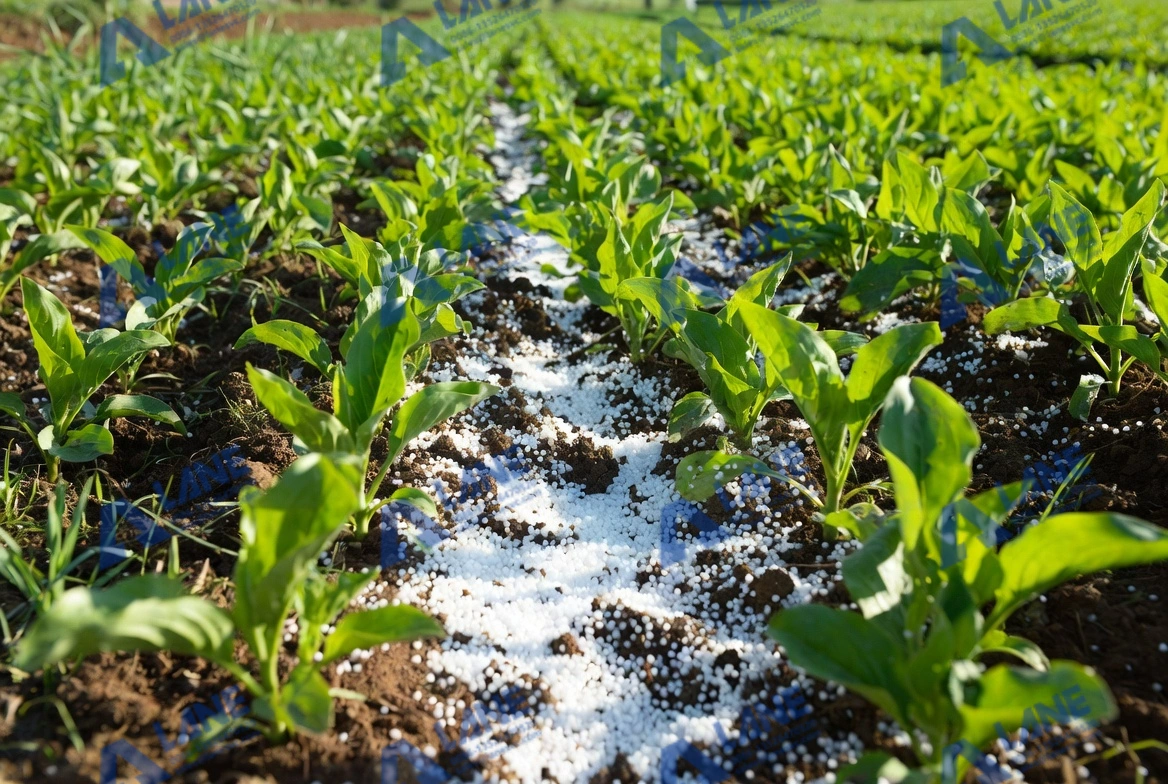
The production of Single Superphosphate (SSP) fertilizer is a critical process for enhancing soil fertility and boosting crop yields. Among the raw materials used, phosphate rock for SSP production process plays a vital role in determining the final fertilizer quality. Understanding how to effectively utilize phosphate rock can help manufacturers optimize production efficiency and improve the nutrient content of the fertilizer.
Understanding Phosphate Rock in SSP Production
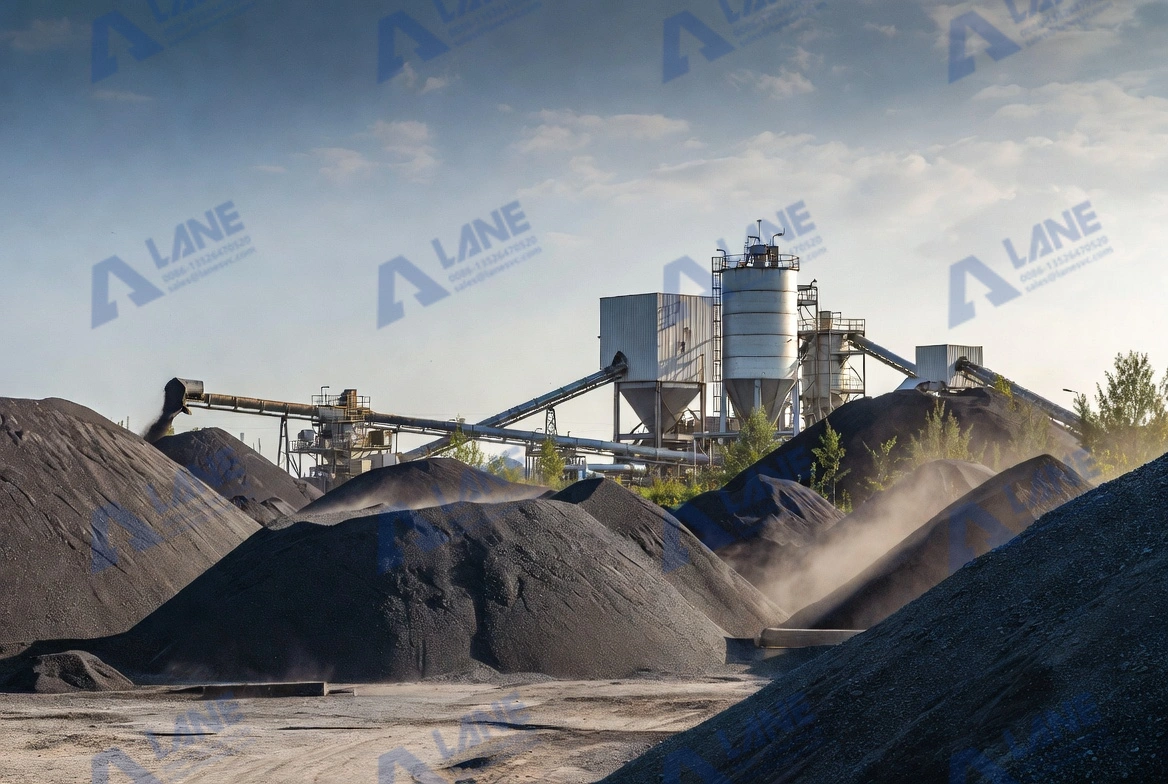
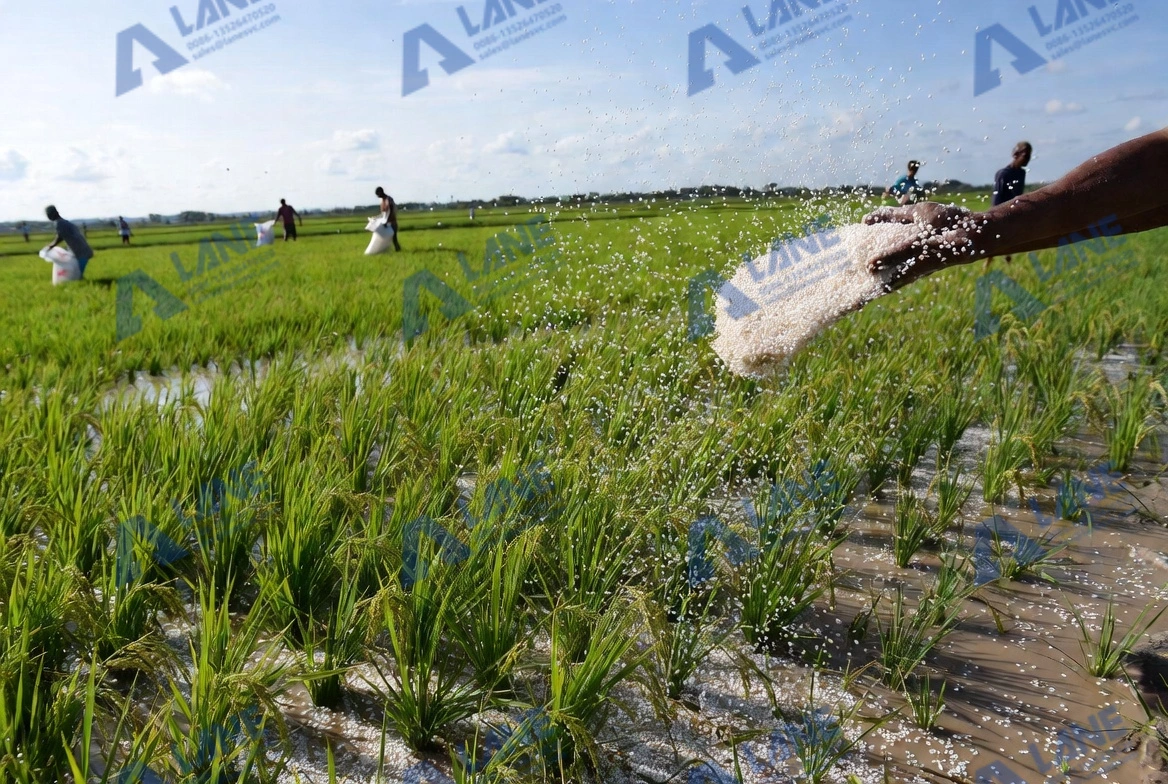
Phosphate rock is the primary source of phosphorus, an essential nutrient for plant growth. In the phosphate rock for SSP production process, phosphate rock is combined with sulfuric acid to produce a highly soluble fertilizer. The quality of the phosphate rock directly impacts the effectiveness of the fertilizer. High-grade phosphate rock ensures better reactivity with acid, leading to higher phosphorus content in the SSP.
Key Factors to Consider
-
Purity of Phosphate Rock: Low impurities such as silica and carbonates improve the reaction efficiency.
-
Particle Size: Finely ground phosphate rock reacts more completely, increasing the nutrient availability.
-
Storage Conditions: Keep phosphate rock dry to prevent moisture from affecting the reaction process.
-
Consistency in Supply: Reliable sources of phosphate rock help maintain continuous production and consistent fertilizer quality.
Proper handling of phosphate rock not only ensures better fertilizer quality but also reduces production costs by minimizing wastage and improving overall efficiency.
Step-by-Step Guide to Using Phosphate Rock for SSP Production Process
-
Raw Material Preparation
Begin with high-quality phosphate rock. Crushing and grinding the rock into fine particles is essential for maximum reaction with sulfuric acid. -
Reaction with Sulfuric Acid
In the main reactor, phosphate rock is mixed with concentrated sulfuric acid. The chemical reaction produces single superphosphate and gypsum as a by-product. Monitoring temperature and acid concentration is crucial to ensure complete conversion. -
Granulation and Drying
After the reaction, the slurry is granulated and dried. Proper drying prevents caking and improves storage stability. Using advanced drying technology can further enhance granule hardness and reduce energy consumption. -
Screening and Packaging
Granules are screened to achieve uniform size before packaging. Uniform granules ensure better handling and even nutrient distribution in the field. Additionally, proper packaging protects fertilizer from moisture and preserves its nutrient content during transportation and storage.
By carefully following each step, fertilizer manufacturers can maximize the phosphorus content and overall quality of SSP fertilizer.
LANE’s Expertise in SSP Production
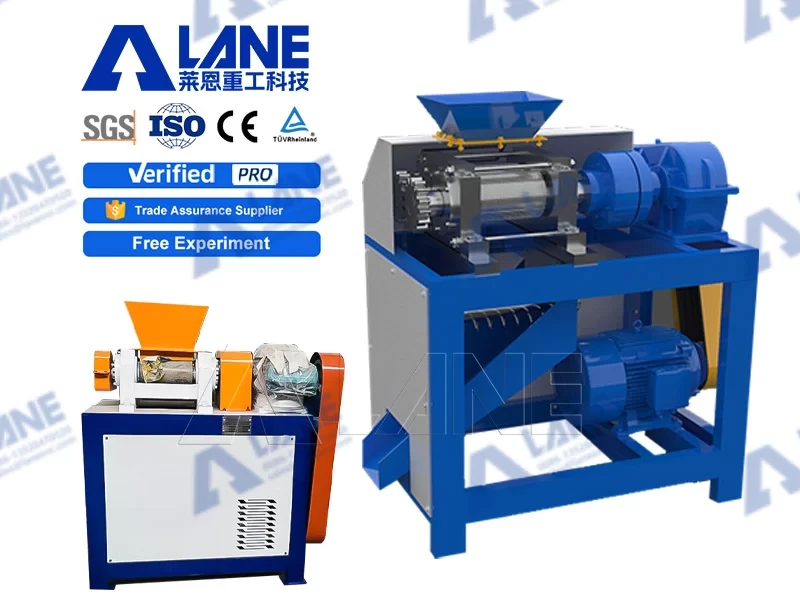
At LANE Heavy Industry, we specialize in providing comprehensive solutions for phosphate rock for SSP production process. Our high-efficiency crushers, reactors, and granulators ensure that the phosphate rock reacts optimally, producing high-quality SSP fertilizer with consistent performance. We also offer technical support, on-site installation, and staff training, helping manufacturers achieve smooth operation and high yields. Choosing LANE ensures not only advanced equipment but also a reliable partner in fertilizer production.
Furthermore, LANE stays updated with the latest industry standards and innovations, allowing clients to adopt environmentally friendly and cost-effective production practices. This commitment ensures that every batch of SSP fertilizer meets both quality and sustainability goals.
Frequently Asked Questions (FAQ)
Q1: Can all types of phosphate rock be used for SSP production?
A1: While most phosphate rocks contain phosphorus, only rocks with low impurities and high phosphorus content are ideal. Using high-quality phosphate rock for SSP production process improves reaction efficiency and fertilizer quality.
Q2: What is the ideal particle size of phosphate rock for SSP production?
A2: A fine powder of around 200 mesh ensures complete reaction with sulfuric acid and maximizes phosphorus availability in the final SSP product. Choosing the correct phosphate rock for SSP production process is critical for consistent fertilizer output.
Q3: How can manufacturers reduce waste in SSP production?
A3: Proper handling, storage, and grinding of phosphate rock, along with precise acid dosing, minimize unreacted materials and improve overall efficiency. Efficient use of phosphate rock for SSP production process also reduces costs and environmental impact.
Q4: Why choose LANE Heavy Industry for SSP production?
A4: LANE provides a complete solution, from high-efficiency machinery to technical guidance, ensuring high-quality SSP fertilizer with consistent results. Our experience in fertilizer equipment manufacturing makes us a trusted partner in the industry.
Q5: How can phosphate rock quality be tested before production?
A5: Standard chemical analysis and particle size testing help determine the suitability of phosphate rock for SSP production. Selecting the right material at the start prevents production inefficiencies and ensures better fertilizer output.
Conclusion
Mastering the use of phosphate rock for SSP production process is essential for producing high-quality fertilizer. By focusing on raw material quality, reaction optimization, granulation techniques, and proper storage, manufacturers can maximize nutrient content and production efficiency. Partnering with LANE Heavy Industry further ensures reliable equipment, technical support, and industry expertise, helping your phosphate rock for SSP production process achieve maximum results.
Whether you are a fertilizer manufacturer, an agricultural cooperative, or an industry investor, understanding the nuances of phosphate rock utilization is key to success in SSP production. With the right knowledge, tools, and trusted partners like LANE, producing high-quality SSP fertilizer can become a cost-effective and highly productive process, contributing to sustainable agriculture and improved crop yields worldwide.
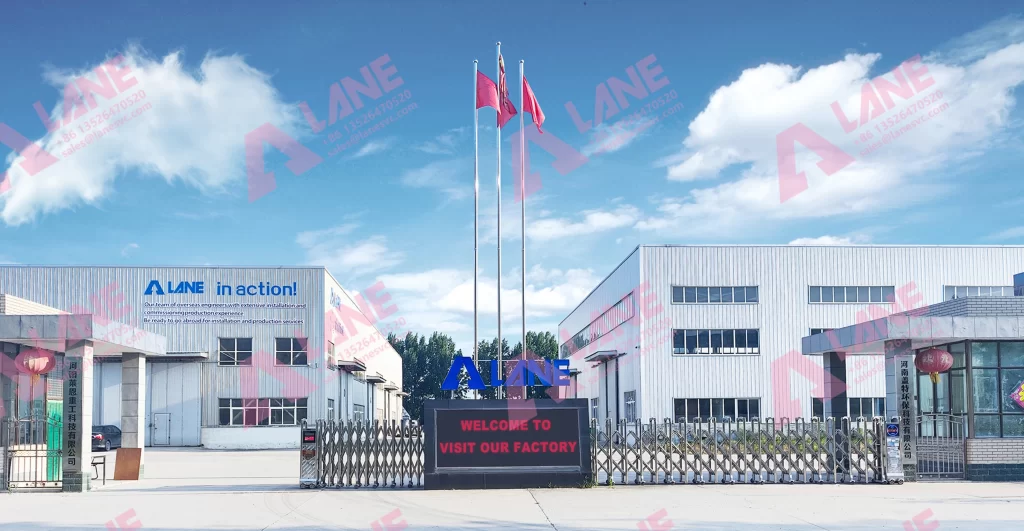
For more details, please feel free to contact us.
Henan Lane Heavy Industry Machinery Technology Co., Ltd.
Email: sales@lanesvc.com
Contact number: +86 13526470520
Whatsapp: +86 13526470520