How to Build an SSP Fertilizer Factory: Cost Analysis, Equipment Selection & ROI Strategies
- 2026-03-09
Building a Single Superphosphate (SSP) fertilizer factory is not just about purchasing equipment and starting production. A well-planned project requires consideration of raw material supply, process efficiency, environmental compliance, and long-term profitability. For investors exploring how to build an SSP fertilizer factory, the key to the plant’s success often lies in thorough planning before construction begins.
Over the years, many fertilizer projects have followed a similar path: feasibility study, process design, equipment selection, installation, and operational optimization. When each step is approached systematically, a single superphosphate (SSP) plant can become a stable and profitable agricultural input business.
Understanding the SSP Production Process
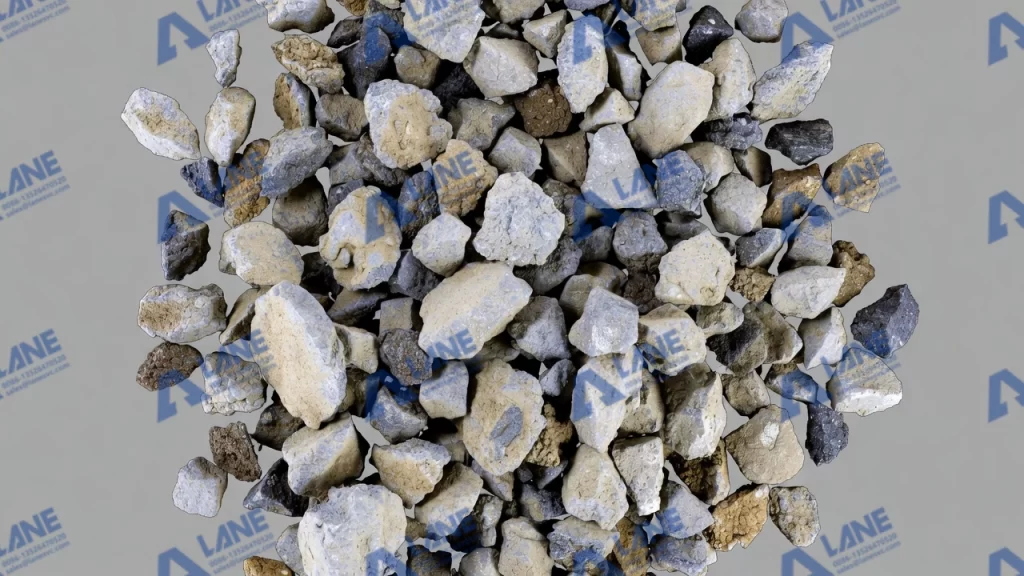
Before examining how to build an SSP fertilizer factory, it helps to understand the basic chemistry behind SSP production. Single superphosphate fertilizer is produced by reacting finely ground phosphate rock with sulfuric acid. This reaction produces monocalcium phosphate, which plants can easily absorb.
The simplified process typically involves three stages:
- Raw material preparation
- Chemical reaction and curing
- Granulation, drying, and packaging
While the chemistry is straightforward, the industrial process requires carefully designed equipment to maintain reaction stability, control moisture, and produce consistent fertilizer quality.
Cost Analysis: What Does an SSP Factory Really Cost?
For investors studying how to build an SSP fertilizer factory, cost is usually the first practical question.
A medium-scale plant producing roughly 50,000 to 100,000 tons per year often requires a total investment between $3 million and $8 million, depending on location, equipment configuration, and environmental standards. This budget typically includes:
- Land and site preparation
- Factory construction and infrastructure
- Production equipment
- Environmental control systems
- Installation and commissioning
- Initial working capital
In practice, costs vary widely. A plant located near phosphate rock mines may save significantly on transportation. On the other hand, stricter environmental regulations or higher labor costs can push total investment upward.
From experience working with fertilizer operations, I have seen projects fail not because of insufficient capital, but because the financial planning underestimated operational details such as maintenance, spare parts, and logistics. This is why careful budgeting is essential for anyone evaluating how to build an SSP fertilizer factory.
Key Equipment Required for SSP Fertilizer Production
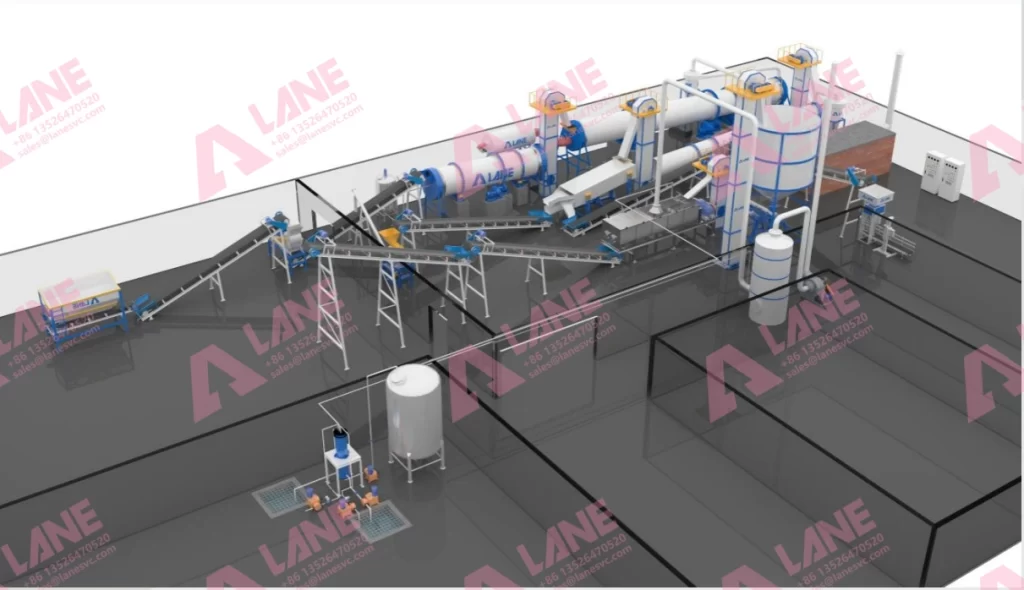
When evaluating how to build an SSP fertilizer factory, equipment selection plays a central role. A reliable production line typically includes several core machines that work together to ensure stable operation.
1. Phosphate Rock Grinding System
Phosphate rock must be crushed and ground into fine powder to increase its reaction efficiency with sulfuric acid.
2. Acidulation Reactor
This reactor mixes phosphate powder with sulfuric acid under controlled conditions, allowing the chemical reaction that produces SSP.
3. Curing and Aging System
After the reaction, the material needs time to stabilize and complete the chemical conversion process.
4. Granulation System
Granulators convert powder SSP into uniform granules when the market requires granular fertilizer products.
5. Drying and Cooling Equipment
Dryers reduce moisture levels, while cooling equipment stabilizes fertilizer granules before storage.
6. Screening and Packaging Machines
Screening systems ensure consistent particle size, and automatic packing machines prepare the final product for distribution.
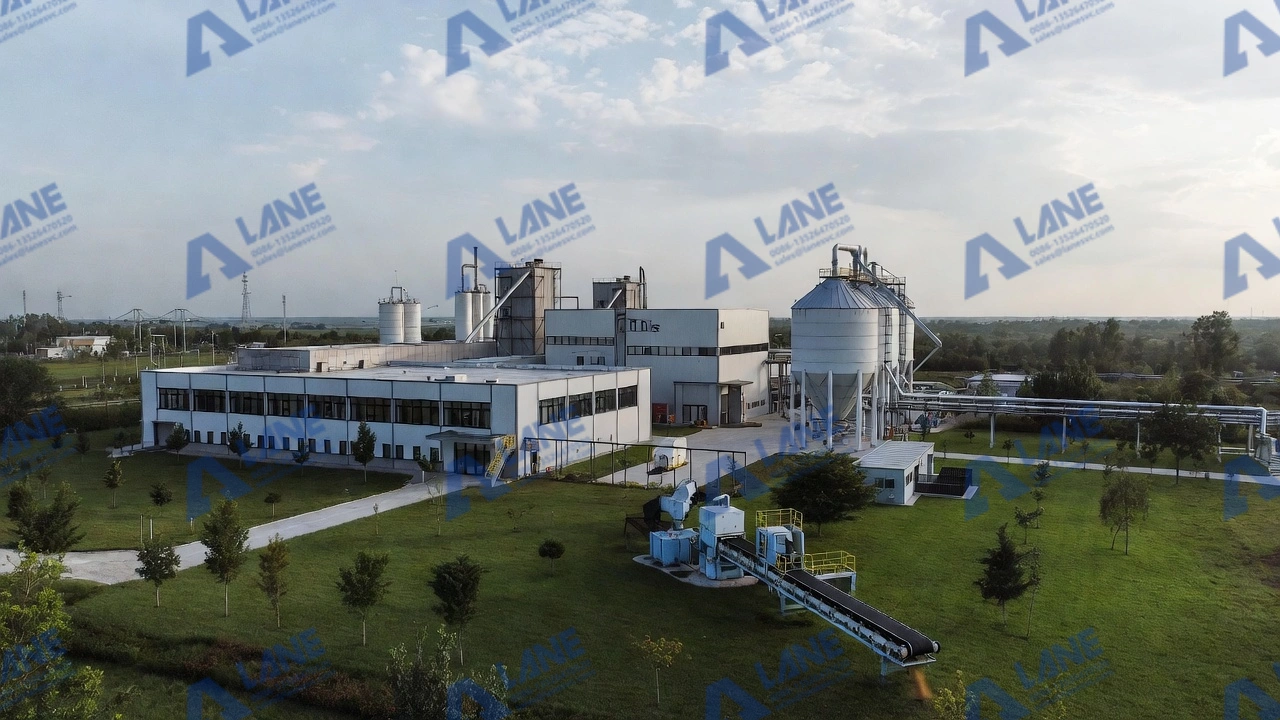
Industrial equipment manufacturers such as LANE provide integrated fertilizer production systems designed specifically for SSP manufacturing, helping ensure compatibility between each stage of the process.
Choosing the Right Plant Design
A crucial step in understanding how to build an SSP fertilizer factory is selecting a plant design that matches both production capacity and market demand.
Some plants focus on powder SSP, which requires a simpler production process. Others invest in granulation equipment to produce granular fertilizer that is easier to transport and apply in mechanized farming systems.
From a technical standpoint, the best design is rarely the most complex one. In my experience, successful plants usually prioritize reliability, ease of maintenance, and flexibility in raw material sourcing.
Improving ROI Through Smart Operational Strategy
Profitability does not come from production capacity alone. Investors learning how to build an SSP fertilizer factory must also consider operational efficiency and market positioning.
Several strategies can significantly improve return on investment:
- Locating the plant close to raw material sources
- Optimizing sulfuric acid supply contracts
- Using energy-efficient drying systems
- Producing granular fertilizer for higher market value
A well-run SSP plant can generate consistent revenue because phosphate fertilizers remain essential for crop production worldwide.
Frequently Asked Questions
How long does it take to build an SSP fertilizer factory?
Construction and commissioning usually take 10 to 18 months, depending on project scale, permitting procedures, and equipment delivery timelines. For investors planning how to build an SSP fertilizer factory, understanding these timelines early helps ensure smoother project scheduling and more realistic financial planning.
What raw materials are required?
The primary materials include phosphate rock, sulfuric acid, and water, along with additives for granulation when granular SSP is produced.
Is granular SSP more profitable than powder SSP?
In many markets, granular SSP commands a higher price due to easier handling and compatibility with modern fertilizer spreaders. However, it requires additional equipment and energy consumption.
Can small investors enter this industry?
Yes. While large industrial plants dominate some markets, smaller regional plants can remain competitive if they focus on local fertilizer demand and efficient production. For investors exploring how to build an SSP fertilizer factory, smaller facilities can still achieve stable returns by targeting nearby agricultural markets and maintaining efficient operations.
Final Thoughts
Understanding how to build an SSP fertilizer factory requires more than technical knowledge. It involves evaluating raw materials, designing an efficient production line, and planning a financially sustainable operation.
When these elements align—careful feasibility analysis, reliable equipment, and disciplined management—an SSP fertilizer plant can become a long-term asset in the agricultural supply chain. Experienced equipment manufacturers like LANE often play a key role in helping new plants move from concept to stable production, ensuring that each stage of the process operates smoothly and efficiently.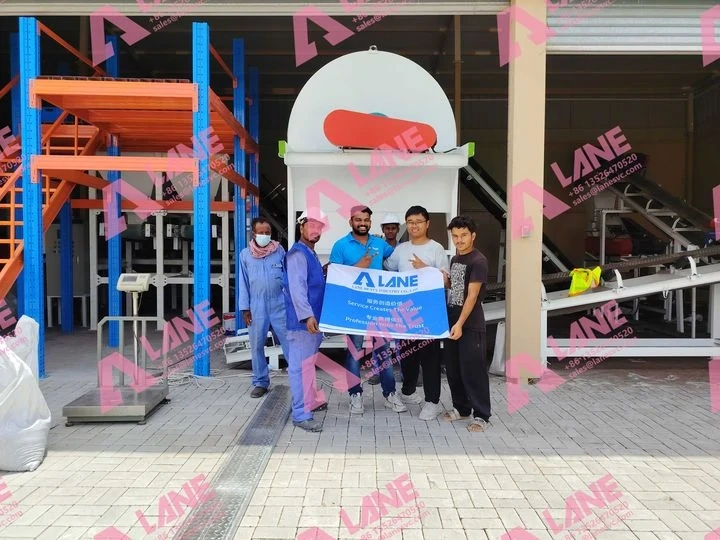
For more details, please feel free to contact us.
Henan Lane Heavy Industry Machinery Technology Co., Ltd.
Email: sales@lanesvc.com
Contact number: +86 13526470520
Whatsapp: +86 13526470520