Fish Bone Meal for SSP Production Technology: Step-by-Step Process and Equipment Insights
- 2026-01-28
Single Super Phosphate (SSP) is a vital phosphorus fertilizer widely used in agriculture, and the quality of its raw materials directly impacts its efficiency. Among these materials, fish bone meal stands out as a high-phosphate input that enhances the overall nutrient value of SSP. Understanding Fish Bone Meal for SSP Production Technology is essential for fertilizer manufacturers looking to optimize production, reduce waste, and improve product quality.
This article breaks down the process into clear, actionable steps, while providing insights into the equipment required, helping producers grasp both the theoretical and practical aspects of using fish bone meal in SSP production.
Why Fish Bone Meal Matters in SSP Production
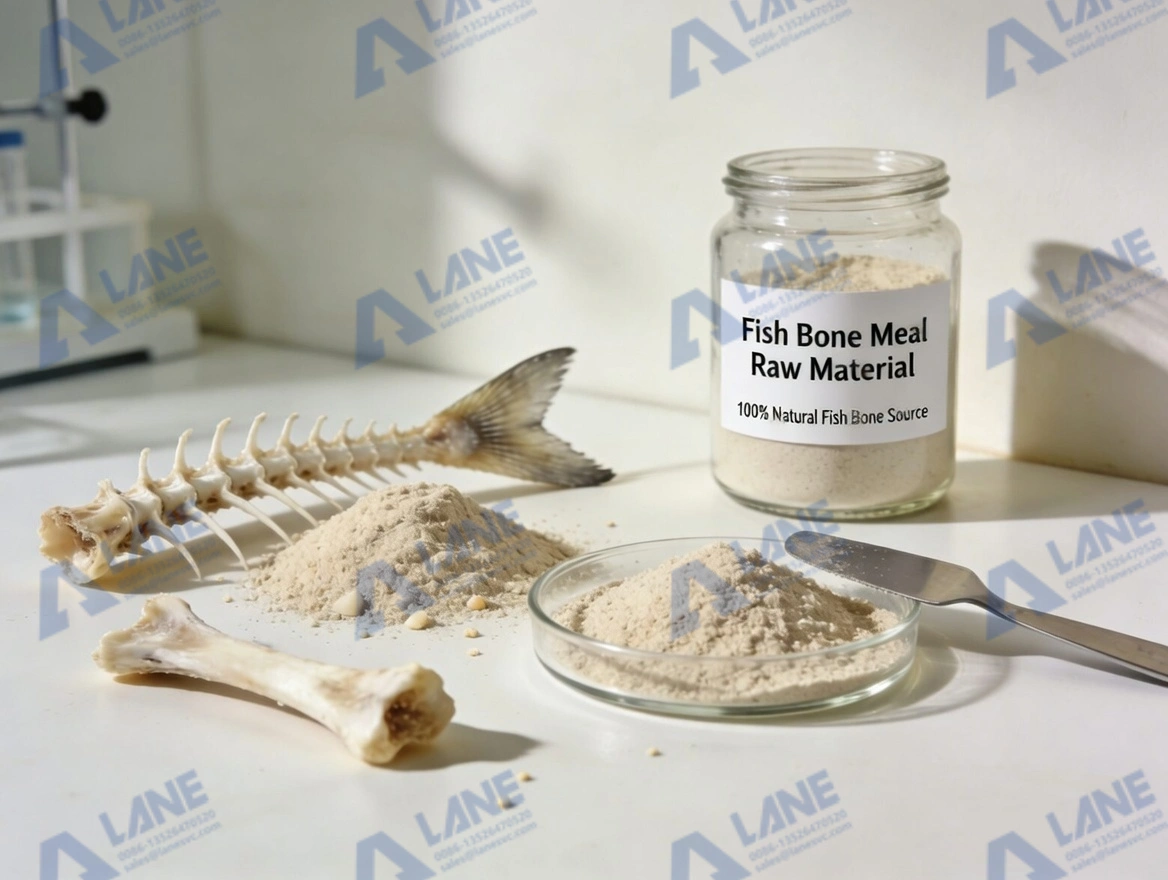
Fish bone meal is derived from processed fish bones and is rich in calcium phosphate, essential for producing high-quality SSP. Its fine particle size and natural phosphorus content make it an ideal raw material for chemical reaction with sulfuric acid during SSP production.
Incorporating fish bone meal not only boosts phosphorus content but also contributes to the consistency of the final fertilizer granules. Its use ensures that farmers receive a nutrient-dense, high-performance product that promotes healthy crop growth.
Step-by-Step Fish Bone Meal for SSP Production Technology
The core objective of Fish Bone Meal for SSP Production Technology is to transform raw fish bones into a phosphate-rich input suitable for SSP manufacturing. While configurations vary depending on plant capacity, the general production workflow includes the following stages:
- Raw Material Preparation
- Crushing and Grinding
- Reaction with Sulfuric Acid
- Granulation
- Drying, Cooling, and Packaging
Each stage is critical for ensuring the quality and efficiency of the SSP fertilizer.
Step 1: Raw Material Preparation
Fresh fish bones must be cleaned to remove impurities such as skin, scales, and residual meat. This ensures that the final product has minimal contamination, which could otherwise affect the chemical reactions during SSP production.
Proper sorting and drying of the bones also reduces moisture content, which is crucial for maintaining reaction efficiency and achieving consistent phosphorus concentration.
Step 2: Crushing and Grinding
Crushing and grinding the fish bones into fine powder increases the surface area, making it easier for sulfuric acid to react uniformly. Hammer mills or roller crushers are commonly used, depending on plant size and throughput requirements.
Uniform particle size ensures a stable reaction, reduces unreacted residues, and improves the granule formation in later stages, which is key to producing high-quality SSP.
Step 3: Reaction with Sulfuric Acid
The powdered fish bone meal is gradually mixed with concentrated sulfuric acid in a controlled reactor. This exothermic reaction produces a phosphate slurry, which is the precursor to SSP granules. Process control at this stage is vital to ensure the correct acid-to-phosphate ratio, prevent caking, and maintain nutrient balance.
Step 4: Granulation
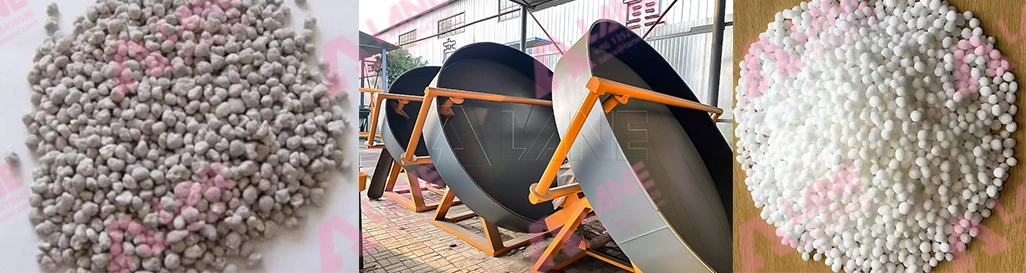
After the reaction, the slurry is granulated to form uniform SSP pellets. Drum granulators or pan granulators are typically employed for this step. Granulation enhances handling, storage, and application efficiency, turning a raw slurry into a commercial-grade fertilizer.
Granule size, moisture content, and pellet strength are monitored closely to meet both regulatory standards and market expectations.
Step 5: Drying, Cooling, and Packaging
Granules exiting the granulator contain residual moisture and heat. Rotary dryers remove excess moisture, while cooling equipment stabilizes pellet structure. Once cooled, the SSP pellets are ready for packaging in bags or bulk storage for distribution.
This final stage completes the Fish Bone Meal for SSP Production Technology and directly affects product quality, customer satisfaction, and commercial viability.
Economic and Operational Benefits
Implementing Fish Bone Meal for SSP Production Technology brings tangible benefits:
- Increases phosphorus content and fertilizer efficiency
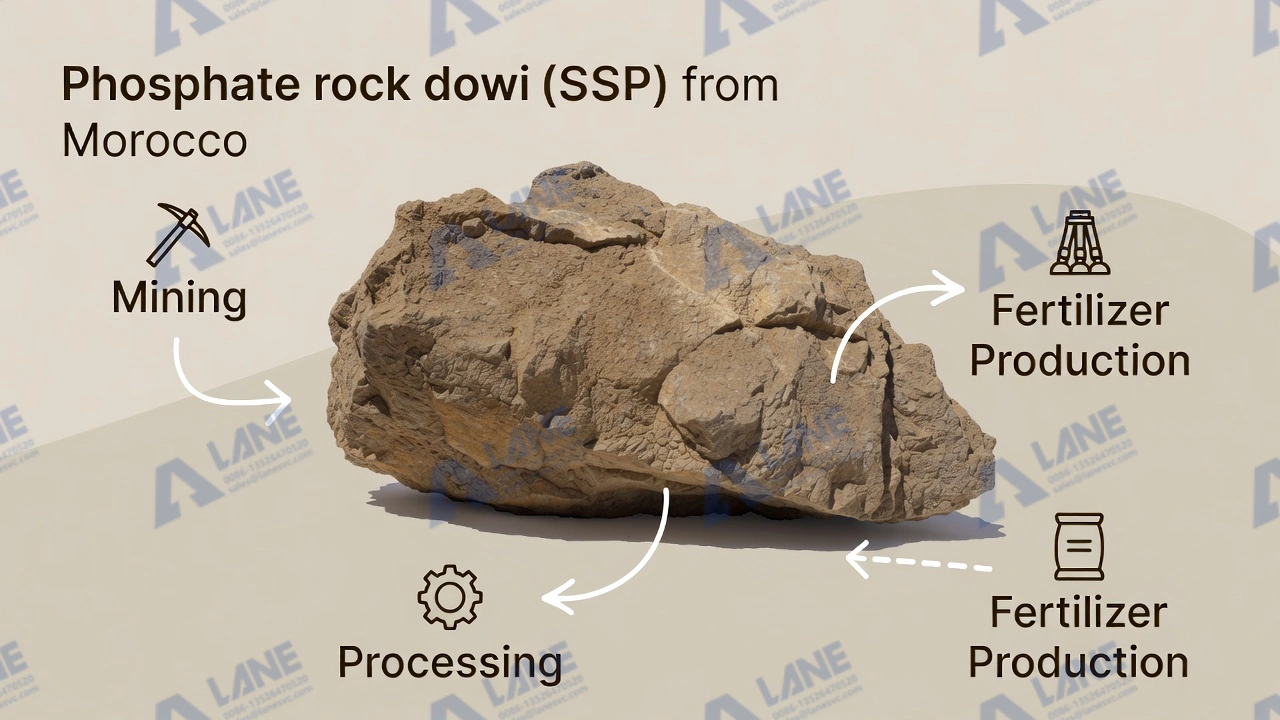
- Reduces reliance on lower-quality phosphate rocks
- Enhances granule uniformity and market acceptance
- Opens opportunities for regional and international sales
By using fish bone meal, fertilizer manufacturers can optimize raw material utilization while delivering a consistent, high-value product to farmers.
LANE Solutions for Fish Bone Meal SSP Production
LANE Heavy Industry provides integrated solutions for Fish Bone Meal for SSP Production Technology, including crushing, grinding, acid reactors, granulators, dryers, and coolers. Equipment is designed to handle high-throughput production while maintaining energy efficiency and consistent granule quality.
LANE also offers process optimization support and technical guidance, ensuring that manufacturers can maximize output, reduce waste, and maintain product consistency. With LANE, transforming fish bone meal into high-quality SSP becomes a reliable, efficient, and profitable process.
FAQ: Fish Bone Meal for SSP Production Technology
Q1: Can fish bone meal fully replace phosphate rock in SSP production?
A1: Fish Bone Meal for SSP Production Technology can supplement or partially replace phosphate rock, improving phosphorus content. However, complete replacement depends on raw material availability and plant design.
Q2: What particle size is ideal for fish bone meal in SSP production?
A2: Fine powder (around 200 mesh) is generally recommended for efficient chemical reaction with sulfuric acid when using Fish Bone Meal for SSP Production Technology.
Q3: Is granulation necessary for SSP produced with fish bone meal?
A3: Granulation is highly recommended for handling, storage, and market acceptance, even if a slurry or powder can technically be sold.
Q4: What are the environmental benefits of using fish bone meal?
A4: Using fish bone meal recycles a natural by-product, reducing waste and lowering the environmental impact of fertilizer production. This is one of the key advantages emphasized in Fish Bone Meal for SSP Production Technology.
Q5: How scalable is the process?
A5: The process can be scaled from small experimental setups to large industrial production lines, depending on equipment selection and plant capacity.
Final Thoughts
Fish Bone Meal for SSP Production Technology is more than just an alternative raw material—it’s a pathway to higher-quality, efficient, and sustainable phosphate fertilizer production. By carefully managing each stage from raw material preparation to packaging, manufacturers can reduce waste, improve operational efficiency, and deliver nutrient-rich SSP to farmers using Fish Bone Meal for SSP Production Technology.
With the right equipment and technical support, fish bone meal transforms from a simple by-product into a strategic input for modern, environmentally conscious, and profitable SSP fertilizer production.
For more details, please feel free to contact us.
Henan Lane Heavy Industry Machinery Technology Co., Ltd.
Email: sales@lanesvc.com
Contact number: +86 13526470520
Whatsapp: +86 13526470520