Cost of Producing SSP Fertilizer: Key Factors, Raw Materials, and Optimization Tips
- 2026-03-18
Key Factors Affecting the Cost of Producing SSP Fertilizer
Raw Material Quality
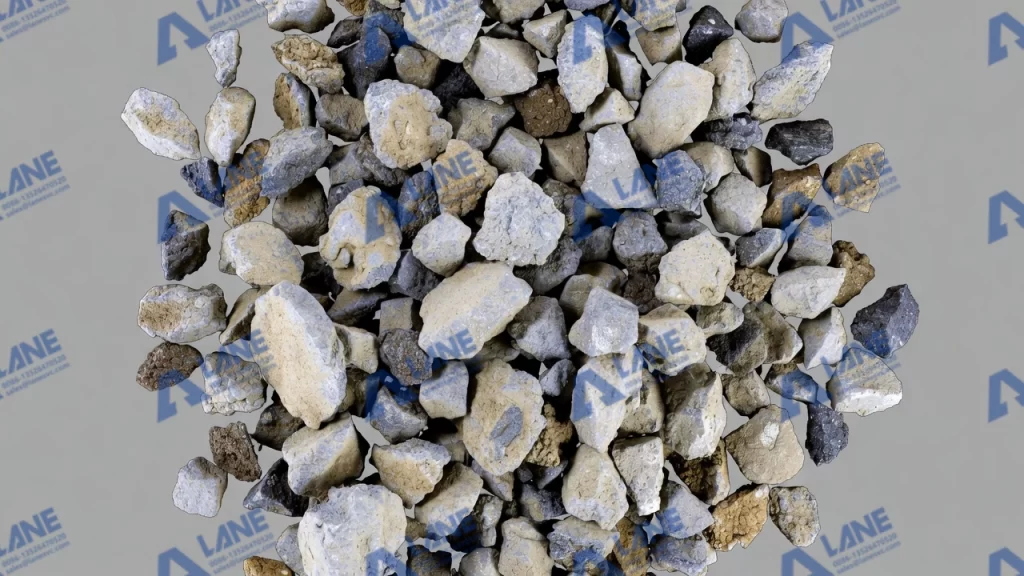
Let’s start with the foundation: your inputs. The quality and chemical composition of phosphate rock, sulfuric acid, and every other ingredient directly impact the cost of producing SSP fertilizer for each ton. Here’s the thing—high-impurity phosphate rock might look cheaper at first glance, but it often drags in extra processing time and demands more acid to achieve the same reaction efficiency. That quietly balloons your costs in ways most calculators miss.
In my experience, medium-grade phosphate rock with low silica content hits the sweet spot. You get acceptable P₂O₅ levels without the premium price tag of premium-grade rock. The math simply works better for most production setups.
Production Scale and Efficiency
Energy Consumption
Labor and Operational Management
Essential Raw Materials for SSP Fertilizer
Every SSP production line relies on three core inputs:
Phosphate Rock serves as the primary phosphorus source. The P₂O₅ content in your rock essentially determines your product’s value—higher content means more effective fertilizer per ton and directly impacts the cost of producing SSP fertilizer.
Sulfuric Acid is the reactive agent that unlocks the phosphorus. It reacts with the phosphate rock to create water-soluble phosphate that plants can actually use. Getting this ratio right matters enormously and can significantly influence the cost of producing SSP fertilizer. Water plays a dual role—controlling reaction temperature and facilitating the granulation process. It’s easy to overlook, but water management ties directly to your drying costs and final product quality. One thing to watch: moisture levels. Too much water extends your drying time, which blows up energy costs. Too little water and you’ll fight with uneven granules, poor handling characteristics, and customer complaints. Finding that balance isn’t complicated, but it does require attention.
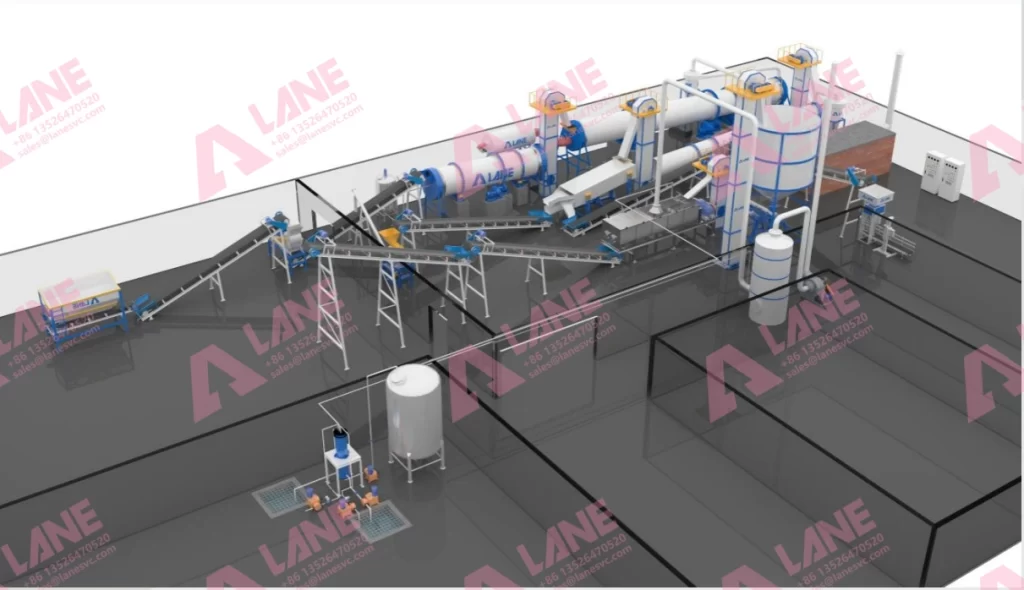
Core Production Equipment
- Ball Mill or Hammer Crusher — These handle the initial size reduction of phosphate rock. Getting the feed material to the right fineness before it hits the reaction tank sets the stage for everything downstream.
- Reaction Tank — This is where the magic happens. Phosphate rock meets sulfuric acid here, and the reaction produces the characteristic SSP granules. Tank design, mixing efficiency, and residence time all influence final product quality.
- Rotary Dryer — Moisture removal is non-negotiable. The rotary dryer is typically one of the largest energy consumers in the plant, which is exactly why selecting the right unit and operating it efficiently matters so much.
- Rotary Granulator — Uniform granule size isn’t just about aesthetics—it affects spreading, storage, and plant availability. A well-maintained granulator produces consistent output with minimal fine dust or oversized chunks.
- Screening Machine — This separates your product into saleable fractions. Oversized granules go back for reprocessing; undersized material gets recycled. Efficient screening directly reduces waste.
- Belt Conveyor — Material handling might seem mundane, but belt conveyors that keep flow steady and reduce manual handling are workhorses in any well-run plant.
- Automatic Packing Machine — Packaging speed and accuracy translate to labor cost savings. More importantly, consistent bag weights protect your margins and your reputation.
Optimization Tips to Reduce Production Cost
FAQ
Q1: What is the average cost of producing SSP fertilizer?
A1: There’s no universal number—it varies based on raw material quality, local energy prices, and how efficiently your plant runs. That said, energy and raw materials combined typically account for more than 70% of the cost of producing SSP fertilizer. If you’re outside that range, you either have unusually cheap inputs or significant efficiency opportunities to chase. Understanding the cost of producing SSP fertilizer helps producers benchmark their operations effectively.
Q2: Can automation reduce the cost of producing SSP fertilizer?
A2: Absolutely. Automated feeding systems, computerized granulation controls, and automatic packaging lines don’t just speed things up—they minimize material loss, reduce error rates, and lower labor requirements simultaneously. The ROI calculation usually works out in under two years for most mid-size operations. In practice, automation is one of the most effective ways to control the cost of producing SSP fertilizer while maintaining quality.
Q3: Is high-quality phosphate rock always better?
A3: Not necessarily. Higher-grade rock does deliver better P₂O₅ content, but the price premium can far exceed the performance benefit. For most producers, medium-grade rock delivers the best cost-to-output ratio. The key is matching your rock choice to your target product specifications and customer requirements.
Q4: Which equipment has the most impact on cost efficiency?
A4: The rotary granulator, dryer, and screening machine form the core of your cost structure. These three units consume the most energy, generate the most waste if poorly maintained, and determine your final product quality. Getting them operating optimally should be your first priority before worrying about peripheral equipment.
Final Thoughts
Managing the cost of producing SSP fertilizer isn’t about finding one big solution—it’s about stacking incremental improvements across raw material sourcing, equipment selection, process efficiency, and operational management. Each area on its own might save you a few dollars per ton. Together, they add up to a significant competitive advantage.
Manufacturers that approach SSP production with this integrated mindset consistently outperform those chasing single-factor optimizations. Companies like LANE understand the cost of producing SSP fertilizer equation. They don’t just supply machinery; they bring process expertise that helps producers optimize entire production lines for maximum efficiency. In a commodity market where margins matter, that kind of partnership can be the difference between thriving and merely surviving.
For more details, please feel free to contact us.
Henan Lane Heavy Industry Machinery Technology Co., Ltd.
Email: sales@lanesvc.com
Contact number: +86 13526470520
Whatsapp: +86 13526470520