SSP Fertilizer Plant Business Plan: 7 Critical Steps from Raw Material Sourcing to Market Launch
- 2026-02-28
Starting an SSP fertilizer manufacturing business isn’t for the faint of heart. I’ve consulted with three dozen entrepreneurs in this space over the past eight years, and the ones who succeeded all had one thing in common: they didn’t wing it. A solid SSP Fertilizer Plant Business Plan separates the operations that thrive from those that stall out before their first production run.
Developing a comprehensive SSP Fertilizer Plant Business Plan requires understanding both the chemistry involved and the market dynamics that determine success.
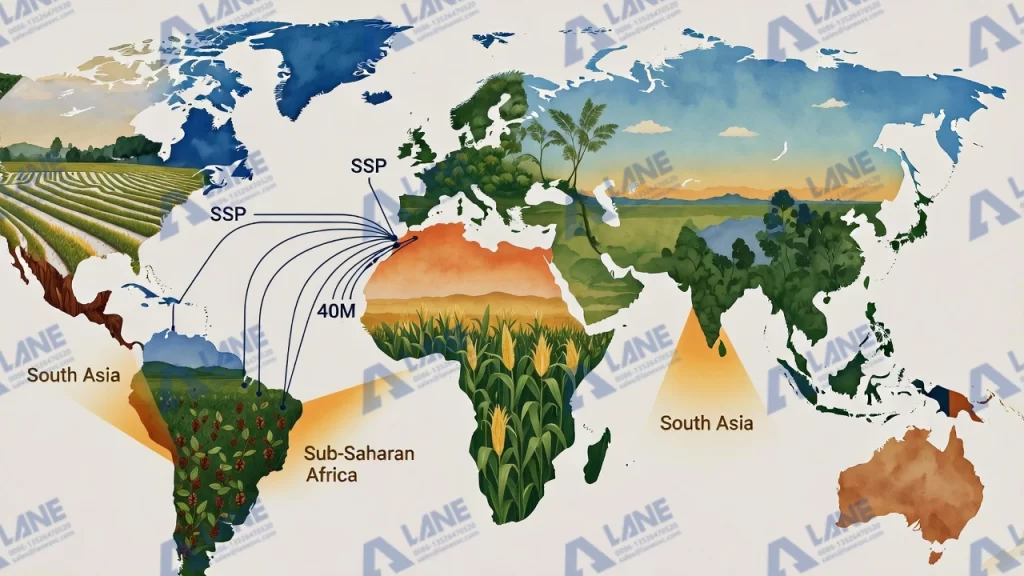
Single Super Phosphate remains one of the most demanded fertilizers globally, particularly across South Asia, Africa, and Latin America. Why? It’s affordable, it works, and farmers understand it. But here’s the catch: manufacturing it profitably requires navigating complex raw material markets, stringent environmental regulations, and razor-thin margins if you don’t plan properly.
Step 1: Lock Down Your Raw Material Supply Chain
You can’t make SSP without phosphate rock and sulfuric acid. Sounds obvious, but I’ve watched promising ventures collapse because they assumed sourcing would be straightforward.
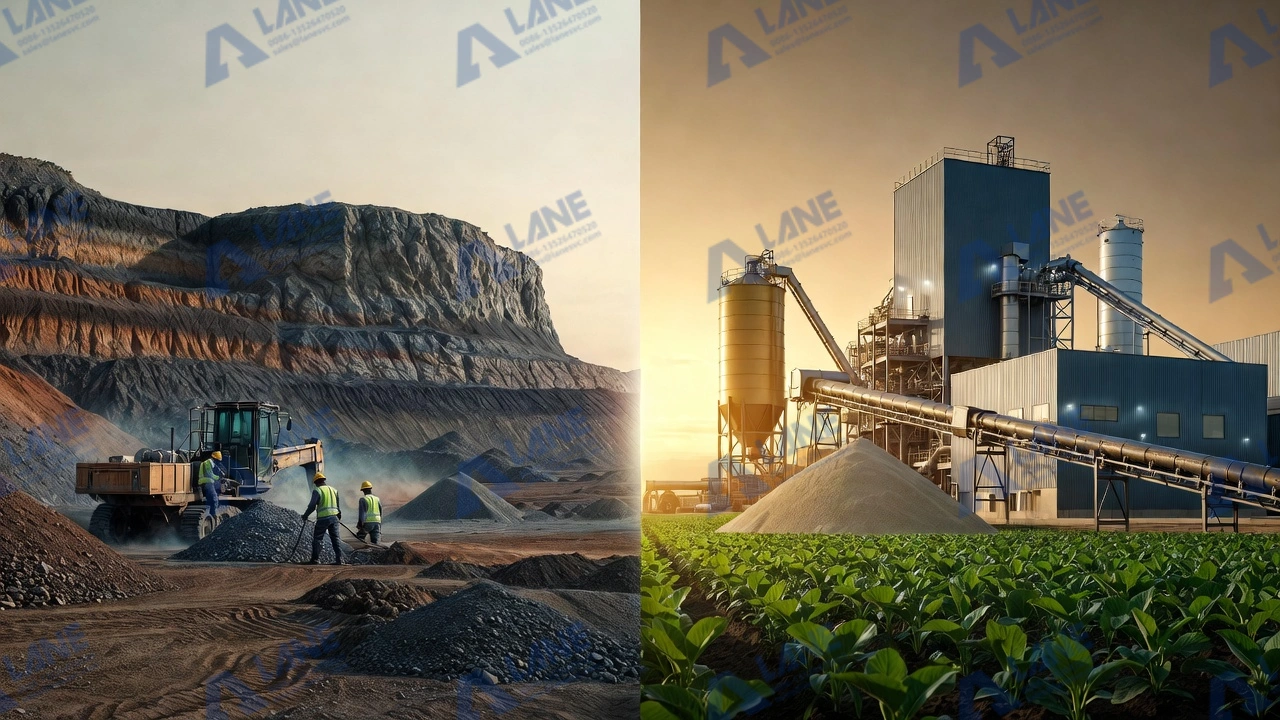
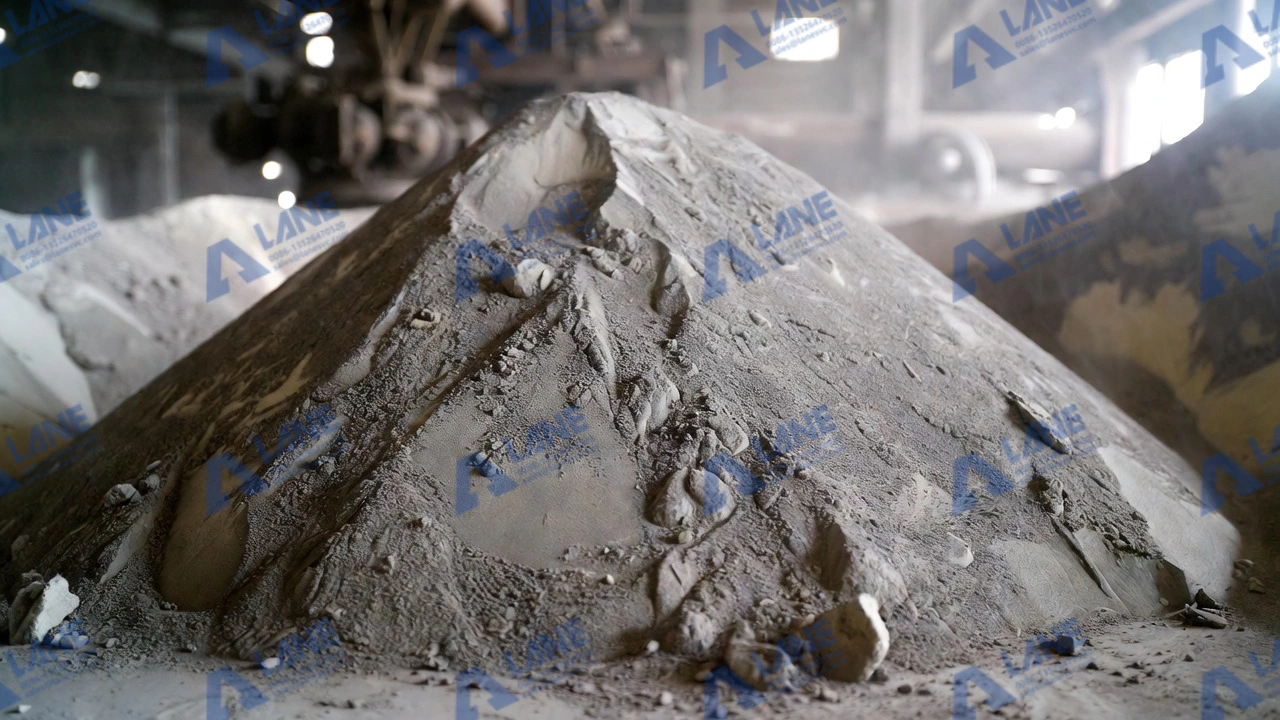
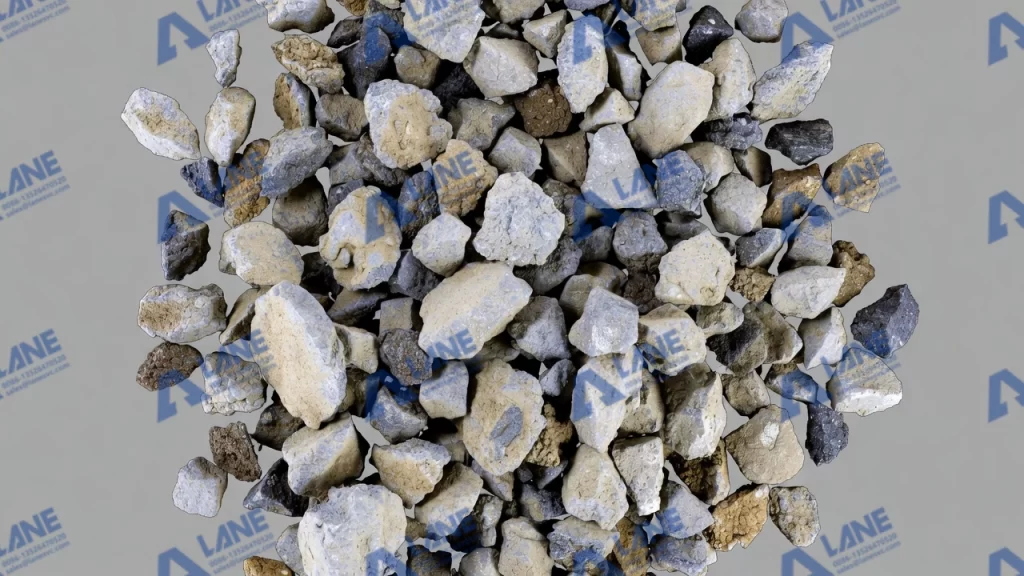
Morocco, Jordan, and China dominate high-grade phosphate rock exports. Your SSP Fertilizer Plant Business Plan needs to account for shipping costs, import tariffs, and quality consistency. Don’t just look at per-ton pricing—factor in freight, handling, and the hidden cost of variable quality that disrupts production schedules.
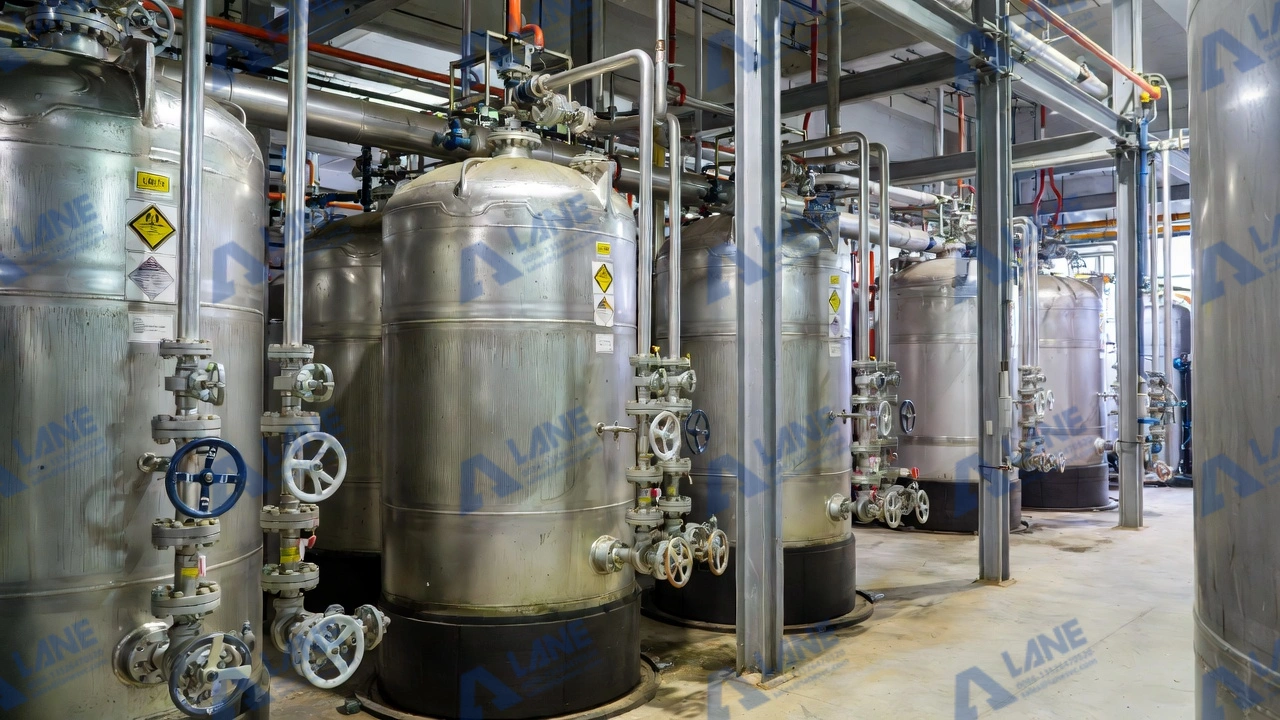
Sulfuric acid presents its own puzzle. Some manufacturers produce it on-site from elemental sulfur. Others buy it commercially. Your choice depends on scale, local sulfur availability, and capital constraints. There’s no universal right answer, but there is a wrong one: not making a deliberate choice at all.
Step 2: Nail the Technical Specifications
SSP production isn’t rocket science, but it’s not backyard chemistry either. The standard process involves reacting phosphate rock with sulfuric acid, curing the mixture, and granulating to specification.
Critical detail when developing your SSP Fertilizer Plant Business Plan: your target P2O5 content. Commercial SSP typically ranges 16-20% P2O5. Higher concentrations command premium pricing but require better raw materials and tighter process control. Your equipment selection, quality protocols, and ultimately your market positioning all flow from this technical decision.
Step 3: Secure Environmental Clearances Early
Here’s where impatience kills projects. Environmental licensing for fertilizer manufacturing can take 12-18 months in most jurisdictions. Sulfuric acid handling triggers additional scrutiny because of its hazardous nature.
Experienced operators developing an SSP Fertilizer Plant Business Plan build relationships with regulatory bodies before breaking ground. They commission Environmental Impact Assessments early, engage local communities, and budget generously for pollution control infrastructure. Trying to rush this phase invariably backfires, costing multiples of the time you hoped to save.
Step 4: Design for Your Market Reality
Who’s actually buying your product? Smallholder farmers through agricultural cooperatives? Large commercial estates? Industrial distributors?
Each channel demands different packaging, pricing structures, and payment terms. Direct-to-farmer sales require granular product in 50kg bags and extensive extension services. Bulk sales to plantations might mean bulk transport and contract pricing tied to international phosphate benchmarks.
Your SSP Fertilizer Plant Business Plan must ensure production technology, storage capacity, and logistics infrastructure align with these market realities. Retrofitting later is expensive.
Step 5: Build a Realistic Financial Model
Let’s talk numbers honestly. A modest SSP plant handling 100-200 tons daily requires $2-5 million in capital equipment depending on automation levels. Working capital needs surprise most first-time operators—you’re financing raw material purchases 60-90 days before revenue hits.
Your SSP Fertilizer Plant Business Plan should model multiple scenarios: high and low phosphate prices, currency fluctuations if you’re importing, and seasonal demand variations that plague agricultural input businesses. The entrepreneurs who survive are those who stress-test their assumptions.
Step 6: Assemble the Right Team
Every SSP Fertilizer Plant Business Plan must account for staffing needs. Chemical process engineers, experienced plant operators, agricultural sales specialists—each plays a crucial role. The temptation to hire cheap and train later is strong, particularly in cost-sensitive markets. Resist it.
A single production stoppage from equipment mishandling can cost more than six months of experienced operator salaries. Similarly, sales teams without agricultural backgrounds struggle to build trust with farming communities where relationships matter more than price lists.
Step 7: Plan for Continuous Optimization
The best SSP operations never stop refining. They monitor acidulation efficiency, experiment with rock blends, and track granulation yields obsessively. Small improvements compound—2% better raw material utilization, 5% reduced energy consumption, 3% higher product quality premiums.
Build measurement systems into your SSP Fertilizer Plant Business Plan from day one. What gets measured gets managed, and in a business where margins depend on operational efficiency, management matters enormously.
Frequently Asked Questions
What’s the minimum investment to start an SSP fertilizer plant?
Realistically, $1.5-2 million for a basic 50-ton-per-day operation. Below this scale, unit economics become challenging. You can spend substantially more for automated, larger facilities, but there’s a floor below which viable operation becomes difficult.
How long until profitability?
Well-run operations typically reach operational break-even within 18-24 months. Full ROI depends on your financing structure and market conditions, but 4-6 years is realistic for mid-scale plants. Seasonal cash flow management is critical during the ramp-up period.
Is SSP still relevant with compound fertilizers dominating?
Absolutely. SSP provides sulfur alongside phosphorus—essential in sulfur-deficient soils increasingly common globally. It’s also significantly cheaper per nutrient unit than most alternatives, making it accessible to small farmers who comprise the majority of global agricultural production.
What are the biggest risks?
Raw material price volatility tops the list in any SSP Fertilizer Plant Business Plan. Phosphate rock and sulfur markets fluctuate with global commodity cycles. Regulatory changes affecting environmental compliance present ongoing risk. And counterparty credit risk—farmers and distributors often operate on thin margins themselves—requires careful management.
The Bottom Line
An SSP Fertilizer Plant Business Plan isn’t just paperwork for investors. It’s your roadmap through genuinely challenging terrain. The entrepreneurs who approach this methodically—validating supply chains, respecting regulatory complexity, and building operational excellence from day one—find a durable, profitable business. Those looking for shortcuts typically find expensive lessons instead.
For more details, please feel free to contact us.
Henan Lane Heavy Industry Machinery Technology Co., Ltd.
Email: sales@lanesvc.com
Contact number: +86 13526470520
Whatsapp: +86 13526470520