SSP Fertilizer for Rice: Benefits and Best Application Practices
- 2025-12-20
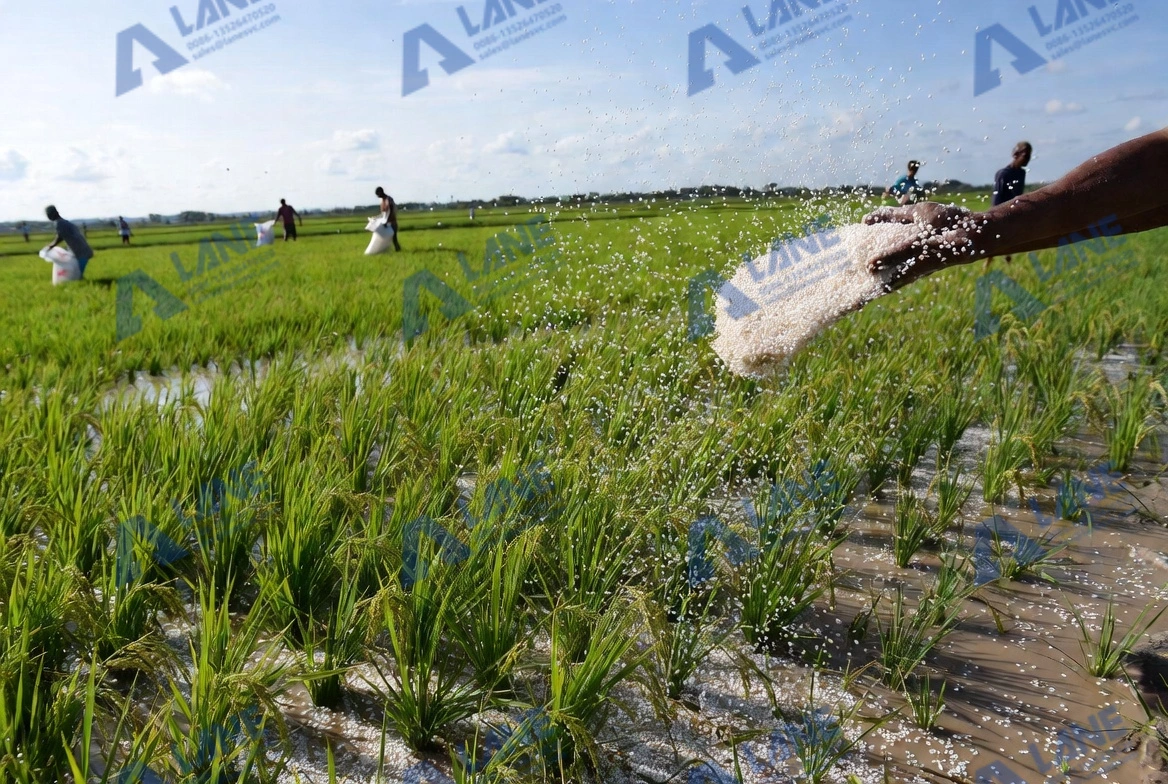
Rice is one of the most important staple crops worldwide, and achieving high yields while maintaining soil health is a priority for farmers. One of the most effective ways to support rice growth is through proper fertilization. Among various options, SSP fertilizer for rice has emerged as a reliable and efficient solution.

Benefits of SSP Fertilizer for Rice
1. Enhanced Root Development
Phosphorus plays a critical role in root development. Applying SSP fertilizer for rice at the early stages ensures strong root growth, allowing plants to absorb water and nutrients more effectively. A well-developed root system is especially vital in paddy fields, where water levels fluctuate, and nutrient uptake can be challenging. Strong roots also improve plant stability and reduce susceptibility to lodging.
2. Increased Grain Yield
Multiple studies and field trials have demonstrated that using SSP fertilizer improves rice yield. Phosphorus supports tillering and panicle formation, both of which are critical for grain production. Farmers applying SSP at the recommended rates report yield increases of 10-20% compared to unfertilized plots. When combined with nitrogen and potassium fertilizers, SSP can help achieve maximum production potential.
3. Improved Soil Fertility
Unlike some high-concentration synthetic fertilizers, SSP contributes to long-term soil health. It slowly releases phosphorus into the soil, reducing nutrient loss and enhancing microbial activity. Continuous use of SSP helps maintain soil fertility and structure, making it an environmentally sustainable choice for rice cultivation.
4. Cost-Effectiveness
For smallholder and commercial farmers alike, SSP fertilizer for rice is an affordable option. It provides high nutrient efficiency per unit cost, reducing the overall expenditure on fertilization while maintaining high yields. Its relatively simple production and application also make it widely accessible in regions with limited agricultural infrastructure.
5. Reduced Environmental Impact
Phosphorus runoff can lead to water pollution if over-applied. SSP releases phosphorus gradually, minimizing the risk of leaching into water bodies. When combined with proper soil management techniques, SSP can be used responsibly to support sustainable rice farming.
Best Application Practices
To maximize the benefits of SSP fertilizer for rice, correct application is essential. Here are some best practices:
-
Soil Testing
Before applying SSP, conduct a soil test to determine existing nutrient levels. This ensures the application rate matches the soil’s needs and avoids nutrient wastage. -
Timing of Application
The most effective time to apply SSP fertilizer is during the land preparation or early tillering stage. Early phosphorus availability supports initial root growth and development. -
Proper Placement
SSP should be evenly distributed and incorporated into the soil to ensure nutrients are accessible to roots. Band placement near the root zone is particularly effective. -
Combination with Other Nutrients
While SSP is rich in phosphorus, rice also requires nitrogen and potassium. Combining SSP with other fertilizers ensures balanced nutrition for optimal growth. -
Avoid Over-Application
Excessive phosphorus can lead to nutrient imbalance and environmental concerns. Always follow the recommended application rates based on soil test results.
LANE’s Expertise in Fertilizer Solutions
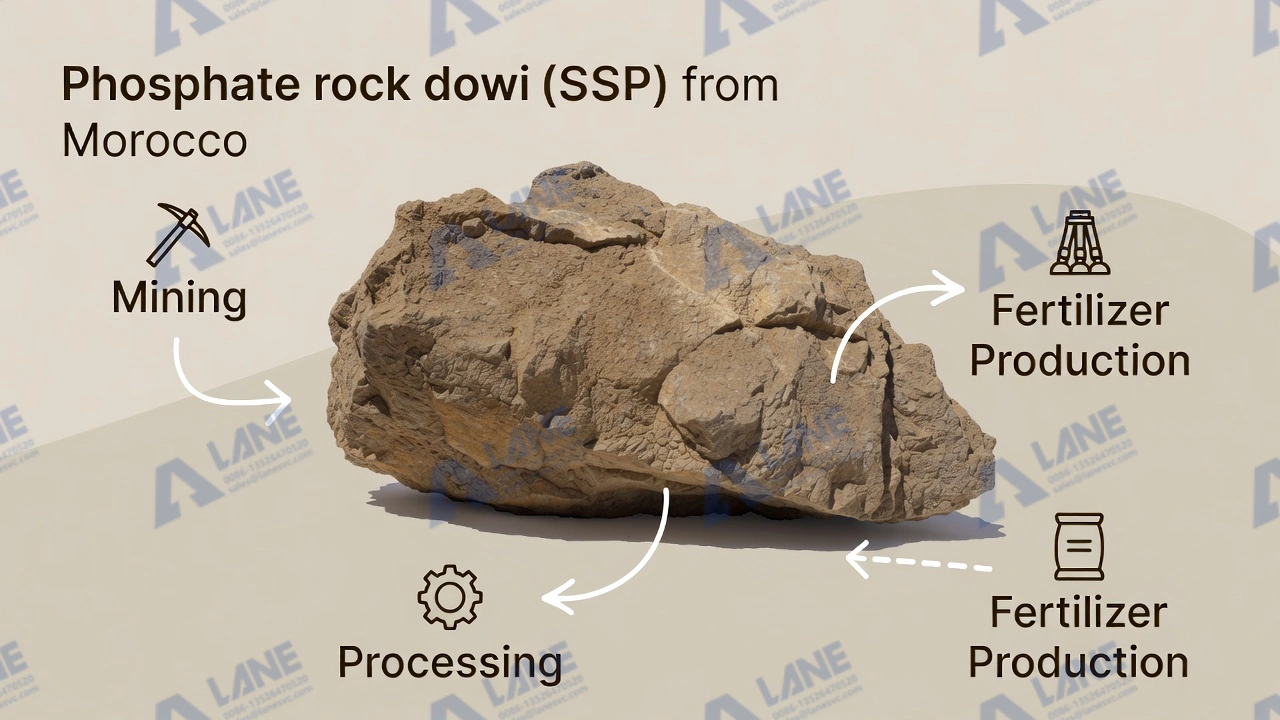
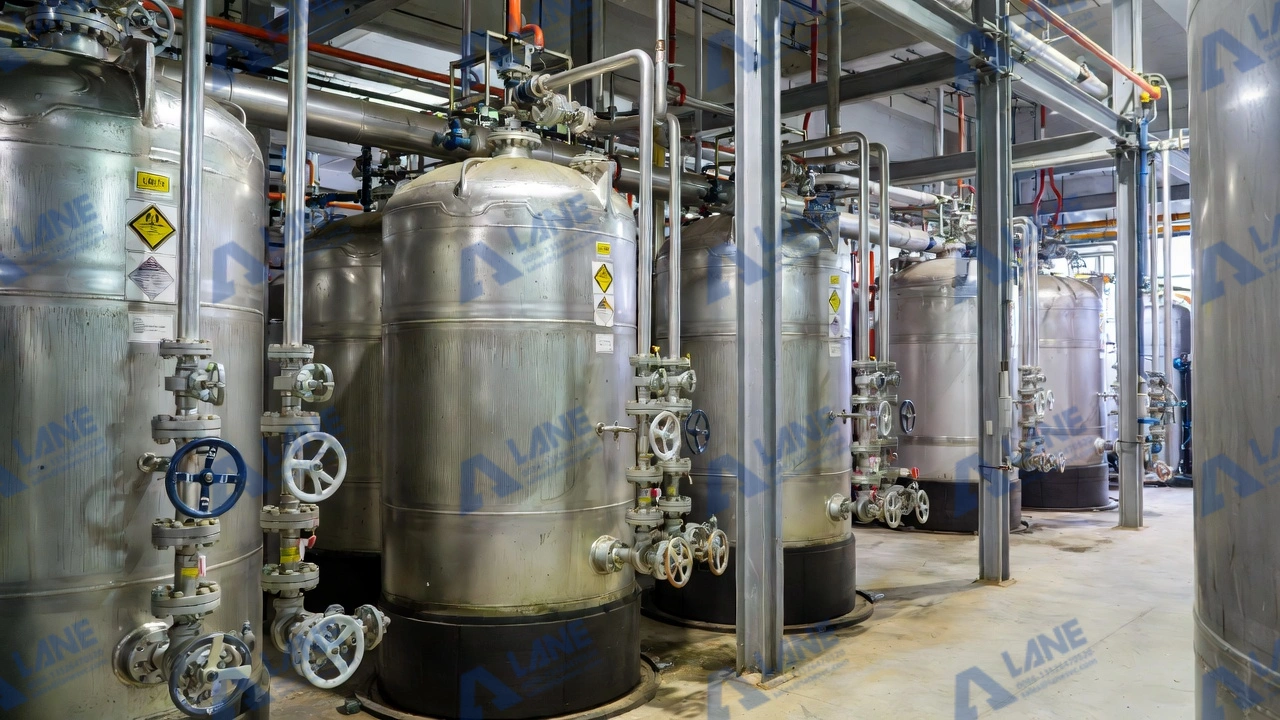
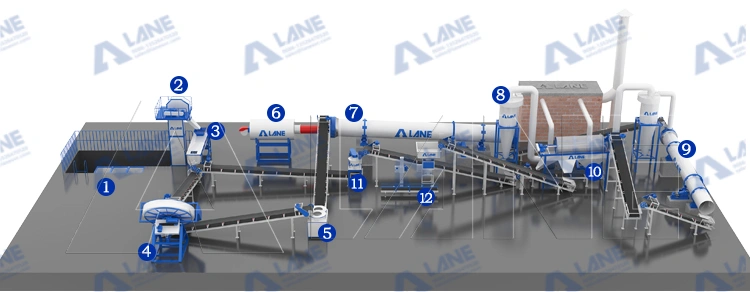
LANE Heavy Industry Machinery Technology Co., Ltd. is a globally recognized leader in fertilizer production equipment and solutions. With over 20 years of experience, LANE provides complete turnkey systems for SSP fertilizer production, ensuring high-quality output, precision in nutrient formulation, and reliable performance. Working with LANE allows rice farmers and fertilizer manufacturers to access advanced technology and technical support, helping them achieve consistent, high-yield results.
LANE’s equipment is designed for efficiency, durability, and environmental compliance, making it an ideal partner for those looking to invest in SSP fertilizer for rice production or application projects.
FAQ About SSP Fertilizer for Rice
Q1: Can SSP fertilizer be used on all types of rice?
Yes, SSP fertilizer is suitable for most rice varieties. However, application rates may vary depending on soil type and local agricultural recommendations.
Q2: How much SSP fertilizer should I apply per hectare?
The recommended dosage typically ranges from 100 to 150 kg per hectare, but it is best to base the amount on soil test results for precise nutrient management.
Q3: Can SSP be combined with organic fertilizers?
Absolutely. Combining SSP with compost or other organic amendments can enhance soil fertility, improve microbial activity, and support sustainable rice cultivation.
Q4: Is SSP fertilizer environmentally safe?
When applied according to guidelines, SSP fertilizer is environmentally friendly. Over-application should be avoided to prevent phosphorus runoff into nearby water bodies.
Conclusion
Using SSP fertilizer for rice offers multiple advantages, from stronger roots and higher yields to improved soil fertility and cost savings. Following best application practices ensures that farmers can harness the full potential of this essential nutrient source. Partnering with experts like LANE Heavy Industry Machinery Technology Co., Ltd. further enhances the efficiency and reliability of rice fertilization programs.
By integrating proper fertilization techniques, careful nutrient management, and advanced production technology, rice growers can achieve sustainable, high-yield harvests while maintaining long-term soil health.

For more details, please feel free to contact us.
Henan Lane Heavy Industry Machinery Technology Co., Ltd.
Email: sales@lanesvc.com
Contact number: +86 13526470520
Whatsapp: +86 13526470520