Rock Phosphate to SSP Conversion Equipment: How to Select the Right Production Line for Your Capacity
- 2026-03-02
Walking through a fertilizer production facility for the first time, the scale of rock phosphate to SSP conversion equipment can feel overwhelming. I’ve spent fifteen years helping operations across four continents optimize their single super phosphate lines, and the same questions surface repeatedly. What capacity matches current demand without stranding capital? Which reactor design handles your specific ore composition? How much automation actually pays for itself?
The answers aren’t found in catalogs. They emerge from understanding your raw material characteristics, local market dynamics, and realistic growth projections, especially when dealing with the complexities of rock phosphate to SSP conversion. Get this decision wrong, and you’re either choking on maintenance costs from undersized equipment or watching expensive machinery gather dust.
Decoding Your Raw Material Reality
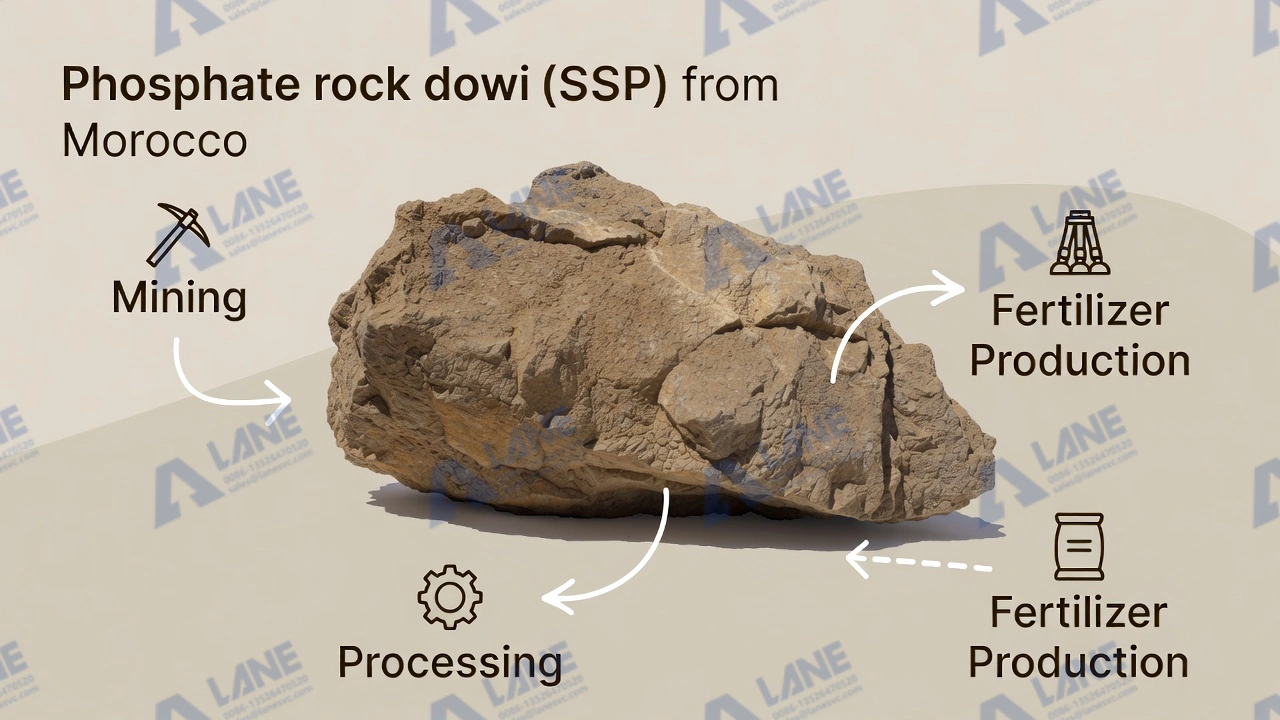
Not all phosphate rock behaves the same way during acidulation. Moroccan ore with high carbonate content demands different handling than Jordanian material rich in organic compounds. Before selecting any rock phosphate to SSP conversion line, you need comprehensive assays spanning multiple shipments.
Moisture content affects grinding efficiency dramatically. Above 8% humidity, ball mills struggle and energy costs spike. Some producers install drying stages upstream; others source pre-dried material. Neither approach is universally superior—it depends on your local supply chain economics and energy pricing.
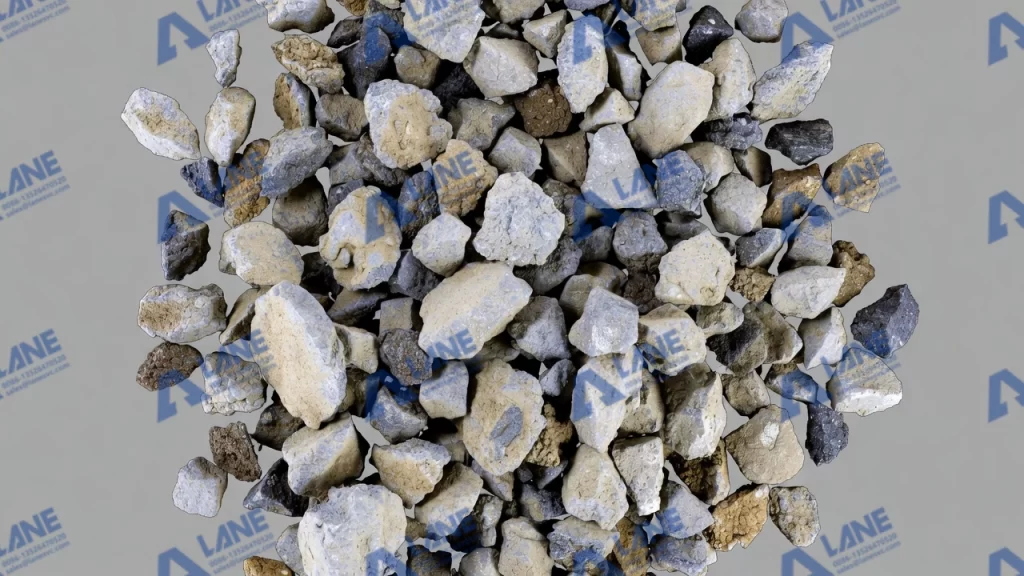
Particle size distribution matters just as much. Finely ground rock reacts faster with sulfuric acid, but excessive grinding wastes energy and creates dust handling headaches. Most successful operations target 90% passing 100 mesh, adjusting based on reaction time requirements and filtration characteristics.
Matching Equipment to Production Goals
Small-scale operations serving regional agricultural markets rarely benefit from continuous process systems. Batch reactors costing $150,000-300,000 often deliver better flexibility for producers making 50-100 tons daily, especially when handling rock phosphate to SSP conversion. You can adjust formulation for different crop requirements without complex changeover procedures, ensuring efficient production tailored to local needs.
Mid-sized facilities processing 200-500 tons daily face the classic batch-versus-continuous decision. Continuous den systems require higher initial investment—typically $800,000 to $1.5 million complete—but reduce labor costs and improve product consistency. The crossover point usually occurs around 300 tons daily, though local labor rates can shift this threshold significantly.
Major producers exceeding 1,000 tons daily have limited practical choices. Continuous reaction and granulation systems become mandatory for economic viability. At this scale, rock phosphate to SSP conversion equipment represents multimillion-dollar commitments requiring detailed feasibility studies and extended vendor qualification processes.
Critical Design Elements Often Overlooked
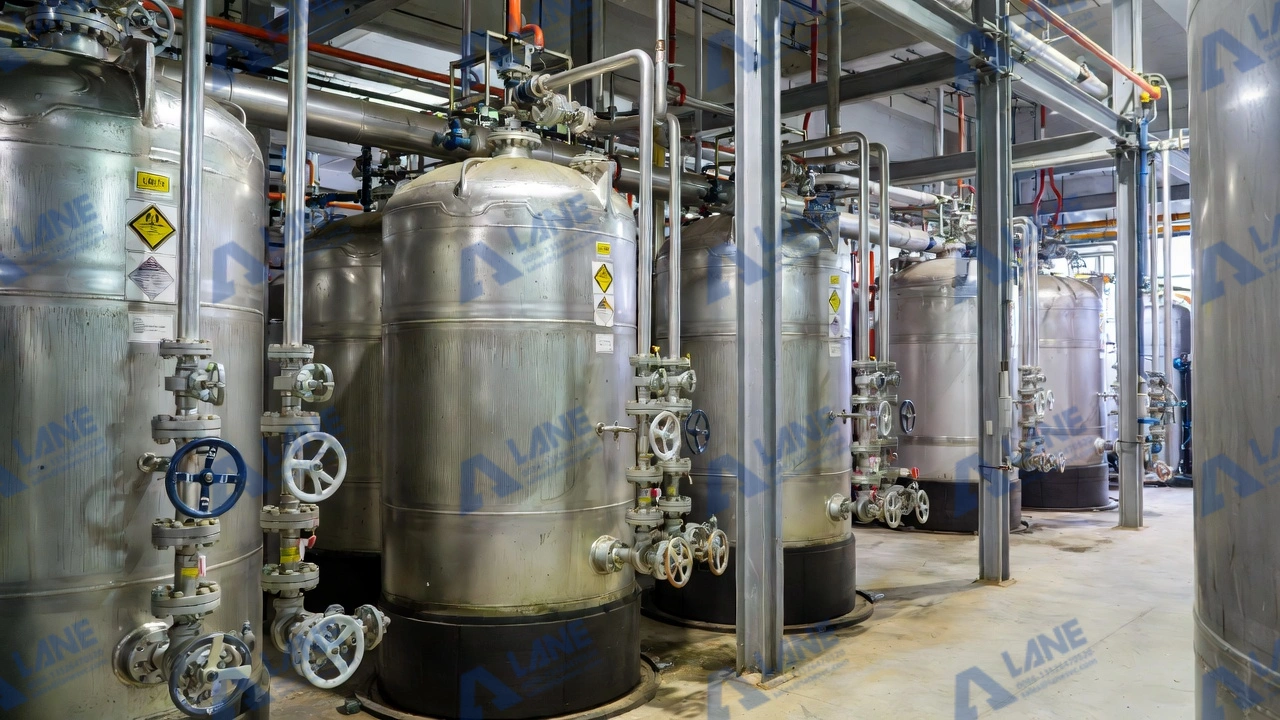
Acid handling infrastructure rarely receives adequate attention during initial planning. Sulfuric acid storage tanks, dilution systems, and emergency containment must satisfy stringent regulatory requirements that vary dramatically between jurisdictions, particularly when dealing with the **rock phosphate to SSP conversion** process. Retrofitting these capabilities after installation costs three to five times more than integrating them from the start.
Exhaust gas treatment presents similar challenges. Hydrogen fluoride and silicon tetrafluoride emissions from phosphate acidulation require scrubbing systems sized for peak production rates. Undersized scrubbers create production bottlenecks during high-demand periods or force costly shutdowns for regulatory compliance.
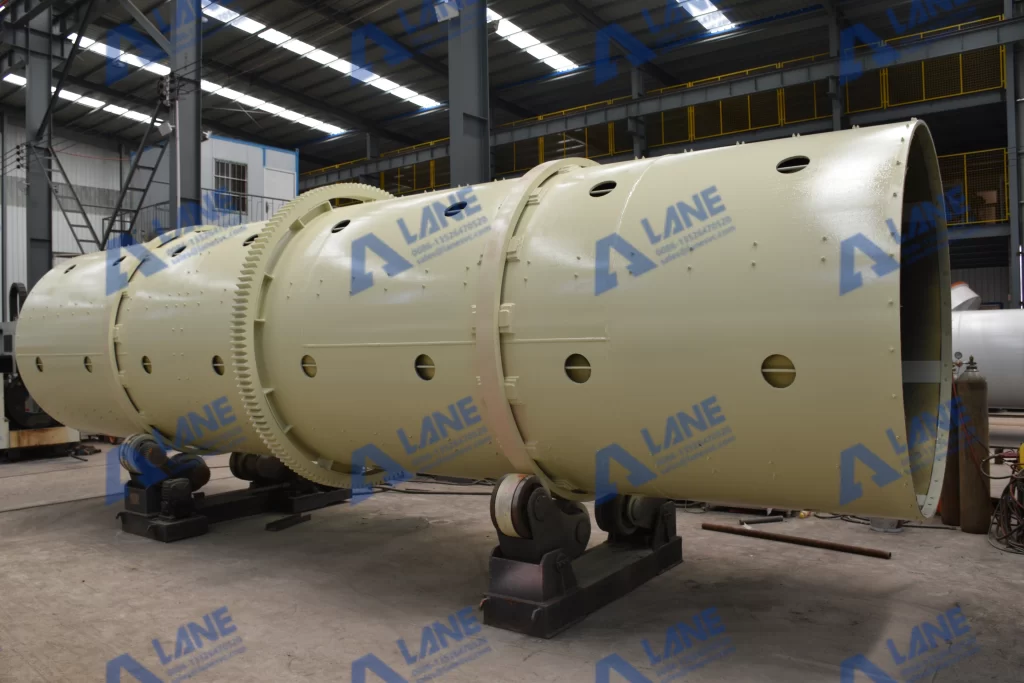
Granulation equipment selection significantly impacts final product quality and marketability. Drum granulators offer simplicity and lower maintenance, but pan granulators provide better size distribution control for premium fertilizer products. Your target market’s quality expectations should drive this decision rather than initial capital cost alone.
Evaluating Vendor Proposals
Equipment quotations vary wildly beyond the base technical specifications. Some vendors include complete installation supervision and commissioning; others deliver equipment to your dock and disappear. When comparing rock phosphate to SSP conversion system proposals, normalize for scope differences before evaluating pricing.
Request detailed reference lists and actually contact previous customers. Ask specifically about equipment reliability during the first two years—most problems surface during this period—and how vendors responded to issues. Documentation quality also matters; poorly translated manuals and missing electrical schematics create frustrating delays during startup.
Spare parts availability deserves serious investigation. A production line requiring proprietary components shipped from overseas faces weeks of downtime when critical items fail. Standardized equipment using locally available bearings, seals, and drives protects your operational continuity.
Frequently Asked Questions
What is the typical payback period for SSP production equipment?
Most installations achieve investment recovery within three to five years, assuming stable raw material costs and reasonable market pricing. Operations with captive sulfuric acid supply or integrated mining assets often see faster returns due to cost advantages in key inputs, particularly when efficiency in rock phosphate to SSP conversion is optimized to maximize yield and minimize processing losses.
How much technical expertise is required to operate these systems?
Basic batch systems require operators with chemical processing experience and mechanical aptitude. Continuous production lines demand more sophisticated control room staff familiar with distributed control systems and process optimization. Budget for substantial training during commissioning and ongoing skill development.
Can existing equipment be upgraded for higher capacity?
Generally yes, though economics vary by component. Reactors and den systems often accommodate expansion through additional units in parallel. Granulation lines face harder limits—replacement is usually more practical than modification when significant capacity increases are needed, especially in rock phosphate to SSP conversion processes where scalability is critical to maintaining efficient production.
What safety considerations are unique to phosphate fertilizer production?
Beyond standard chemical handling protocols, operators must manage fluorine compound exposure risks and acid splash hazards. Calcium sulfate sludge handling presents ergonomic challenges due to material density. Comprehensive safety programs and appropriate personal protective equipment are non-negotiable.
How do environmental regulations affect equipment selection?
Emission control requirements increasingly drive technology choices. European and North American installations face the strictest standards, often requiring wet scrubbing and wastewater treatment systems that add 15-25% to total project costs. Emerging market regulations are tightening rapidly, making forward-compatible equipment investments prudent.
Making the Final Decision
Selecting rock phosphate to SSP conversion equipment demands balancing technical requirements, financial constraints, and strategic objectives. The lowest quotation rarely delivers the lowest total cost of ownership. Similarly, overspecifying automation and capacity wastes capital that could strengthen other business areas.
Engage experienced process engineers early, preferably specialists with multiple phosphate fertilizer projects in their portfolios, particularly those with proven expertise in rock phosphate to SSP conversion. Their insights into equipment selection nuances, installation pitfalls, and operational optimization often justify their fees many times over. The goal isn’t just buying machinery—it’s building a production asset that generates reliable returns for decades.
For more details, please feel free to contact us.
Henan Lane Heavy Industry Machinery Technology Co., Ltd.
Email: sales@lanesvc.com
Contact number: +86 13526470520
Whatsapp: +86 13526470520