Why Phosphate Rock in Egypt for SSP Production Is the Best Choice for Fertilizer Manufacturers Worldwide
- 2026-01-14
In the global fertilizer industry, raw material selection is never a small decision. It directly affects product quality, production cost, process stability, and long-term profitability. Among all available phosphate resources, Phosphate Rock in Egypt for SSP Production has gradually become a top choice for fertilizer manufacturers across Africa, the Middle East, Asia, and even Europe.
This is not just a trend. It is a result of years of practical verification in mining quality, chemical composition, logistics advantages, and processing performance. If you are producing or planning to invest in Single Super Phosphate (SSP), understanding why Egyptian phosphate rock stands out will help you make a smarter and more profitable decision.
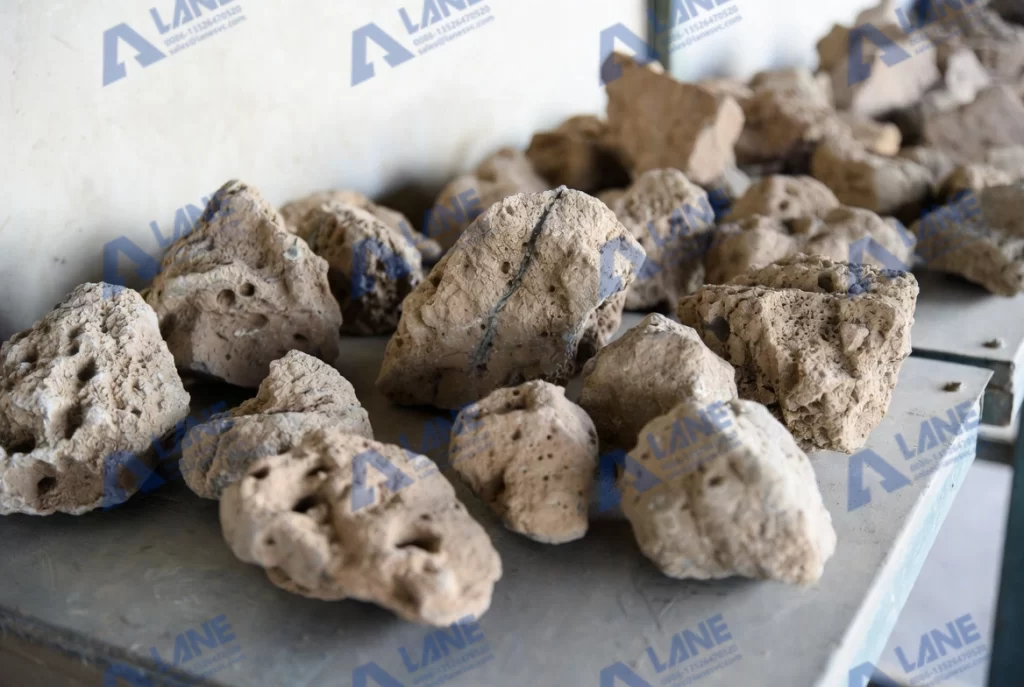
Egypt’s Strategic Position in the Global Phosphate Market
Egypt is one of the world’s major phosphate rock producers, with rich reserves mainly distributed in regions such as Abu Tartur, Sebaiya, and Safaga. These mining areas have been developed for decades, forming stable extraction systems and export channels.
For SSP manufacturers, this means:
- Stable long-term supply
- Mature mining technology
- Consistent ore quality
Unlike some emerging mining regions, Phosphate Rock in Egypt for SSP Production is not experimental. It has been widely used in real industrial production, which greatly reduces procurement risks.
Chemical Advantages That Matter in SSP Production
From a technical perspective, the suitability of phosphate rock for SSP production mainly depends on:
- P₂O₅ content
- Reactivity with sulfuric acid
- Impurity levels (MgO, Al₂O₃, Fe₂O₃, SiO₂, etc.)
Egyptian phosphate rock typically has:
- Moderate to high P₂O₅ content (commonly 28%–32%)
- Good acid solubility
- Relatively balanced impurity composition
This chemical profile makes Phosphate Rock in Egypt for SSP Production highly efficient during acidulation. The reaction is stable, the conversion rate is high, and the final SSP product has better water-soluble phosphorus content.
For manufacturers, this means:
- Lower acid consumption per ton of product
- More predictable reaction control
- More consistent fertilizer quality
Cost Advantage: More Than Just Cheap Ore
Many people think cost advantage only comes from low raw material prices. In reality, the true advantage of Phosphate Rock in Egypt for SSP Production lies in the total production cost.
Key factors include:
- Short shipping distance to Africa, Middle East, and South Asia
- Lower freight cost compared to long-distance suppliers
- Stable export policies and port infrastructure
- Large-scale mining that keeps prices competitive
When you calculate the full chain – mining, loading, shipping, unloading, and inland transport – Egyptian phosphate rock often provides better cost-performance than alternatives from distant regions.
For SSP producers operating on thin margins, this difference is very real.
Processing Performance in SSP Production Lines
In actual SSP plants, what matters most is not only chemical data on paper, but how the material behaves in real production:
- Does it crush easily?
- Does it mix well with sulfuric acid?
- Does it granulate smoothly?
- Does it cause excessive scaling or blockages?
Many SSP producers have found that Phosphate Rock in Egypt for SSP Production performs very well in:
- Chain mill crushing systems
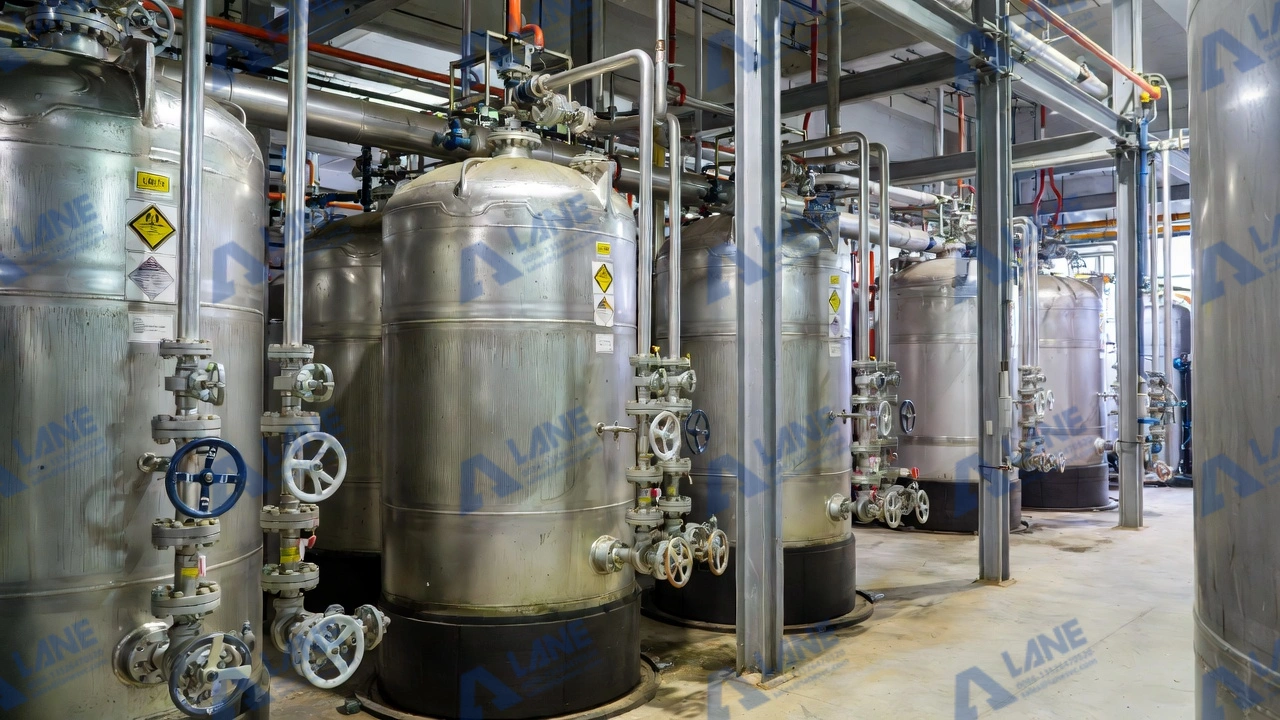
- Reaction tanks and curing systems
- Granulation and drying sections
The ore structure is suitable for mechanical processing, and the reaction characteristics are stable. This reduces downtime, maintenance cost, and operator pressure.
From an engineering point of view, this is a big advantage.
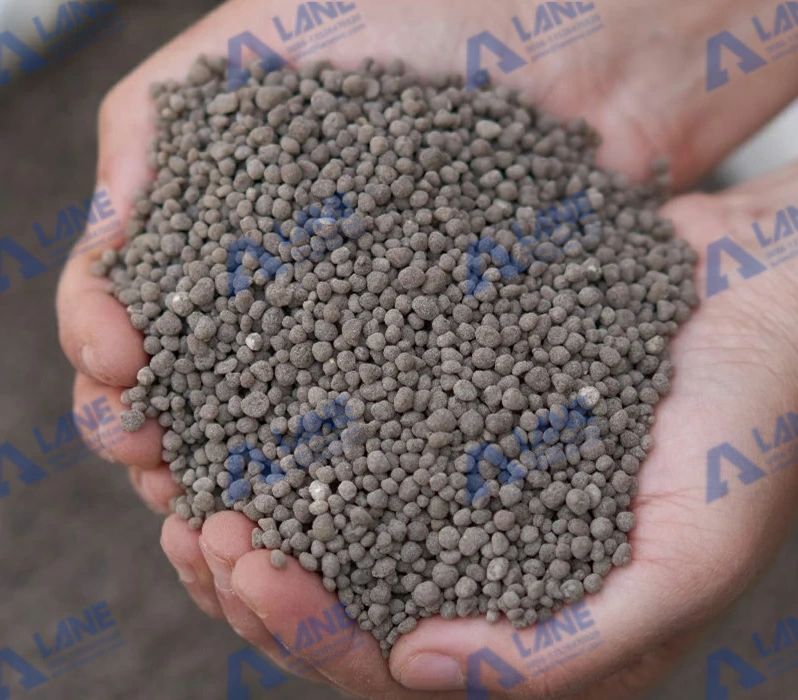
Why Fertilizer Manufacturers Worldwide Prefer It
When you combine all factors – quality, cost, supply stability, processing performance – it becomes clear why Phosphate Rock in Egypt for SSP Production is increasingly favored by manufacturers worldwide.
It is not only suitable for:
- Large-scale industrial SSP plants
- Medium-sized fertilizer factories
- New investors entering the SSP field
It is also flexible enough to adapt to different process designs and equipment configurations.
For manufacturers who want:
- Predictable production
- Controlled costs
- Stable product quality
Egyptian phosphate rock offers a very balanced solution.
LANE Perspective: Turning Raw Material Advantage into Real Profit
At LANE Heavy Industry, we have designed and supplied SSP production lines to customers in multiple regions using Phosphate Rock in Egypt for SSP Production as their main raw material.
From our engineering experience, the real value does not only come from choosing good phosphate rock, but from matching it with the right process design and equipment configuration.
Our team provides:
- Customized process design based on Egyptian phosphate characteristics
- Heavy-duty chain mill crushers optimized for phosphate ore
- High-efficiency reactors for stable acidulation
- Reliable granulation, drying, and screening systems
- Full installation, commissioning, and operator training
LANE is not just an equipment supplier. We focus on helping customers build stable, efficient, and profitable SSP production lines from raw material handling to finished product packaging.
If you are planning to use Egyptian phosphate rock, we can help you design the most suitable solution.
FAQ – Phosphate Rock in Egypt for SSP Production
Q1: Is Egyptian phosphate rock suitable for all SSP production processes?
Yes. Phosphate Rock in Egypt for SSP Production is suitable for both traditional curing processes and modern continuous production lines. Its reactivity with sulfuric acid makes it adaptable to different technological routes.
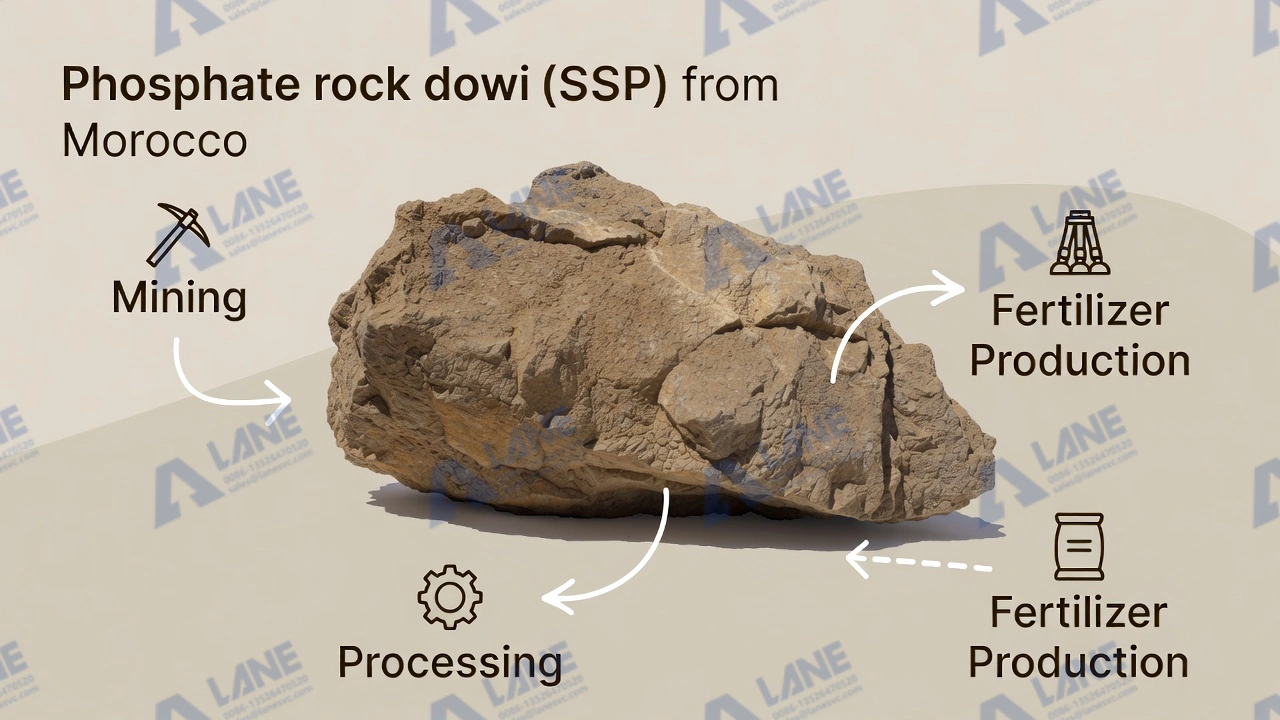
Q2: How does Egyptian phosphate compare with Moroccan phosphate for SSP?
Both are widely used. Egyptian phosphate usually has:
- Slightly lower cost in many regions
- Good reactivity
- Easier logistics for Africa, Middle East, and Asia
The best choice depends on your location, freight cost, and production scale.
Q3: Does Egyptian phosphate rock cause high impurity problems?
In most cases, no. The impurity levels are manageable, and with proper process control, they do not affect SSP quality. Many manufacturers successfully use Phosphate Rock in Egypt for SSP Production without special treatment.
Q4: Can LANE design a complete SSP plant using Egyptian phosphate?
Absolutely. LANE provides turnkey SSP production line solutions based on your raw material, capacity requirement, and local conditions. We handle design, manufacturing, installation, and training.
Q5: Is Egyptian phosphate supply stable for long-term projects?
Yes. Egypt has large reserves and mature mining systems. For long-term SSP projects, Phosphate Rock in Egypt for SSP Production is considered a reliable source.
Final Thoughts
Choosing the right phosphate rock is not just a purchasing decision. It is a strategic decision that affects your production stability, cost structure, and market competitiveness.
With its balanced chemical composition, good reactivity, cost advantages, and stable supply, Phosphate Rock in Egypt for SSP Production has proven to be one of the best choices for fertilizer manufacturers worldwide.
Whether you are expanding an existing plant or planning a new SSP project, understanding this advantage will put you one step ahead in the market.
And if you want to turn this raw material advantage into real business success, LANE Heavy Industry is ready to support you with professional technology, reliable equipment, and full-scope service.
For more details, please feel free to contact us.
Henan Lane Heavy Industry Machinery Technology Co., Ltd.
Email: sales@lanesvc.com
Contact number: +86 13526470520
Whatsapp: +86 13526470520